Tunuyán
"Michel Rolland came here and saw what nobody else was seeing yet — and then everyone else came too, which is the oldest story in wine."
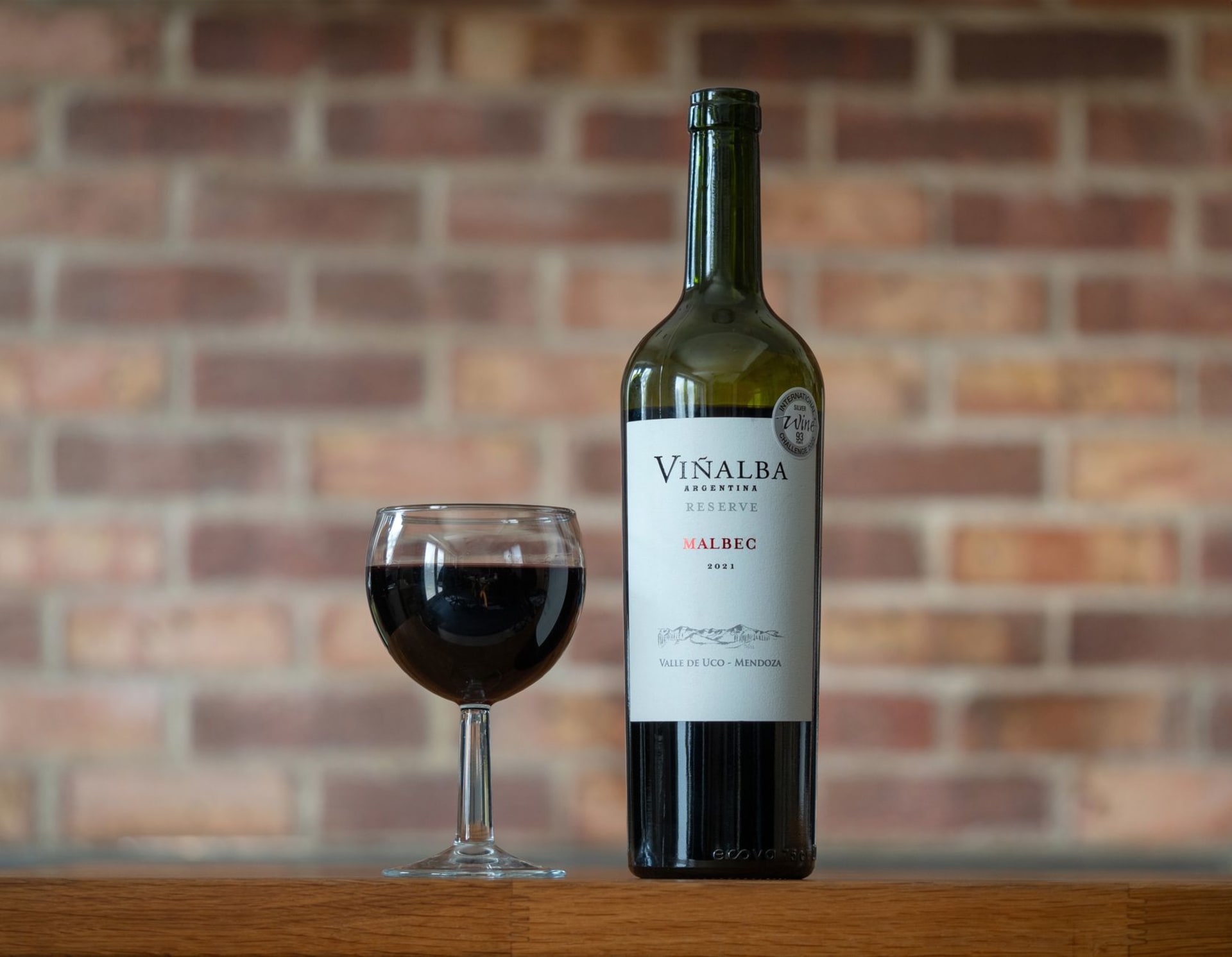
The wind arrives every afternoon around three o’clock, a sustained blow from the west that comes off the Andes and passes through the poplar lines — the álamos planted as windbreaks — with a sound like brushing. It bends the vine canopy sideways for an hour or two, then drops around sunset, and the valley goes still. Sitting on the terrace of a bodega in Tunuyán when the wind stops is one of those small pleasures that accumulates into something larger over days: the sudden silence, the mountain appearing again in its stillness, a glass of cool-climate Malbec catching the last hour of sun. This is the daily rhythm of the central Uco Valley, and it is easy to fall into.
Tunuyán is the administrative and commercial centre of the Uco Valley — a proper Argentine town with a market, a bus terminal, a square with benches, and the functional unpretentiousness of a place that works for a living and doesn’t need to impress passing visitors. Most tourists drive through it on the way to the bodegas. I spent two nights there in a family guesthouse and found it considerably more interesting than the wine tour circuit. The Saturday market runs fresh produce from the valley — peppers, stone fruit, dried herbs — and the town bakery makes facturas that sell out by nine in the morning. The facturas are flaky, buttery, and eaten standing at the counter because there is nowhere to sit and no one expects you to.

The bodegas around Tunuyán include some of the Uco Valley’s most ambitious projects. Clos de los Siete, the estate assembled by Michel Rolland and six other investors in the early 2000s from seven adjacent properties totalling more than eight hundred hectares, is the most visible and probably the most misunderstood. The wine it makes — a blend of Malbec, Merlot, Syrah, and Cabernet Sauvignon — is consistently good without ever being fashionable in the way that single-varietal, high-altitude Malbec has become the critics’ darling. It is a wine that tastes of effort and investment, of someone deciding that this valley was worth gambling on when nobody was quite sure yet. Nearby, Salentein’s Dutch-funded bodega is an extraordinary piece of landscape architecture: a cross-shaped building sunk partially into the earth, the barrel hall lit from above by skylights, the tasting room looking out over vineyards toward the mountain. They also run a chapel on the estate. You can get married there, which strikes me as a reasonable conclusion to a tour of the barrel room.

Further east of the main bodega road, where the valley widens and the irrigation channels thin out, there are family properties that have been growing grapes for three or four generations and selling to the large co-operatives rather than bottling under their own label. These are the places hardest to find and most worth finding. I visited one through an introduction made at the Saturday market — a third-generation family with about six hectares of old Malbec and a cooperative membership they were considering abandoning to bottle their own wine. They poured me a sample of their unfinished vintage from a glass jug, standing in the vineyard, and it tasted raw and alive and like the beginning of something.
When to go: March through April for harvest season — the valley is at full agricultural activity and the combination of daytime warmth and cold nights produces spectacular evening light. October and November for spring vine growth and less tourist traffic. The bus from Mendoza city to Tunuyán runs several times daily and is the most comfortable way to arrive without renting a car.