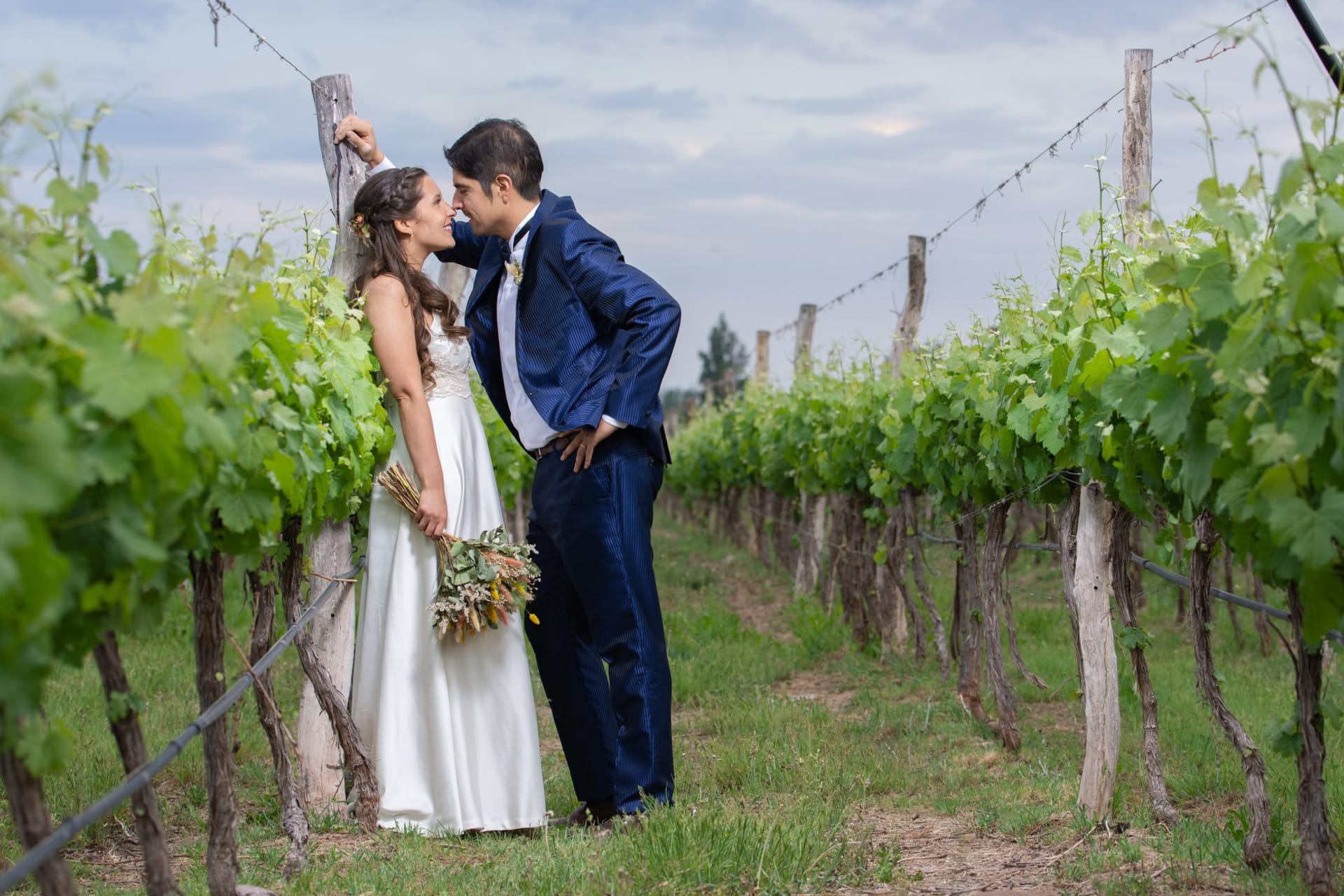
San Rafael
"San Rafael is what Mendoza wine country would still be if tourism hadn't arrived — which is either its problem or its greatest virtue."
I had not planned to go to San Rafael. I’d heard it mentioned as an afterthought — “there’s also a wine zone to the south, but most people don’t bother” — and that particular dismissal is, in my experience, often the best recommendation anything can receive. I took a bus from Mendoza city that runs four hours south through increasingly sparse country, the irrigated band of the oasis narrowing and the desert closing in on both sides, until San Rafael emerges as a proper provincial city with a shaded boulevard, a market, and the entirely unremarkable confidence of a place that never bothered to curate itself for outside consumption. I liked it immediately.
San Rafael sits at around 700 metres, slightly lower than the northern zones, and its climate is a little warmer and windier — the Pampero comes through from the south with a cold ferocity in winter, and the summer afternoons are dry and fierce. The wine it makes reflects this: less the violet-and-mineral Malbec of Luján de Cuyo, more a warmer-fruited, more generous style. But the real discovery in San Rafael is the variety of grapes that nobody else in Mendoza is taking seriously. The Chenin Blanc from old vines here is one of Argentina’s best-kept white wine secrets — mineral and textured, with a honeyed edge that comes from the desert heat tempered by the altitude, closer in spirit to old-vine Chenin from the Loire than to the generic white wine most of Argentina considers appropriate for export. Valentín Bianchi, the most established winery in the area, has made it for decades without making any particular fuss about it.
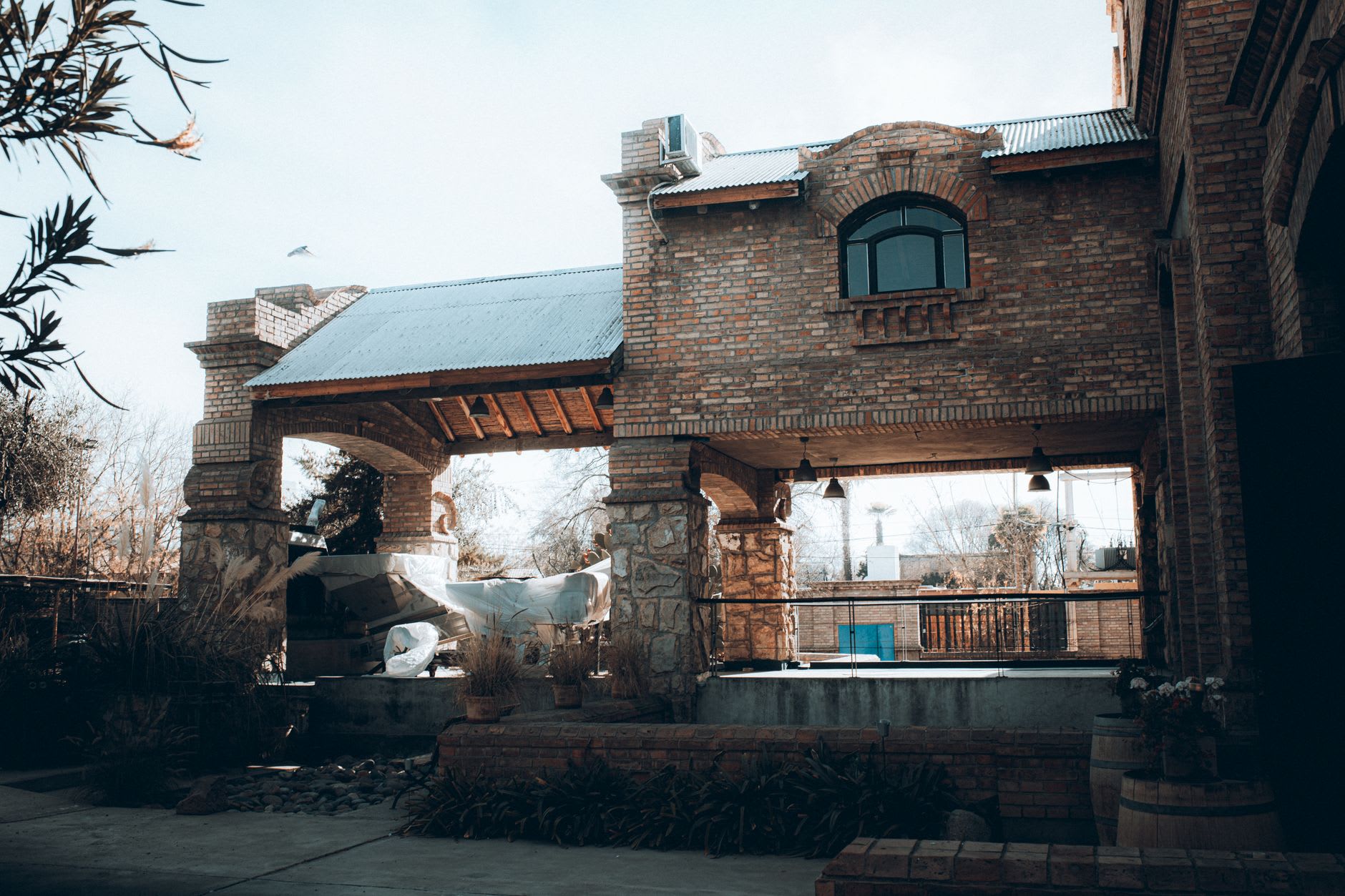
Finca Las Moras — owned by a San Juan family and planted extensively in San Rafael — makes some of the best Syrah from the region, a grape that thrives in this slightly warmer climate and produces something peppery and robust and deeply coloured, the kind of wine that drinks best with a lamb asado at ten in the evening after the temperature has finally dropped. I had exactly that meal at a parrilla outside the city where the fire was built from algarrobo wood and the smoke from it drifted across the neighbouring vineyards, and the owner brought a bottle from a producer I’d never heard of that turned out to be the most interesting Malbec-Tempranillo blend I’d encountered in Argentina: earthy and dark and slightly austere, with a dried-herb note that I thought at first was the smoke and then realized was coming from the wine itself.
The Cañon del Atuel — a canyon of red rock carved by the Río Atuel, about an hour from the city — is one of those places that makes you understand why people choose to live far from everything. The walls drop two hundred metres in places, the rock stained in layers of rust and ochre, and the river at the bottom is cold enough in spring that wading in it for more than a few minutes produces a particular kind of full-body clarity. It has nothing to do with wine and everything to do with why San Rafael is worth the four-hour bus ride.
When to go: March through May for harvest season and the most manageable temperatures. September and October for spring renewal and the fewest visitors. San Rafael is a working agricultural city all year; it doesn’t really have an off-season. The bus from Mendoza is cheap, frequent, and comfortable enough for a overnight bag.