Potrerillos
"You drive up the gorge road thinking you know what mountains look like, and then the Andes decide to correct you."
The road from Mendoza city to Potrerillos is one of those drives that makes you feel slightly guilty about complaining about anything. Ruta 7 climbs the Río Mendoza canyon in switchbacks, the river below running white and loud from snowmelt, the red and grey rock walls rising on both sides until the valley narrows to something that doesn’t seem wide enough for a road at all. Then the canyon opens and the Potrerillos reservoir appears — a body of water so intensely turquoise against the brown mountains that your first instinct is to reach for sunglasses, as if the colour itself has a glare. I pulled off at the first overlook and sat on the bonnet of the rental car for twenty minutes, just acclimatising to the scale of it.
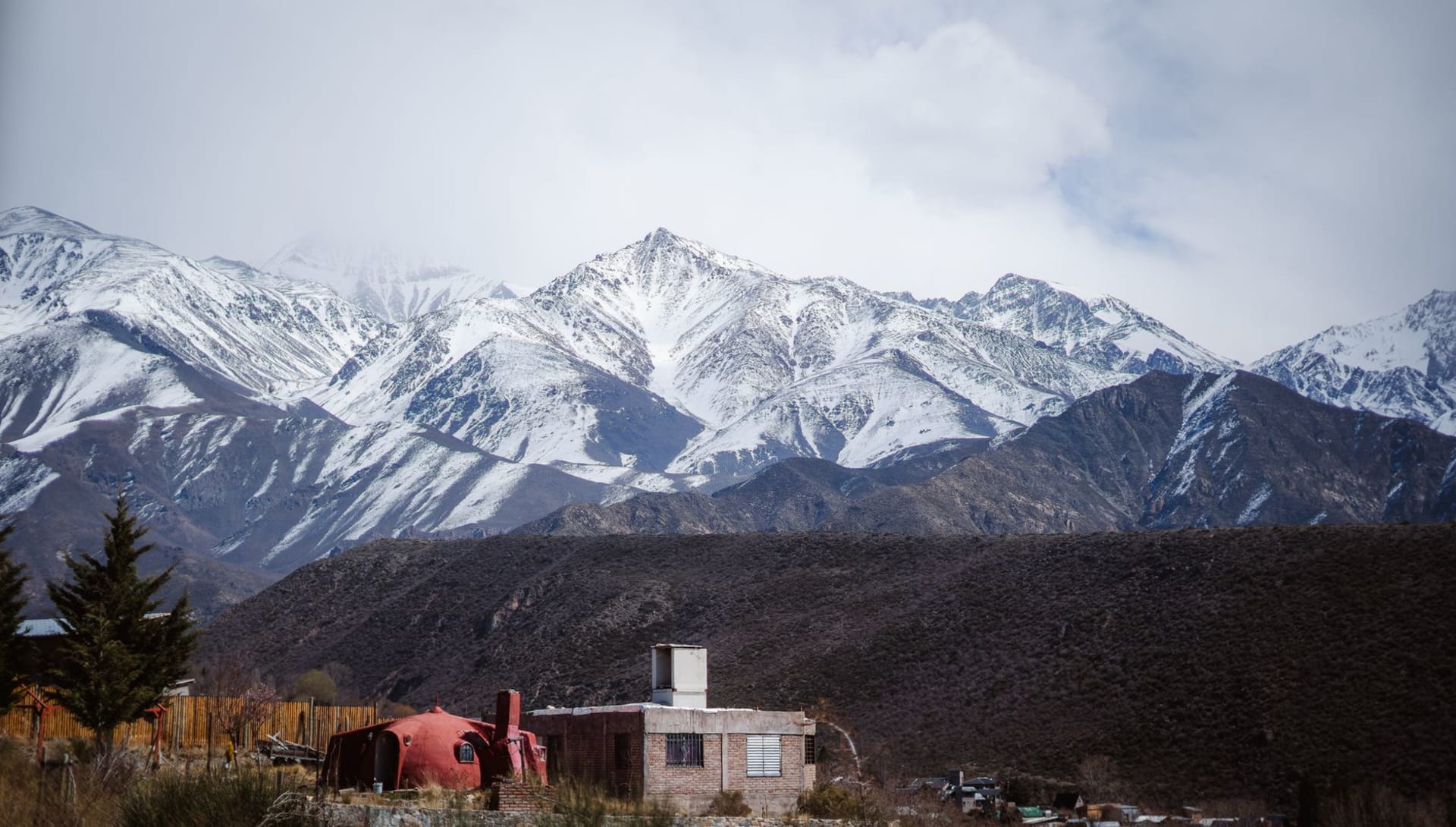
Potrerillos sits at around 1,350 metres on the edge of this artificial reservoir, created in the early 2000s when the Cacheuta dam was built for hydroelectric power. The original village was flooded; the current settlement is small and functional, a base for rafting on the Mendoza River below the dam and for the kind of hiking that involves proper boots and a genuine respect for altitude. The surrounding mountains are not soft. The terrain is volcanic and dry and crossed by trails that run up into the Cordillera toward passes that don’t see foot traffic except in summer. Standing on the road above Potrerillos in May, with the peaks carrying fresh snow and the reservoir absolutely still in the early morning, is one of the more complete silences I’ve experienced anywhere.

The wine connection is indirect but real. The drive up through the canyon passes bodegas on the lower slopes — small operations taking advantage of the thin strip of irrigated valley floor before the terrain becomes too steep for cultivation — and the Mendoza River that feeds the reservoir is the same snowmelt source that feeds the acequias running through every vineyard from Luján de Cuyo to the Uco Valley. Without this water management — without the Andean snowpack and the elaborate irrigation system built by Huarpe communities and expanded by Italian immigrants — there would be no Mendoza wine at all. Potrerillos is where you go to understand where the wine comes from, upstream in both the literal and figurative sense.

I stayed two nights at a small posada run by a family from Mendoza city who moved up here fifteen years ago and now divide their time between the posada, a vegetable garden, and what sounded like a complicated relationship with the local internet provider. Breakfast was bread they’d baked that morning, mountain cheese, and a jar of membrillo made from quinces grown on the property. They poured wine with dinner from an unlabelled bottle — “from a cousin in Luján de Cuyo,” the husband said, pouring generously — and after dinner we sat on the terrace with the reservoir black below us and the mountains holding the last light. The stars at this altitude were the kind that make the sky look busy.
When to go: October through April for accessible mountain roads and warm enough days for the river. December through February for rafting in the highest water from snowmelt runoff. The road to Potrerillos is paved and well-maintained year-round; beyond the village, mountain passes close in winter. Allow two hours from Mendoza city.