
Luján de Cuyo
"The vines here are old enough that the winemaker talks about them like members of the family — because they are."
The road south out of Mendoza city runs alongside the acequia, the irrigation canal that carries snowmelt from the Andes through every village and vineyard in the region. I followed it on a borrowed bicycle in late March, when the harvest was winding down and the sorting tables at every bodega were being hosed clean of the last purple stains. Luján de Cuyo starts before you notice the sign — it announces itself instead through the change in soil, sandy loam giving way to river gravel and volcanic stone, and through the sudden density of old vines lining both sides of the road in neat rows that look like they have been there since before anyone alive was born. Many of them have.
This is where Argentine Malbec grew up. Luján de Cuyo was declared the country’s first Denominación de Origen Controlada in 1993, a recognition of what winemakers here already knew: that this specific combination of altitude (between 800 and 1,100 metres), volcanic soils, and the thermal swing between burning afternoon sun and cold Andean nights produced something that couldn’t be replicated twenty kilometres north. The vines that didn’t survive the phylloxera crisis of the late nineteenth century — and many here didn’t arrive until after — are now approaching a century old, with gnarled trunks thick as forearms and low yields that concentrate the fruit into something dark and serious. The Malbec from these parcels doesn’t taste young. It tastes like place.
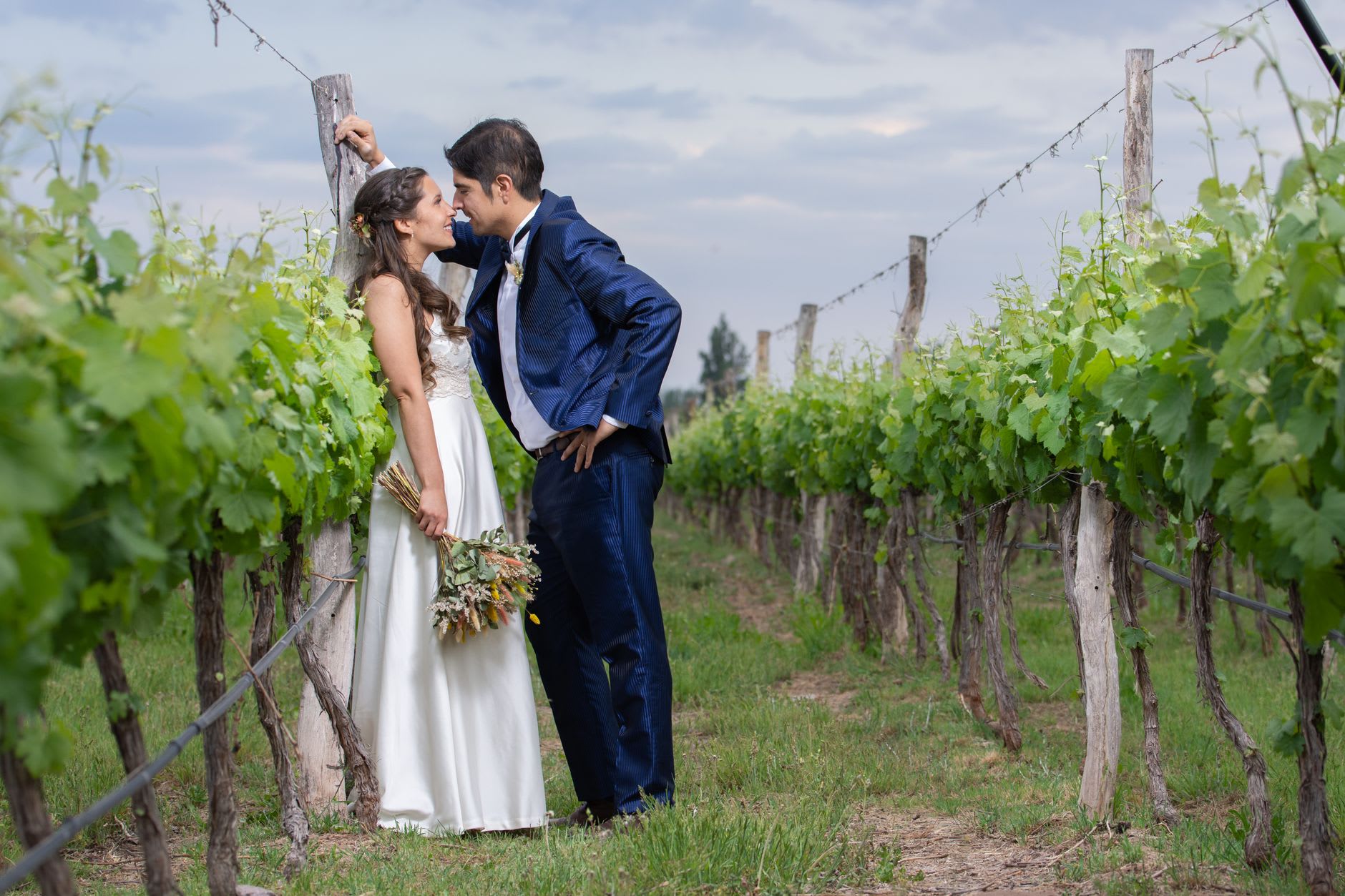
I spent two afternoons at Carmelo Patti’s bodega, a small operation on the edge of the village of Cruz de Piedra that Carmelo has run alone for decades. The winery is barely bigger than a double garage. Barrel samples come in mismatched glasses. He pours with the quiet assurance of someone who has nothing to prove. His Gran Assemblage — a blend of Cabernet Sauvignon and Malbec from vines he doesn’t own but tends with the obsessiveness of ownership — is one of the stranger and more wonderful bottles I’ve encountered in South America: structured to the point of austerity in youth, it opens across days into something that smells of cedar and dried roses and the volcanic dust of this particular road. At Lagarde, a few kilometres north, the nineteenth-century bodega building is all crumbling brick and cool shadows, the kind of place where you half expect to find a trunk of letters. Their old-vine Malbec from the Vistalba parcel is poured in a room that hasn’t changed much in fifty years. The stillness is part of the tasting.
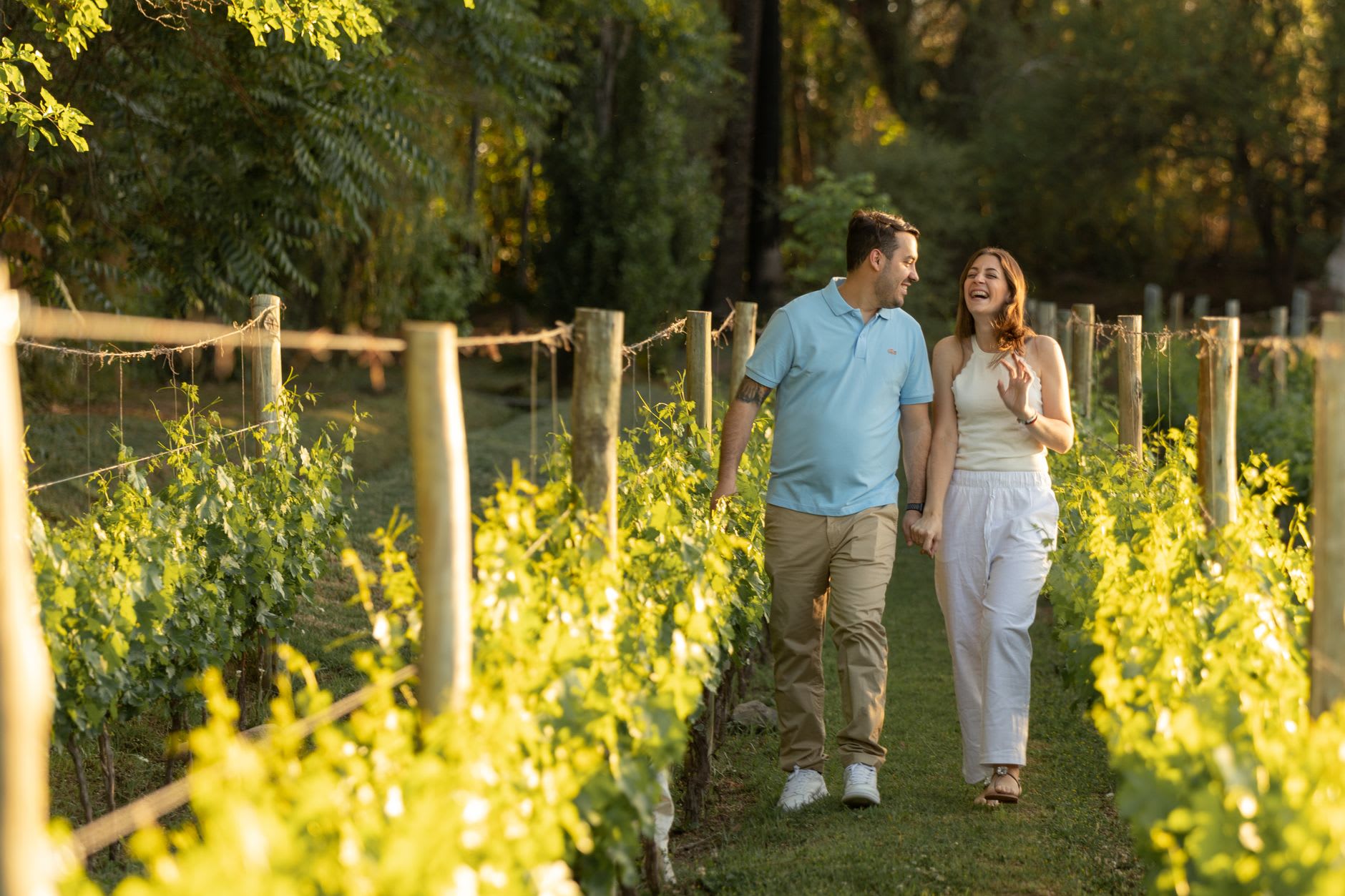
The village of Luján itself is small and unhurried, the kind of place where the main plaza fills on Sunday afternoons with families and the ice cream shop has a queue out the door by five. There’s a peña — a folk music gathering — at a bar near the church on Friday nights, guitars and bombo drum and the kind of singing that sounds like it comes up from somewhere very old. Nobody is performing it for tourists. This is the version of Mendoza wine country that the glossy brochures miss: not the private helicopter drop-offs at vineyard hotels, but a town that just happens to make some of the best wine in the world and mostly doesn’t make a fuss about it.
When to go: March and April are harvest season — bodegas are active, the air smells of fermentation, and spontaneous cellar visits are easiest. October brings the vines back into leaf after winter dormancy. Avoid the cold July–August window if you want to visit smaller bodegas that reduce hours or close for the season.