
Gualtallary
"The winemaker handed me a glass, pointed at the white stones under the vines, and said: 'That is what you are tasting.' He was right."
Up Where the Vines Shouldn’t Work
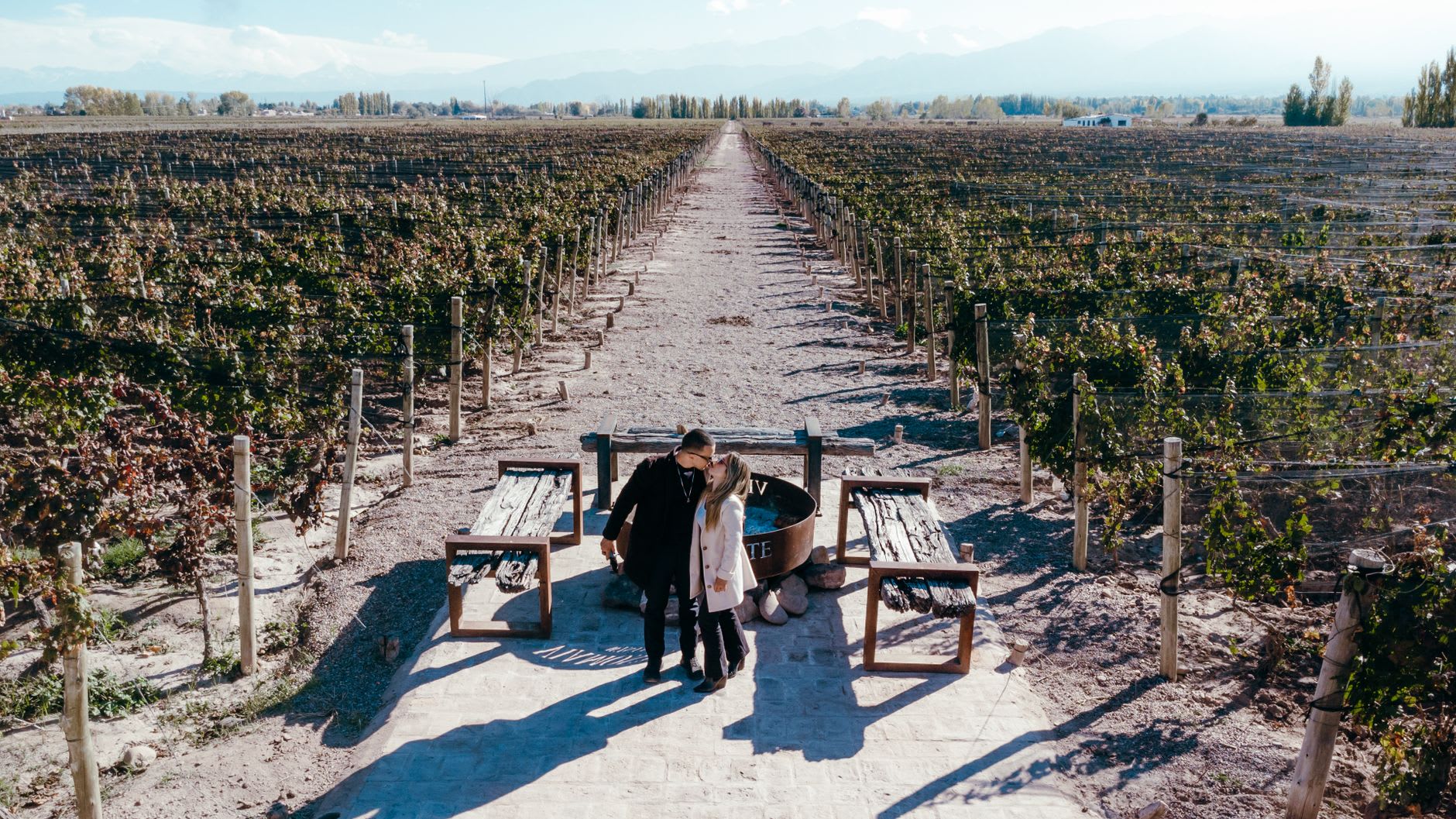
Gualtallary is not a town so much as a high, windblown stretch of vineyard land on the upper edge of the Uco Valley, in the Tupungato district, pressed right up against the Andes. It sits high — much of it above 1,300 metres, some of it near 1,600 — which by the standards of serious viticulture is bordering on reckless. The mornings are cold, the sun is fierce, the wind comes straight off the snow, and the soil is pale, stony, and shot through with calcium carbonate, the chalky white deposits you can see lying on the surface between the rows. None of this should make great wine. All of it does.
I drove up from Tupungato on a clear morning with the Andes looking close enough to touch, which in that dry air is a permanent optical lie. The landscape is austere and beautiful: scrub, stones, low vines, and then suddenly a discreet modern winery rising out of the desert with a tasting room full of light. Gualtallary has become, over the past fifteen years or so, the address that Argentina’s most obsessive winemakers point to when they want to talk about terroir rather than just ripeness.
What the Stones Do
I am wary of wine mysticism, the swirling and the adjectives, but Gualtallary made a believer of me on one specific point. The Malbec here does not taste like the plush, sun-soft Malbec that made Mendoza famous. It is tighter, higher-toned, more savoury — there is a tension and a chalky, almost saline grip to it that comes, the winemakers all insist, from those calcareous soils and the cold nights at altitude. One of them walked me out among the vines, crouched down, picked up a handful of pale rubble, and told me to taste the next glass with that in my hand. I did. The line he was drawing between the rock and the wine suddenly didn’t feel like marketing.
Lia, who is less patient with this sort of thing, preferred the part where we sat on a terrace with a plate of empanadas and a bottle and simply watched the light move on the mountains. Both reactions, I think, are correct.
Visiting Well
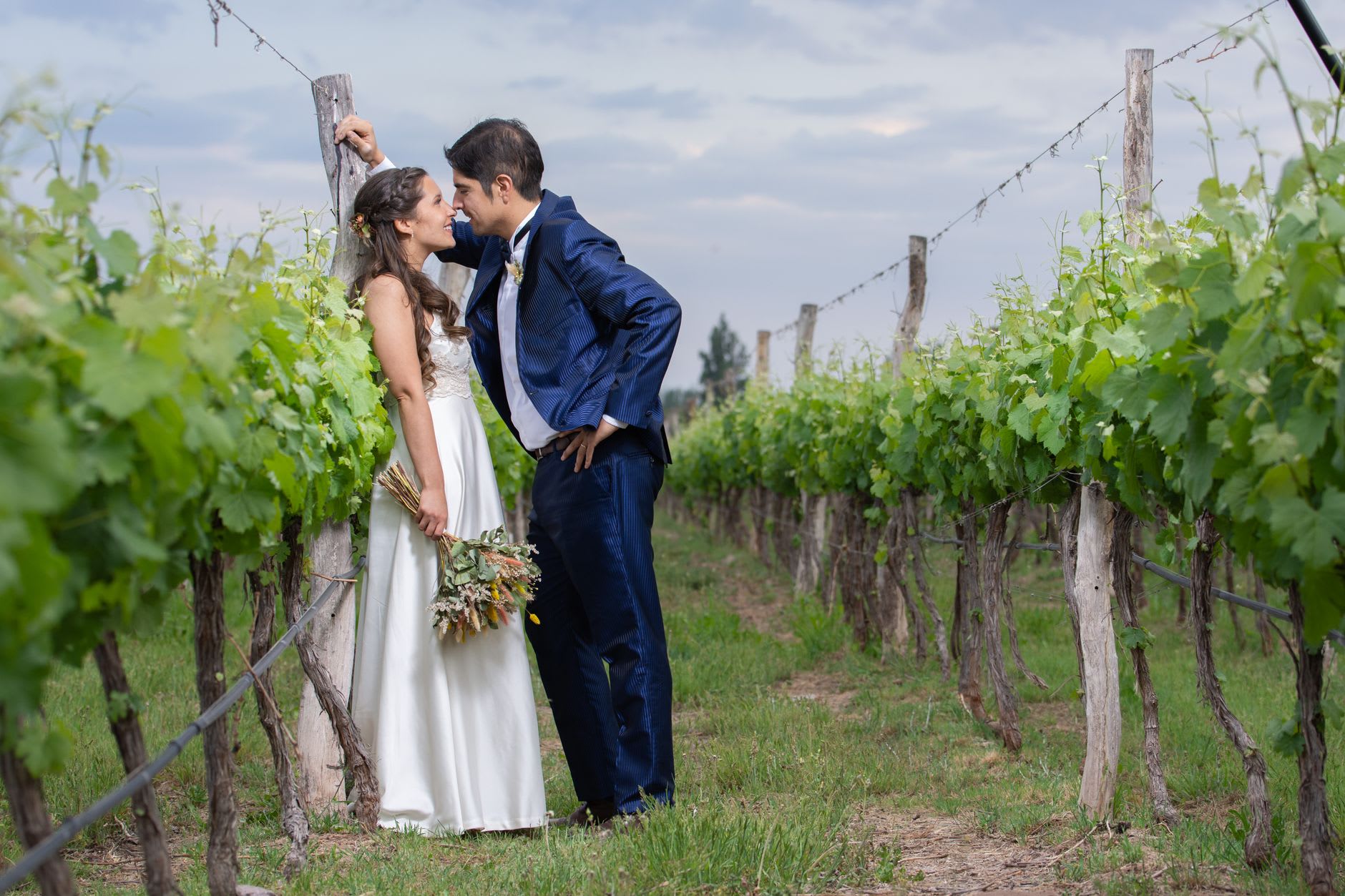
This is the upper Uco Valley, so it rewards a car and a plan. The wineries here are appointment-only, smaller and more serious than the big Maipú operations closer to the city, and you will want to book a day or two ahead. Pair two or three visits with lunch at one of the estate restaurants, which in this part of Mendoza tend to be excellent and unhurried. Go in autumn, around the March and April harvest, when the vines turn gold and the cellars smell of fermenting fruit. Come for the Malbec, but pay attention to the Chardonnay and the Cabernet Franc, which up here are quietly doing remarkable things. Gualtallary is where Argentine wine stopped trying to be merely generous and started trying to be precise.