Yaxchilan
"Some ruins you drive to. Yaxchilan you have to earn on the water first."
A river-locked Maya city you can only reach by boat, where carved lintels once told the story of kings and blood.
Lia and I got to Frontera Corozal the night before, ate tacos de pescado at a plastic table by the river, and asked around for a boatman leaving early. The next morning we found one, and forty-five minutes down the Usumacinta with the jungle pressing in on both banks, Mexico on one side and Guatemala on the other, I understood why nobody’s ever built a road here. Yaxchilan doesn’t want to be easy. You arrive the way its rulers arrived by canoe centuries ago, and that alone put me in a different headspace than any other ruin we’d visited in Chiapas.
The site was busiest under Itzamnaaj Bahlam III, Shield Jaguar, and his son Bird Jaguar IV, who ruled through the 8th century and left behind some of the most technically stunning stone carving in the Maya world. Walking into the Great Plaza, howler monkeys screaming somewhere overhead, I kept stopping at the door lintels, worn but still legible, showing bloodletting rituals and dynastic claims to power in a level of detail I hadn’t expected from stone that old.
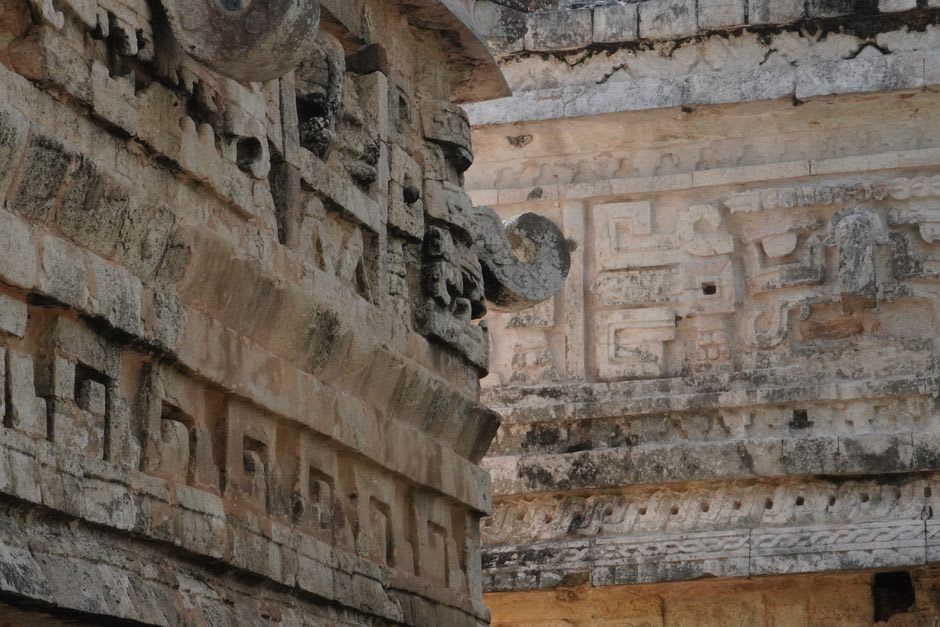
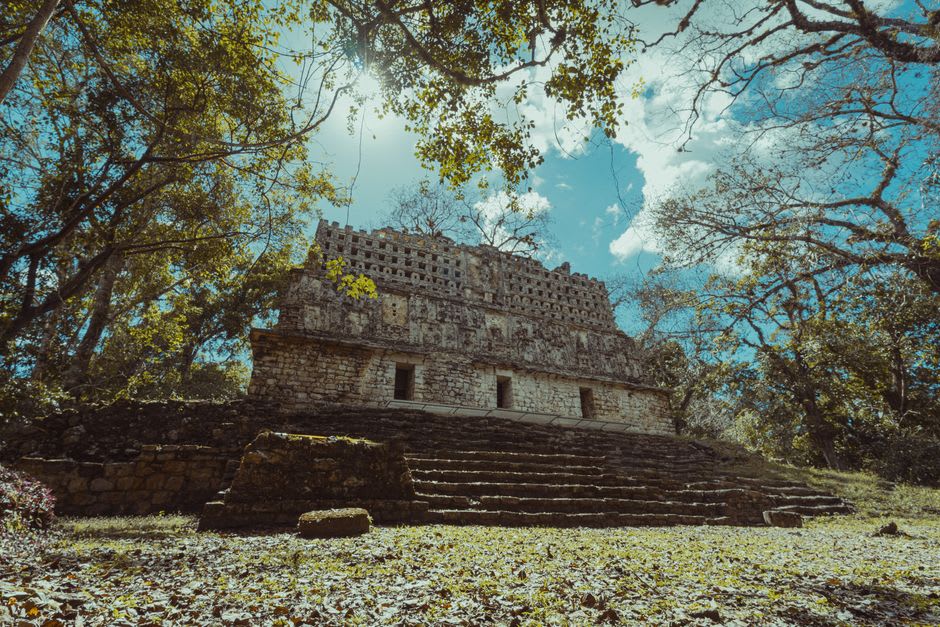
We climbed to Structure 33, Bird Jaguar’s temple, which is the one that shows up in every photo of Yaxchilan for a reason, its roof comb rising above the tree canopy, and from up there the river makes a hard bend right below the site that you can’t fully appreciate from the ground. Structure 44 was the part I liked more, honestly, a low labyrinthine building where Lia and I lost track of each other for a few minutes weaving through its chambers, hieroglyphic stairways underfoot recording battles and successions in a script neither of us could read but both of us kept crouching down to photograph anyway.
Knowing that some of those original lintels are sitting in the British Museum now gave the whole visit a strange double feeling, standing in front of the real limestone building while the finest carved pieces of its story live in glass cases thousands of kilometers away. It didn’t ruin the visit, but it stayed with me on the boat back, the site itself somehow more honest and more incomplete at once.
When to go: November to April, dry season, is really the only sensible window, since the boat crossing and the jungle paths between structures get a lot rougher once the rains start.
Keep exploring
More from Mayan Heartland
 mayan-heartland
 Calakmul
A colossal Maya city buried deep in the Campeche jungle, where you climb a pyramid above the canopy and the rainforest is as much the point as the ruins.
Explore mayan-heartland
 Chichen Itza
The most visited Maya site in Mexico — and still, before nine in the morning, capable of silencing a crowd.
Explore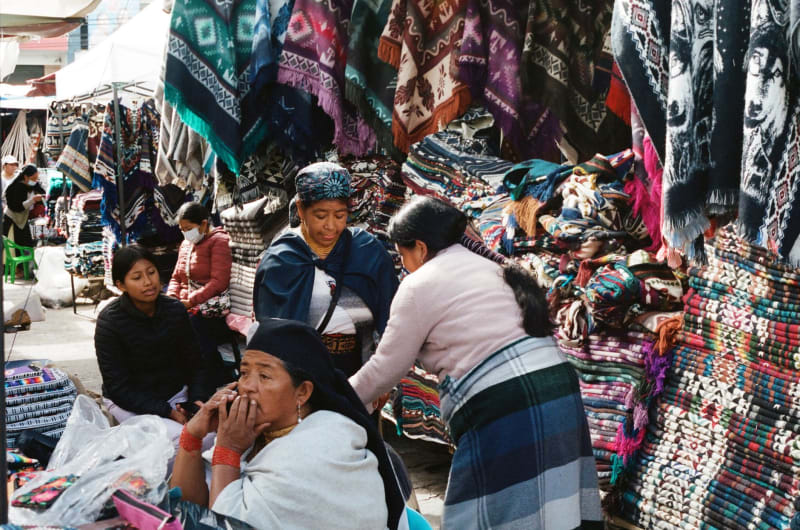 mayan-heartland
 Chichicastenango
A highland K'iche' market town where copal smoke on the church steps tells you more than any guidebook can.
Explore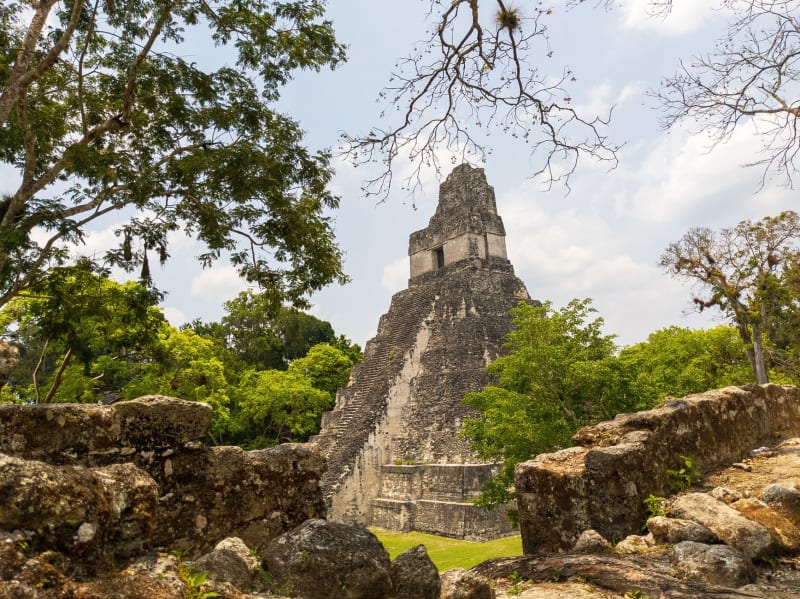 mayan-heartland
 Cobá
A Maya city lost in Quintana Roo jungle where you pedal between temples on rented bikes and feel the scale of it.
Explore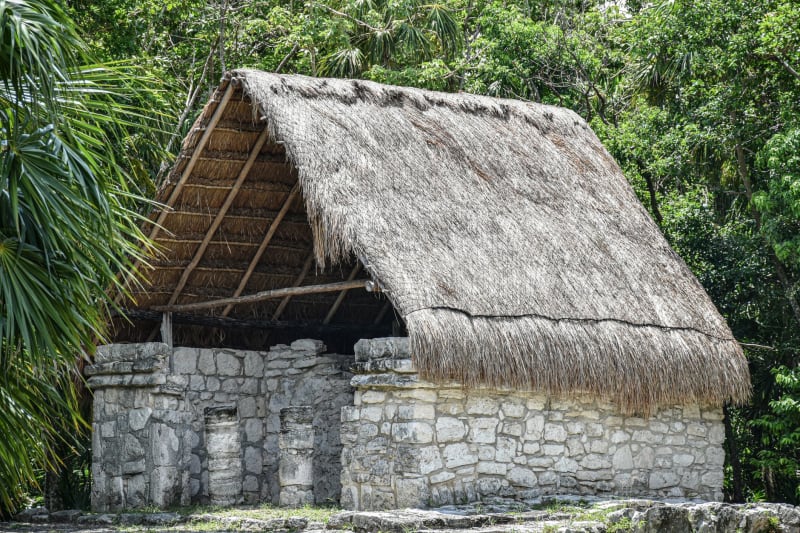 mayan-heartland
 Copán
Where Maya sculptors carved faces so specific and human that you keep expecting them to blink.
Explore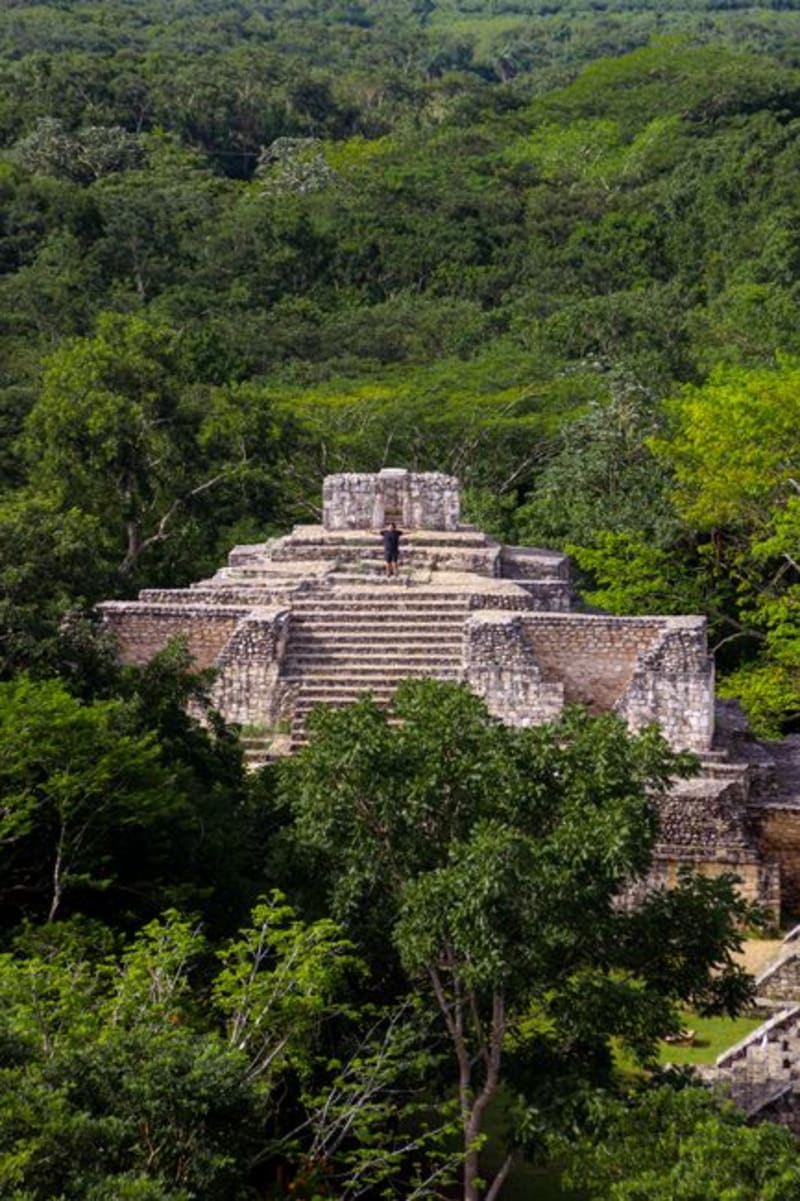 mayan-heartland
 Ek Balam
A jungle-swallowed Maya city near Valladolid where you can still climb the pyramid and stand nose to nose with a jaguar-mouth doorway.
Explore