
Americas
Mayan Heartland
"Standing above the canopy at Tikal, I understood why the Maya thought they were touching the gods."
The ancient Maya world in its fullest expression — Tikal's jungle pyramids, Copán's sculptural genius, and living ceremonial traditions that never stopped.

I arrived at Tikal before dawn, following a flashlight along a root-tangled path while howler monkeys shook the dark from the trees above me. By the time I reached Temple IV and climbed the wooden stairs to the platform, the jungle was beginning to appear below — a green ocean interrupted by the tips of other pyramids surfacing like islands. The sun came up, and the howlers went quiet, and I sat there for forty minutes without moving. It was the most alive I have felt in any archaeological site anywhere in the world.
The Mayan Heartland is not a single country but a cultural territory — spanning the Guatemalan Petén, the Yucatán peninsula edges, Belize, and Honduras — where the greatest civilization of the pre-Columbian Americas built cities that rivaled ancient Rome in population and sophistication. Tikal was the political colossus, home to a hundred thousand people at its peak, its temples now wrapped in ceiba trees and inhabited by toucans. But Copán, across the border in Honduras, is where the Maya reached their sculptural apex: the hieroglyphic stairway here contains more text than any other monument in the Americas, carved by a dynasty that treated stone like other civilizations treated language. Stand in front of the stelae at Copán and the faces that look back at you have an individuality — a specific human presence — that most ancient sculpture never achieves.
What most visitors miss is that the Maya world is not a past-tense story. In the villages around Lago Petén Itzá, Q’eqchi’ Maya families still conduct ceremonies at the same forest altars their ancestors used. In the markets of Chichicastenango and Sololá, the textile patterns worn today encode cosmological information that pre-dates the Spanish by centuries. The continuity is staggering once you start looking for it — the ruins and the living culture are not separate things. They are the same thing at different moments in time.
When to go: November through March is the dry season — the jungle paths are passable, the skies over Tikal are clear, and sunrise climbs are not complicated by mud. February is ideal. Avoid Easter week unless you want to share Temple IV with five hundred other people chasing the same photograph.
What most guides get wrong: They present Tikal and Copán as two separate side-trips tacked onto a Guatemala itinerary and a Honduras itinerary. They are not. They are the center of the same story, and the route between them — overland through the Petén, across into Belize or Honduras — is one of the great slow-travel journeys in this hemisphere. Do not fly. Take the bus, hire a shared shuttle, sit next to people who know these roads. The Mayan Heartland rewards travelers who move through it like it matters, not like it is a checkbox.
Explore
Places in Mayan Heartland
 mayan-heartland
 Calakmul
A colossal Maya city buried deep in the Campeche jungle, where you climb a pyramid above the canopy and the rainforest is as much the point as the ruins.
Explore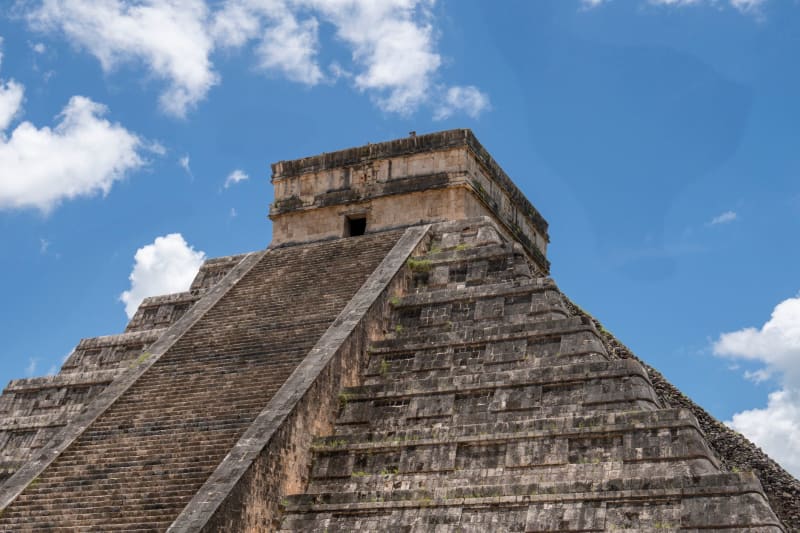 mayan-heartland
 Chichen Itza
The most visited Maya site in Mexico — and still, before nine in the morning, capable of silencing a crowd.
Explore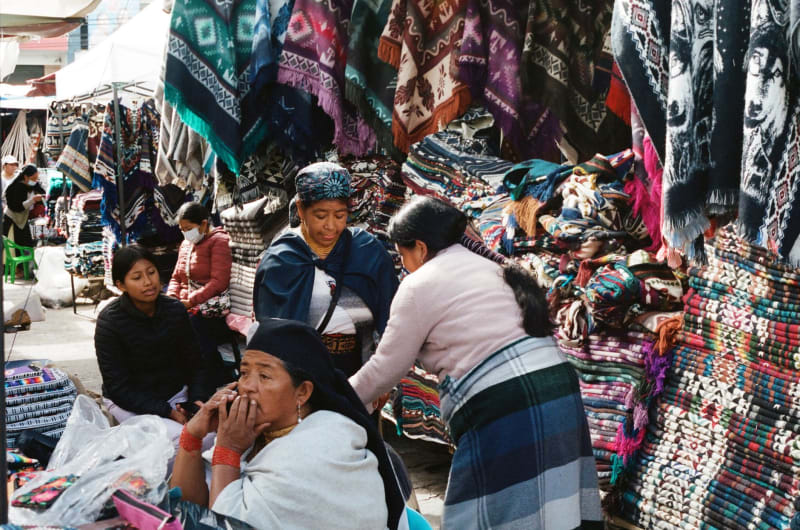 mayan-heartland
 Chichicastenango
A highland K'iche' market town where copal smoke on the church steps tells you more than any guidebook can.
Explore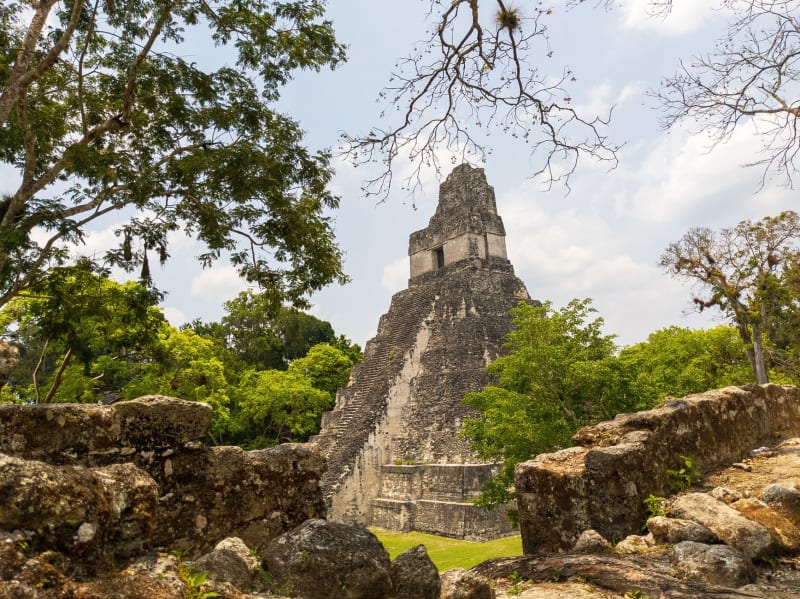 mayan-heartland
 Cobá
A Maya city lost in Quintana Roo jungle where you pedal between temples on rented bikes and feel the scale of it.
Explore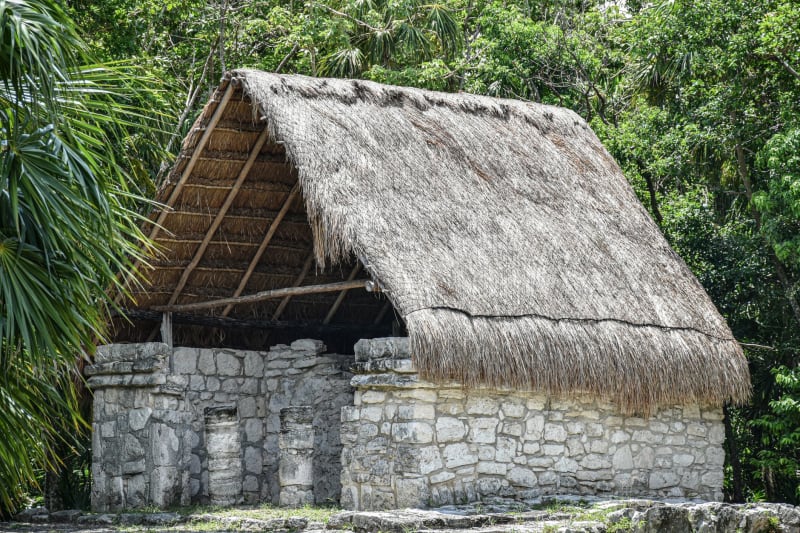 mayan-heartland
 Copán
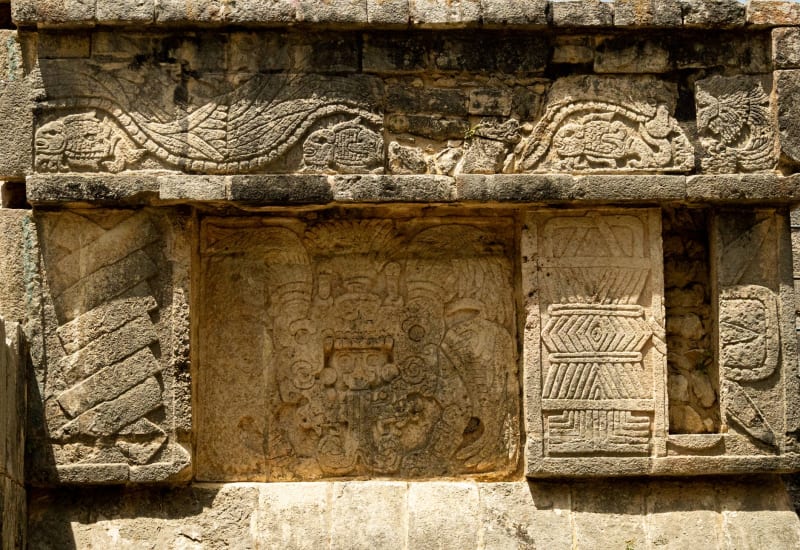
Where Maya sculptors carved faces so specific and human that you keep expecting them to blink.
Explore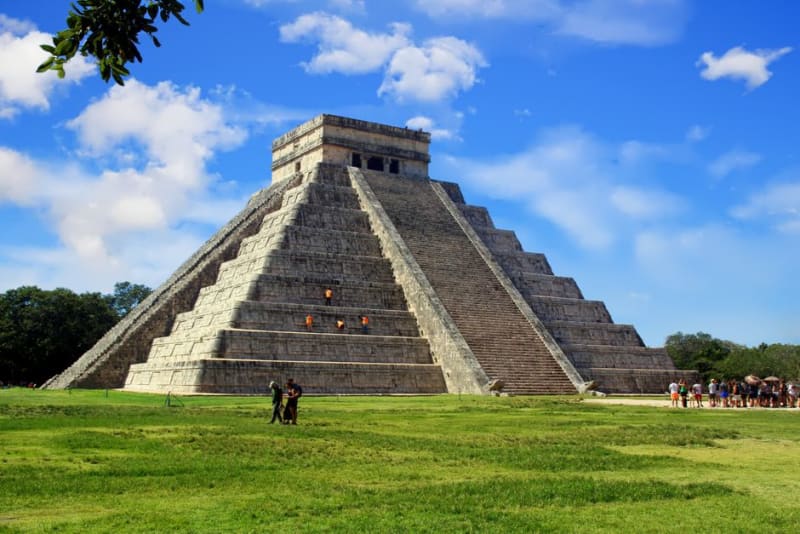 mayan-heartland
 Ek Balam
A jungle-swallowed Maya city near Valladolid where you can still climb the pyramid and stand nose to nose with a jaguar-mouth doorway.
Explore mayan-heartland
 Flores
A tiny island of pastel houses on a jungle lake where people come for Tikal and stay for the evenings.
Explore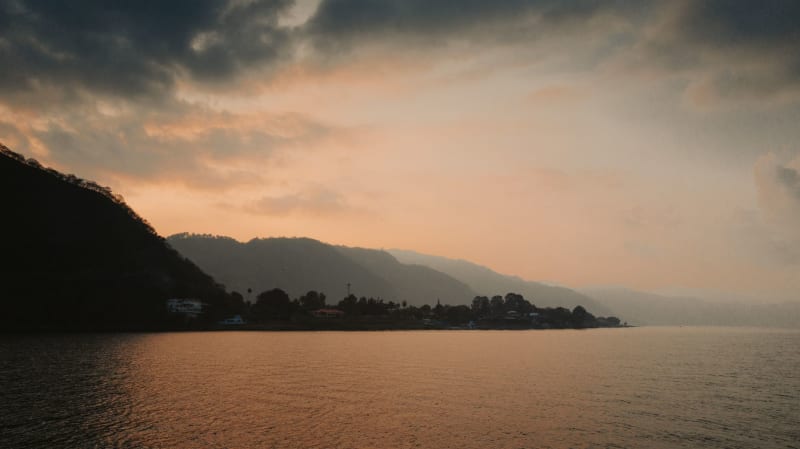 mayan-heartland
 Lago Atitlán
A volcanic caldera lake ringed by Maya villages where the volcanoes, the textiles, and the afternoon wind all compete for your attention.
Explore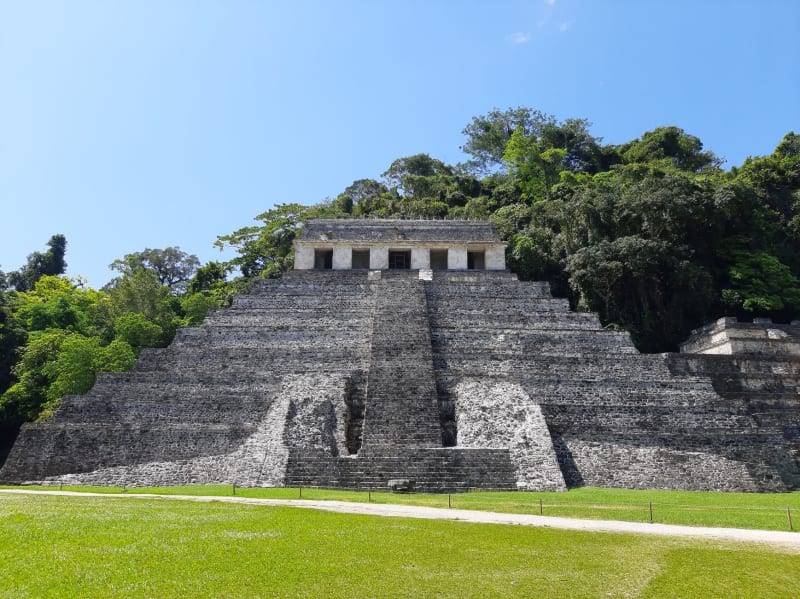 mayan-heartland
 Palenque
A palace complex swallowed and slowly released by Chiapas jungle — wet stone, orchids, and something older.
Explore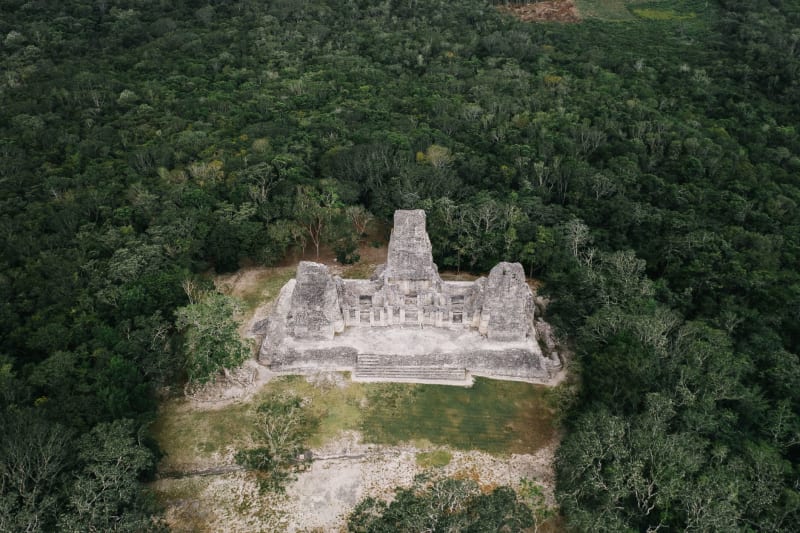 mayan-heartland
 Tikal
A hundred thousand Maya lived here once — now the howler monkeys have inherited the pyramids.
Explore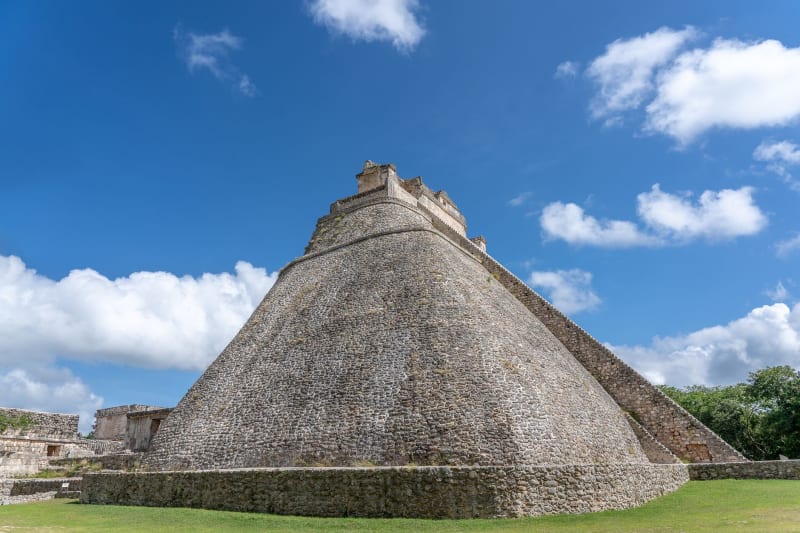 mayan-heartland
 Uxmal
The Puuc hills' architectural crown — stone lattice and rounded corners that feel almost too refined to have been carved by hand.
Explore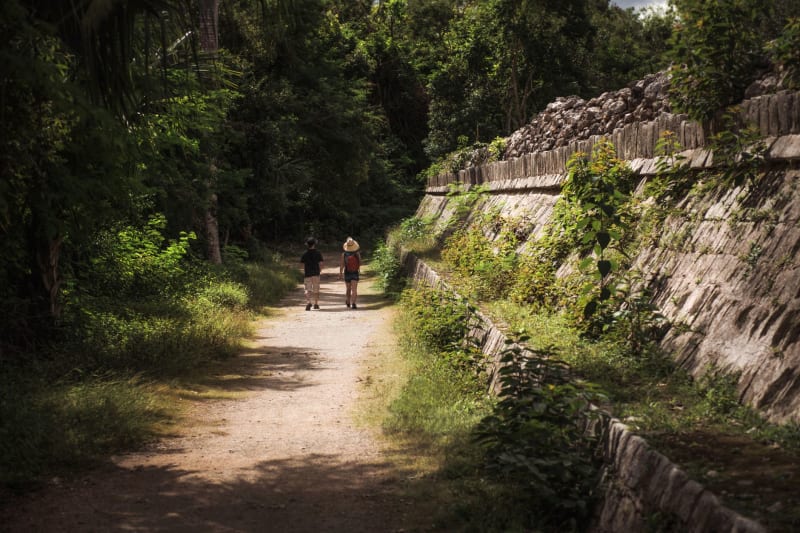 mayan-heartland
 Xunantunich
A hand-cranked ferry, a limestone ridge, and a pyramid with views into two countries — this is Belize doing Maya ruins right.
Explore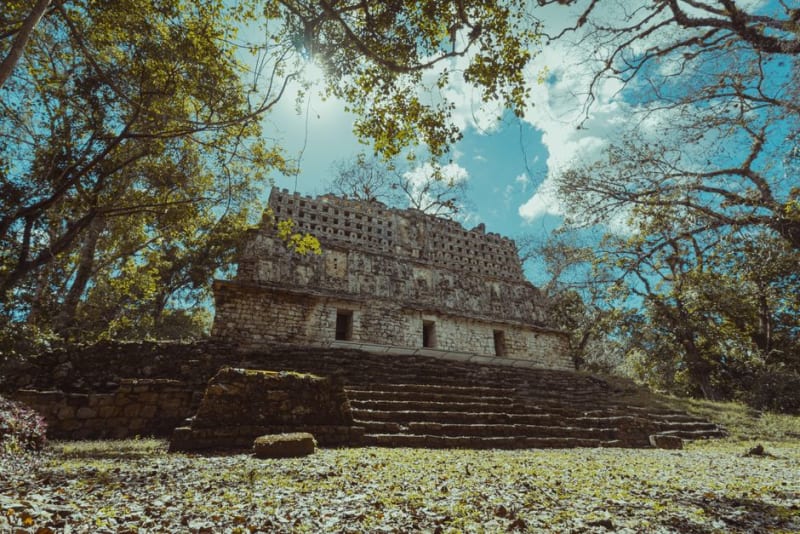 mayan-heartland
 Yaxchilan
A river-locked Maya city you can only reach by boat, where carved lintels once told the story of kings and blood.
Explore