
Port Louis
"Every religion in the world has a building on the same block here, and somehow that feels completely normal."
The Central Market in Port Louis hits you before you see it. Walking up from the Caudan Waterfront, past the waterfront’s glass-and-steel attempt at modernity, the smell arrives first — curry leaf, dried fish, overripe jackfruit, something sweet and fried that I could not immediately identify. When I stepped inside, into the roar of vendors and the crush of bodies and the overhead fans that moved the air without cooling it, I understood that this market was not a tourist attraction. It was the city’s actual kitchen, and I was the only person in it without a shopping bag.
I bought gato pima from a woman who fried them fresh in a blackened wok, four for ten rupees, still hot enough to burn my fingers. She handed them over without looking up. I ate them leaning against a pillar, watching a Tamil man argue with a Chinese vendor about the weight of dried shrimp, while behind them both a Creole woman assembled a pyramid of tomatoes with the focus of someone building something that mattered. This particular corner of the market, in fifteen square metres, contained more cultural density than most cities manage across entire neighbourhoods.
Outside the market, the city arranges itself around the contradictions that three centuries of colonial layering produce. The waterfront area is clean, air-conditioned, and full of banks. Walk two blocks inland and the streets narrow, the traffic thickens, and the buildings start showing their age in the way that honest cities do. The Jummah Mosque, built in 1852, sits across from a Chinese pagoda. The St Louis Cathedral faces the Place d’Armes with its avenue of royal palms, which in turn faces the Government House, a colonial building that now hosts a government office but still wears its French colonial facade like a suit it has never updated. I walked between all of these in an hour, stopping at a Muslim restaurant for briani that came with a hard-boiled egg and an argument between the two men behind the counter about whether the rice needed more saffron.
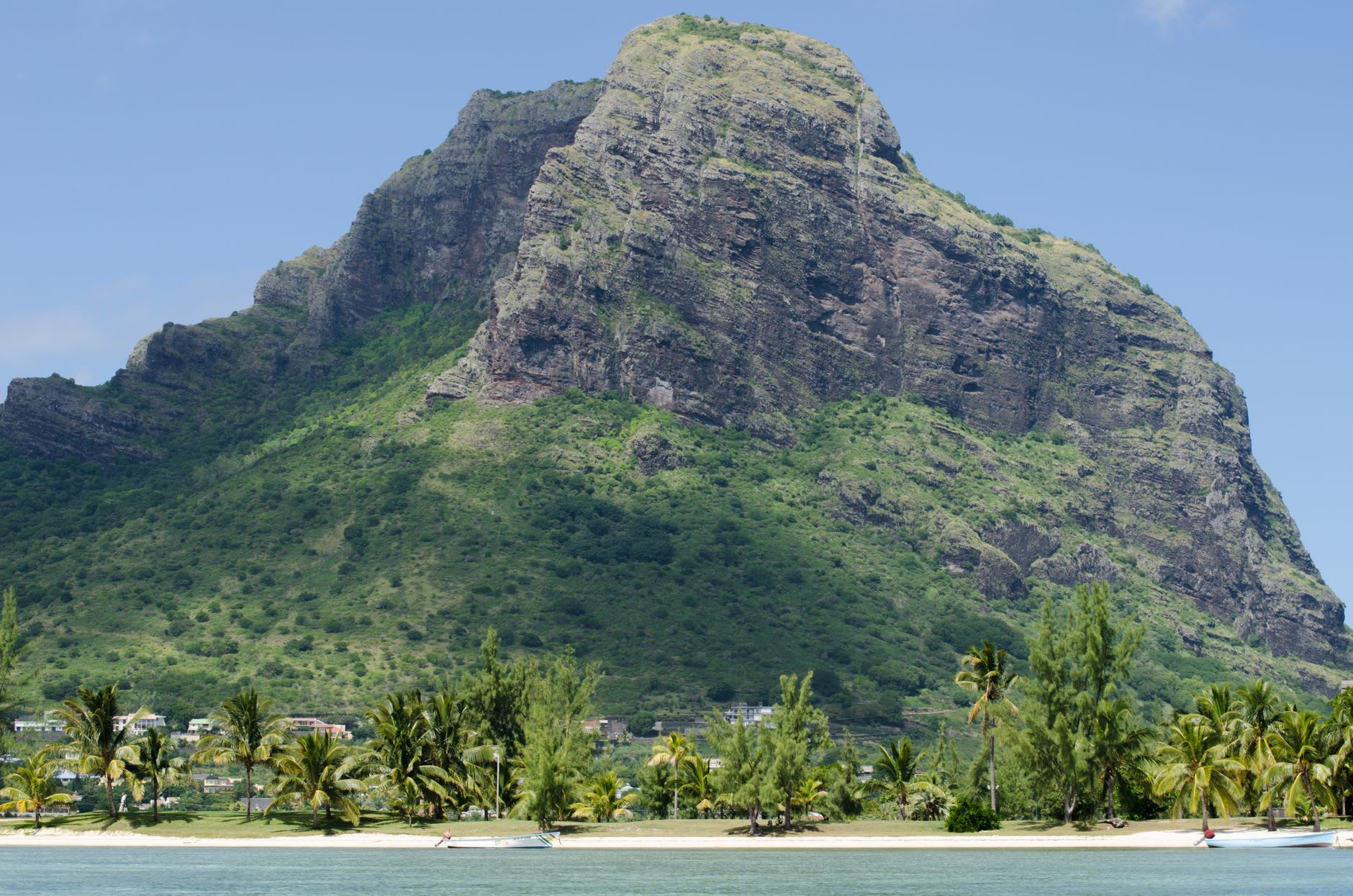
The Champ de Mars, the oldest racecourse in the southern hemisphere, sits at the city’s edge like a held breath. On race days — from May to November — the whole city seems to reorganise around it. Even on off days, walking its perimeter, past the old colonial stands and the volcanic mountains rising behind them, there is something solemn about the place. The Mauritians I met took horse racing seriously in a way that felt less like sport and more like civic ritual.

The Caudan Waterfront is where Port Louis goes when it wants to feel like somewhere else — boutiques, a casino, restaurants with laminated menus. It is fine in the way that all such places are fine: comfortable, predictable, and entirely disconnected from the city behind it. I ate there once, out of convenience, and left early. The street vendor outside the market, frying fresh chili fritters at seven in the morning, had already told me everything I needed to know about where Port Louis keeps its real self.
When to go: Port Louis is a year-round city, but the heat in January through March can make midday walking genuinely punishing. The coolest and most comfortable months are June through September, when temperatures drop to the low twenties. Race season at Champ de Mars runs May to November — if you can time a visit around a race day, do it.