Africa
Mauritius
"The Indian Ocean's best-kept secret is that it isn't a secret."
I landed in Mauritius expecting postcards — turquoise water, white sand, honeymooners with matching luggage. What I did not expect was the street market in Port Louis on a Tuesday morning, where a Tamil woman was frying gato pima (chili fritters) next to a Chinese vendor selling dim sum, while a Creole man behind them argued in French about cricket. That scene told me everything the beach photos had missed: Mauritius is not a resort island with a population attached. It is a genuinely complex, culturally layered place where the beaches are almost incidental.
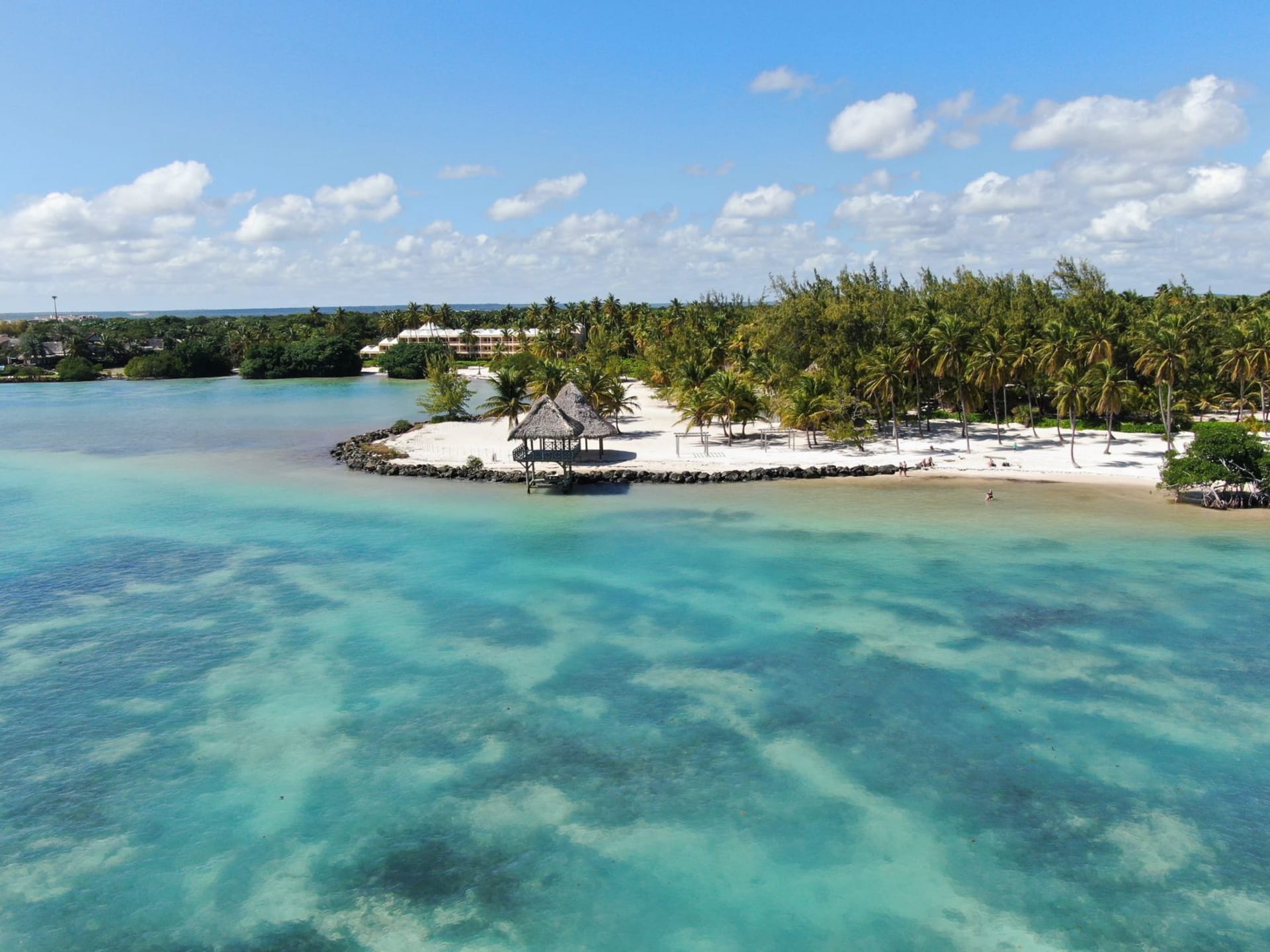
The lagoon is real, of course. The west coast around Flic en Flac and the south around Le Morne have the kind of still, warm, turquoise water that makes you understand why people book return flights before they have even left. Le Morne Brabant, a basalt monolith rising from the southwestern tip, is UNESCO-listed not just for its geology but for its history — enslaved people hid in its caves, and some jumped to their deaths rather than be recaptured when they mistook arriving emancipation officers for slave hunters. The mountain carries that weight silently, and I found myself standing at its base thinking about how places hold memory differently than people do.
The food is what I came to love most. Dholl puri — a soft flatbread made from ground split peas, served with a curry and chutneys on the side of the road from a metal trolley — is one of the best things I have eaten in years, and it costs almost nothing. Mine was eaten standing up at a roadside vendor outside Mahébourg, watching schoolchildren in uniform pass by. The briani at the Muslim restaurants in Port Louis, the rougaille de saucisses (Creole sausage in tomato sauce), the mine frite at Chinese lunch counters — all of it operates at a level that most tourist-facing restaurants cannot touch. Eat where locals eat, even when — especially when — it looks like a shack.
When to go: May to December is the dry season and the most comfortable time to visit. July and August bring cooler temperatures and some wind on the coast — ideal for kitesurfing, less ideal for lying still. January to March is cyclone season; not necessarily dangerous if you monitor forecasts, but humidity is punishing and the risk of disruption is real. October and November are a sweet spot: warm, dry, fewer tourists than high season.
What most guides get wrong: They sell Mauritius as a luxury honeymoon island with water sports, full stop. The result is visitors who stay inside resort compounds for a week and leave thinking they have seen the island. They have not. The interior — the volcanic plateau, the tea estates around Bois Chéri, the Hindu temples in Triolet, the sugarcane fields that cover half the island — is where Mauritius actually lives. The cultural mix here is unlike anything else in Africa or the Indian Ocean: descended from enslaved Africans, indentured Indian laborers, Chinese traders, French colonists, and British administrators, and somehow still genuinely cohesive. Rent a car. Drive inland. Eat from the street vendors. That is the real island.