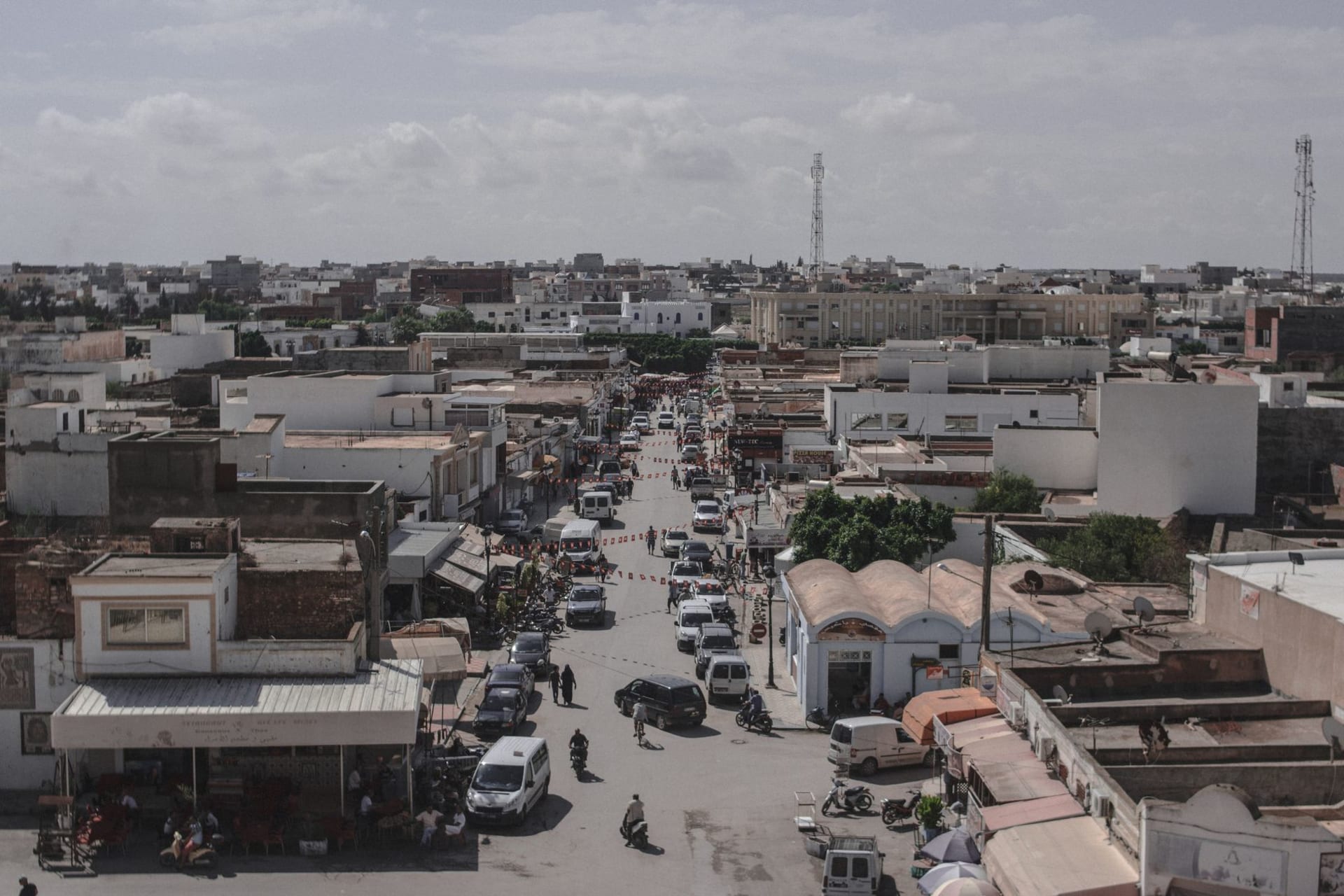
Nouadhibou
"There are graveyards for people and graveyards for ships, and both tell you something about what a civilization decided to stop caring about."
The thing about the ship graveyard at Nouadhibou is that photographs don’t prepare you for the scale. I had seen pictures — the rusting hulls tilted at improbable angles in the shallow bay, the exposed ribcages of fishing trawlers reduced to orange lattices of corroded steel — and assumed they were representative samples of a modest collection. They are not. The bay holds more than three hundred vessels in various states of decomposition, ranging from small fishing boats to deep-sea trawlers of considerable size, and they stretch in both directions along the shoreline farther than I could see from any single vantage point. It is one of the world’s most extraordinary accidental landscapes, and I spent most of a morning walking the shoreline trying to take in a scene that kept revealing more of itself.
The ships arrived here over decades. Some were abandoned by foreign fishing fleets that had exhausted their licenses or their budgets. Some ran aground during storms and were never salvaged. Some were deliberately scuttled in waters where they could be neither monitored nor recovered. The result is a vast industrial cemetery that is also, in a certain light and at low tide, genuinely beautiful: the rust creates colors — terracotta, burnt orange, the deep mahogany of oxidized iron — that look almost deliberately chosen against the grey-green Atlantic water.
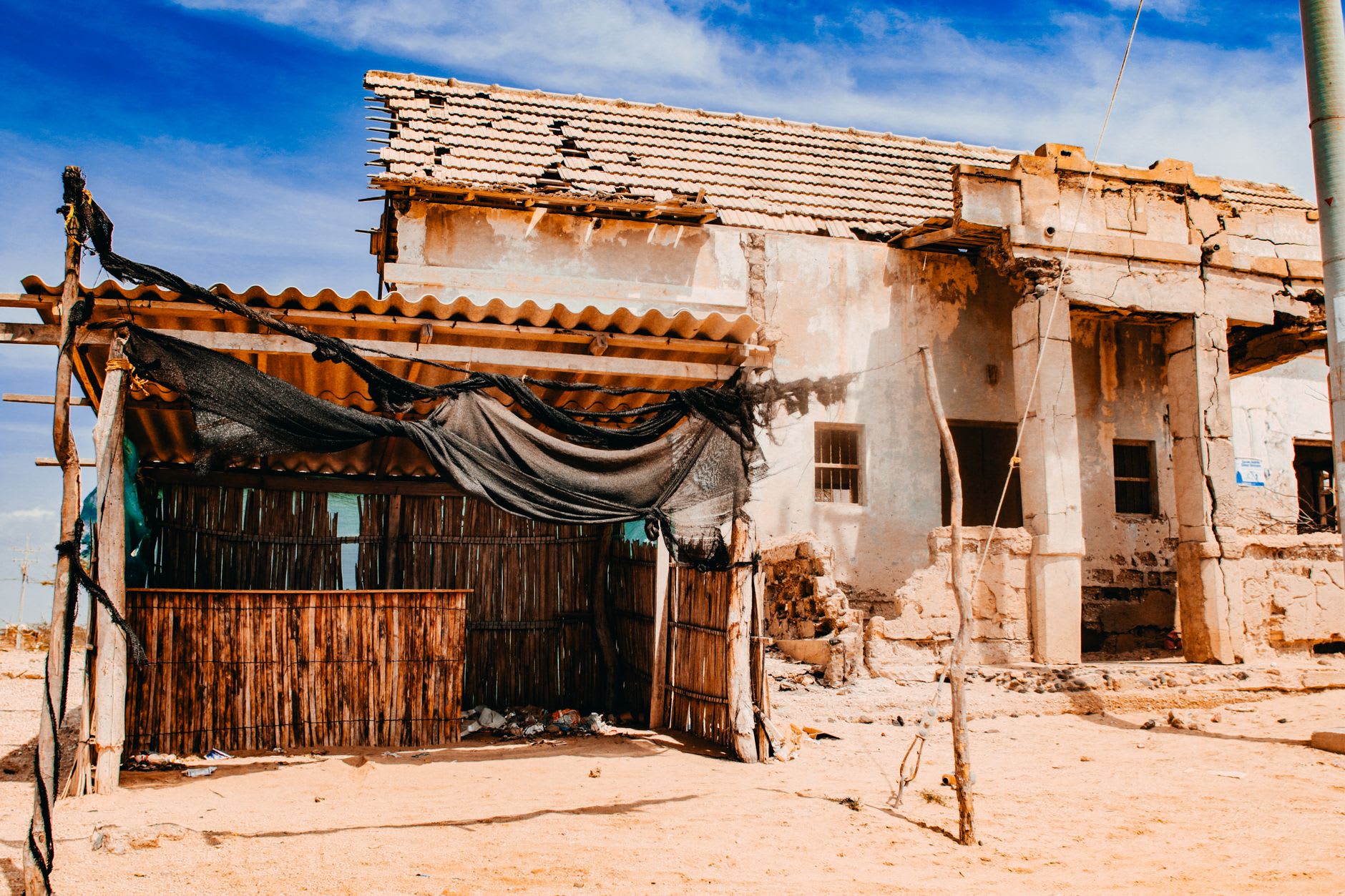
Nouadhibou itself is Mauritania’s second city and its main economic engine: an enormous fishing port that processes Atlantic catches for export to Europe and Asia, a free-trade zone designed to attract West African commerce, and the terminus of the Iron Ore Railway — one of the longest trains in the world, which hauls iron ore from the mines at Zouerate across five hundred kilometers of desert. The iron ore train is not a tourist train, but foreigners are sometimes permitted to ride in the open ore cars as passengers, which is either one of the great adventures available to the traveler in West Africa or an extremely long, extremely dusty way to experience iron ore being transported across a desert, depending on your disposition.
The fishing harbor is where I spent my second day. The scale of the operation is staggering: enormous processing plants line the waterfront, refrigerated trucks wait in queues, and the catch arrives in quantities that make even the Nouakchott fish market look modest. The smell of fish and diesel and cold salt air is almost architectural — you feel it before you see the harbor. Workers from sub-Saharan Africa and South Asia move alongside Mauritanian fishermen in a labor economy that the global appetite for fish has created, and the whole vast machine of extraction operates with a brutal efficiency that I found both impressive and troubling.

I ate the best octopus of my trip at a small restaurant near the port — grilled simply with cumin and lemon, served with rice and a cold Mauritanian soft drink that tasted vaguely of tamarind. The restaurant had four tables and no sign and was operated by a man who had fished for fifteen years before opening it. He was very proud of the octopus, which he had caught himself two nights earlier, and when I told him it was exceptional he looked both pleased and unsurprised, the expression of someone who had known all along.
When to go: Nouadhibou is accessible year-round, and its coastal location moderates temperatures compared to the interior — summers are hot but rarely unbearable, winters are mild and pleasant. The ship graveyard is best visited at low tide in the morning when the light catches the rust at its most photographic. Access to the train requires advance arrangement through local operators.