Sainte-Anne
"We came for one afternoon at the beach and stayed three days because nobody wanted to be the one to say we should leave."
A fishing village at Martinique's southern tip where white sand, rum-scented Sunday markets, and sailboats bound for Sainte-Lucie meet.
We rolled into Sainte-Anne in the late afternoon, when the light goes soft and gold over the water, and I remember Lia leaning out the car window saying it smelled like salt and grilled fish before we’d even parked. It’s a small place, really just a cluster of streets around a square, but it sits at the very southern tip of Martinique, and you can feel that edge-of-the-island quality the moment you arrive. The village was founded back in the 17th century, named for a chapel the earliest settlers built here, and that history is still legible in the unhurried rhythm of the place — fishermen mending nets in the shade, old men playing dominoes outside the bakery, nobody in any particular hurry to be anywhere else.
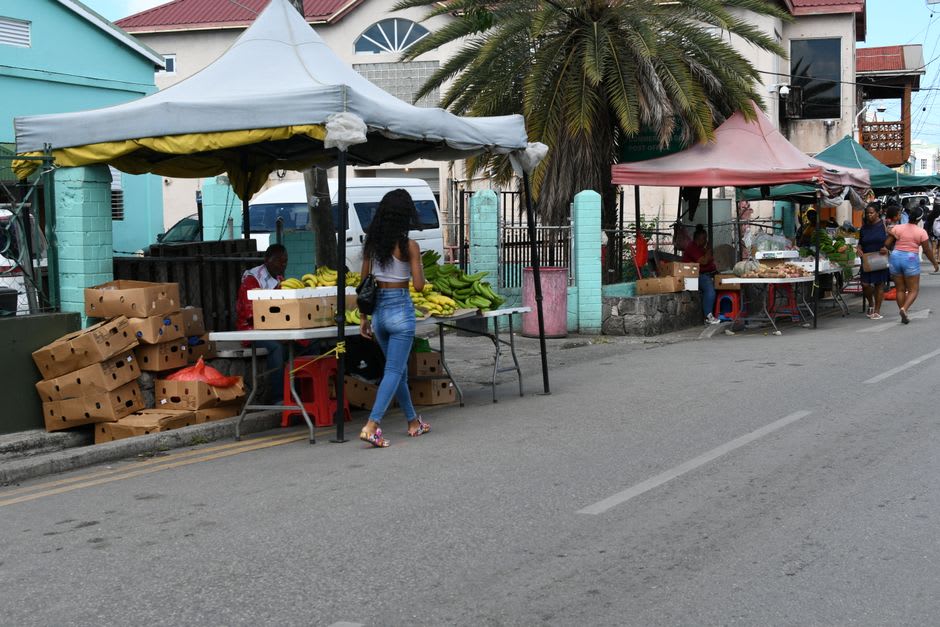
We ended up back at the square on Sunday morning almost by accident, following the smell of coffee and the sound of a radio playing zouk, and found ourselves in the middle of the market that gathers around the Église Sainte-Anne. The church itself is a lovely 19th-century Creole building, simple white walls and a bell tower that catches the morning sun, and the market spilling out around it was full of things I hadn’t planned on buying — a jar of local honey, a bottle of rum I still haven’t opened because it feels like it deserves a proper occasion, bundles of chives and Scotch bonnet peppers from a woman who insisted I smell everything before I paid.
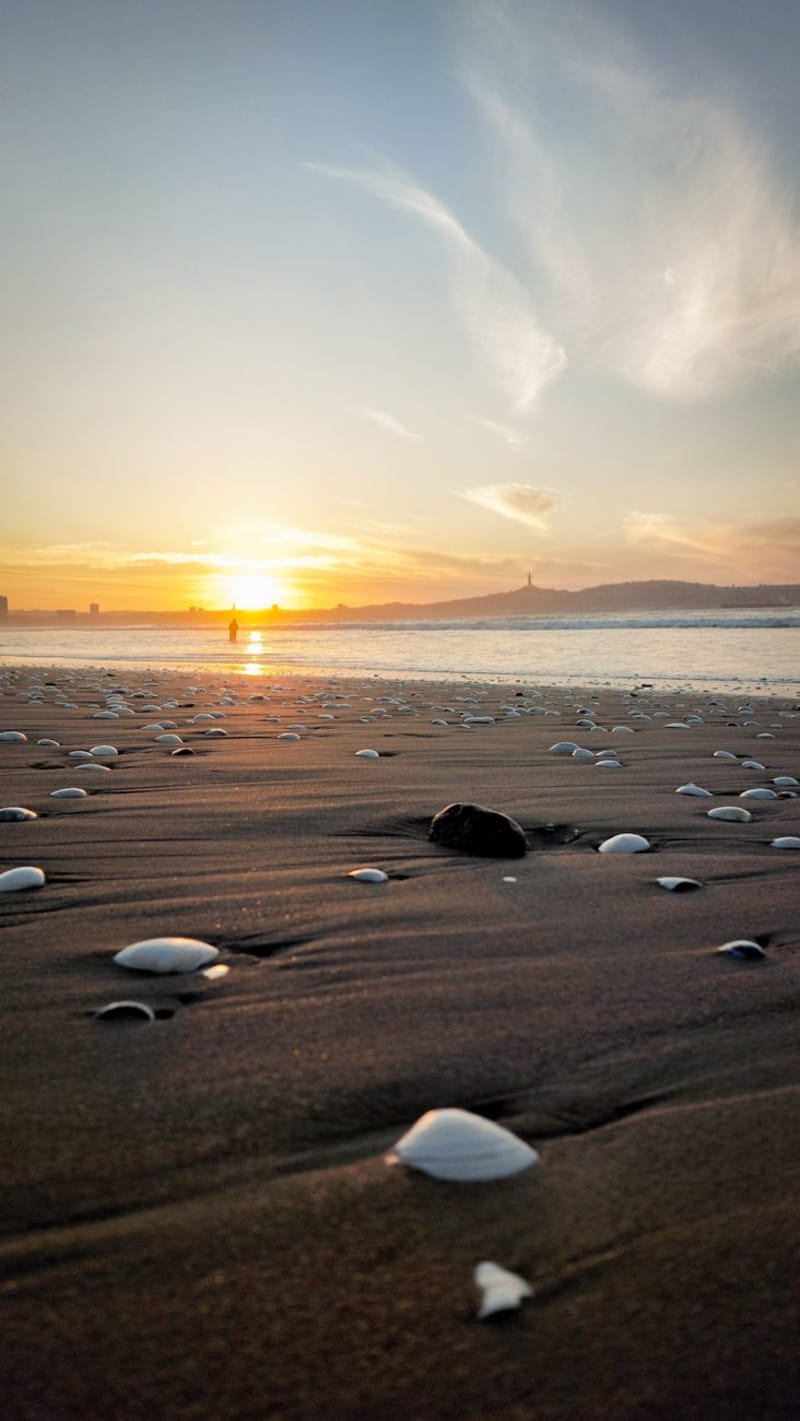
But the real reason people come, and the reason we kept extending our stay, is Grande Anse des Salines, the long stretch of white sand just south of the village. It sits inside a protected coastal reserve run by the Conservatoire du littoral, and you can tell — the palms lean the way they’re supposed to lean, there’s no concrete anywhere near the shoreline, and the water goes through about six shades of blue before it gets deep. Lia swam out past the buoys one morning while I stayed on the sand with a coconut some guy had just machete’d open for me, and I watched a few sailboats drift past on their way toward Diamond Rock, which sits just offshore like something out of a postcard nobody believes is real until they’ve seen it.
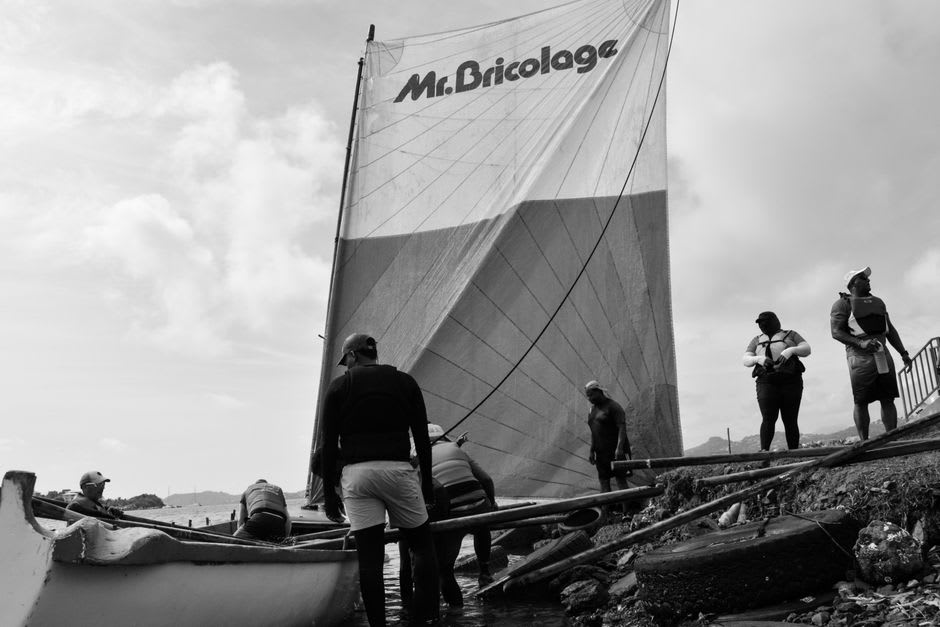
By our last evening we’d fallen into a routine — coffee at the square, a swim at Salines, rum at sunset watching the boats that run down to Sainte-Lucie load up for the crossing. Sainte-Anne isn’t a place with a long list of things to do, and that’s exactly what made it hard to leave.
When to go: aim for December through April, the dry season known locally as Carême — the seas are calmer, the sun is more reliable, and the beach at Salines earns every bit of its reputation.
Keep exploring
More from Martinique
 martinique
 The South & Beaches
White sand, Créole lolos, and the Caribbean side of Martinique — warmer, calmer, and built for long lunches by the sea.
Explore martinique
 Les Trois-Îlets
A slow village across the bay from the capital where Joséphine Bonaparte was born and where Martinique's unhurried side quietly persists.
Explore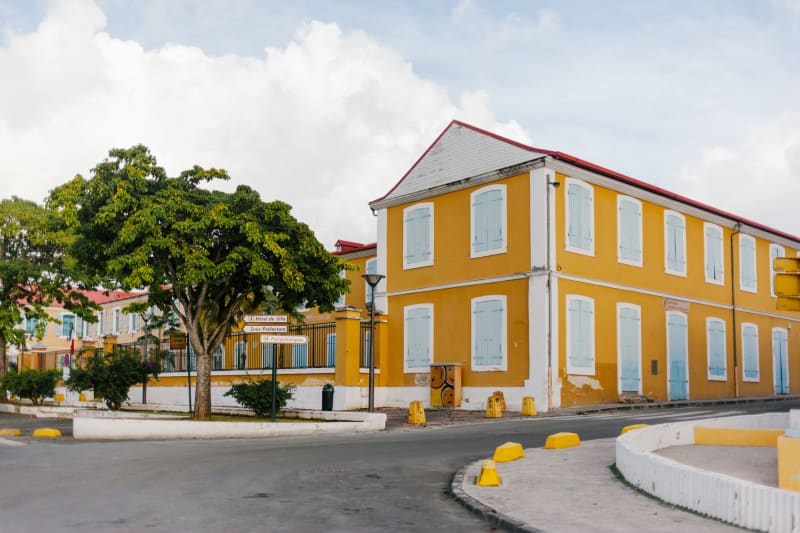 martinique
 Anses d'Arlet
A fishing village so photogenic it could feel like a set, except the boats are working boats, the priest is a real priest, and the sea turtles grazing offshore didn't get the memo about being picturesque.
Explore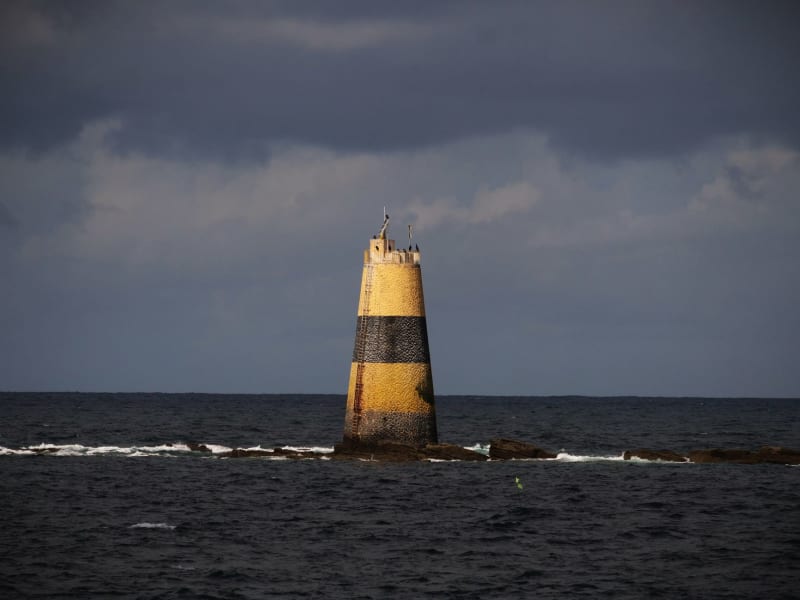 martinique
 Presqu'île de la Caravelle
A wild Atlantic peninsula where plantation ruins crumble into mangroves and the trade winds hit hard enough to remind you the Caribbean has teeth.
Explore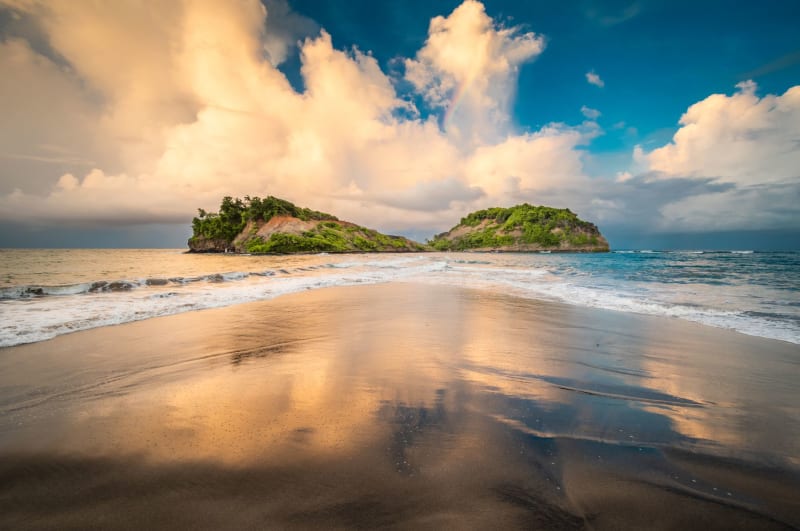 martinique
 Le Diamant
A long southern beach anchored by an offshore volcanic rock that the British once commissioned as a warship and that still dominates everything it overlooks.
Explore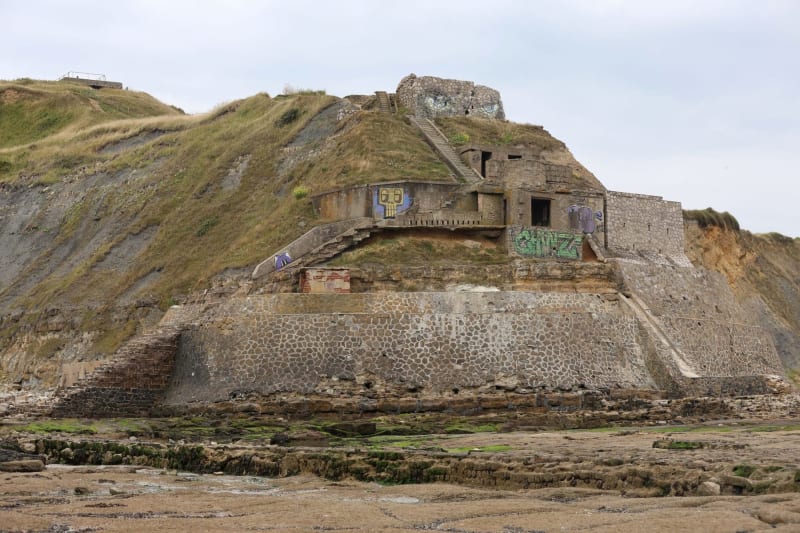 martinique
 Fort-de-France
Martinique's capital crackles with Creole energy — the Savane park, market stalls, and Fort Saint-Louis above the bay.
Explore