Namu Atoll
"Every economy on this atoll runs through the coconut, and every conversation eventually does too."
A copra atoll in the center of the Ralik chain where the working rhythm of the day is set by whichever tree is dropping nuts.
Namu sits roughly in the middle of the Ralik chain, west of Majuro, and unlike some of the more storied atolls it doesn’t come with a dramatic backstory — no war ruins, no nuclear history, no famous weavers written up in academic papers. What it has instead is copra, plainly and thoroughly, and I mean that as a genuine point of interest rather than a shrug. Copra — dried coconut flesh, pressed for oil — remains one of the only reliable cash incomes for outer island households in the Marshalls, and Namu produces a lot of it. I arrived on a supply ship that was there mainly to load sacks of it, and spent my first afternoon just watching the operation: husking, splitting, laying halves out to dry on wooden racks under a sun that does most of the actual work.
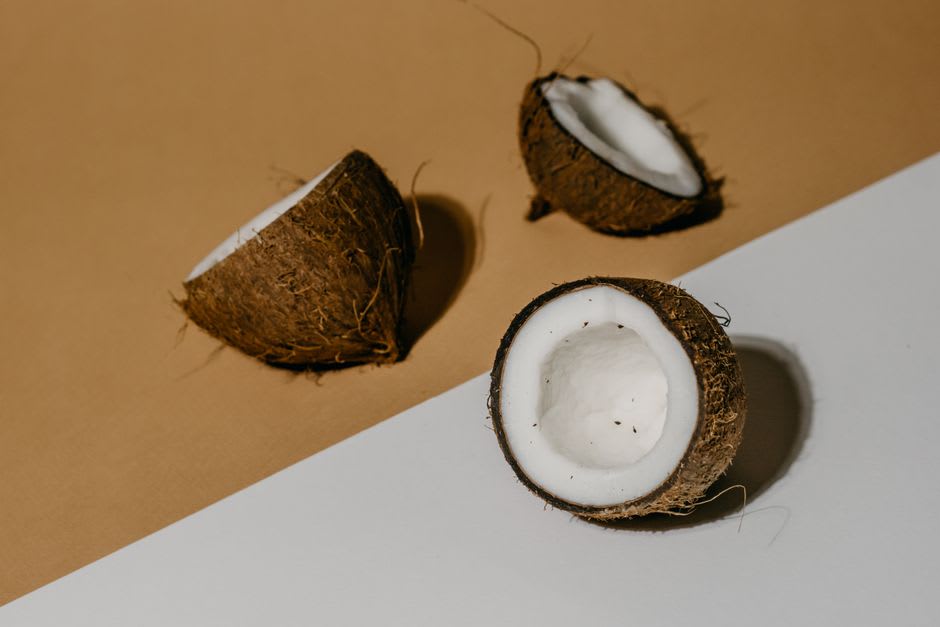
A man named Lomjeik, who ran the largest household copra operation on the main islet, let me help for a morning, mostly so he could laugh at how slowly I husked a coconut compared to his ten-year-old daughter, who did it in about a third of the time without seeming to try. He explained the economics with more precision than I expected — the price per pound paid by the co-op ship, how it had crept up slightly over a decade but not nearly enough to keep pace with the cost of fuel and rice shipped in, the calculation every family on the atoll runs constantly about whether to keep working land or send the next kid to Majuro for school and wage work instead. It’s not a romantic story. It’s an honest one, told without self-pity, and I came away understanding the outer islands’ economics far better than I had from any guidebook.
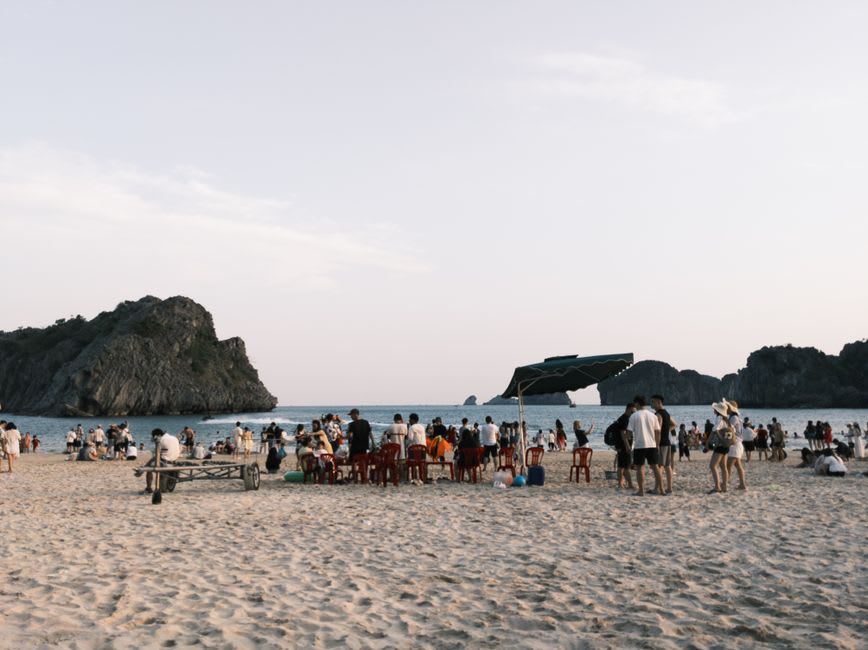
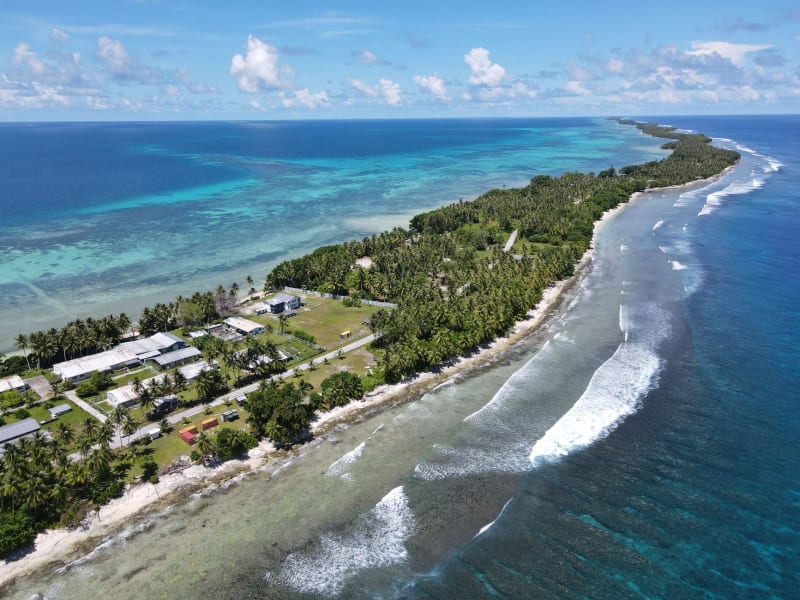
Away from the copra sheds, Namu’s lagoon is enormous and largely empty of other boats, with islets you can walk end to end in twenty minutes and reef edges that drop into blue water dense with fish. In the evening, families gather on the beach in front of their houses, not for any occasion, just because the heat has broken and there’s nothing better to do than sit facing the water while the kids run around, and I was folded into that a few times without ever quite being asked, which is its own kind of welcome.
When to go: Namu is reached by occasional Air Marshall Islands flights or supply ships from Majuro; December through April brings the calmest seas for either. There’s no formal tourism infrastructure, so arrange a homestay through a local contact or the Visitors Authority before you arrive.
Keep exploring
More from Marshall Islands
 marshall-islands
 Rongelap Atoll
The atoll downwind of Bikini's Castle Bravo test — still partially uninhabited, still beautiful, still carrying a nuclear half-life in its soil.
Explore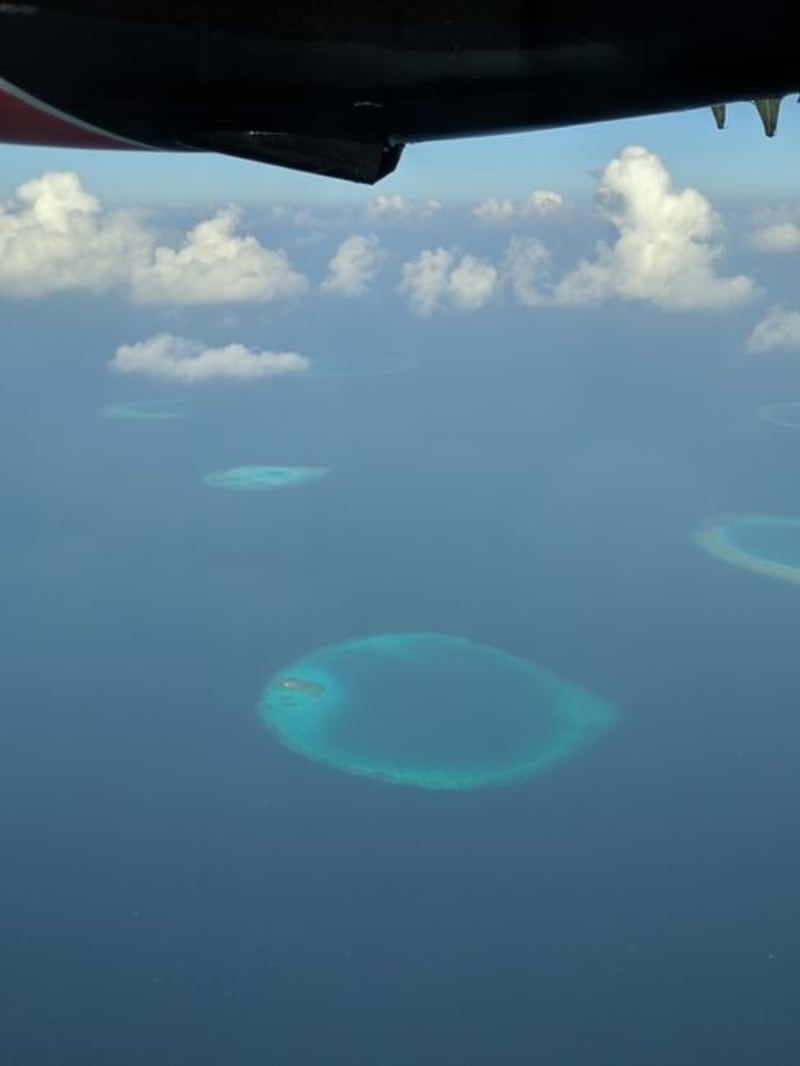 marshall-islands
 Ujae Atoll
One of the smallest inhabited atolls in the Ralik chain, where the entire population could fit in a single Majuro classroom.
Explore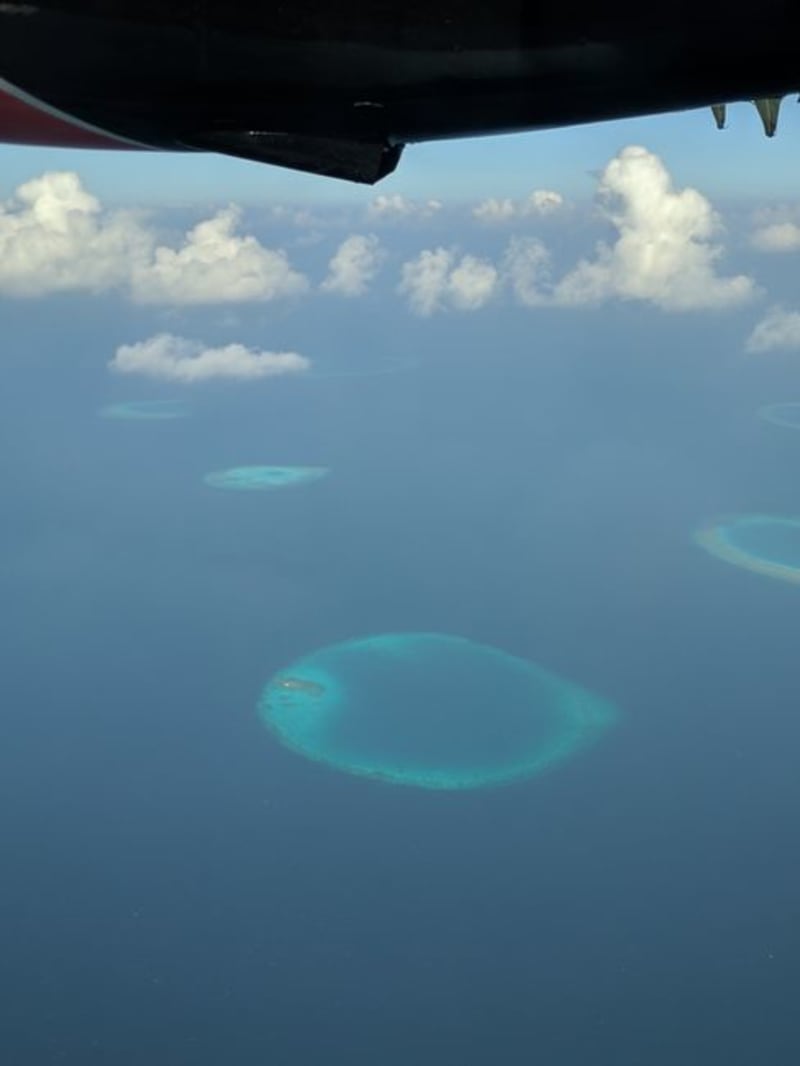 marshall-islands
 Utrik Atoll
The fallout from Castle Bravo drifted here in 1954, and the people who came home still live with what that meant, decades on.
Explore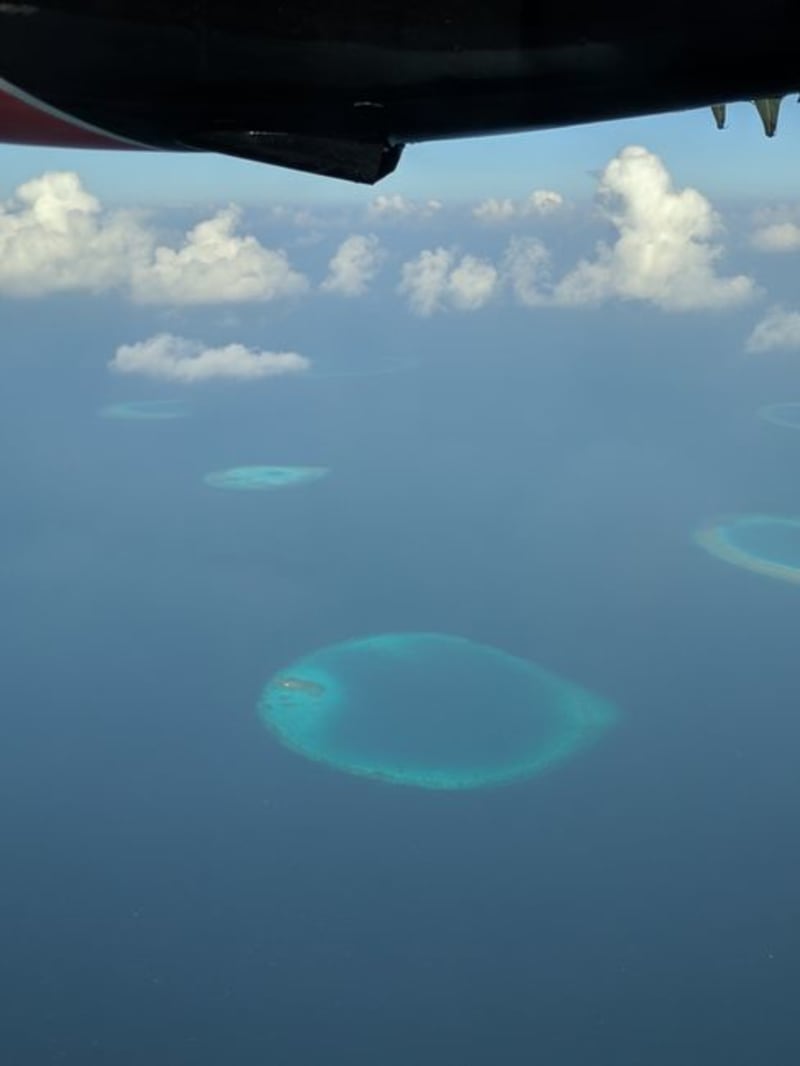 marshall-islands
 Wotho Atoll
A near-enclosed lagoon so still it barely registers a chop, guarded by a single deep-water pass that the whole atoll's fishing calendar revolves around.
Explore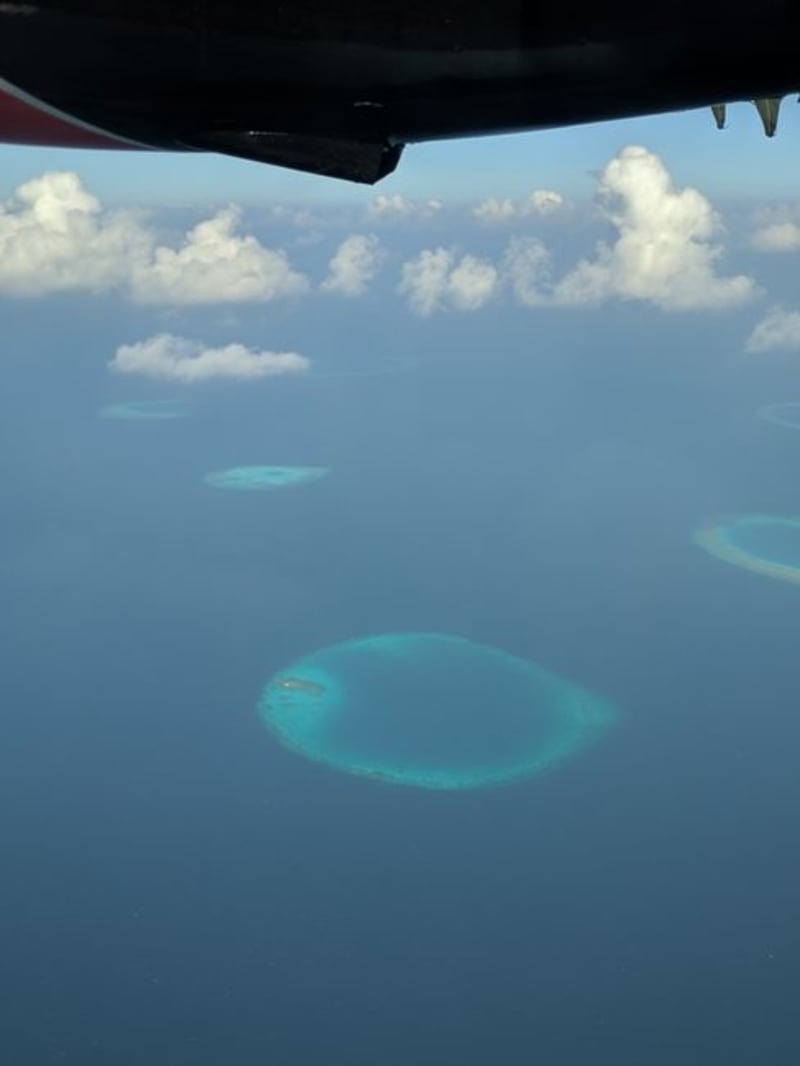 marshall-islands
 Wotje Atoll
Rusting Japanese gun emplacements sinking into coconut groves the locals half-jokingly call the 'Hawaii of the Marshalls.'
Explore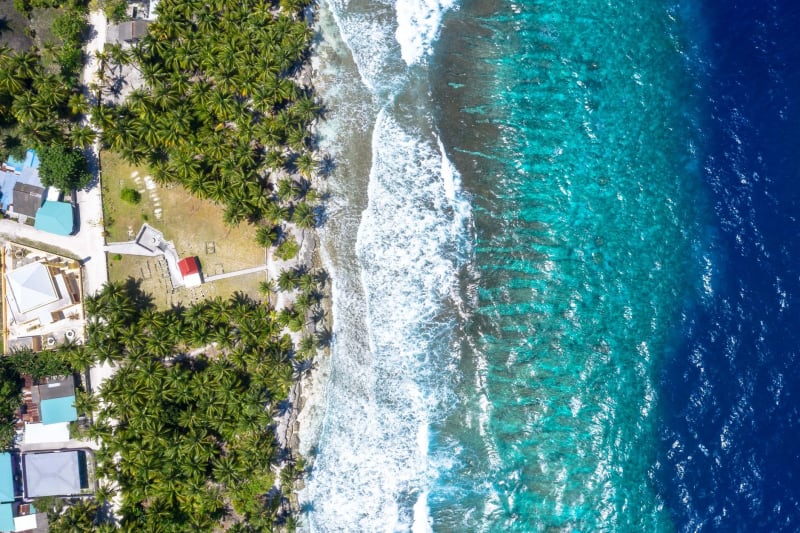 marshall-islands
 Ailinglaplap Atoll
The traditional heartland of Marshallese navigational culture, where stick charts and outrigger canoes are still the primary technologies of knowing the ocean.
Explore