Namorik Atoll
"The whole country is coral and sand except here, where somehow, against the odds, there's actual dirt."
A single-islet atoll in the far south where the soil, unusually deep for the Marshalls, grows a taro nobody else in the country can quite match.
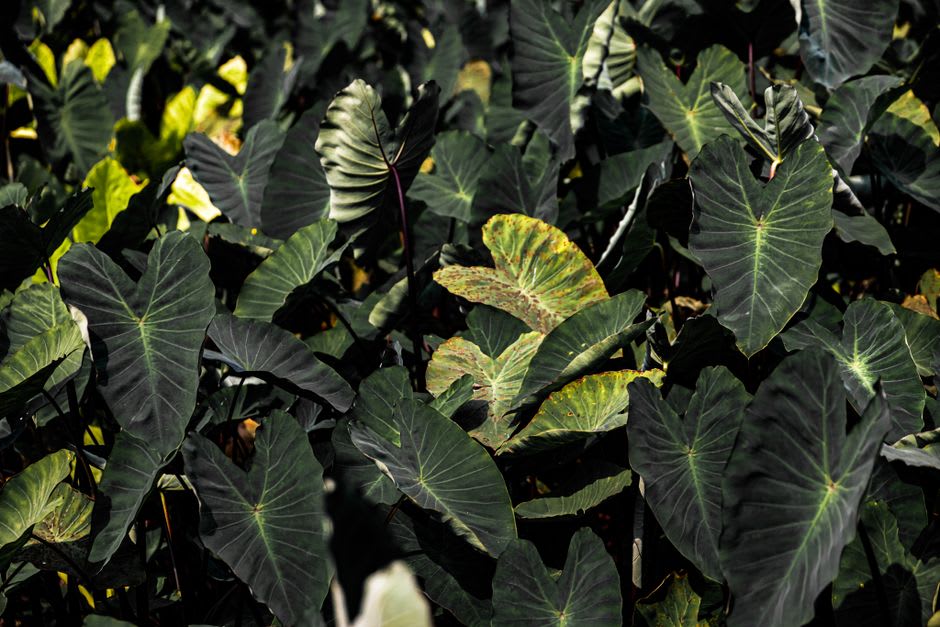
Namorik is unusual among Marshallese atolls in that its main islet is essentially one continuous strip of land rather than a scatter of separate islets around a lagoon, and its soil is noticeably deeper and richer than what I saw almost anywhere else in the country. That geological quirk has a direct cultural consequence: Namorik grows taro, a crop that struggles on the thin, salty coral soil typical of the outer islands, and the people here talk about their taro pits with a specificity and pride that I only otherwise heard from people discussing fish. A farmer named Tarelang walked me through his family’s pit garden, dug down to reach a fresher water lens beneath the surface, the taro leaves huge and glossy in a way that looked almost tropical-rainforest rather than atoll.
Namorik’s other quiet claim is copra and its role, decades back, as a place of exile — the atoll has historically been somewhere chiefs sent people out of favor, and a few families I met still traced their presence there to an ancestor banished a few generations ago, told with more amusement than resentment at this point. The population today is a few hundred people who fish, farm taro and breadfruit, and produce copra, running a rhythm of life that felt unusually self-contained even by outer-island standards — less dependent on the twice-monthly field-trip ship than atolls with poorer soil, because Namorik can actually grow a meaningful amount of its own food.
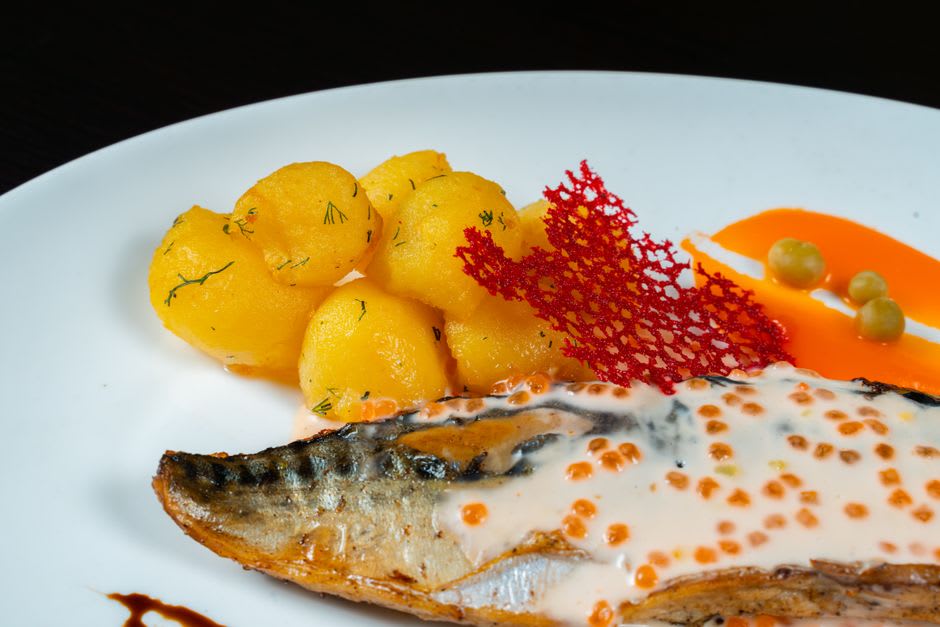
I spent an evening eating taro pounded and mixed with coconut cream, served alongside grilled reef fish, at the home of Tarelang’s sister, sitting on a woven mat on the floor while her kids ran laps around the yard chasing a half-deflated soccer ball in the last light before dark. It was, without any competition, the best meal I had in the outer islands — simple, but made from ingredients that had never left the atoll and never needed to.
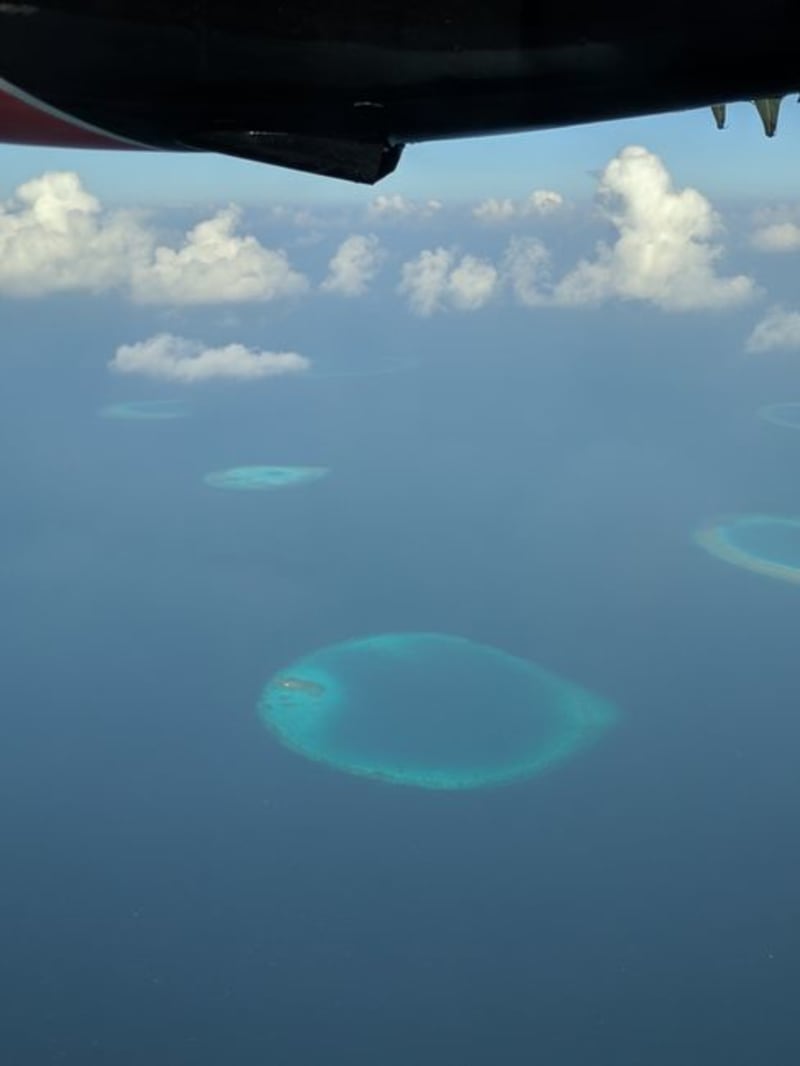
When to go: Namorik is reached by infrequent Air Marshall Islands flights or supply ships from Majuro, best booked through the Visitors Authority with flexible dates. Visit during the December–April dry season, and if you’re offered taro, say yes — it’s genuinely better here than anywhere else in the country.
Keep exploring
More from Marshall Islands
 marshall-islands
 Namu Atoll
A copra atoll in the center of the Ralik chain where the working rhythm of the day is set by whichever tree is dropping nuts.
Explore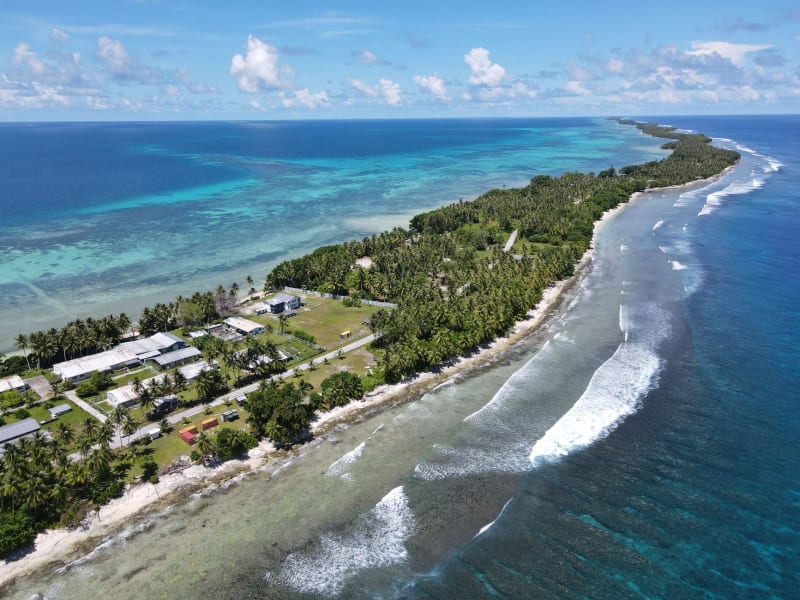 marshall-islands
 Rongelap Atoll
The atoll downwind of Bikini's Castle Bravo test — still partially uninhabited, still beautiful, still carrying a nuclear half-life in its soil.
Explore marshall-islands
 Ujae Atoll
One of the smallest inhabited atolls in the Ralik chain, where the entire population could fit in a single Majuro classroom.
Explore marshall-islands
 Utrik Atoll
The fallout from Castle Bravo drifted here in 1954, and the people who came home still live with what that meant, decades on.
Explore marshall-islands
 Wotho Atoll
A near-enclosed lagoon so still it barely registers a chop, guarded by a single deep-water pass that the whole atoll's fishing calendar revolves around.
Explore marshall-islands
 Wotje Atoll
Rusting Japanese gun emplacements sinking into coconut groves the locals half-jokingly call the 'Hawaii of the Marshalls.'
Explore