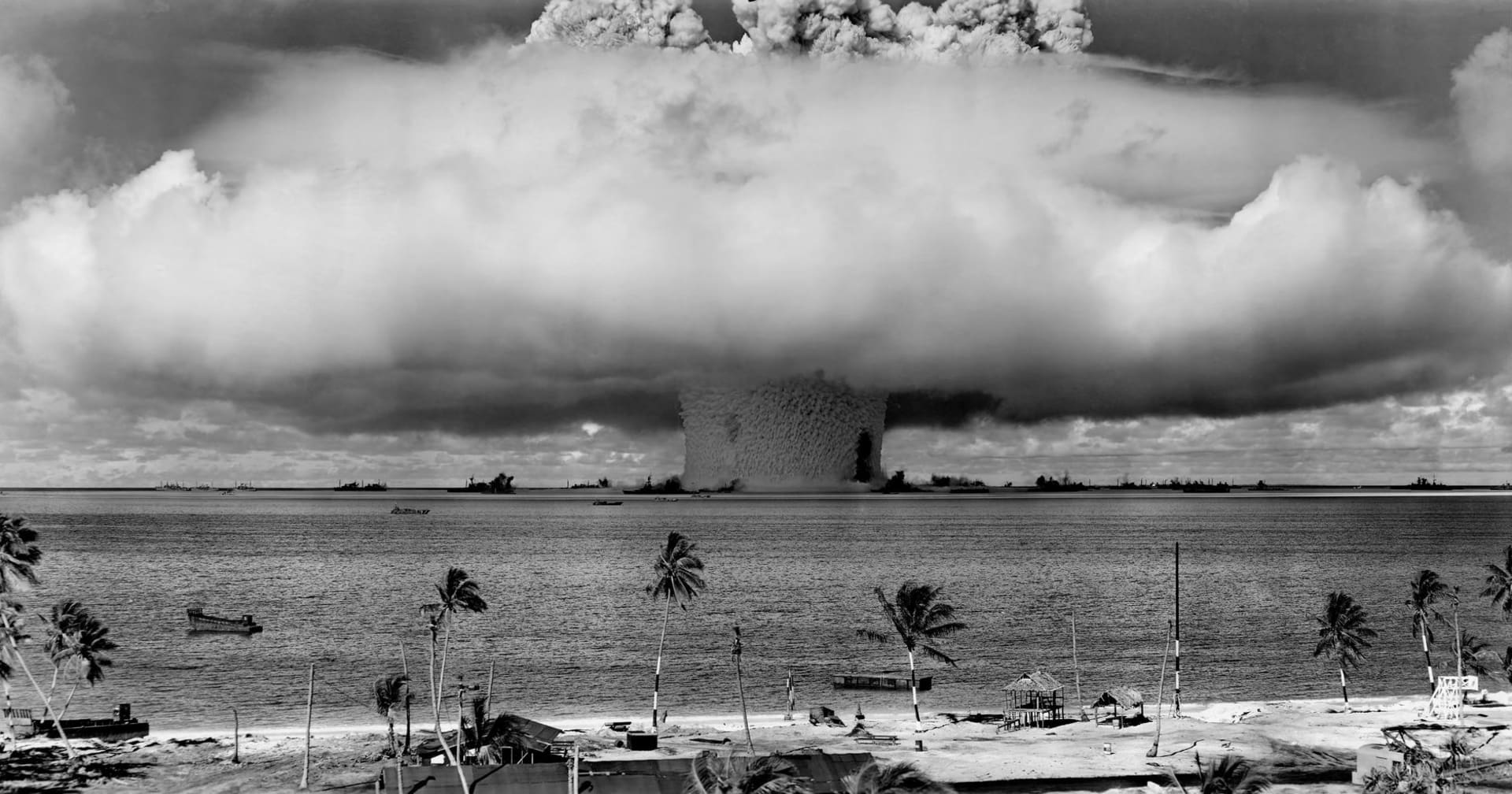
Maloelap Atoll
"The jungle here has been eating a war for eighty years and is nowhere near finished."
Taroa Island, in the northeastern corner of Maloelap Atoll, is one of those places that rewards persistence in getting there. The inter-island flight from Majuro lands on an airstrip that the Japanese military paved in 1941 for the same strategic reasons they paved most Pacific airstrips that year — control of the vast empty ocean in every direction. The strip is still serviceable. On the morning I arrived, a goat was grazing at the far end, and the pilot had to buzz low once before landing to persuade it to move.
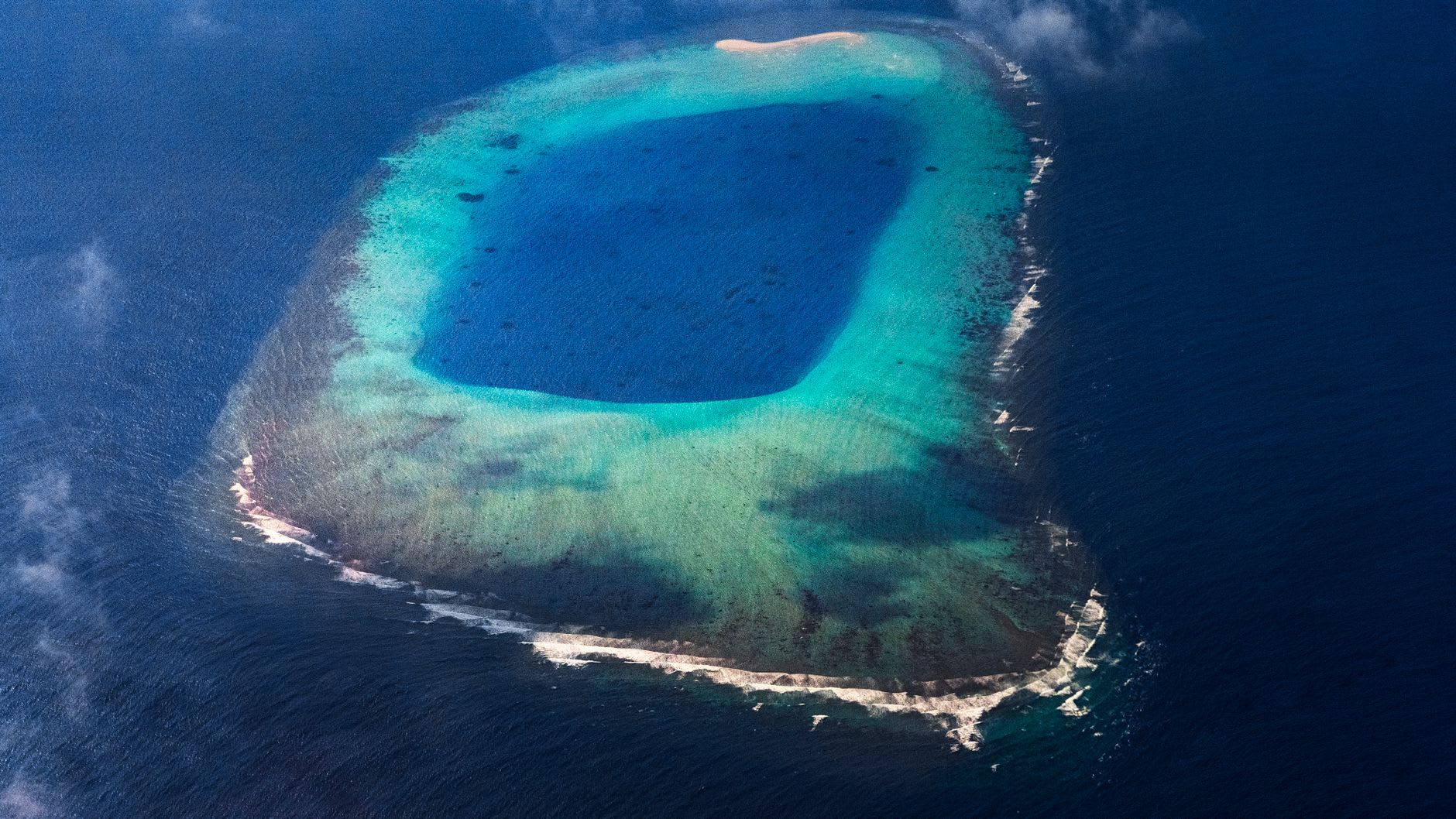
The Japanese developed Taroa into a major airbase beginning in 1941, part of their attempt to establish a defensive perimeter across the central Pacific. By early 1944 it held aircraft, ammunition depots, fuel storage, barracks, and a garrison of several thousand men. The Americans began systematic air attacks in late 1943, and as with Mili and Jaluit, ultimately chose to neutralize the base through bombardment and supply interdiction rather than invasion. The result is that the infrastructure, though damaged, was never cleared. Eighty years later it remains: Zero fighters in the undergrowth with the cockpit glass still intact in places, a torpedo still sitting on its storage rack in a collapsed shed, concrete gun emplacements pointing at a threat that never came from that direction. I spent most of two days exploring with a local man named Benson who knew the locations of sites that aren’t on any map — including an underground command bunker whose interior walls bore Japanese kanji I couldn’t read but photographed anyway.
Maloelap has about 900 residents across several communities on the atoll’s 71 islets, and they have adapted to the WWII detritus as part of the landscape with a naturalness I find both logical and quietly affecting. Corrugated metal from demolished Japanese structures has become roofing material. Concrete from bunker demolition has become foundation material. A water cistern built by the Japanese military now serves the community. Nothing is wasted in an island economy.
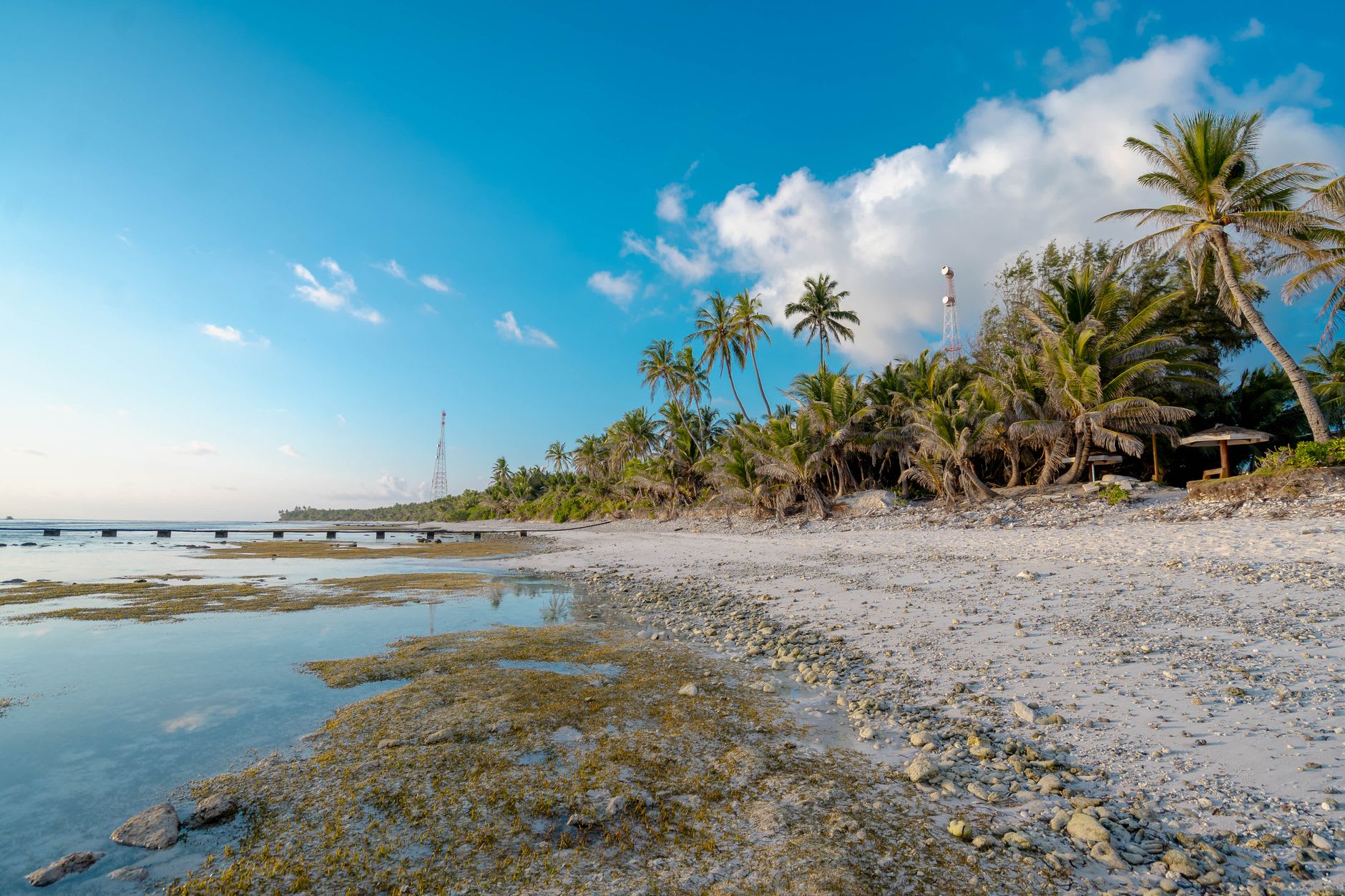
The lagoon at Maloelap is magnificent and almost entirely untroubled by outside attention. On the outer reef facing the ocean, a dive over a wall that drops from eight meters to beyond the limits of recreational diving puts you in the company of grey reef sharks, midnight snapper in enormous schools, and occasional hammerheads working the deep water beyond the shelf. Visibility on the days I dove was 25 to 30 meters. I counted eleven shark species in the briefing notes I made afterward, then doubted myself and revised to eight. Either number is extraordinary for two days of diving. The reef itself is dense with life in the way that only very rarely visited reefs tend to be.
When to go: Maloelap is served by scheduled inter-island air service from Majuro, though frequency is limited and schedules change. December through March is the recommended window for weather and visibility. Accommodation is arranged through the community — there are no commercial facilities. Allow extra days at either end; cancellations due to weather or mechanical issues are part of the experience.