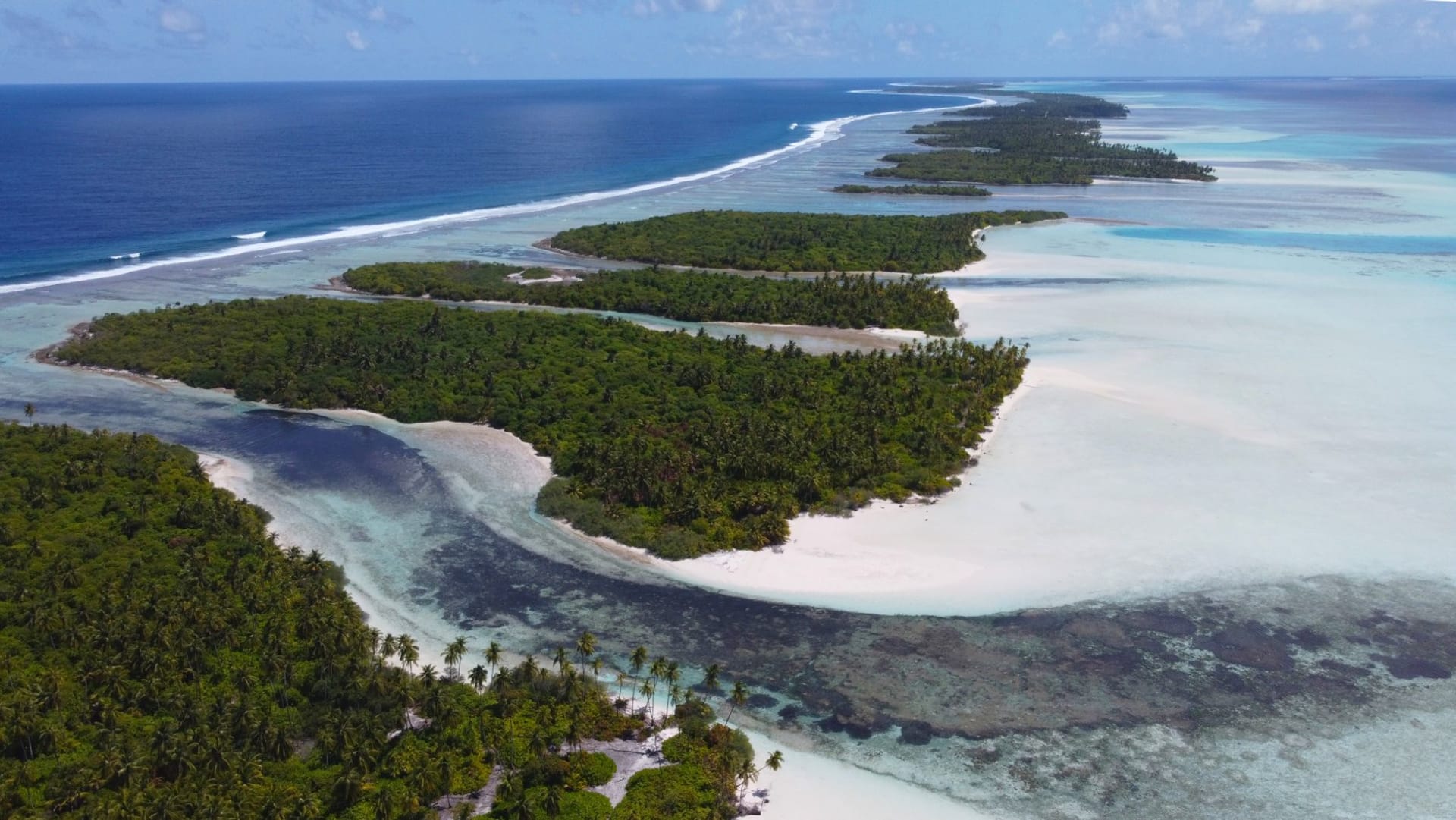
Kwajalein Atoll
"The lagoon is 2,000 square kilometers of paradise. What gets done in it is another story entirely."
The first thing you learn about Kwajalein Atoll is the scale of its lagoon — 2,174 square kilometers, larger than Rhode Island, bounded by a ring of islets so low they barely register against the horizon. You grasp this scale from the air, on the approach from Majuro, when the pilot traces the outer reef for what feels like long minutes before turning in over the lagoon passage, the water below shifting from deep blue to that greenish-gold shallowness that Marshallese lagoons do better than anywhere. It looks like the most peaceful place on earth. Then you remember why most people can’t land here.
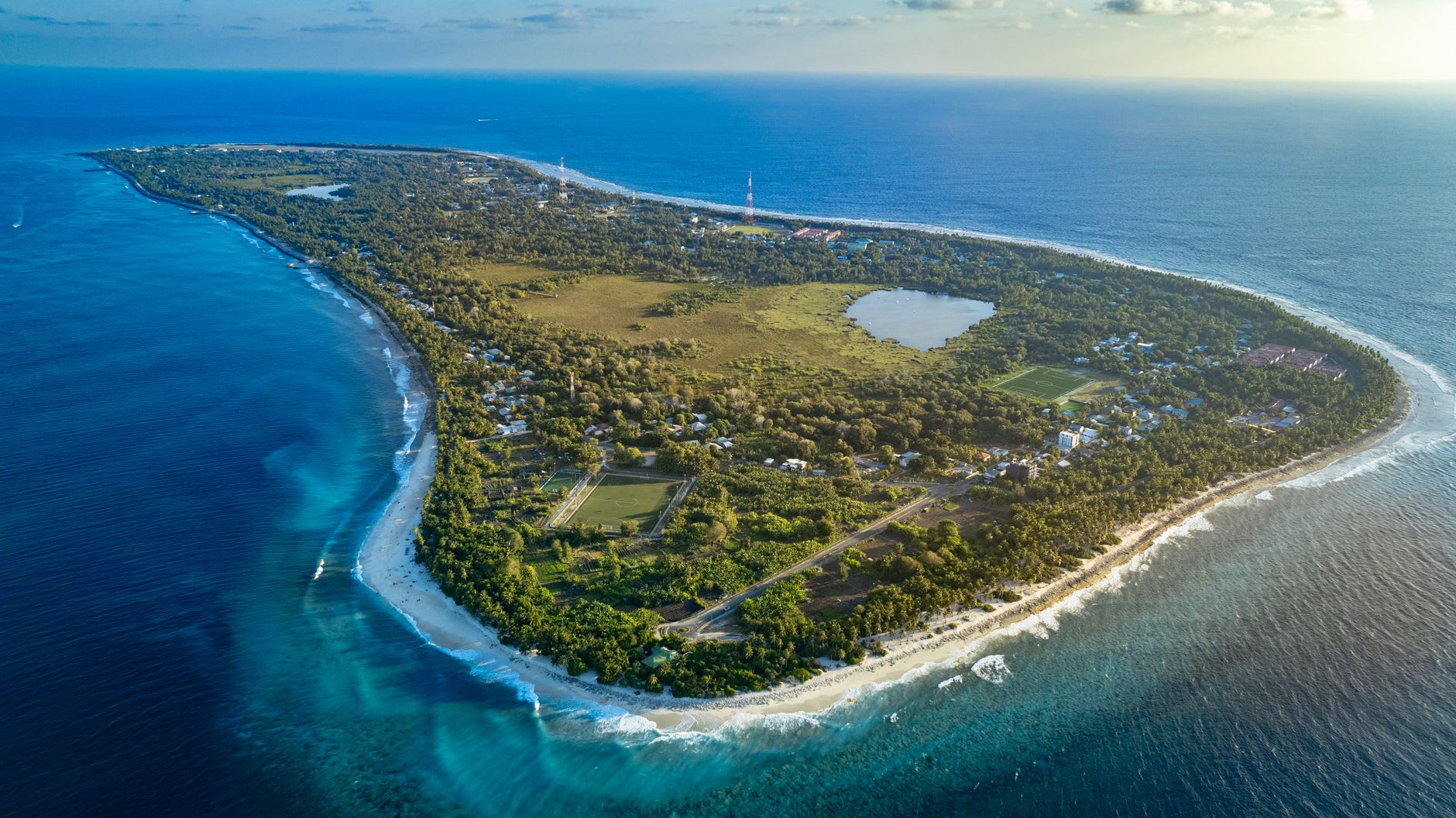
Kwajalein Island, the main island at the atoll’s southern tip, is home to the Ronald Reagan Ballistic Missile Defense Test Site — an American military installation that has operated here since the Japanese fortifications were cleared in 1944 during Operation Flintlock, one of the Pacific War’s most strategically significant battles. In February of that year, roughly 8,000 Japanese defenders were killed in fewer than four days of fighting. The island’s current population of around 1,200 American military and contractor personnel live in conditions that would be comfortable in suburban Virginia: maintained roads, a golf course, a bowling alley, fast food outlets, and some of the most impressive radar and tracking equipment on the planet, pointed at the sky to catch intercontinental ballistic missiles launched from California during test exercises. The lagoon is used as a splashdown zone.
Accessing Kwajalein Island as a civilian requires military clearance and specific invitation. What most visitors actually experience is Ebeye, the crowded Marshallese settlement on a nearby islet, or the outer islands of the atoll, which include some of the most pristine and unvisited reefs in the Pacific. I spent time on Roi-Namur, the atoll’s northern twin islands, which the military also controls but occasionally allows day visits to. The WWII Japanese fortifications there are extraordinary — intact bunkers, a coral airstrip still mostly visible, the rusted hulks of construction equipment that was abandoned mid-task when the bombing started and never moved again.
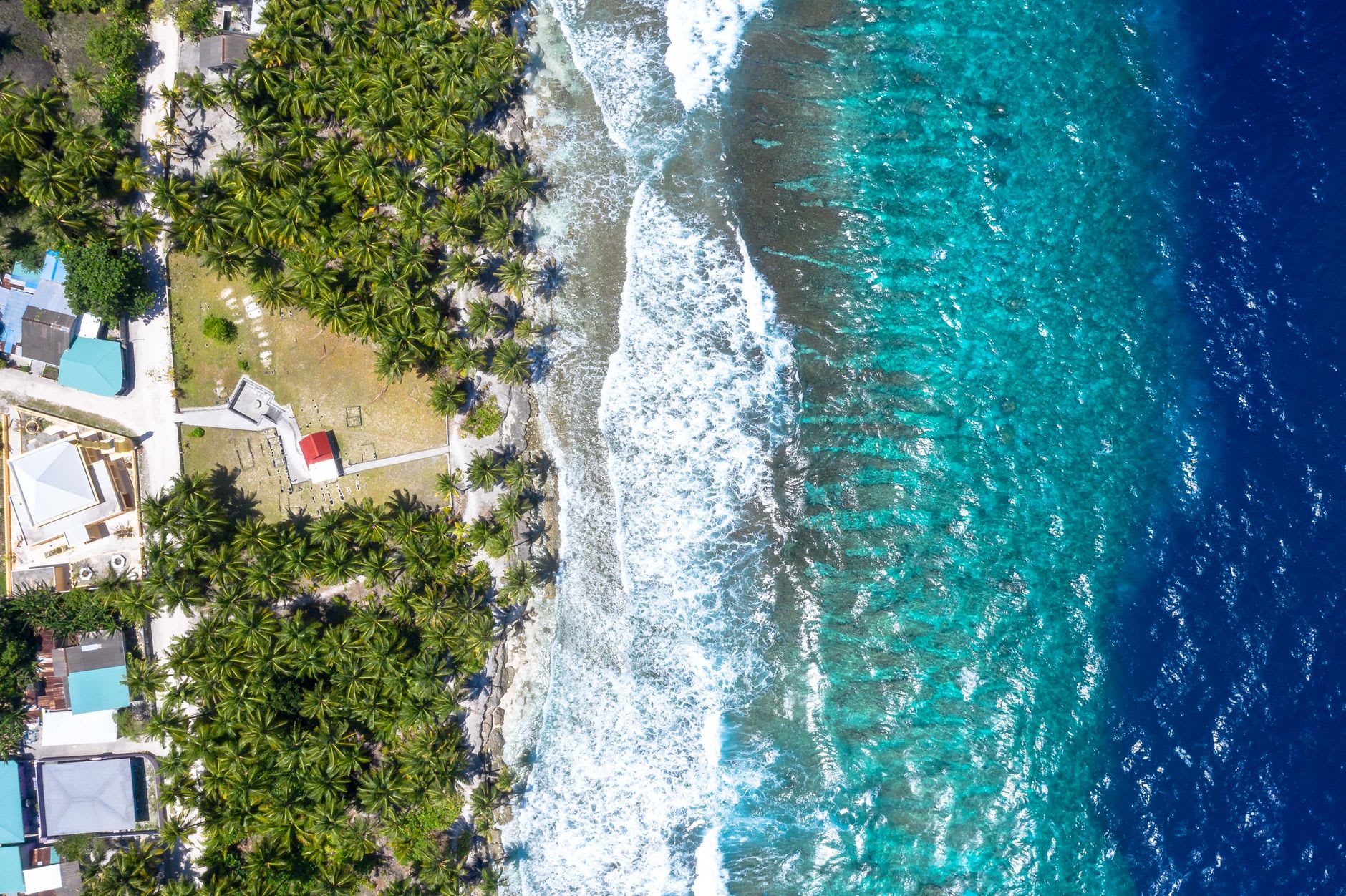
The outer reef dives accessible from Ebeye are among the best-kept secrets in Pacific diving. A local operator runs day trips to reef walls along the atoll’s ocean edge where the coral is in exceptional condition and the pelagic traffic is heavy — hammerhead sharks, eagle rays, schools of grey reef sharks that orbit the reef passes in tight formations. The atoll’s geography concentrates nutrients in the passes, which creates a chain of marine productivity that benefits everything from the coral up. I did three dives over two days and saw more large marine life than I had on any other Marshall Islands dive. What the atoll lacks in tourist infrastructure, the reef compensates for completely.
When to go: Access to Kwajalein Atoll requires advance coordination. Ebeye is accessible by flight from Majuro. December through March offers the best diving conditions. Anyone planning dives on the outer reefs should contact dive operators on Ebeye well in advance, as scheduling depends on weather, available boats, and the military’s lagoon test calendar.