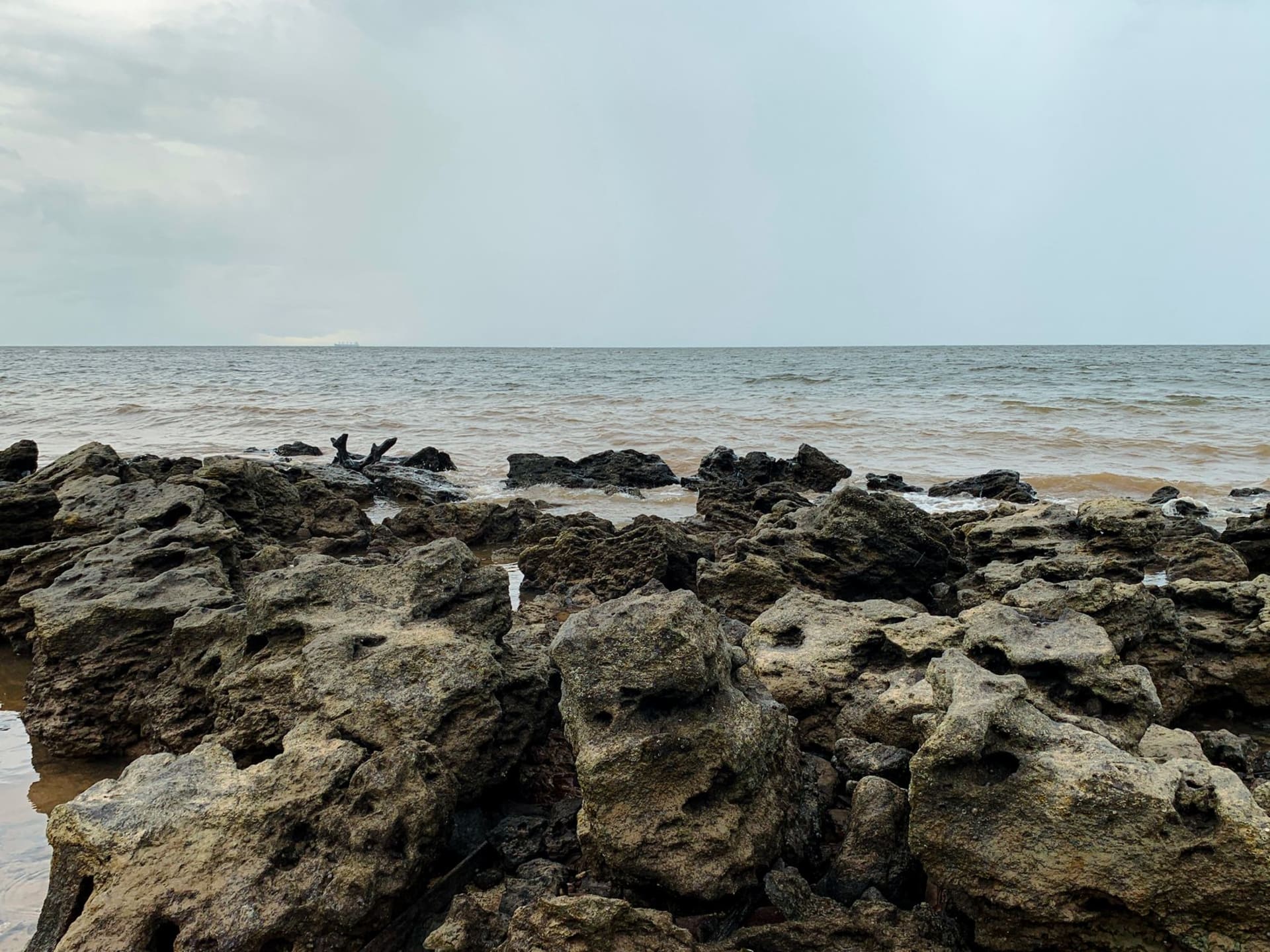
Ponta de Pedras
"The whole town smelled of açaí and diesel, and somehow that combination is the smell of the river now, to me."
The Town the Boats Built
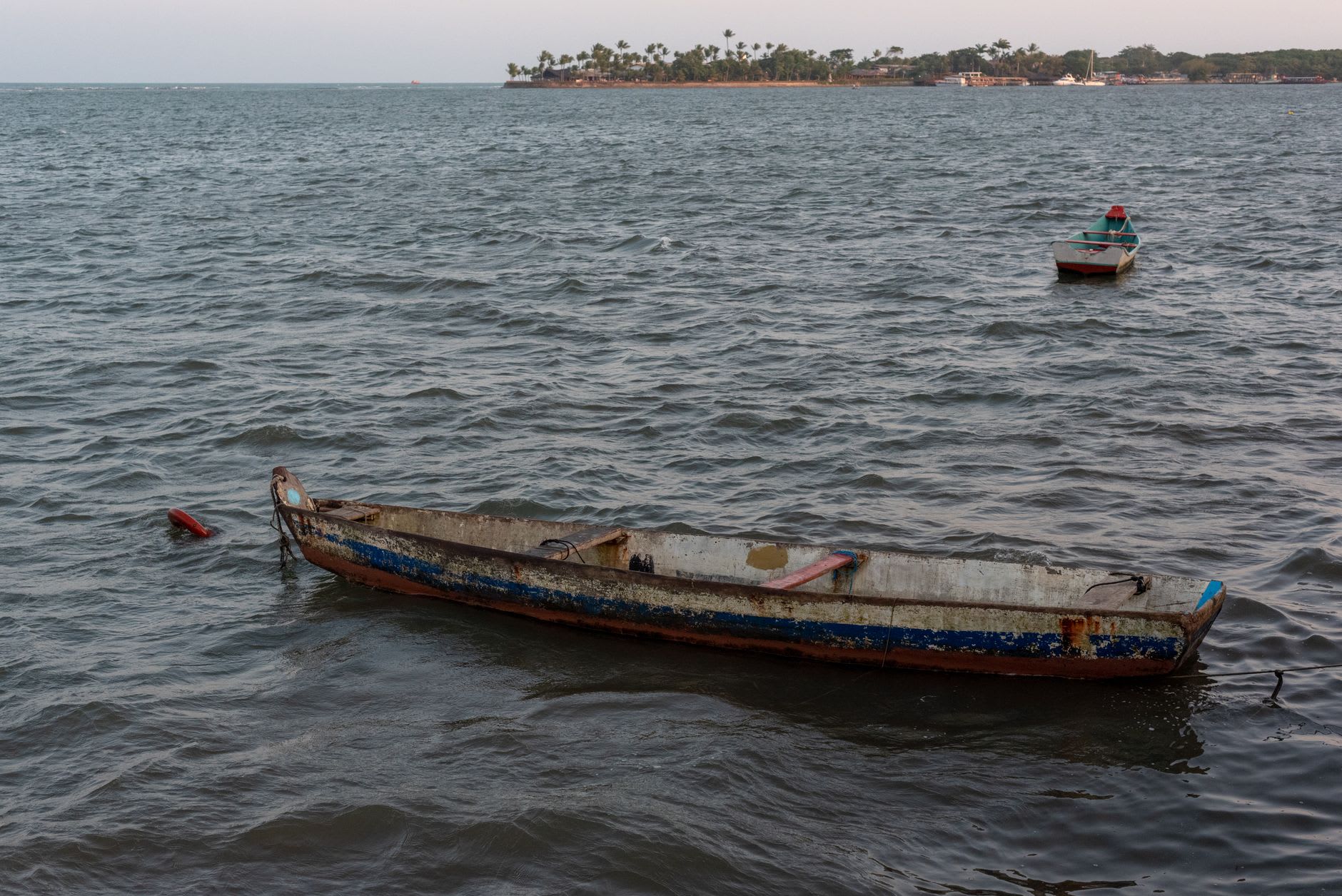
Ponta de Pedras sits on the southern edge of Marajó, facing the wide brown channel that separates the island from Belém, and it is the first or last stop for anyone crossing by the regular passenger boats. I came in on one of those — wooden, two-decked, hammocks strung wall to wall on the upper level — and arrived at a waterfront that was all motion: men unloading sacks, a fish market doing brisk business, the diesel cough of boats coming and going. This is not a place that performs for visitors. It is a place that works, and lets you watch.
The town is small and easily covered on foot in a morning. There is a tidy church on the main square, a handful of bars where men play dominoes and drink very cold beer against the heat, and a waterfront that becomes the social centre of everything as the sun drops. I sat there one evening with a beer sweating in my hand, watching the channel turn from brown to gold to gunmetal, and a fisherman next to me explained, unprompted, the entire economics of the açaí trade. I understood maybe half. It was a good half.
Açaí at the Source
Ponta de Pedras is one of the great açaí towns of the Amazon estuary, and being here at harvest changes how you think about the stuff forever. Forget the frozen purple sorbet of the gym café. Here, men climb the slender palms at first light with a loop of fibre around their ankles, cut down the heavy fruit clusters, and the berries are processed and drunk the same day — thick, almost savoury, often eaten with fish and farinha rather than sugar. I had a bowl at a counter near the dock, the local way, salted and unsweetened, scooped up with my fingers and dried manioc flour. It was nothing like what I expected and far better.
The boats that fill the waterfront are largely there for this trade, ferrying açaí to Belém where it commands real money. Watching the rhythm of it — the climbers, the sorters, the loaders, the boats slipping out on the tide — you understand that this scruffy little town is a hinge in a supply chain that ends in smoothie bowls on the other side of the world.
Slow Crossing, Slow Stay
Most travellers blow through Ponta de Pedras on their way to Soure or Salvaterra, and I understand the logic. But I would argue for a night here. The accommodation is simple, the food is honest, and the evening on the waterfront is worth more than another beach. Come in the drier months, July to November, when the boats run reliably and the roads onward are passable. Bring patience for the river’s timetable, which is the tide’s, not yours.