Chaves
"The boat schedule exists in theory. In practice it exists when the boat exists."
The Far West of Marajó
If Soure is Marajó’s front door, Chaves is the room nobody goes into. It sits on the western side of the island, facing the Marajó Bay, accessible only by river from Breves or by long boat crossings from other island municipalities. There are no paved roads connecting it to the rest of Marajó — the island’s interior wetlands make overland routes impossible for most of the year. Chaves is, by any reasonable definition, a frontier town.
I came here because I’d spent a week on the more accessible eastern side and a local fisherman in Santa Cruz looked genuinely puzzled when I said I wasn’t planning to go to Chaves. “But that’s the real island,” he said. I took the boat the next day. It left six hours late. When I arrived, I understood what he meant.
Arrival by River
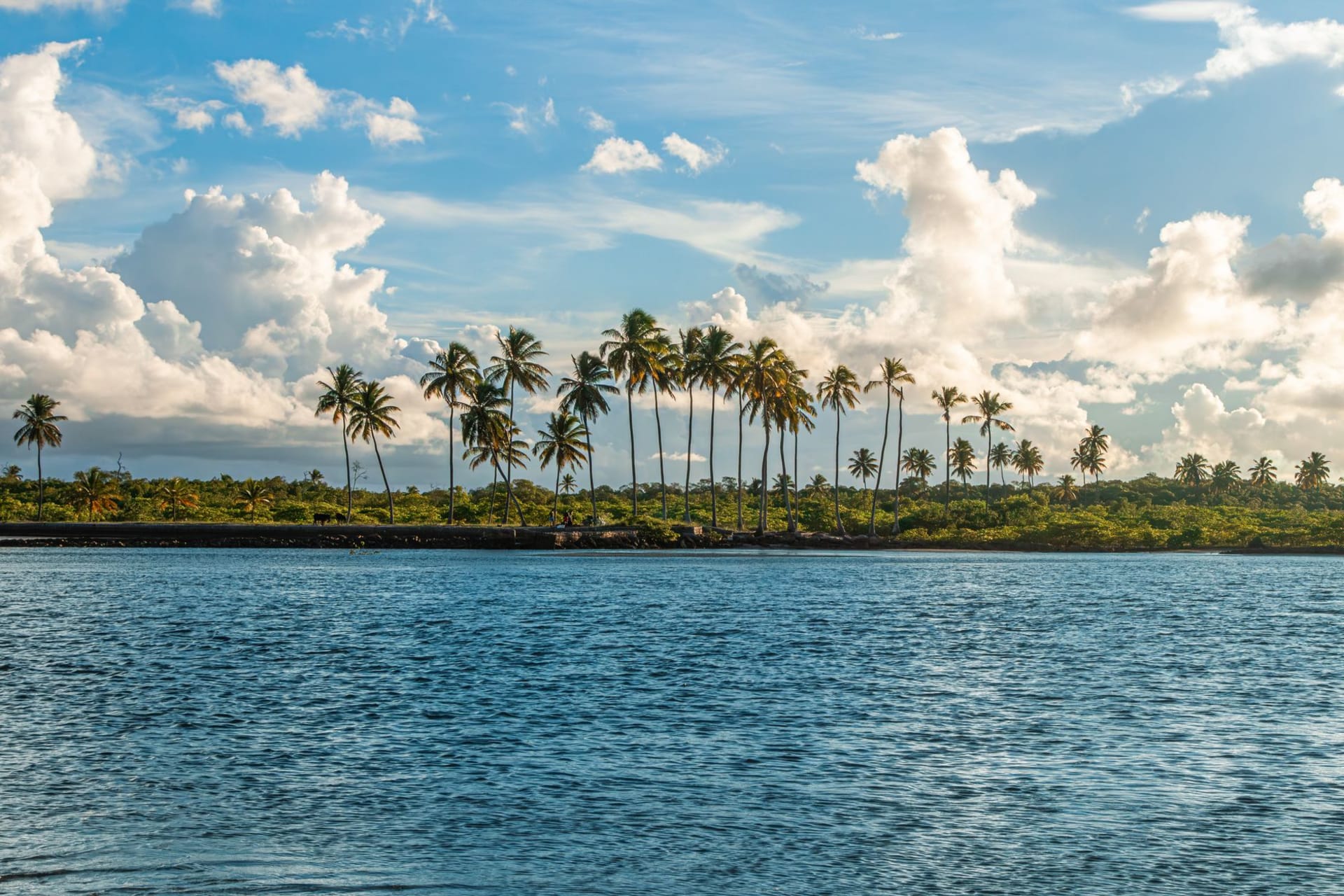
The approach to Chaves by boat gives you Marajó at its most elemental: flat water, endless floodplain, the occasional cluster of stilt houses, herons on every available branch. The town appears gradually from the river — a church tower, a water tank, the rooflines of maybe a thousand houses arranged along the bank. Nothing about it suggests the 21st century has arrived definitively. This is not a complaint.
The dock is a floating affair of planks and oil drums. Someone will offer to carry your bag to the nearest pousada. Accept.
Piranha Fishing as Default Activity
The locals fish for piranha the way people elsewhere go for an afternoon walk. A piece of raw meat on a hook, a hand line, a spot on the bank where the current eddies. I was handed a line twenty minutes after arriving and caught three piranha in the first half-hour. They’re not large — smaller than I’d imagined given their reputation — but they hit hard and fast. The fisherman I was with cleaned and fried them over a small fire and they tasted like tilapia with a grudge: firm, white, a little muddy. Excellent with farinha and lime.
The igarapés (river channels) around Chaves also hold dourada, tambaqui, and the enormous pirarucu — Amazonian fish of mythological scale that requires proper equipment and local knowledge to catch responsibly. Several families offer day trips into the channels. These are the best way to see the aquatic interior.
A Town Running on Its Own Rules
Chaves has electricity (a diesel generator) that runs until about 10 p.m., a market that operates on its own schedule, and a social life organized entirely around the waterfront. I spent two evenings at a bar that was technically someone’s living room with extra chairs, drinking warm beer and listening to forró from a Bluetooth speaker while the river went dark outside. Three generations of the same family came and went over the course of an evening. The conversation was largely incomprehensible to me, but the hospitality was clear.
The accommodation is basic — my room had a hammock hook and a bed and I was told the hammock was more comfortable. The hammock was correct.
What Chaves Requires
Getting here requires planning and flexibility in equal measure. The boat from Breves takes four to six hours depending on tides. Boats run two or three times a week — rarely on a fixed schedule. Bring cash. Bring a hammock if you have one. Bring patience for the pace of a place that has never needed to impress anyone.
When to go: July to November for the most reliable boat schedules and lower river levels, which make fishing channels more accessible. The wet season (February to May) is mosquito-heavy and some channels become navigable only by very small craft. Go for at least three nights — one to recover from the journey, two to actually be there.