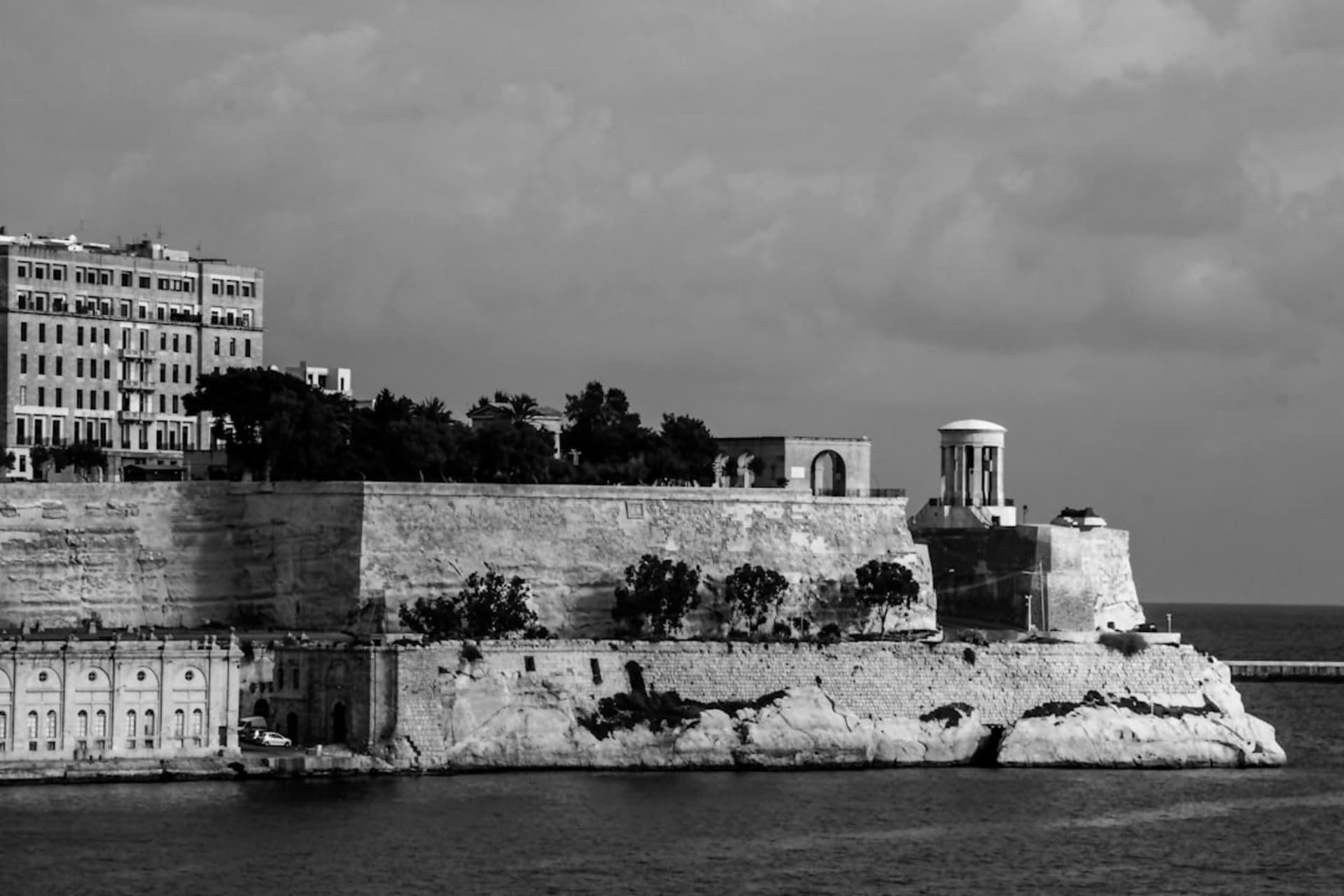
Ħaġar Qim
"I've stood in front of a lot of old stones, Lia says, but never ones that made me feel this small."
A cliffside temple of honey-colored stone older than the pyramids, standing quietly above the Mediterranean.
We got to Ħaġar Qim early, before the tour buses, when the light was still soft and grey over the cliffs. I’d read the number the night before — 3600 to 3200 BC — and kept turning it over in my head on the walk from the car park, trying and failing to make it feel real. Stonehenge wouldn’t exist for another thousand years. The pyramids weren’t even a plan yet. And here was this cluster of limestone slabs, some of them over 20 tons, that people had somehow quarried and dragged and stood upright without metal tools, without the wheel. Lia just stopped at the entrance and went quiet, which for her is rare.
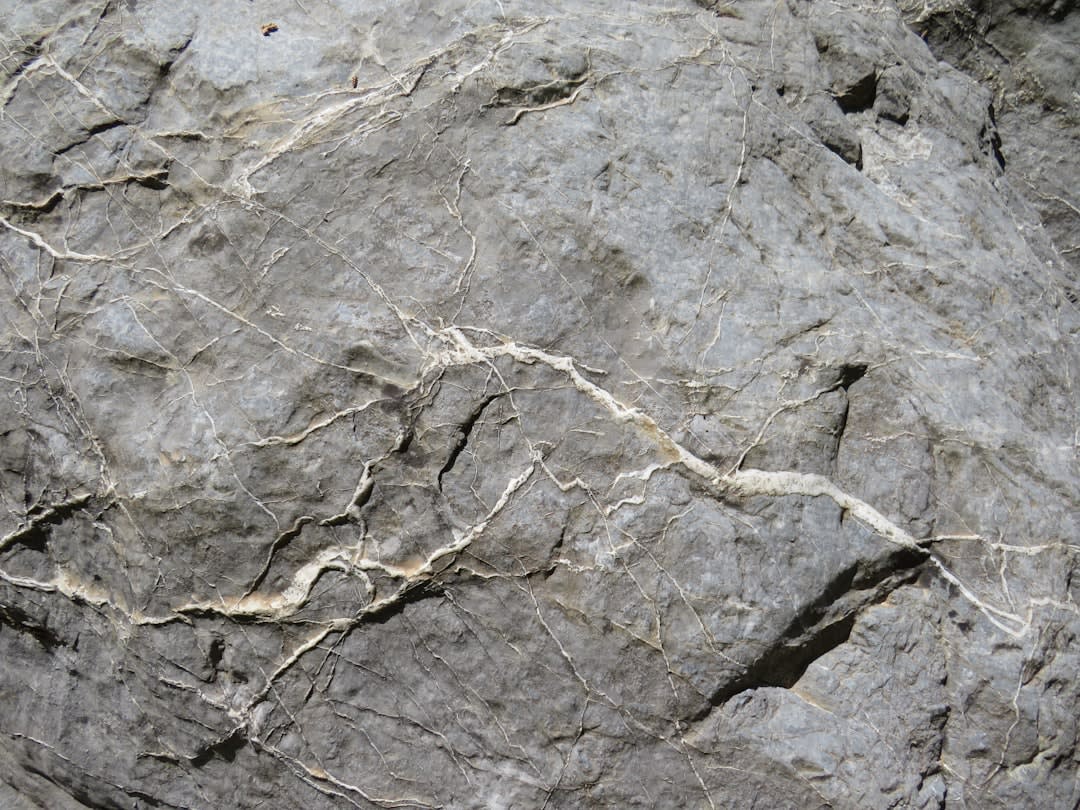
The stone itself is what got me, more than the scale. It’s globigerina limestone, soft enough that you can see the wind and salt air have been chewing on it for millennia — honeyed, pitted, almost soft-looking even though it’s rock. That’s exactly why the whole site now sits under a huge tensile canopy, installed in 2009, a modern white tent stretched over four-thousand-year-old megaliths. I wasn’t sure I’d like the contrast when I first saw photos of it, but standing under it, watching the fabric filter the light into something dim and cathedral-like, it worked. It felt less like an intrusion and more like someone had finally decided to protect something worth protecting.
We wandered the temple chambers for close to an hour, not saying much. There’s an apse where the stone has been worn into a kind of shallow bowl, and Lia put her palm flat against it for a long moment — I didn’t ask what she was thinking, some moments don’t need narrating. Afterward we walked down to the visitor center, which does a good job without overdoing it: cases of pottery fragments and carved figures pulled from the excavations, laid out simply enough that you can actually look at each piece instead of being rushed past it. I remember one small limestone statue in particular, rounder and stranger than anything I expected from that era, and standing there wondering who had made it and what they thought they were making.
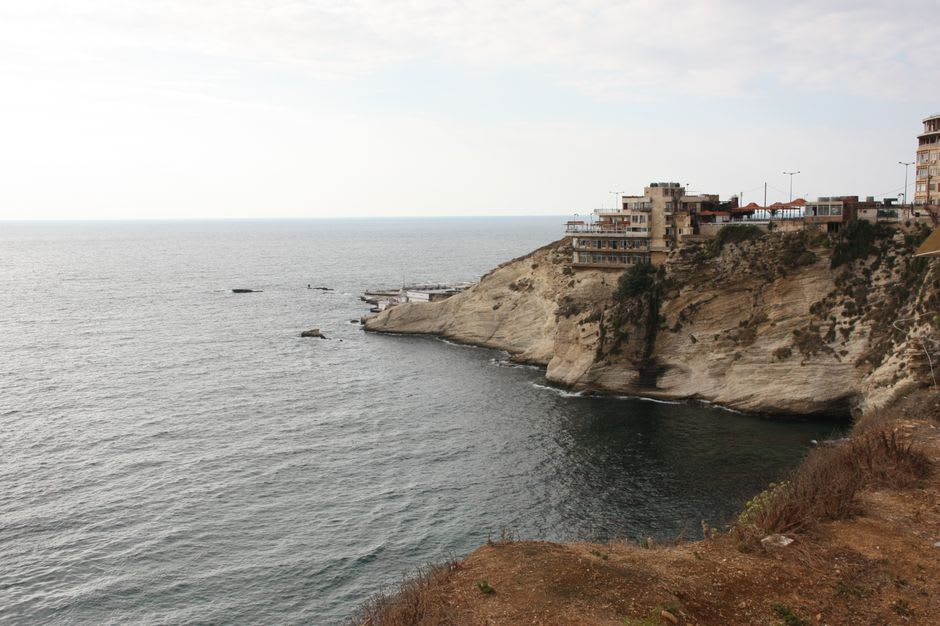
Ħaġar Qim sits with a couple of other Maltese megalithic temples in the same UNESCO World Heritage listing, inscribed back in 1980, and driving between them over the next two days gave the whole trip a strange gravity — like Malta was quietly one of the oldest places either of us had ever been, without shouting about it. There’s no bombast here, no gift-shop grandeur. Just very old stone, a very good view of the sea, and the particular silence of standing somewhere that predates almost everything.
When to go: Go early, in the cooler morning hours, ideally in spring or autumn — the site is completely exposed to the sun, and by midday the limestone glare and the heat off the cliffs make lingering a lot less pleasant.