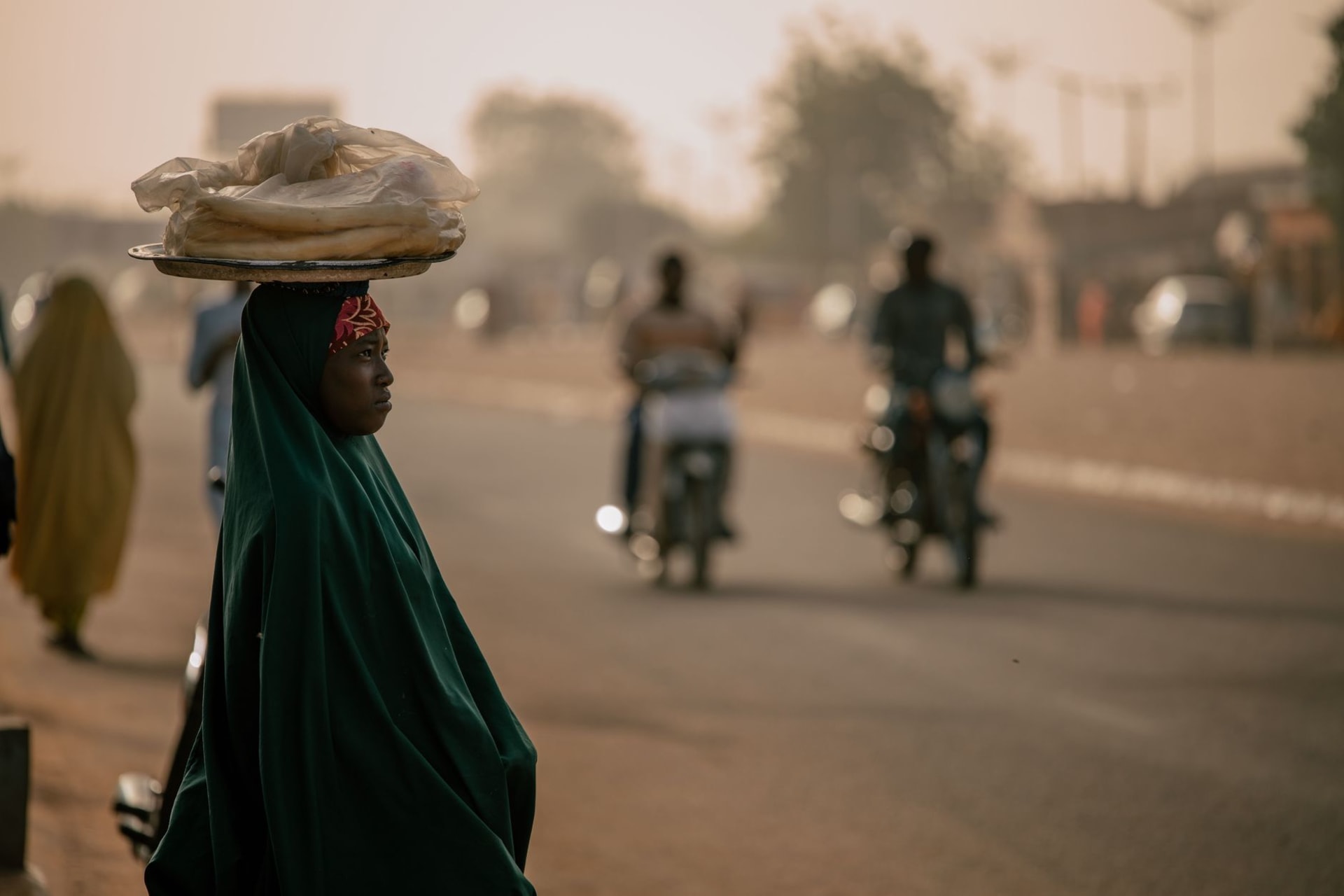
Bamako
"Every city has a river, but Bamako is the only one I've seen that still believes in it."
Mali's capital sprawls along the Niger like a city that grew up beside its river and never quite forgot it.

I arrived in Bamako on a Tuesday, which turned out to be the worst day for anything requiring patience and the best day for watching the city simply exist. The taxi from the airport lurched through traffic on the route de Sotuba — horns and exhaust and the occasional goat — until suddenly the road dipped and there was the Niger: wide, brown, unhurried, moving through the middle of everything like it owned the place. Which, in a sense, it does.
The riverbank at Bamako is not a promenade. It is not prettified or lit at night or lined with restaurants. It is a working waterfront — pirogues loaded with sand, with firewood, with plastic jerricans of water, with sacks of rice that two men heave onto their backs before walking up the embankment without breaking conversation. Bozo fishermen mend nets in the afternoon shade. Women pound millet near the shallows. The smell is river mud and charcoal smoke and something sweet I never identified but associated ever after with late afternoon in this city.

The Grand Marché downtown is the kind of market that earns its name. I spent an entire morning inside it without finding the edge. Bolts of wax-print cloth stacked floor to ceiling, cassettes of Malian music played at a volume calibrated to announce their presence across three stalls, women selling mangoes and tomatoes from wide enamel basins, a whole corridor dedicated to shoes, another to electronic parts, another to dried fish whose smell pushed me sideways until I found my footing and leaned into it. The market speaks half a dozen languages simultaneously — Bambara, Fulfulde, French, Songhoi — and the price of everything is negotiable, not as theater but as earnest commerce.
At night Bamako is where you hear Mali. The city’s musical history runs deep: the Rail Band, Salif Keita, Oumou Sangaré all came through or came from here. The small maquis bars in the Biabougou and Hippodrome districts run live music late, starting around eleven, the kind of griot-inflected acoustic sets where the kora player and the guitarist know each other well enough to leave long silences between notes. I sat outside one of these places with a Castel beer sweating in my hand and listened until two in the morning without entirely understanding what I was hearing, which turned out to be enough.
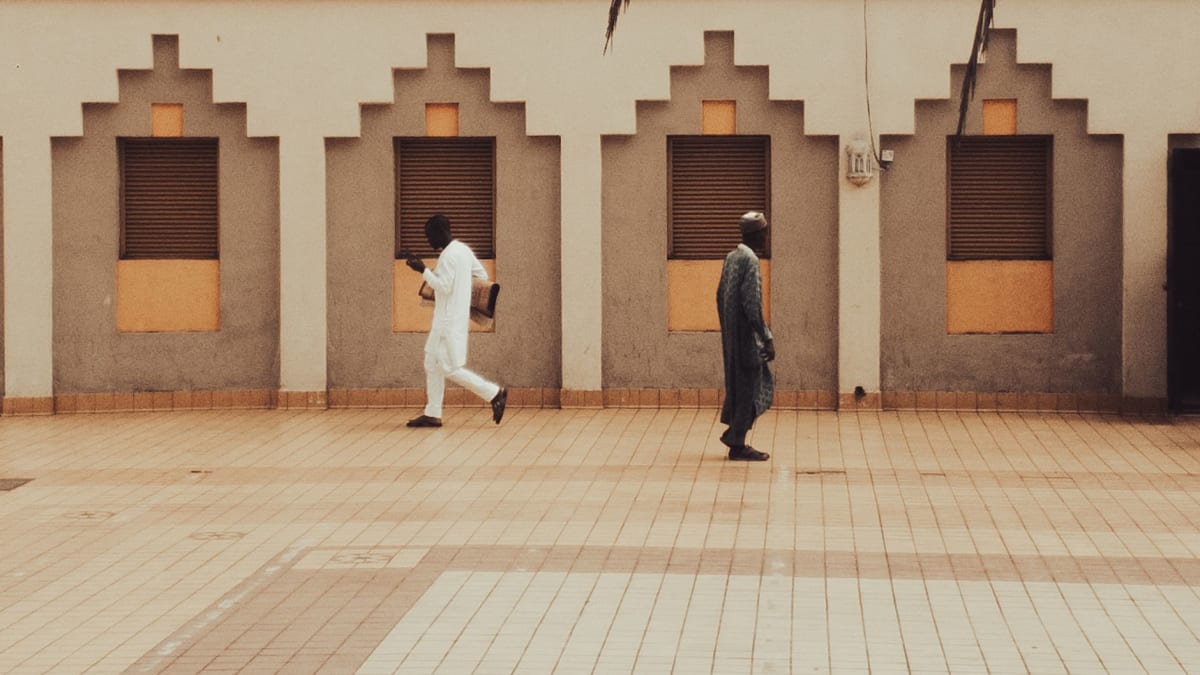
The Musée National de Bamako holds one of the continent’s better collections of West African masks and statuary, though the building itself cannot compete with the objects inside. More interesting to me were the artisan workshops at the Maison des Artisans — a courtyard complex near the river where goldsmiths, leatherworkers, and bogolan cloth painters share space and occasionally clients. The bogolan, mud-painted cotton with geometric patterns in black and ochre, is one of those crafts where you can watch the whole process and still not quite believe how the geometry gets so precise.
When to go: November through February, when the harmattan brings cooler mornings and the heat stays manageable. Avoid March onward — by April, Bamako under full sun is genuinely punishing. The Festival sur le Niger in Ségou, two hours downriver, is worth building an itinerary around in February.
Keep exploring
More from Mali
 mali
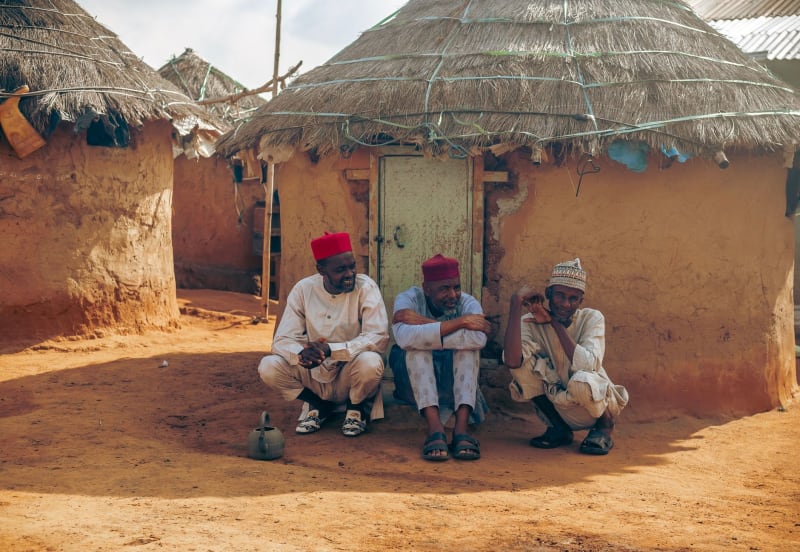
mali Bandiagara Escarpment
A rust-colored cliff face where Dogon villages cling to the rock and Tellem granaries sit impossibly high in crevices no one can explain.
Explore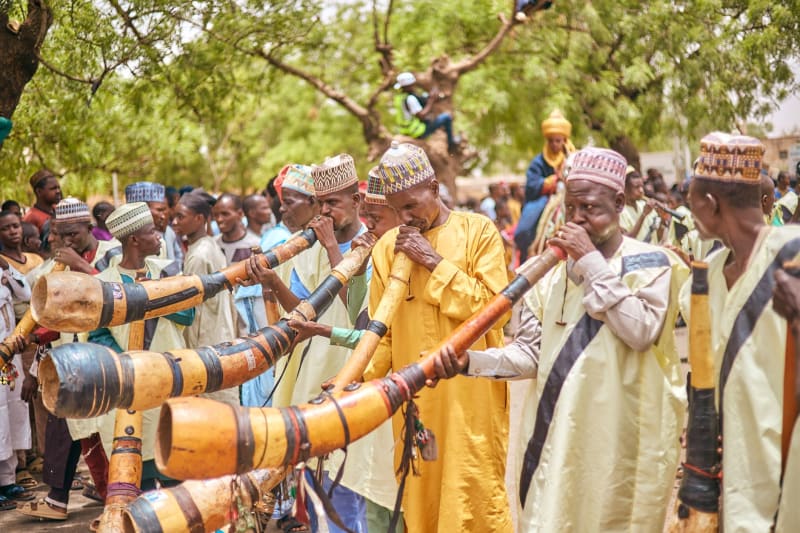 mali
mali Diafarabé
A Niger River village that becomes the stage for one of West Africa's oldest pastoral rituals — ten thousand cattle crossing the water each December.
Explore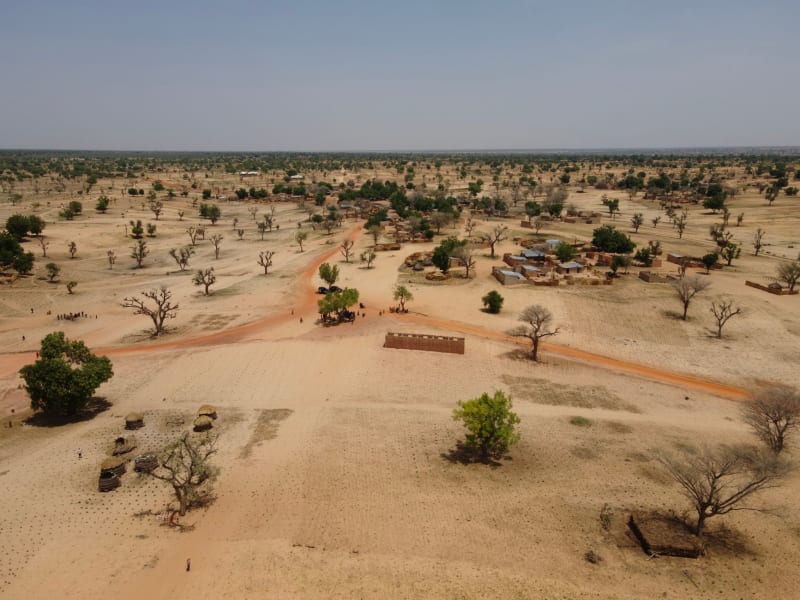 mali
mali Djenné
A living mud-brick city where the entire community climbs the mosque walls every spring to replaster them by hand.
Explore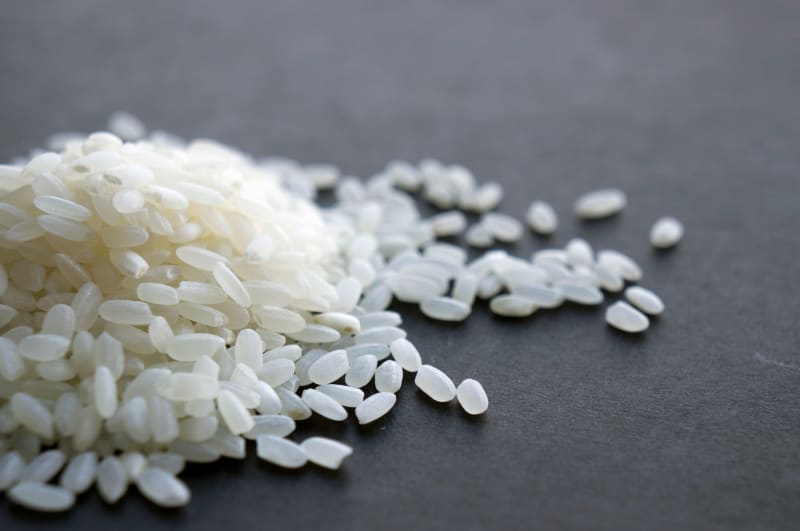 mali
mali Gao
The ancient Songhai capital at the Niger's great bend, where a fifteenth-century pyramid tomb stands at the edge of where West Africa becomes Sahara.
Explore mali
mali Hombori
A small Sahel town beneath a cluster of rock towers so improbable they look like a geological argument that something extraordinary happened here.
Explore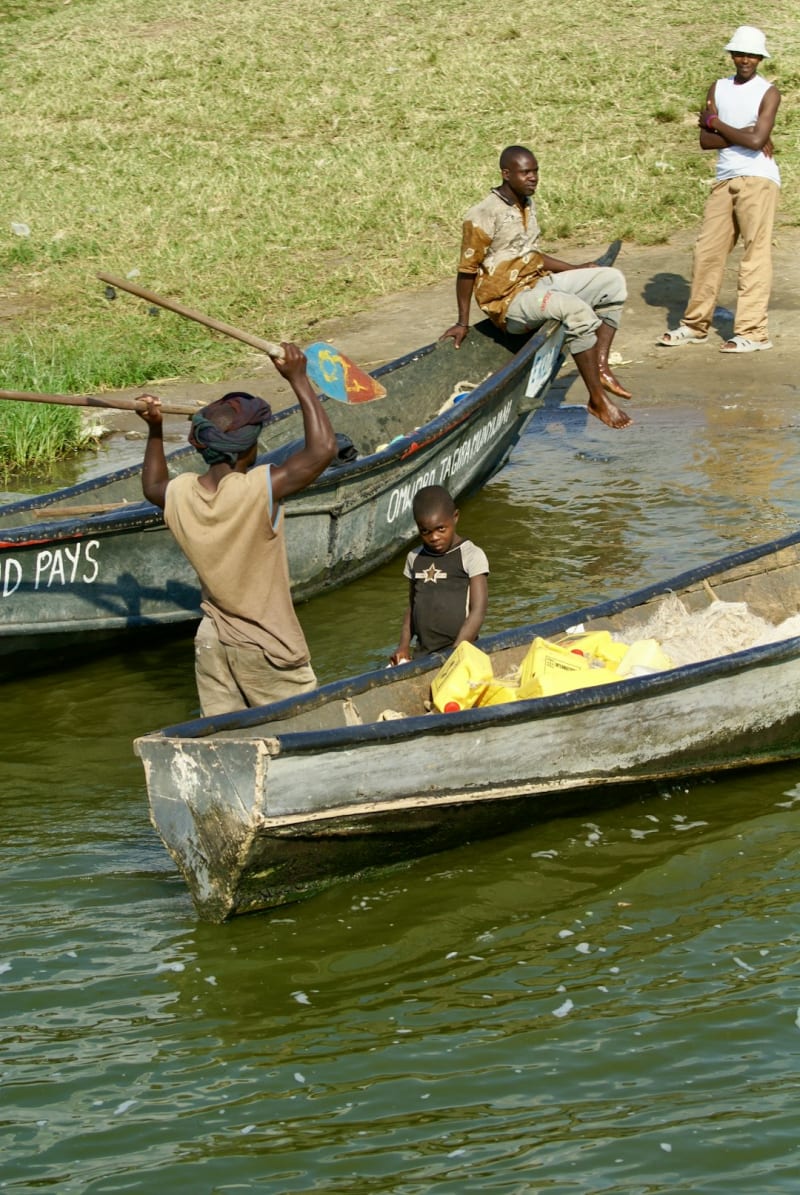 mali
mali Kayes
A furnace of a river city where French Sudan once had its capital, and where the heat teaches you humility fast.
Explore