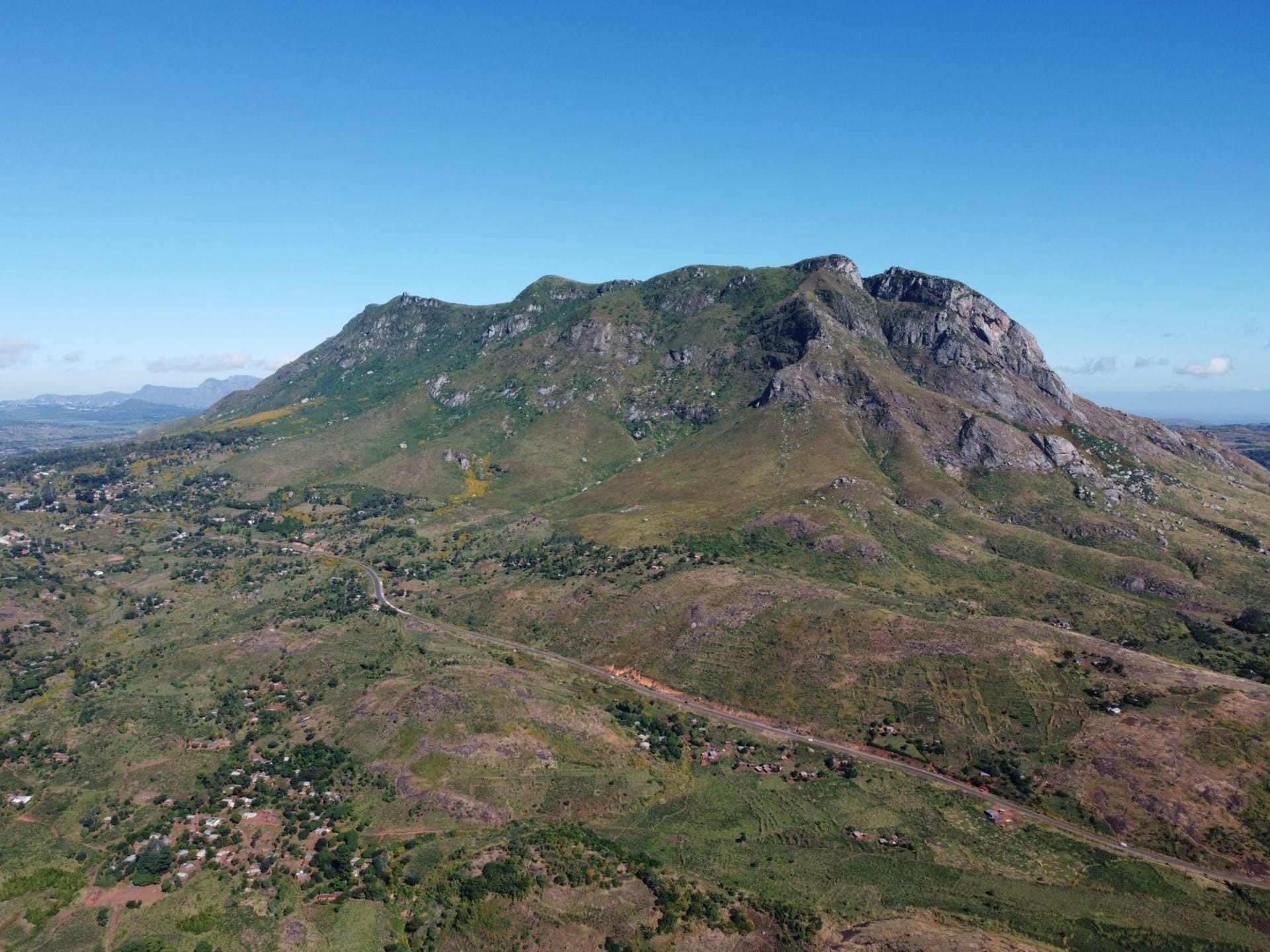
Zomba Plateau
"I went up to escape the heat. I stayed because the quiet was something I didn't know I was looking for."
Zomba city, the old colonial capital of British Nyasaland, sits at the foot of its plateau like a footnote to something grander. The city itself is pleasant enough — wide avenues, jacarandas that go violet in October, a market that sells pineapples for almost nothing — but you can feel the plateau above from the streets, a cool breath that comes down in the late afternoon and reminds everyone what altitude feels like. I drove up the escarpment road on a Tuesday morning in June, the mist so thick at the top that I overshot my turn twice.
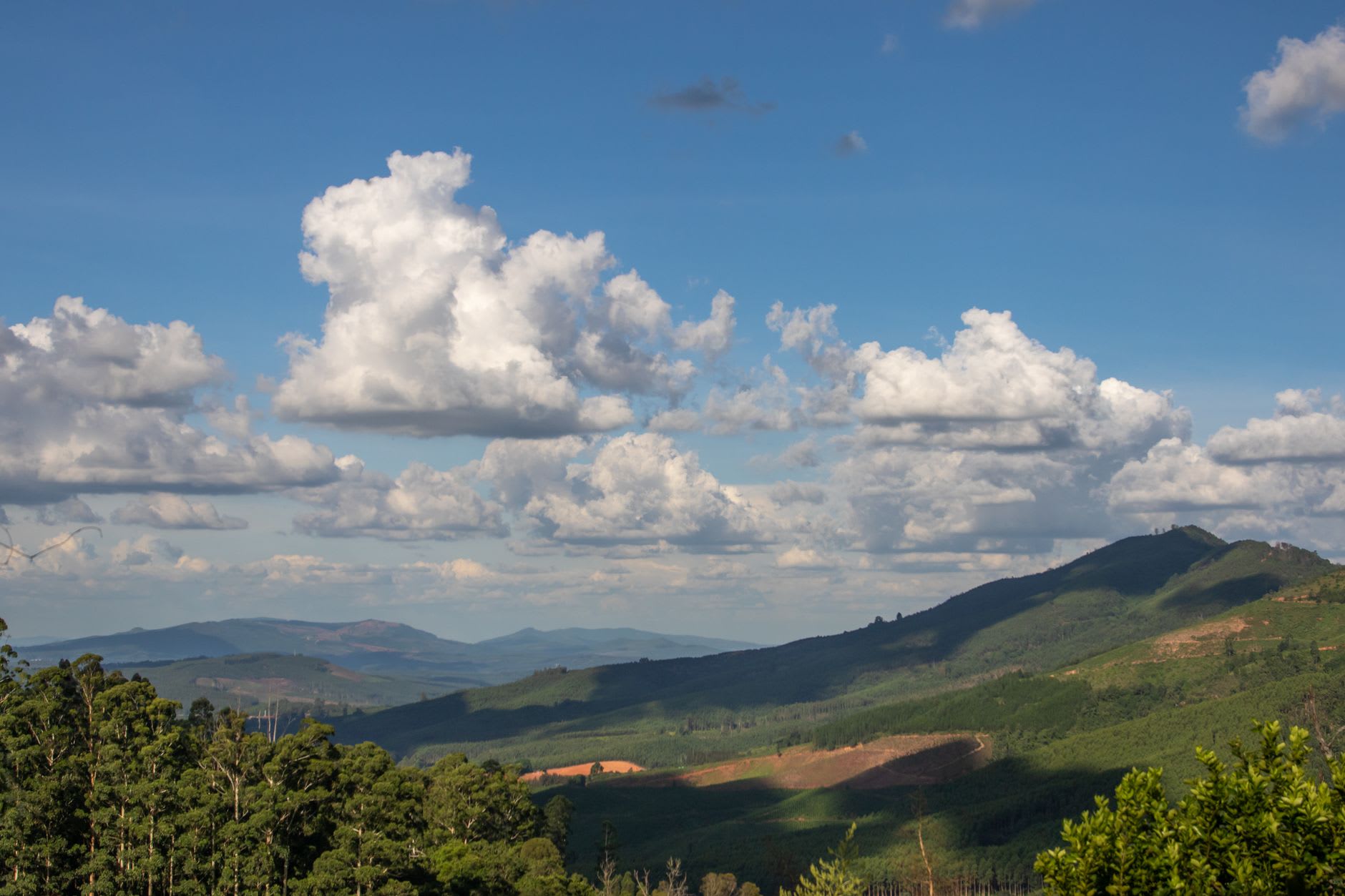
The plateau sits at roughly 1,800 meters above the surrounding plain and covers an area large enough that it has its own ecology, its own weather, and something close to its own silence. The Forestry Commission planted much of the upper reaches with pine and eucalyptus during the colonial era, and these plantations now form cathedral-dark corridors of trees that absorb sound in a way the lowlands never can. Walking into them from the road was like entering a different acoustic world. The birdsong changed register. My footsteps disappeared.
The Trout Farm on the plateau’s upper reaches is one of those places that appears so improbably out of place — a small lodge with a working fish hatchery, flower gardens, and a dining room that serves smoked trout and chips to whoever shows up — that you suspect a colonial administrator had simply decided to import Britain wholesale and got away with it. I ate there alone on my second night, at a table by a window looking out into the dark of the forest, and felt the particular contentment of being somewhere unexpected and well-fed.
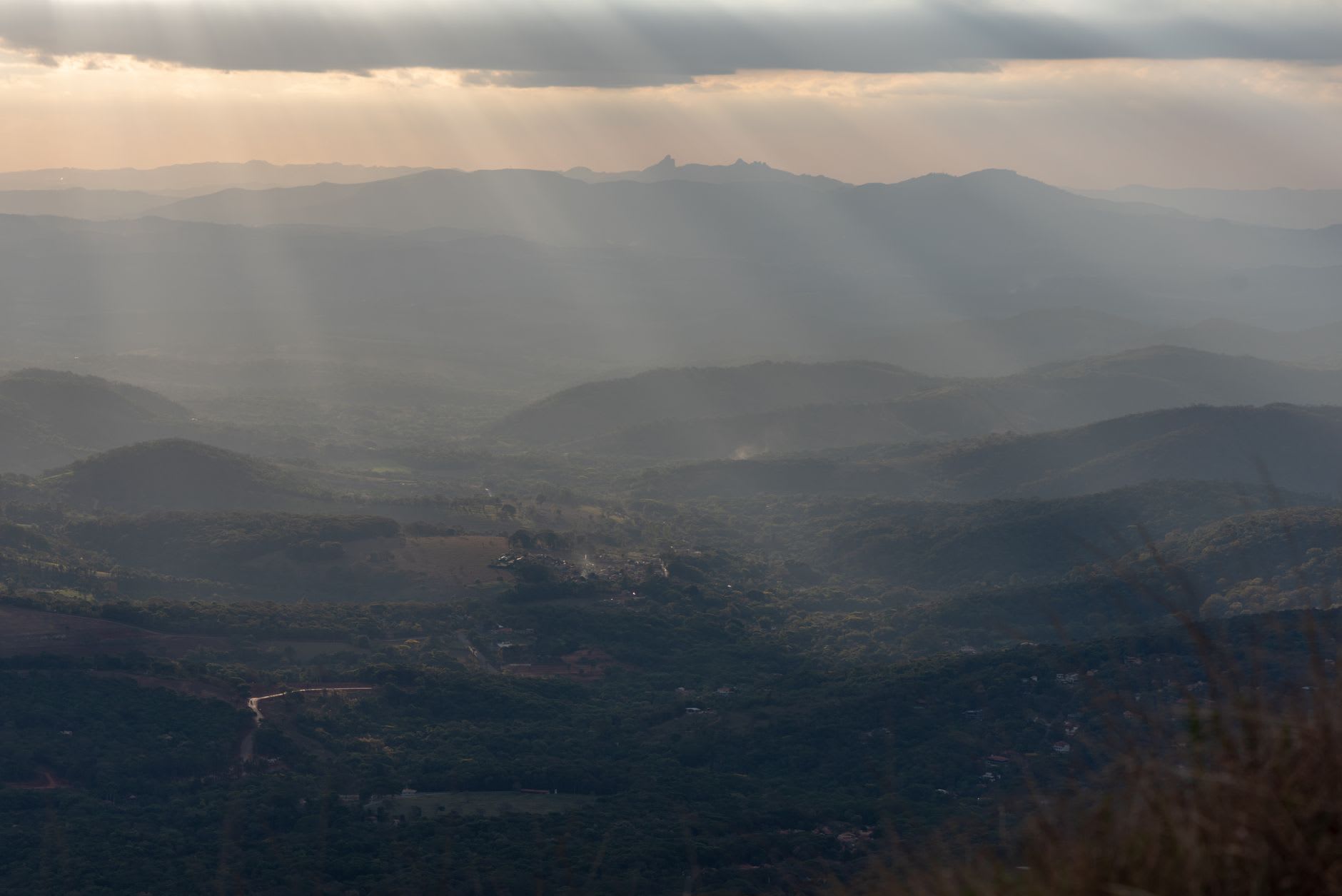
The walking on the plateau is excellent and underused. The paths lead through the forest to viewpoints where the plateau edge drops away and the whole of the Shire Valley unfolds below — the river threading silver through the floodplain, the distant smudge of Liwonde, and on clear days a glitter on the horizon that might be Lake Chilwa. The plateau also has waterfalls, notably Manchewe, where the water drops in a single column into a rocky gorge and the spray keeps everything green year-round. I sat at the edge of the falls for an hour. A group of local students on a school trip arrived, screamed with delight at the spray, and left. The plateau reasserted its quiet.
What I didn’t expect was the cold. June nights on the plateau drop to single digits and the lodge didn’t believe in central heating. I slept under four blankets and woke up to the kind of crystalline morning that only cold nights produce — every leaf backlit, the forest floor steaming gently, the view from the room’s window so sharp it looked like someone had cleaned the air overnight.
When to go: April through August for the coolest, clearest conditions — you’ll need a fleece in the evenings and mornings, which feels like a novelty in Malawi. September and October remain dry but the haze returns. December through March brings heavy rainfall that turns the plateau paths to mud but keeps the forest impossibly lush and the waterfalls at their most dramatic.