Africa
Malawi
"The lake is the country — everything else is just the shore it rests on."
I arrived in Malawi overland from Tanzania, crossing at Songwe in a minibus so overpacked that a live chicken spent four hours on my lap. Nobody apologized. By the time we descended toward Karonga on the northern shore of Lake Malawi, the water had appeared on my left — impossibly blue, impossibly wide, stretching to a horizon I could not believe was still a lake. It looked like the Mediterranean had been secretly relocated to central Africa and forgotten about. That first view rewired something in me.
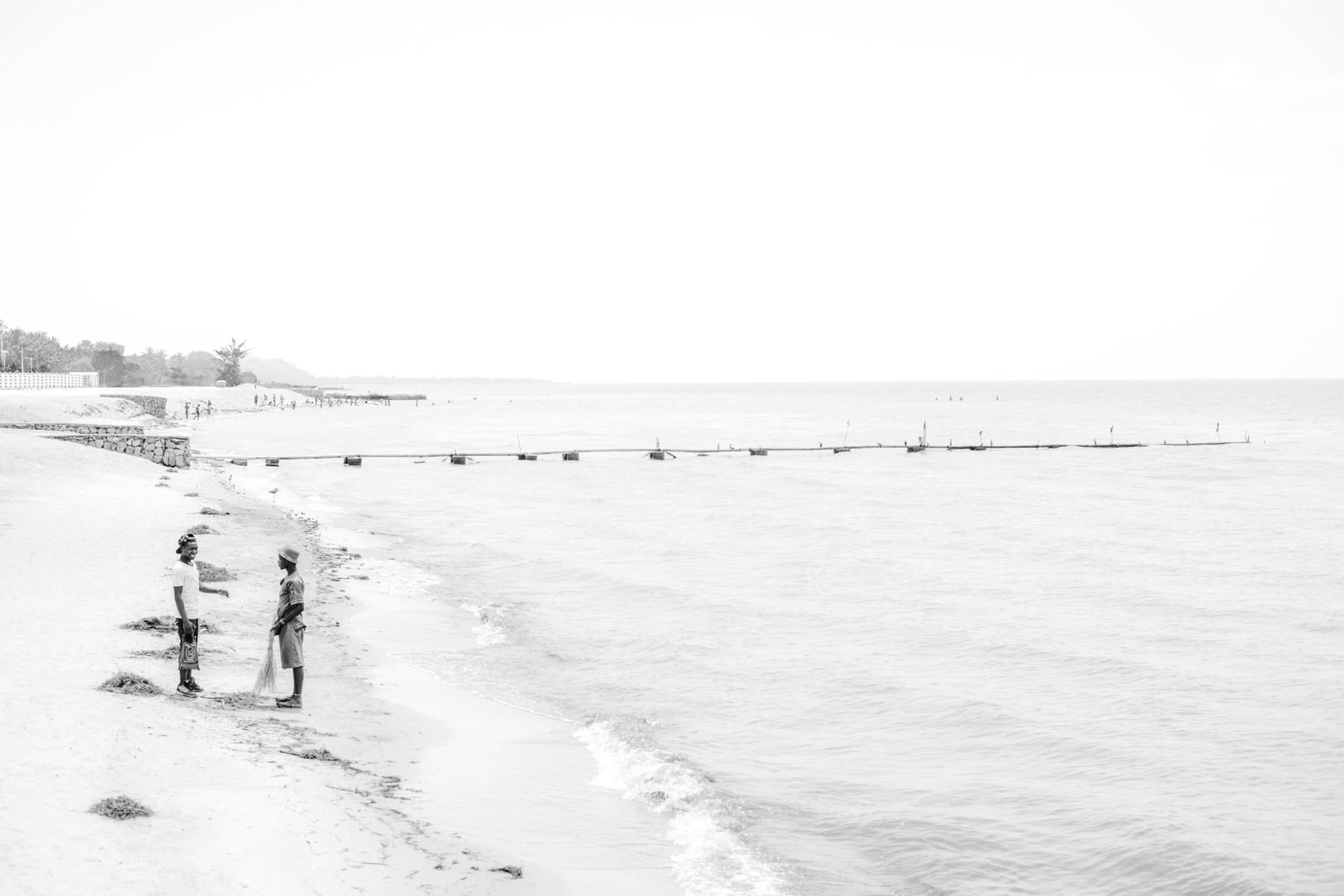
Lake Malawi is not a backdrop. It is the country. Almost a fifth of Malawi’s surface area is water — fresh water warm enough to swim in year-round, clear enough to snorkel the rocky shores where hundreds of species of cichlid fish flash in colors more tropical reef than landlocked lake. The villages along the southern shore around Cape Maclear exist in a state of slow-motion beauty: women washing clothes at the water’s edge, wooden pirogues pushed out at dusk, kids diving from the rocks with the practiced ease of people for whom the lake is their backyard, because it is. I stayed three days longer than planned at a guesthouse in Chembe with a hammock facing east. The sunrise there, the way the light came horizontal across the water and turned everything amber, is the kind of thing I struggle to describe without sounding like I’m writing a brochure. I refuse to be that person, so I will just say: I have not slept that well anywhere else in Africa.
The rest of Malawi surprises you with its altitude. The Zomba Plateau and the Mulanje Massif in the south rise steeply from the lakeshore lowlands into a different climate entirely — cool mornings, cloud forest, mist that moves through the cedar trees like it has somewhere to go. Hiking on Mulanje is serious business; the massif is larger than it looks on a map, and the trails demand a full day commitment to reach the huts where you overnight at altitude. But the approach through the tea estates around Thyolo, green and geometric in every direction, is worth the drive alone.
When to go: May through October is the dry season, with cooler temperatures and clear skies — ideal for hiking Mulanje and long days on the lake without rain interrupting the afternoon. November to April is hot and humid, and heavy rains can make roads difficult in the south. The lake is swimmable year-round; December to March adds the surreal backdrop of dramatic afternoon storms rolling in from the mountains.
What most guides get wrong: They file Malawi under “budget safari alternative” and leave it at that. But Malawi is not a lesser version of Tanzania or Zambia — it is a completely different kind of place. The wildlife in Liwonde National Park or Majete is genuinely recovering, rewilded with lions and rhino reintroduced in recent years, and the boat safaris on the Shire River at dusk — hippos at ten meters, fish eagles overhead — are as good as anything I have experienced on the continent. The country’s smallness is its advantage: you never feel stuck in transit. You are always already somewhere.