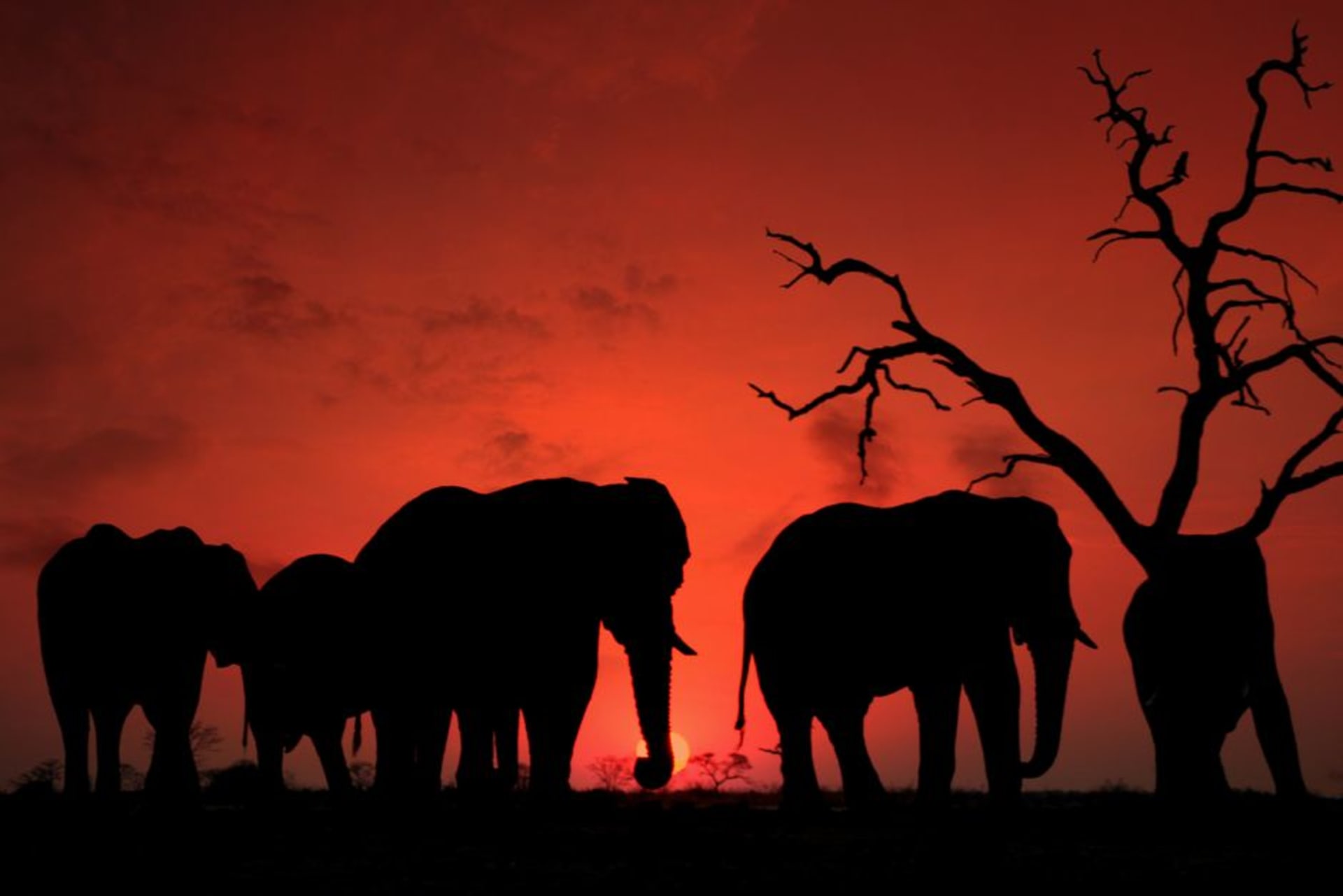
Vwaza Marsh Wildlife Reserve
"We didn't see another vehicle for two days, and the elephants outnumbered us a hundred to one."
A little-visited reserve near the Zambian border where elephant herds wade into Lake Kazuni at dusk, watched by almost no one.
We almost didn’t make it to Vwaza. It’s tucked up in northern Malawi, close enough to Zambia that our phones kept flipping networks, and every person we asked in Mzuzu gave us a different answer about the road. Lia had read about the campsite on Lake Kazuni in some forum post from years back — a single tented camp, no fences, elephants supposedly walking distance from your tent flap — and once she said that out loud, we weren’t going anywhere else. The reserve itself is enormous, about a thousand square kilometers of marsh and miombo woodland, but almost all of it drains toward that one seasonal lake, which is exactly why the wildlife concentrates there the way it does.
We arrived in the late afternoon, dry-season dust still hanging in the air, and the first thing I noticed was the quiet. No other cars at the gate, no other tents at the campsite besides a French couple who left the next morning. We set up chairs right at the edge of the escarpment overlooking Kazuni and just waited. Within an hour, a breeding herd came down to drink — I counted past thirty elephants before I lost track, calves pressed against their mothers’ legs, a couple of bulls hanging back at the treeline. Vwaza was originally set aside as a controlled hunting area back in the colonial period before becoming a proper game reserve in 1977, and standing there I kept thinking how strange that history is against what we were watching — animals that clearly had no reason to fear us at all.
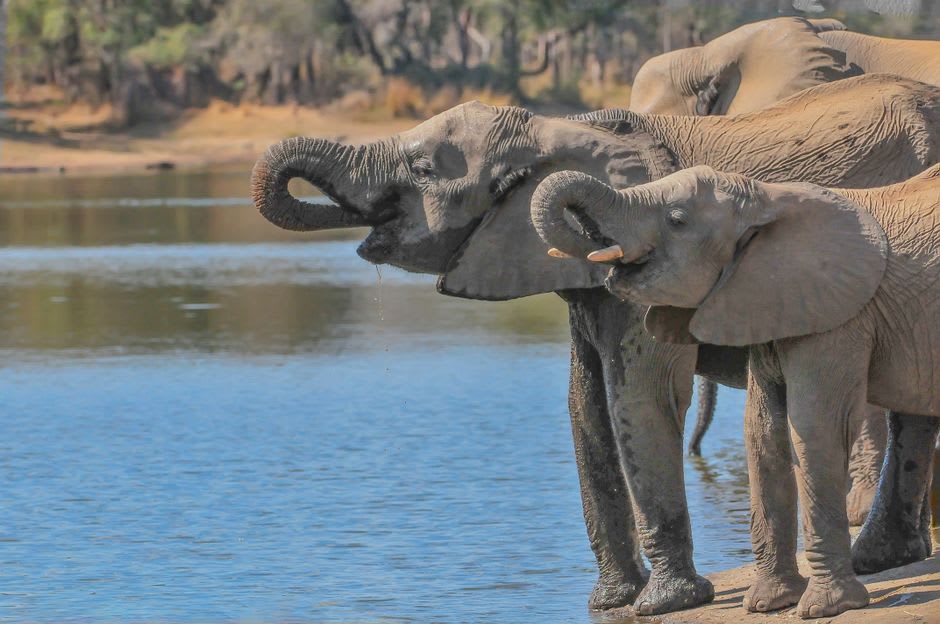
The next morning our guide, a soft-spoken man named Chikondi who’d grown up in a village just outside the reserve boundary, took us out walking along the marsh edge before sunrise. He pointed out hippo tracks pressed into the mud like fresh stamps, and we heard buffalo grunting somewhere in the reeds long before we saw them — a whole line of dark shapes moving single file toward water. Chikondi kept a small notebook of bird sightings, and by nine a.m. he’d already ticked off a dozen species without trying hard; Vwaza has more than three hundred recorded, and even someone as indifferent to birding as I normally am found myself stopping to watch a pair of fish eagles trade calls over the lake.
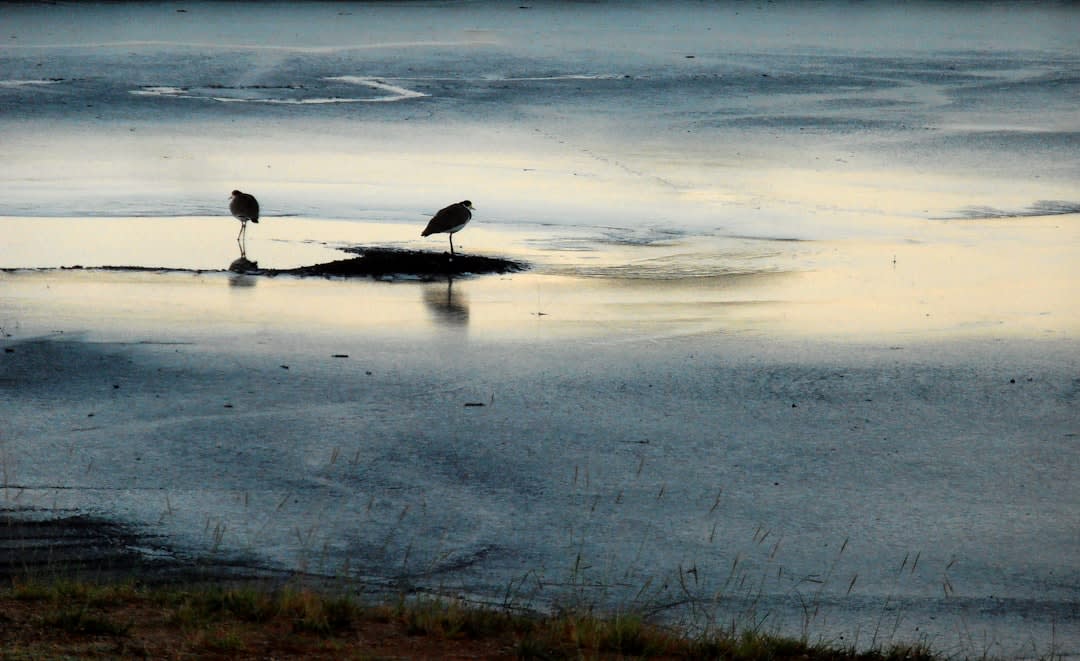
What stayed with me most, though, was the last evening, when the same herd — or maybe a different one, I couldn’t tell — came back to the lake right as the sky went orange, and we just sat there in camp chairs with tea going cold in our hands, not saying much. Malawi’s better-known parks get the guidebook space, but Vwaza has almost nothing between you and the animals except distance and good sense, and after two days we genuinely didn’t want to leave.
When to go: Aim for the dry months between June and October, when the marsh shrinks back and everything — elephants included — has no choice but to gather around Lake Kazuni.
Keep exploring
More from Malawi
 malawi
 Zomba Plateau
A forgotten highland above Malawi's old colonial capital where mist moves through pine forests and the silence is almost physical.
Explore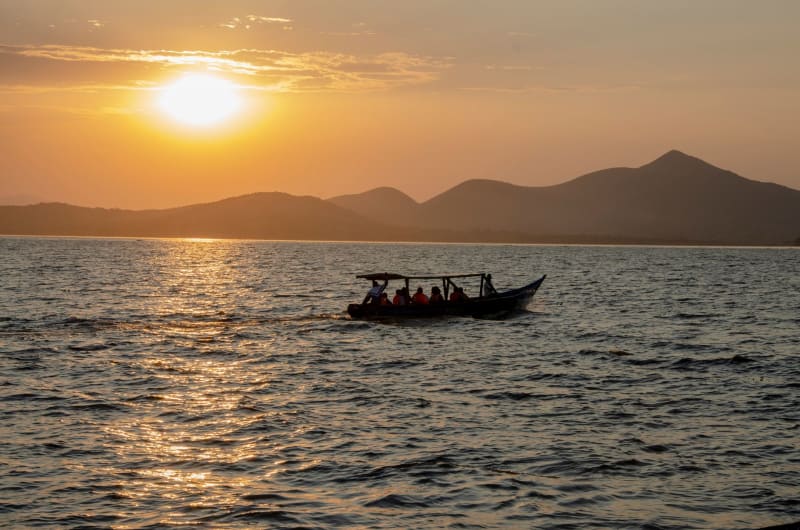 malawi
 Cape Maclear
A lakeshore village so unhurried it makes you question every schedule you've ever kept.
Explore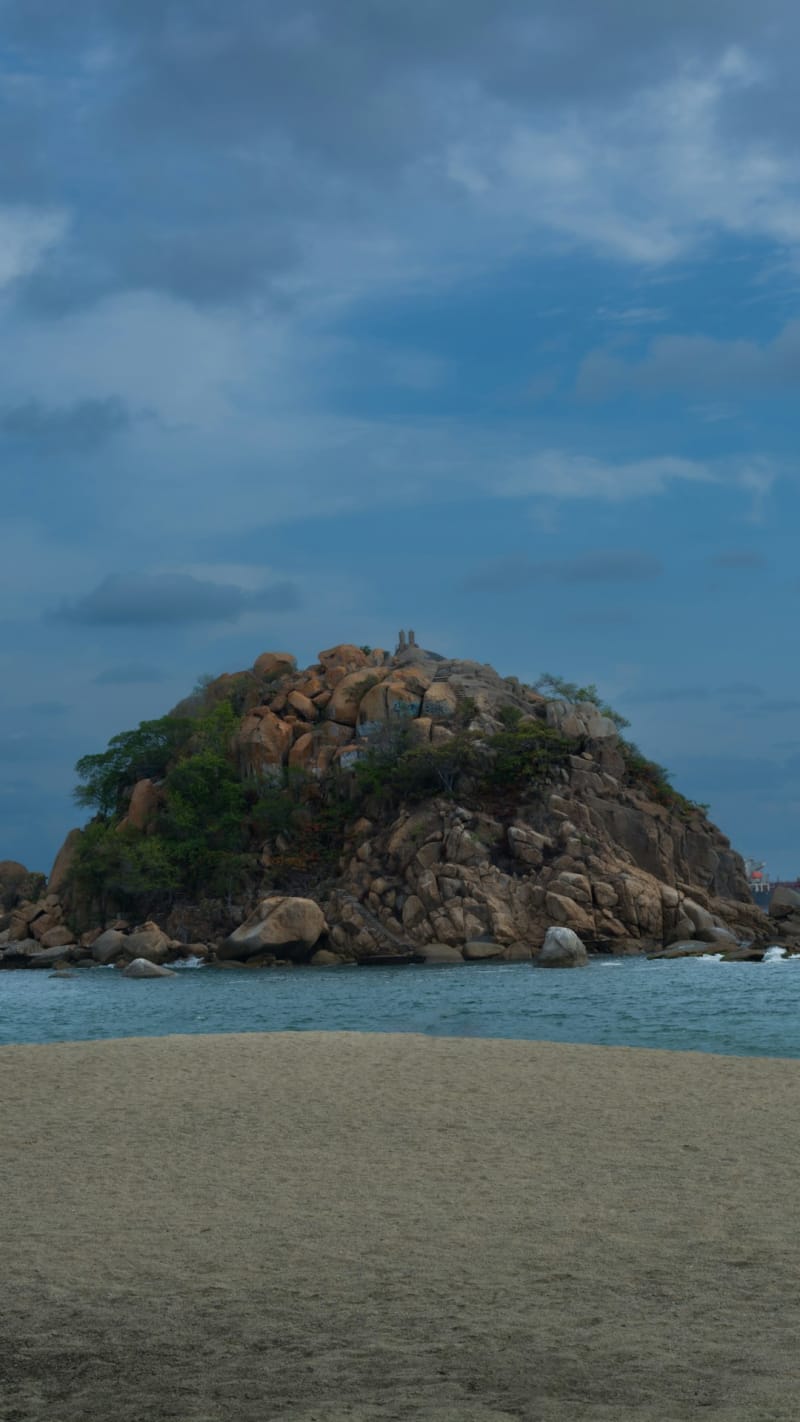 malawi
 Chintheche
A quiet stretch of Lake Malawi shoreline where mission ruins meet warm, shallow water and cichlids dart beneath the surface.
Explore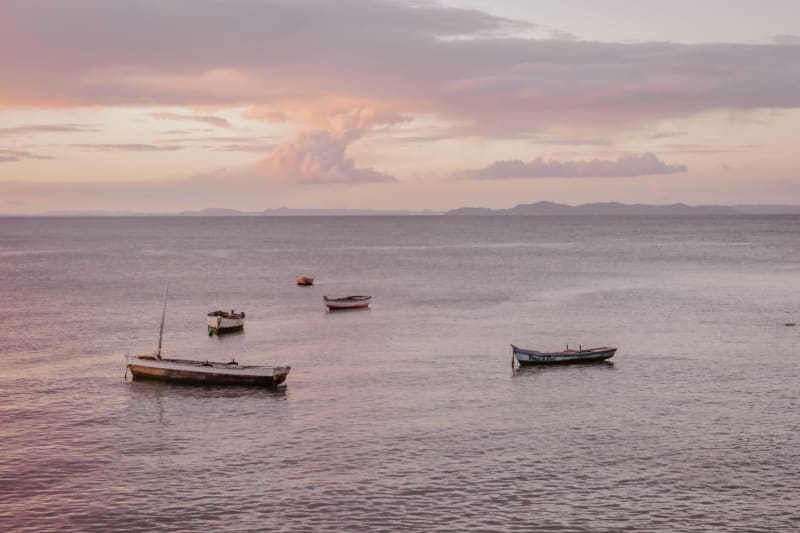 malawi
 Likoma Island
A remote Malawian island encircled by Mozambican waters, with an improbable Anglican cathedral at its heart and baobabs on every hill.
Explore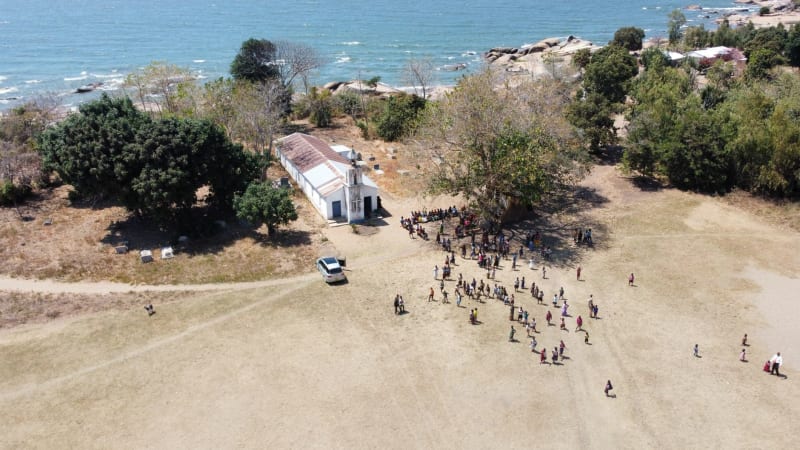 malawi
 Livingstonia
A Victorian mission station clinging to an escarpment edge with views over Lake Malawi that would embarrass most mountain lookouts.
Explore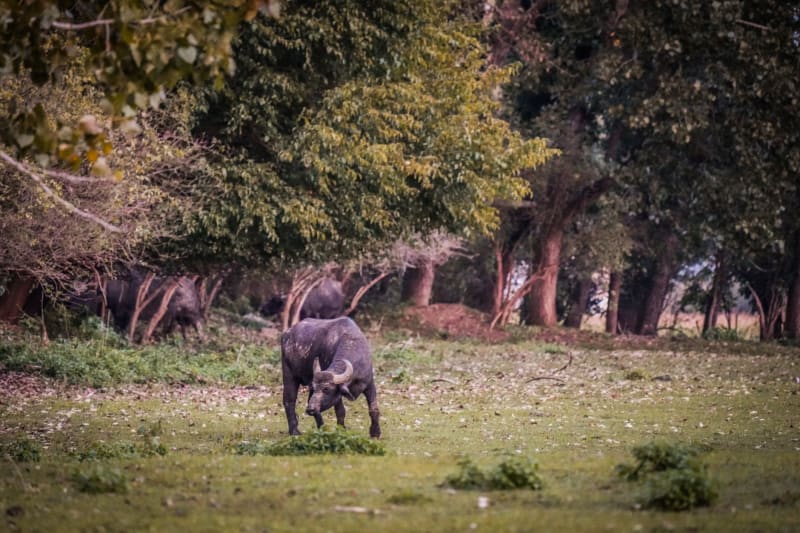 malawi
 Liwonde National Park
Boat safaris on the Shire River at dusk, with hippos at arm's length and fish eagles riding the thermals overhead.
Explore