Livingstonia
"The missionaries built here for the view, I'm convinced. Whatever they said about God's work, they clearly had an eye for real estate."
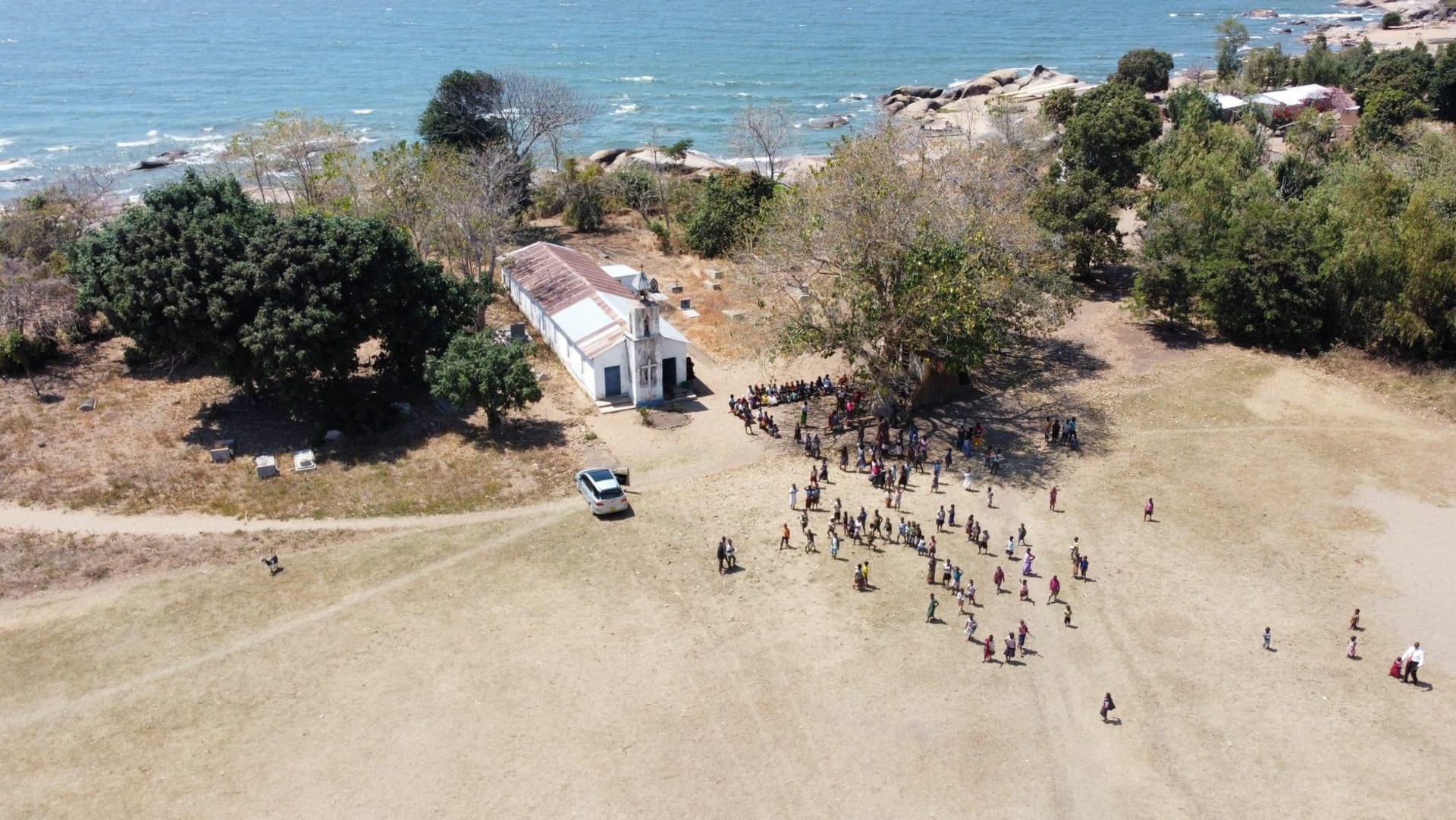
A Victorian mission station clinging to an escarpment edge with views over Lake Malawi that would embarrass most mountain lookouts.

The road to Livingstonia is one of the more legitimately alarming drives in eastern Africa. Twenty-one hairpin bends on a dirt track that climbs the Khondowe Escarpment above the northern lakeshore, with a drop on the outside that reveals itself incrementally as the trees thin and the altitude accumulates. I drove it in a small hired car whose brakes I’d been told were reliable and chose to believe. The lake appeared below me on each switchback and grew more impossibly blue with each hundred meters of altitude gained. By the time I reached the plateau and the stone buildings of Livingstonia materialised through the eucalyptus, I had the particular feeling of having arrived somewhere earned.
Livingstonia was founded in 1894 by the Free Church of Scotland, on a plateau 900 meters above the lake, named for David Livingstone. The missionaries’ logic was altitude over mosquitoes — their earlier attempts at lakeshore stations had been devastated by malaria — and the result is one of central Africa’s most incongruous architectural assemblages: a stone clock tower, a Victorian-era stone church, a hospital that still operates, and a college whose graduates have included several Malawian presidents, all sitting on a cliff edge above one of the world’s largest lakes.

The Stone House, which serves as the main guesthouse, has a veranda facing east over the escarpment. Breakfast is served there at six-thirty and the view — the lake catching the morning light all the way to the Tanzanian shore on the far side — is the kind of thing that makes whatever you’re eating irrelevant. I ordered eggs without looking at the menu and ate them looking at Lake Malawi from nearly a kilometer up. The cook came out to check if the food was satisfactory. I told her the view was making it difficult to evaluate.
The town — really a collection of mission buildings, a small market, and the residences of people who work the mission hospital and schools — operates with a calm self-sufficiency that reflects its altitude and isolation. There’s a small museum in the original stone building, containing medical instruments from the late nineteenth century, documents about the mission’s founding, and a curious collection of photographs showing the plateau as it was: treeless, cleared for farming, with the escarpment views even more dramatic without the eucalyptus that now frames them. I spent an hour there.
Below the escarpment, the Manchewe Falls drop ninety meters into a gorge you can reach by a path that leaves from the plateau’s edge. I walked it the second morning, passing through village farms and thickets of wild banana to reach the viewpoint above the falls. The water came down as a single column against black rock, and the mist at the bottom kept the vegetation so green it looked like it was lit from inside. I stood there until my shirt was damp from the spray and my legs were reluctant to take me back up.
When to go: May through October for the clearest views and driest road conditions up the escarpment — the twenty-one bends become seriously dangerous in the wet. June and July offer the sharpest visibility across the lake to Tanzania. December through March brings heavy rain that often makes the escarpment road impassable for ordinary vehicles; a 4WD becomes essential and sometimes insufficient.
Keep exploring
More from Malawi
 malawi
 Liwonde National Park
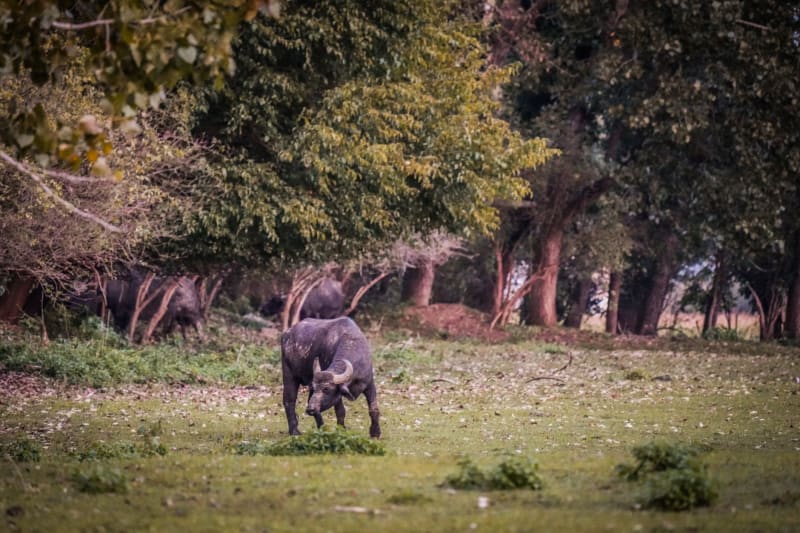
Boat safaris on the Shire River at dusk, with hippos at arm's length and fish eagles riding the thermals overhead.
Explore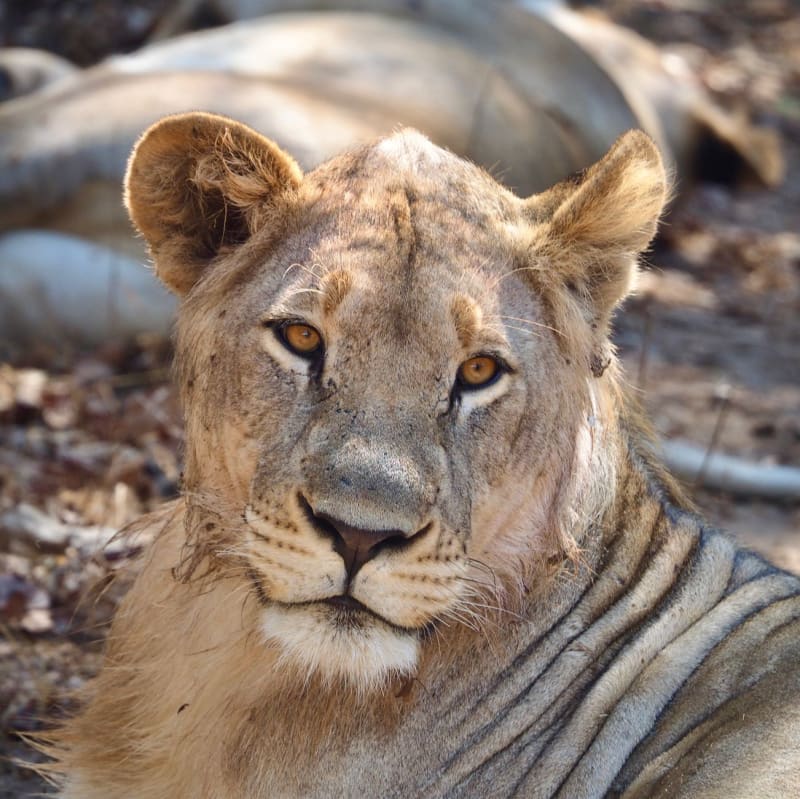 malawi
 Majete Wildlife Reserve
Where Malawi's big five roam again — a rewilding success story set in mopane woodland along the dramatic Shire gorge.
Explore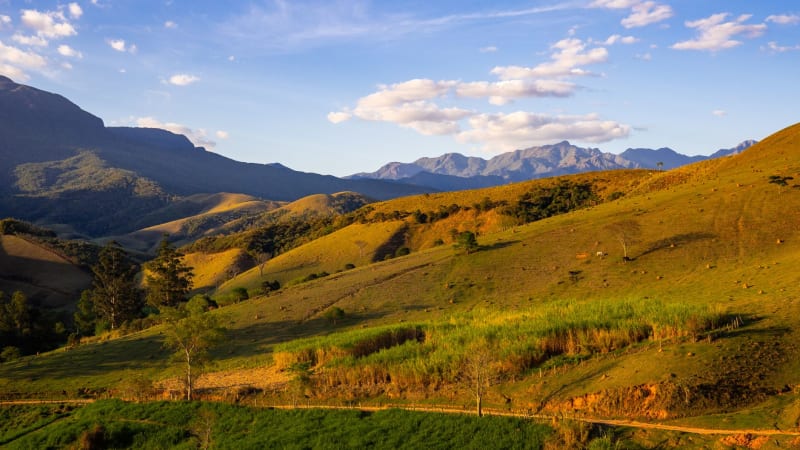 malawi
 Mulanje Massif
An inselberg of Mozambican cedar and naked rock that rises so abruptly from the plains it looks like a mistake in the landscape.
Explore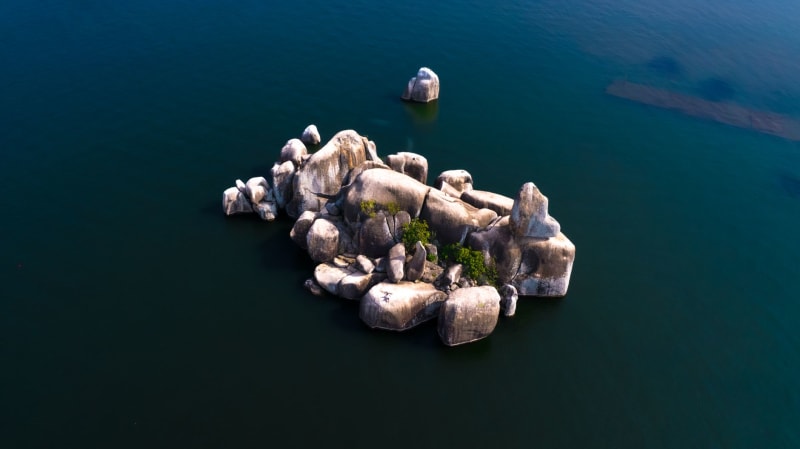 malawi
 Nkhata Bay
A crescent bay on the northern lake where the water is deep indigo, the cliffs are steep, and time loses its urgency entirely.
Explore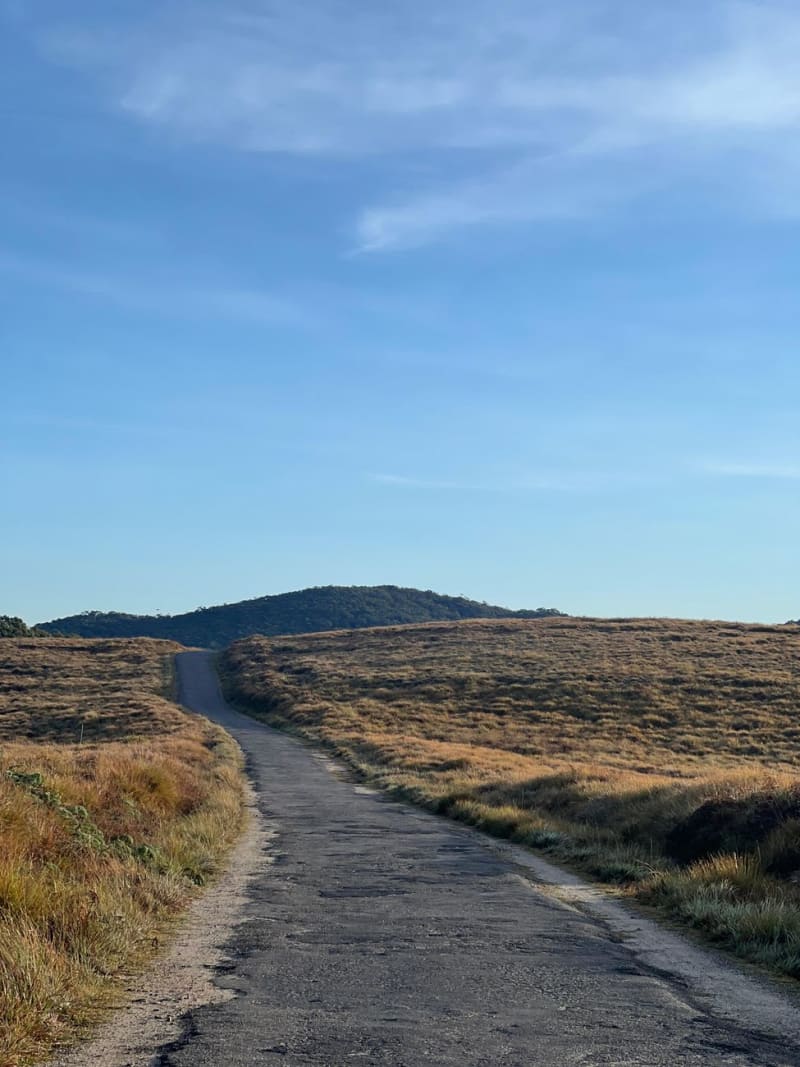 malawi
 Nyika National Park
Malawi's largest park is a vast rolling plateau of montane grassland and pine-scented air, where antelope graze the hills like a misplaced piece of the Scottish Highlands.
Explore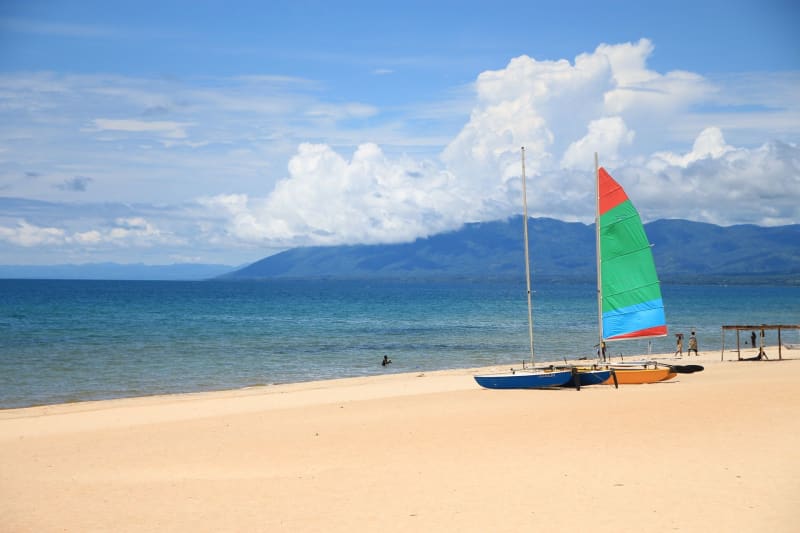 malawi
 Senga Bay
Central Malawi's quiet lakeshore answer — wide sandy beaches, slow sunsets, and enough distance from the backpacker circuit to feel genuinely yours.
Explore