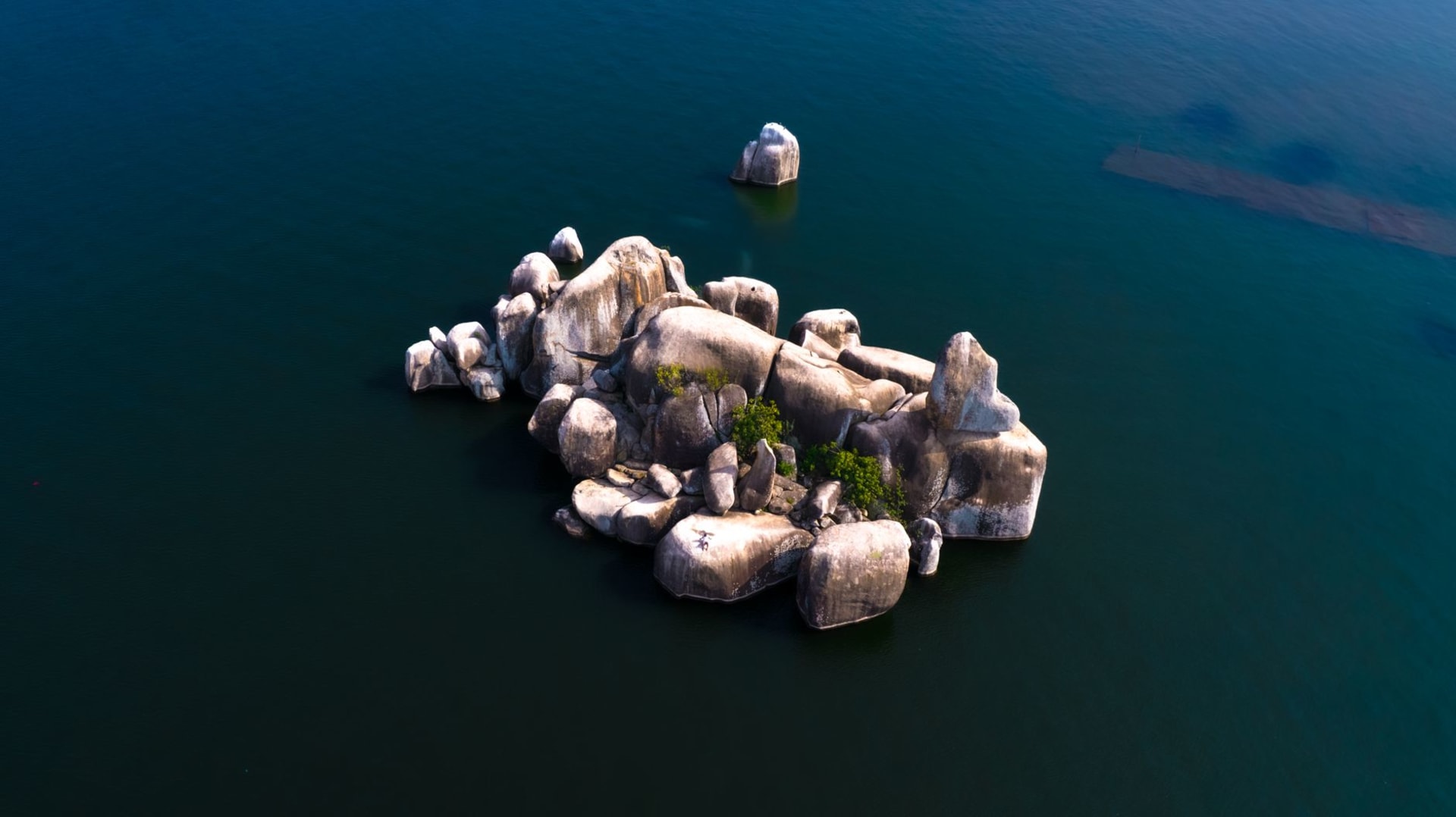
Nkhata Bay
"The water here is so blue it makes you distrust your own eyes. Then you swim in it and stop caring about everything else."
I came to Nkhata Bay on the Ilala, the old lake ferry that runs the length of Lake Malawi from Monkey Bay in the south to Chilumba in the north. The boat was twelve hours late, which is standard. I sat on the deck eating sugarcane from a vendor who had materialized from somewhere in the night and watched the northern lakeshore slide past in the early light — hills forested to the waterline, occasional clusters of nganda huts, the lake so still in the morning that the reflections of the hills were perfect. When the bay appeared around a headland, indigo and circular and fringed with the kind of trees that drop straight into the water, it was exactly what I hadn’t known I needed.
Nkhata Bay is a working fishing town that has also been absorbing travelers for decades without becoming a resort. The two identities coexist without too much friction. The harbor smells of diesel and fish; the hills above it are stitched with guesthouses that exploit the views with varying degrees of success; the market sells both flip-flops and handwoven chitenge and, inexplicably, a great deal of secondhand Portuguese football shirts. I bought one. I don’t follow football.

The snorkeling off the rocky points at either end of the bay is the equal of anything in the lake’s more famous southern destinations. The water here is deeper, colder, and clearer — the lake narrows into its northern basin and the cichlids, if anything, seem more vivid for the depth of the water below them. I hired a kayak on my second morning and paddled out to a rock shelf around the headland, floated face-down for an hour while fish in colors I don’t have names for conducted their business beneath me, and then lay on the rock in the sun until I fell asleep. Nobody came to find me.
The town itself rewards slow attention. The fish market at five in the morning, when the night fishermen bring in their chambo and the first fires are lit for tea, has a quality of efficient purpose that makes idle watching feel intrusive. I sat at the edge anyway. The women sorting the catch and the men hauling ice knew I was there and ignored me with a dignity I found entirely appropriate. A boy not older than eight carried a tray of mandazi on his head through the scene with a confidence that suggested he found none of this remarkable, because for him it wasn’t.

Evenings at Nkhata Bay have a particular quality. The bay holds the last of the light long after the hills go dark, and the guesthouses on the water put out tables where travelers and locals both drink Kuche Kuche beer and watch the fishing boats head out as the stars come up. I stayed five nights without planning to stay more than two.
When to go: May through October for dry conditions and the clearest water for snorkeling. July and August bring the strongest winds — the lake can get rough and kayaking becomes inadvisable. December through March is the rainy season but the lake remains swimmable and the green hills are at their most lush. The Ilala ferry schedule is famously unreliable; build in flexibility on either side of your Nkhata Bay days.