
Mulanje Massif
"The mountain doesn't ease you in. It simply rises, and you either follow or you don't."
The road from Blantyre runs south through red-earthed farmland and then the mountains appear — not gradually, not as a distant rumor of blue ridges on the horizon, but suddenly and completely, a wall of bare granite rising two thousand meters above the surrounding plateau. Mulanje does not build up to itself. It simply exists, enormous and blunt, and the smallness I felt looking up at it from the town of Mulanje was the pleasant kind that travels remind you of.
I hired a porter at the CCAP Forestry Office — a necessity on Mulanje for anyone going overnight, and the porters know the mountain the way other people know their home streets — and we started up the Chambe Path at seven in the morning, before the cloud settled on the peaks. The first two hours are steep, climbing through montane forest where Mulanje cedars lean over the path and the light comes through in tilted cathedral shafts. The cedar — Widdringtonia whytei, endemic to Mulanje and almost nowhere else — smells extraordinary: a sharp, resinous, alive scent that I associated from then on with altitude and effort and the feeling of lungs working harder than usual.
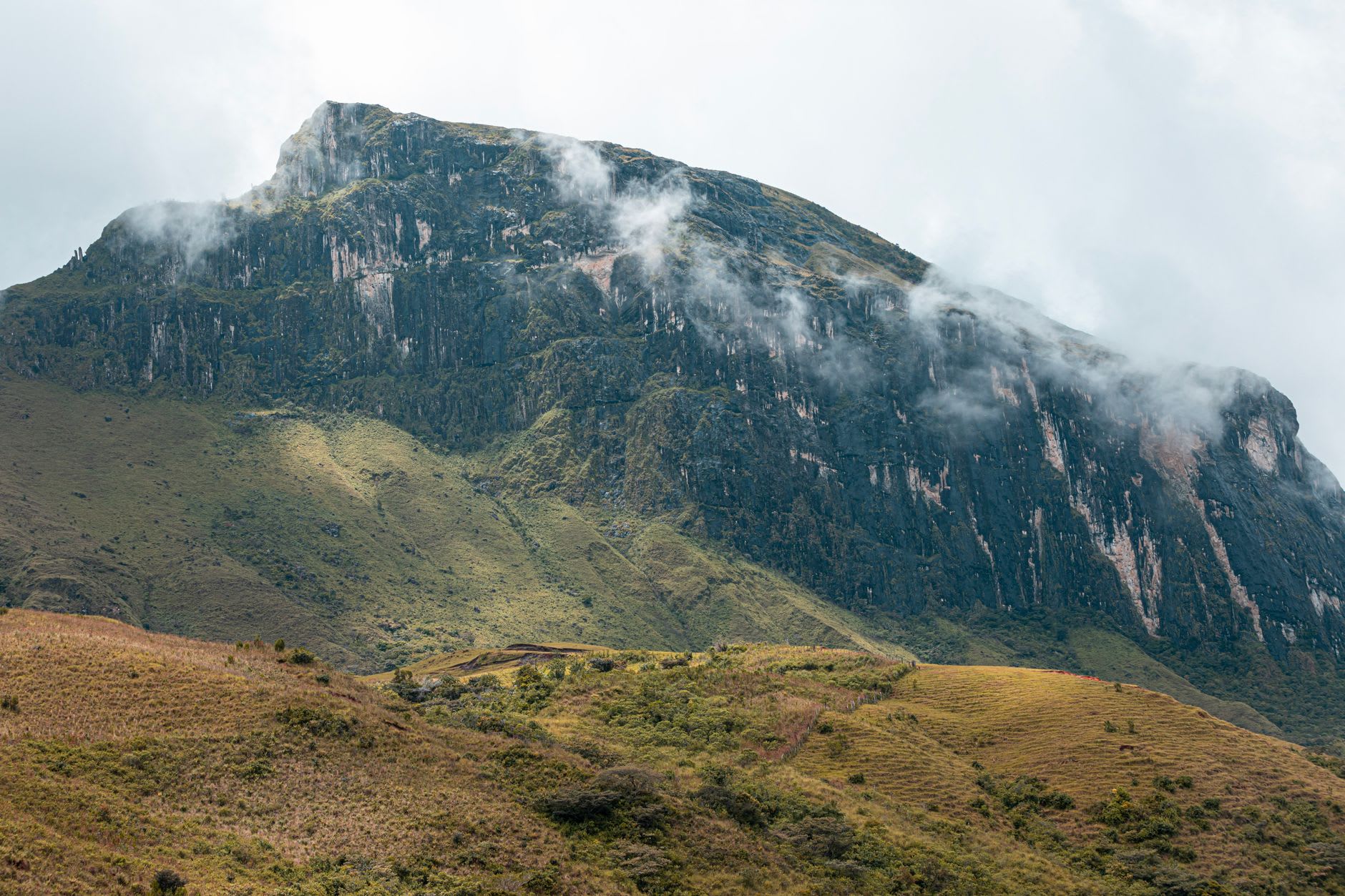
The plateau, when you reach it, is a different country entirely. Flat grassland stretches between the peaks, cut through by clear streams that cascade off the edges in waterfalls visible for miles. The mountain huts — managed by the Mountain Club of Malawi — are simple stone structures where you sign in, pay a small fee, and cook over a communal fire that the hut caretaker keeps going. I spent the night at Chambe Hut with a Dutch couple doing a four-day traverse and a Malawian man from Blantyre who came up alone to walk and had been doing so every few months for twenty years. He showed me the best route to the waterfall below the hut and gave me half his peanuts because, he said, I looked like I needed them. He was right.
The summit of Sapitwa — at 3,002 meters the highest point in Malawi and in the whole of central Africa south of Kilimanjaro — requires a separate full-day push and a guide who knows the routes through the boulder fields. I didn’t have time for Sapitwa on this trip. I stood at the plateau edge instead and looked north across the tea estates of Thyolo and Mulanje district, that geometric green broken by dirt roads and mist. The scale of the view made planning feel foolish.
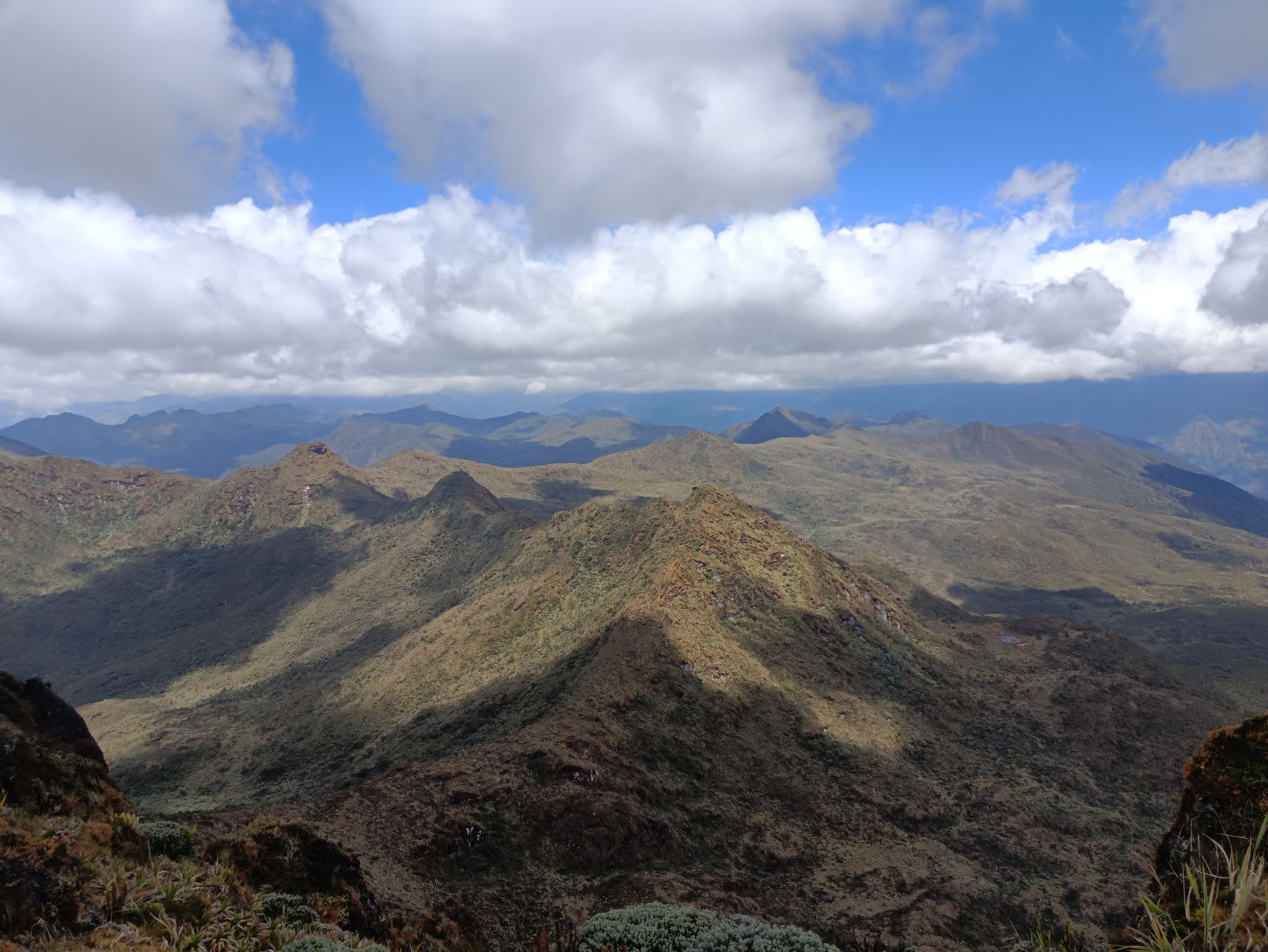
The descent in the afternoon was hard on the knees but the light was extraordinary — low and golden through the cedar, catching the moisture in the air and turning everything amber. My porter sang quietly to himself most of the way down. I asked him what the song was. He said it was about a woman who was beautiful like the mountain. I said that seemed about right.
When to go: May through August offers the clearest skies and best summit conditions. September and October are drier but can bring haze that obscures the views. Avoid December through March when heavy rains make the paths slippery and dangerous and cloud often blankets the plateau entirely. Weekends in July bring hikers from Blantyre but the mountain is large enough that you rarely feel crowded.