Majete Wildlife Reserve
"They told me rhinos had returned here. I didn't believe it until one walked across the road ahead of the vehicle."
There is a photograph of Majete from the early 2000s that I was shown at the camp: empty bush, the kind that signals not wilderness but absence. Poaching had stripped the reserve so comprehensively that by 2003 it held almost no large mammals. What I was looking at through the window of a Land Cruiser on a cold June morning was something else entirely — impala ghosting through the mopane, a herd of buffalo at a waterhole, and then, unhurried and enormous on the track ahead, a black rhinoceros.
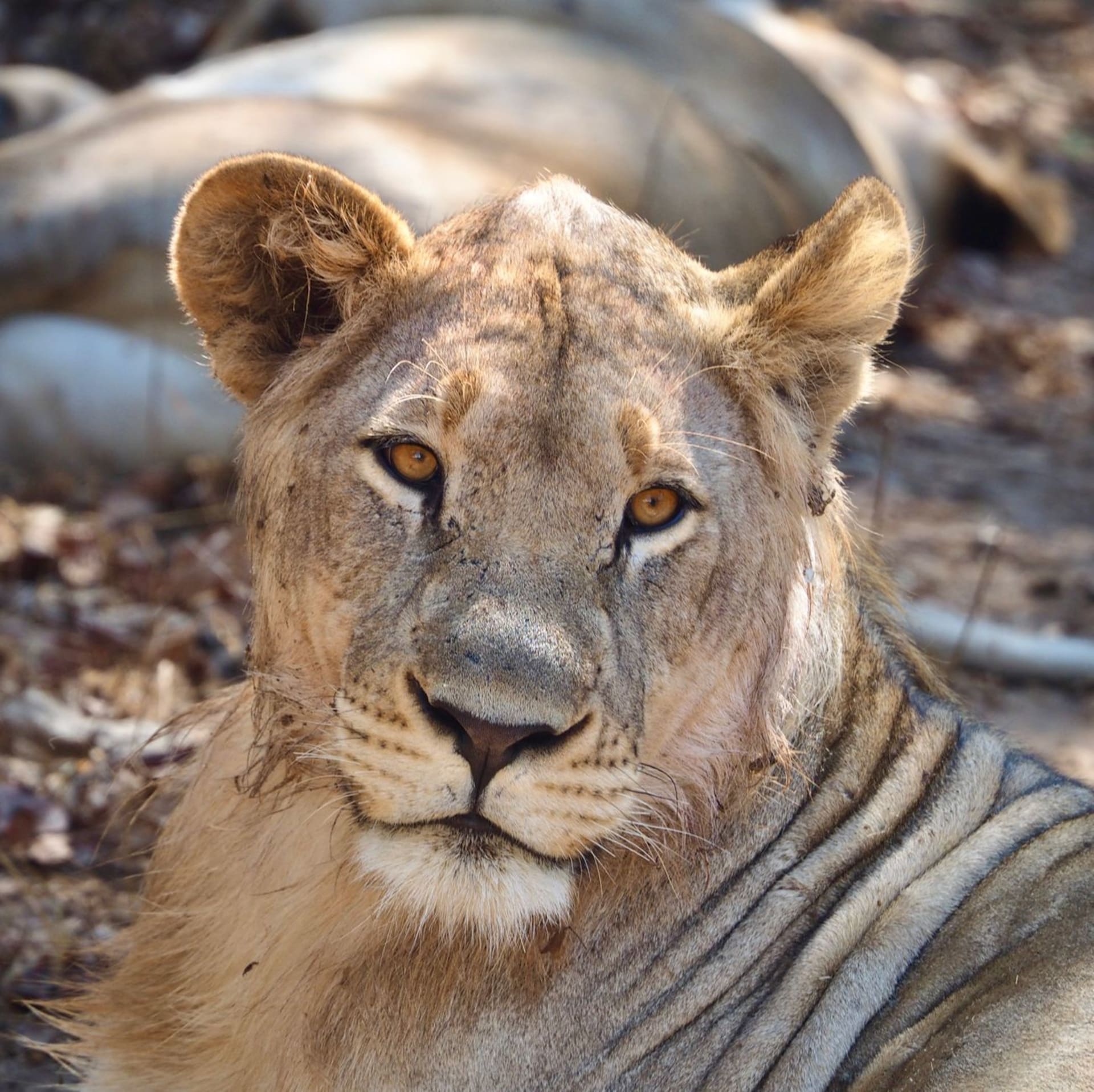
Majete sits in the lower Shire Valley in southern Malawi, where the river cuts through a gorge between the Dedza-Kirk Range and the Thyolo Escarpment. The terrain is dramatic — rugged hills of mopane and mixed bush dropping to riverine forest along the Shire, with views down into the gorge that no photograph ever quite captures. African Parks took over management of the reserve in 2003 and began one of Africa’s most comprehensive rewilding programs: elephants, lions, leopards, cheetahs, buffalo, hippos, and eventually black rhinos were all either returned or protected until their populations rebuilt. By the time I visited, the reserve held Malawi’s only Big Five.
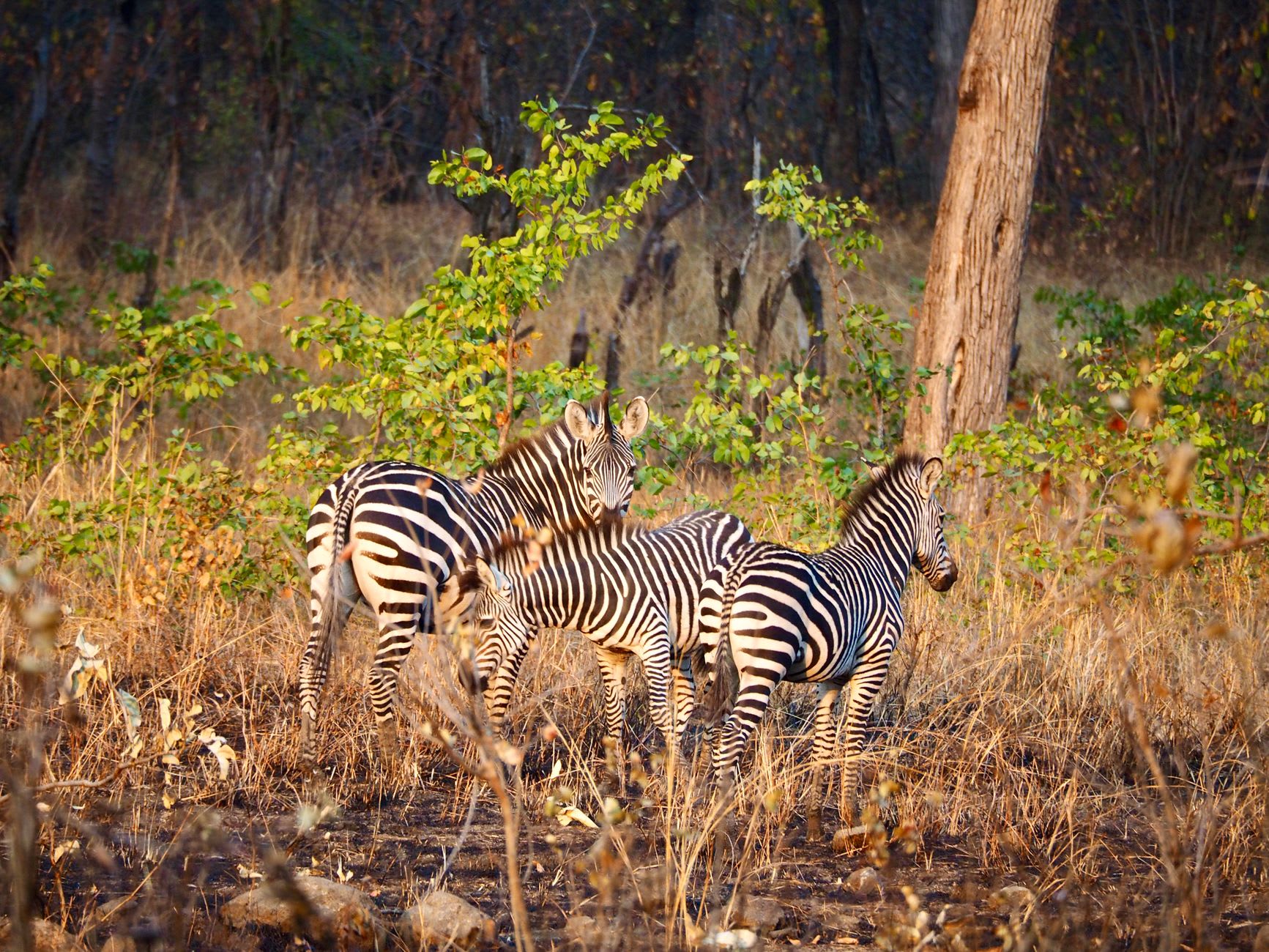
The morning game drive started in the dark, with jackets against a cold that Malawi’s lowland reputation doesn’t prepare you for — the Shire Valley in June is cool at dawn. Our guide, a slight man named Witness who had worked the reserve for twelve years and had opinions about everything, cut the engine on a ridge overlooking the river and we watched a family of elephants cross below us in single file, the calves pressed tight to the flanks of the adults. “That female lost a calf to a lion last year,” Witness said. “But she has this one now.” He said it like it was a satisfying story, which it was.
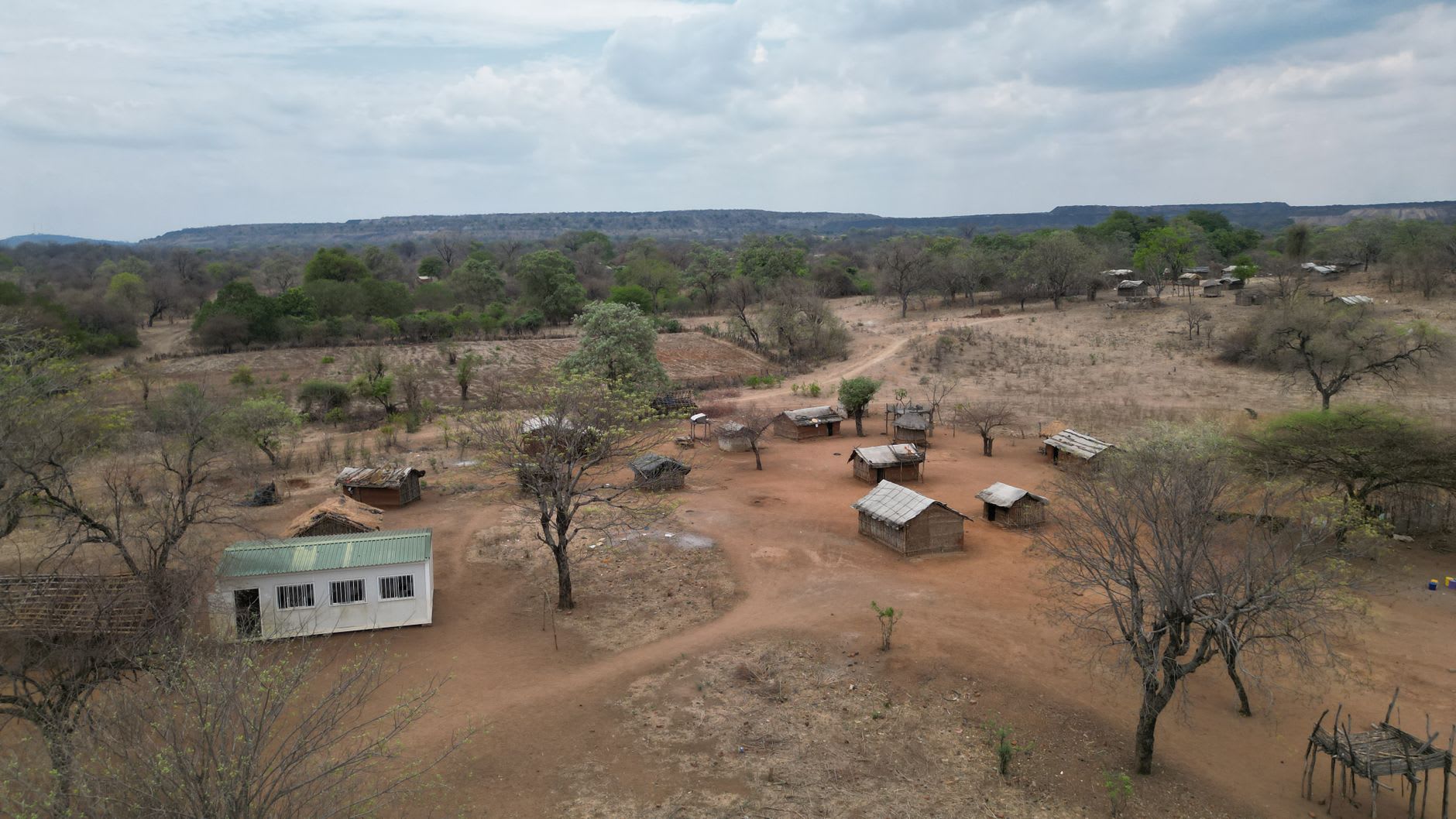
The camp itself — Thawale, tucked into a curve of the river — is designed with a restraint that feels appropriate for a reserve still in the process of becoming itself again. Tents on platforms face the water; at night the sounds from the bush are genuinely wild, not curated. I lay awake for a while listening to a hyena working through something it had found, and then the improbable nearby grunt of a hippo, and felt the mild electric awareness that comes from sleeping somewhere the food chain is still actively negotiating.
What distinguishes Majete from better-known reserves elsewhere in southern Africa is the intimacy of it. The reserve is large enough to feel wild but small enough that the animals are findable without the crowd pressure of the Serengeti or South Luangwa. On our morning drive we saw rhino, lion tracks (the lions themselves were elusive), elephant, giraffe, and a leopard that held its position in a tree for four minutes and then was simply gone — no drama, no farewell, just the branch it had occupied, empty.
When to go: May through October for dry-season game viewing, when animals concentrate around water sources and the bush thins out enough for good visibility. June and July offer the coolest conditions and the best early morning game drives. The rainy season from November to April transforms the reserve into lush green country but sightings become harder as animals disperse and vegetation thickens.