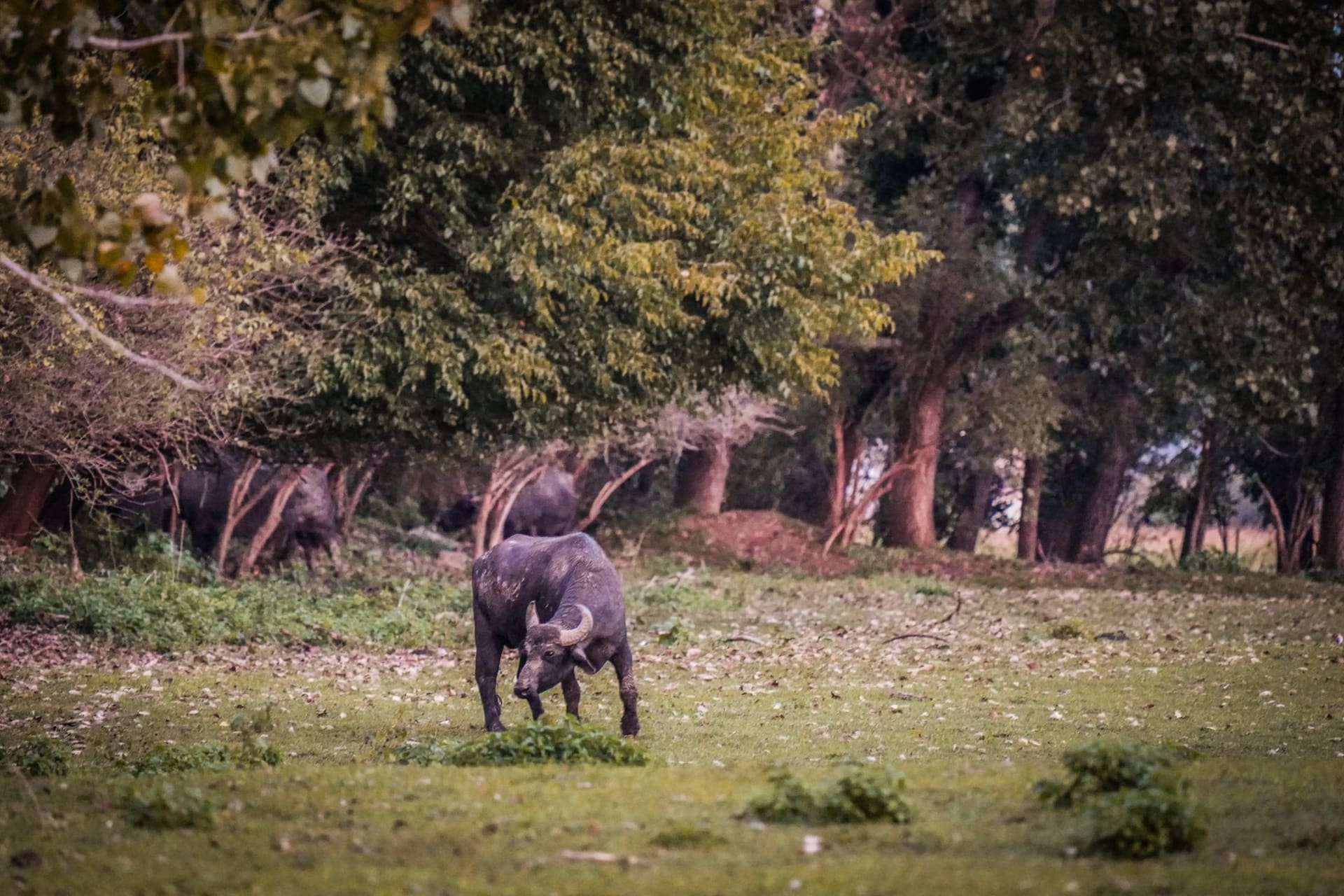
Liwonde National Park
"The hippo surfaced three metres from the boat. The guide didn't flinch. I did."
I had been warned that Liwonde was different from the big-name East African parks — fewer animals, more intimate, the kind of place where you feel like you’ve discovered something rather than checking it off a list. That warning undersold it by a considerable margin.
The park sits along the Shire River in southern Malawi, where the river drains south from Lake Malawi before eventually joining the Zambezi. The landscape is flat riverine bush: fever trees, borassus palms, and dense thickets of Acacia and mopane. What makes Liwonde unusual is how the Shire anchors everything. The boat safari here is not a supplementary activity — it is the thing. I boarded a flat-bottomed vessel at five in the afternoon, just as the light was beginning its long sideways slide across the water, and for the next two hours I sat four feet above the surface of the river and watched the park come alive.
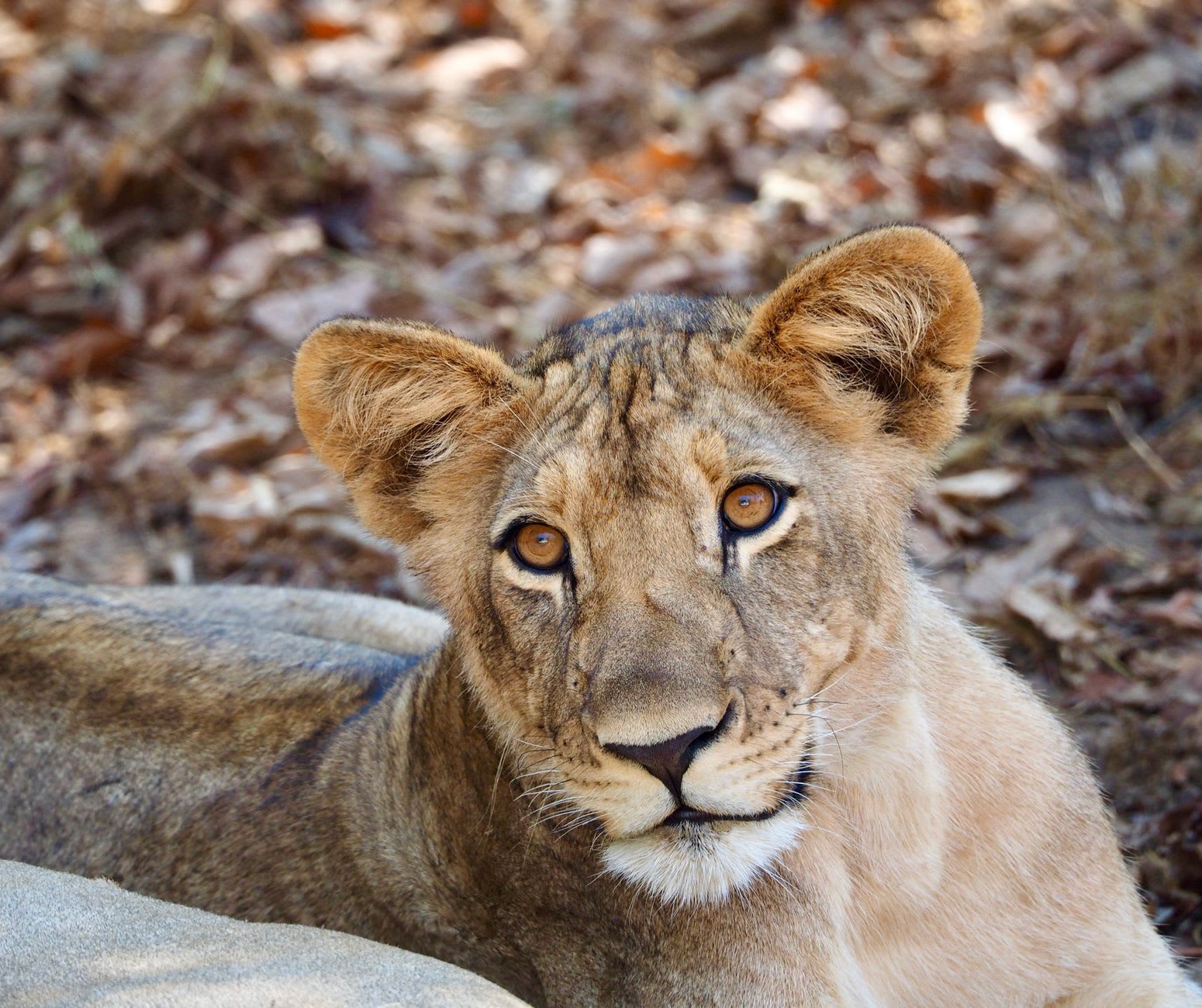
The hippos were everywhere — wallowing in pods, surfacing with that enormous exhale that sounds like a punctured truck tyre, watching us with amber eyes from five meters away. The guide cut the engine near a sandbank and we drifted silently. A fish eagle launched from a dead leadwood tree, circled once with those improbable wings, and shrieked — that sound, unmistakably African, that seems too dramatic to be a real bird call. Crocodiles slid off the banks ahead of us. A herd of elephants — thirty at least, including several calves still rust-red from rolling in the mud — materialized at the water’s edge and drank with a gravity that made everything else feel trivial. The guide leaned over and said, very quietly: “Liwonde has more elephants than Zambia’s South Luangwa.” I had no way to verify this. It felt plausible.
The park’s recent history is one of Malawi’s genuine conservation successes. African Parks took over management in 2015 and within a few years had reintroduced lions, cheetahs, and black rhino to a park that had been heavily poached. Walking in the early morning through the mopane woodland, I was aware of something I rarely feel in game reserves: the sense that this ecosystem is healing rather than holding on. The bird life alone was extraordinary — hornbills, kingfishers, the improbable pink flush of carmine bee-eaters nesting in the riverbank.
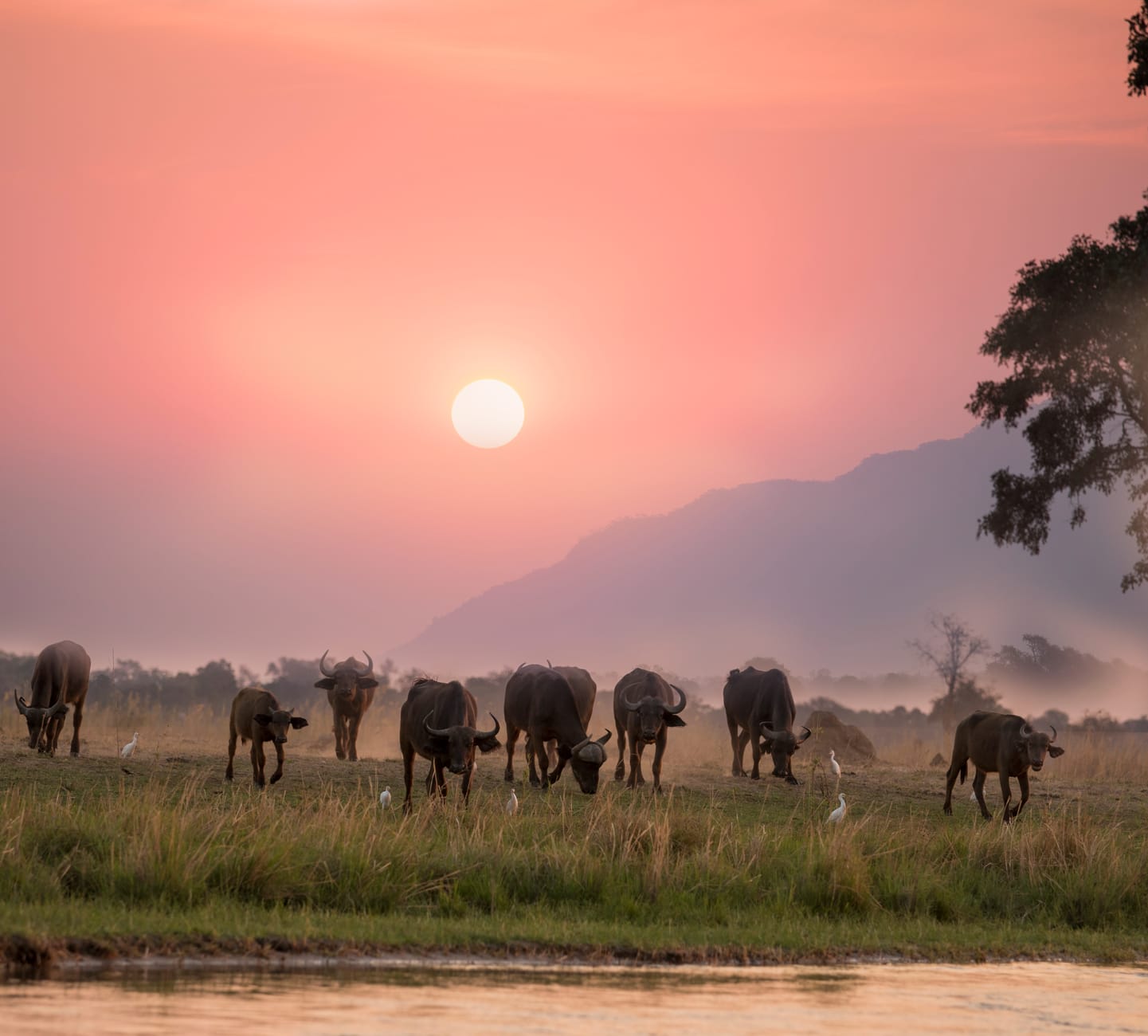
The camps along the river are small and unhurried. My banda faced the Shire directly; I fell asleep to the sound of hippos grazing on the bank below and woke at four in the morning to what sounded like a large animal knocking over something important nearby. It was a hippo investigating a storage container. The management seemed unsurprised at breakfast. These things apparently happen.
When to go: May through October is the dry season and the best time for game viewing — animals concentrate along the Shire as water sources dry up inland, and the boat safari is at its most spectacular in the late afternoon light. The park is open year-round but the rains from November to April can make tracks impassable and the bush too thick for good sightings. June and July offer the coolest temperatures and some of the best birding.