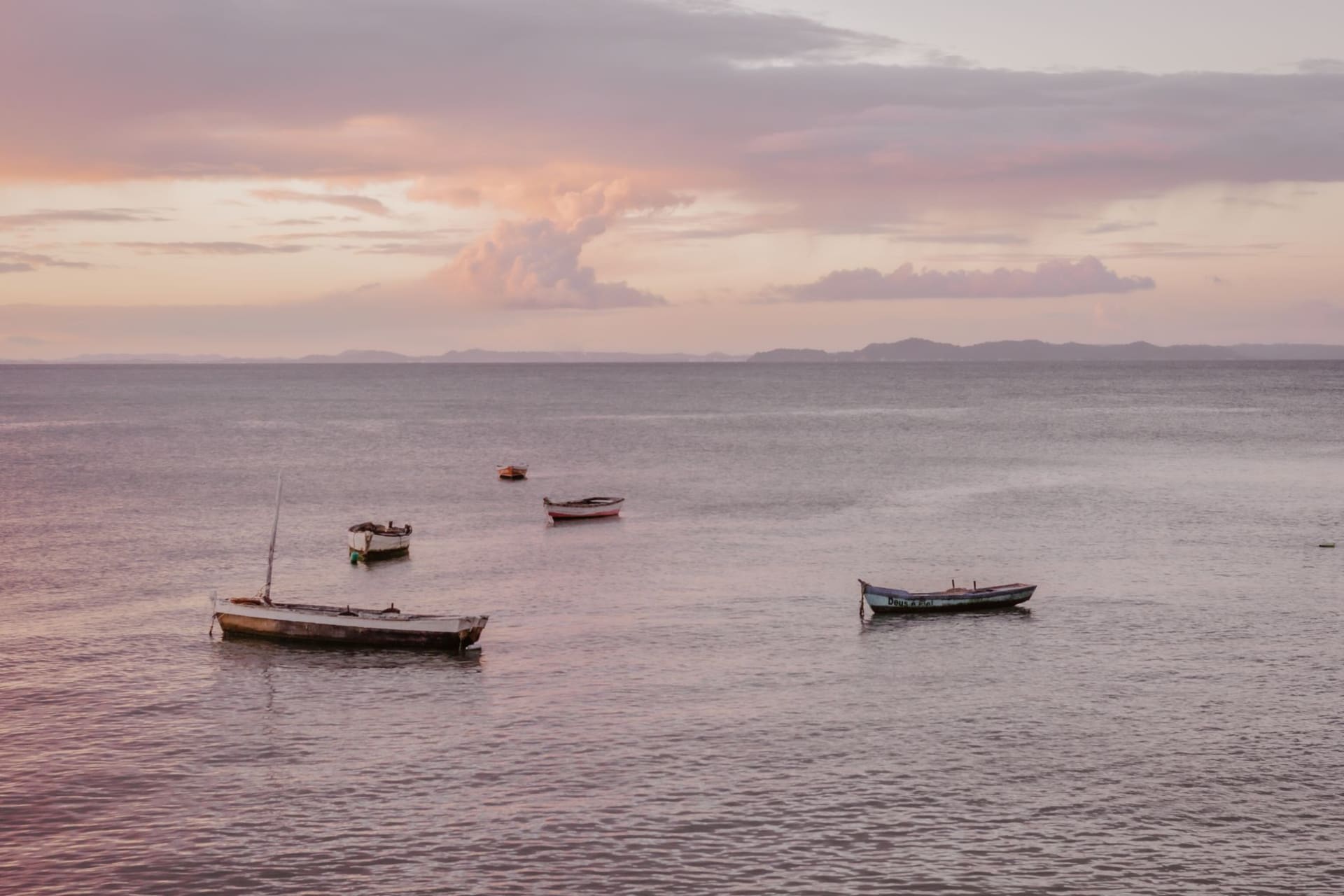
Likoma Island
"The cathedral is larger than Notre-Dame's nave. On an island smaller than Manhattan's Central Park. I kept checking my map."
The island appeared through the morning haze like a rumor — a dark mass of baobabs and mango trees rising from the lake, and above them, impossibly, the twin towers of a Gothic cathedral. Likoma Island sits in Mozambican territorial waters despite being part of Malawi, a quirk of colonial cartography that gives it a slightly surreal quality, as if reality here is governed by a different set of rules. I arrived on the small propeller plane from Lilongwe, which deposits you on a grass airstrip next to a mango grove and leaves again immediately, and spent the following four days in a state of pleasant disorientation.
The cathedral — St Peter’s, built by the Universities’ Mission to Central Africa between 1903 and 1905 — is the first thing anyone tells you about Likoma, and they’re right to. It is enormous by any standard and astonishing by the standards of a small island in a landlocked African lake. The nave is longer than Winchester Cathedral’s. The floors are smoothed stone. The stained glass survived the journey from England and a century of tropical heat and still filters the morning light into pools of red and blue on the pews. I sat inside for an hour on a Tuesday morning while a woman cleaned the altar with the slow attention of someone for whom this is both work and devotion. Outside, children played in the baobab shade. The juxtaposition — Victorian ecclesiastical ambition dropped wholesale into this quiet island — was so complete it had stopped feeling strange.
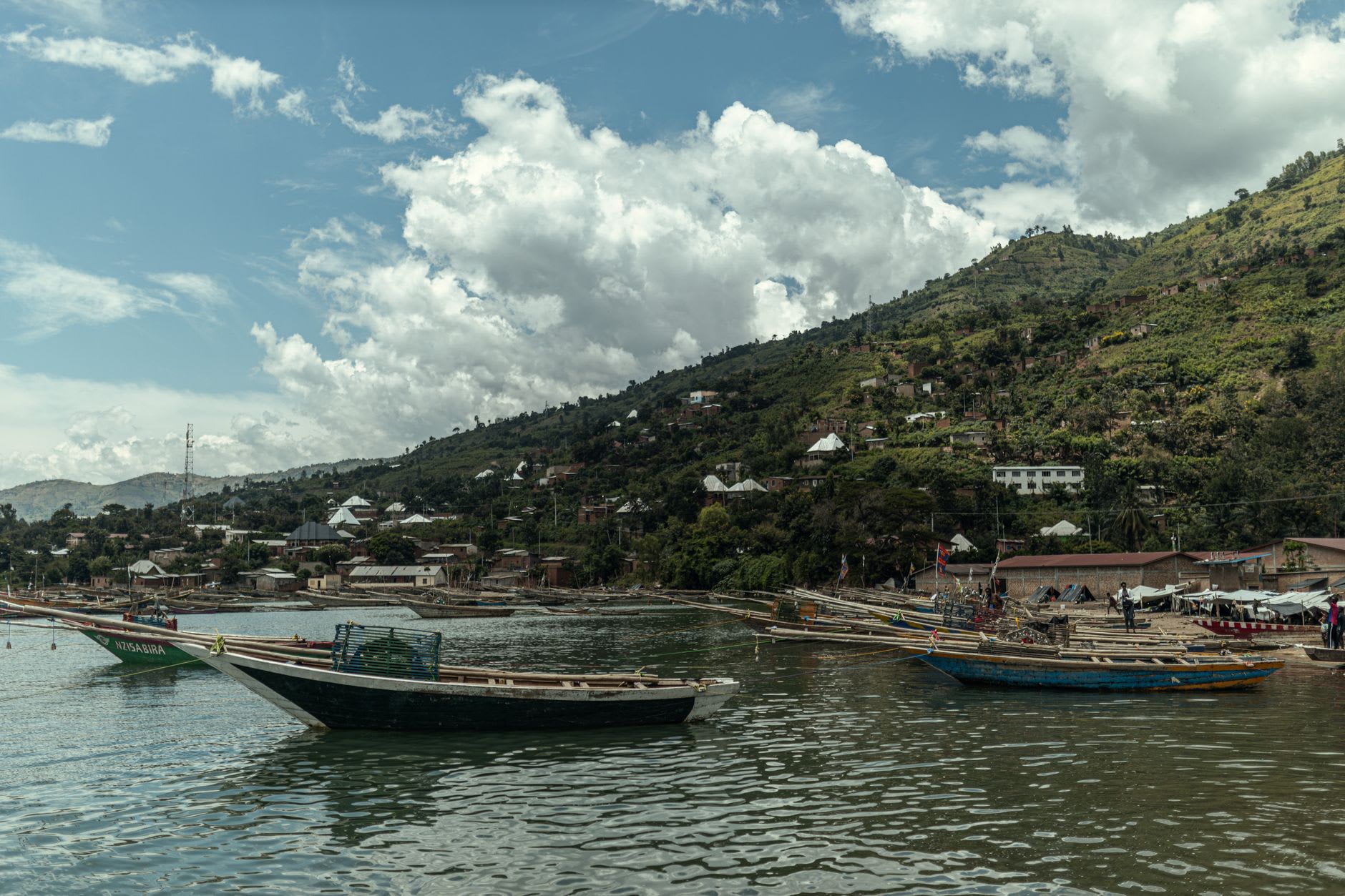
The island beyond the cathedral is a place of exceptional gentleness. The roads — mostly sandy tracks through mango groves — are navigated by bicycle and foot. Fishermen work the shoreline at dawn and the catch is spread on rocks to dry by mid-morning. The beaches on the western side are white sand and the water is the kind of turquoise that tropical oceans spend marketing budgets trying to replicate, except this is a freshwater lake two thousand kilometers from the ocean. Snorkeling here felt transgressive, like the rules of geography had been quietly suspended.
I ate most of my meals at a wooden table outside a woman named Grace’s kitchen, where the menu was whatever she had cooked that day — usually nsima and dried fish or beans from her garden, once a whole chambo that she grilled over charcoal while we talked about nothing in particular. It cost the equivalent of about a dollar and fifty cents. I left considerably more on the table. Grace did not make a performance of accepting it.
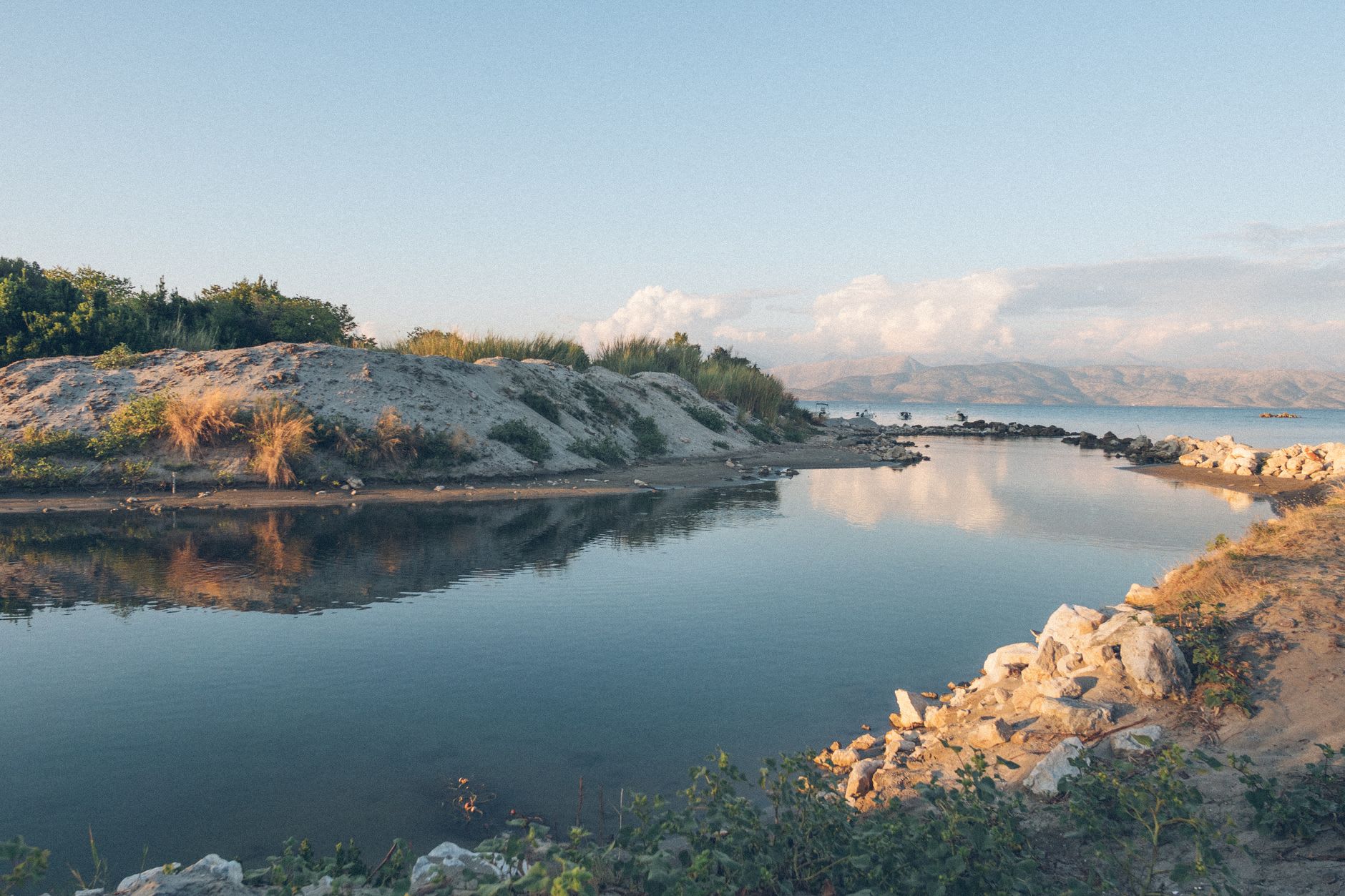
Getting to and from Likoma requires either the Ilala ferry (schedule permitting) or the small Fly Malawi prop plane, and the journey either way involves significant patience. This is not a flaw in the destination. It is the reason Likoma remains itself — unhurried, self-contained, impossible to rush through even if you wanted to.
When to go: April through October for dry weather and good visibility in the water. The island is accessible year-round but the Ilala ferry schedule becomes even less reliable in the rainy season. November through March brings afternoon storms that arrive fast across the lake — spectacular from shore but uncomfortable for swimming. Book flights early; the island’s single lodge and the small propeller plane both have limited capacity.