Moosehead Lake
"Forty miles of lake and not one bar of cell signal — I have never felt so far from anywhere, or so glad to be there."
Maine's largest lake, where Mount Kineo's cliffs rise from still water and Thoreau once paddled into the North Woods.
Lia and I got to Greenville just before sunset, and I remember standing in the gravel lot behind our motel, staring out at all that water and genuinely not believing the scale of it. Moosehead Lake is the largest lake entirely within Maine — about 40 miles long, 117 square miles of it — and from the shore it just keeps unfolding, ridge after ridge of spruce fading into blue haze. I’d read about it before we left Mexico, but numbers on a page don’t prepare you for standing at the edge of something that big and that quiet. Greenville itself is small, a handful of blocks really, but it’s clearly built around the lake: float planes tied up at the docks, outfitters with canoes stacked three high, a general store that sells both bear spray and blueberry pie.
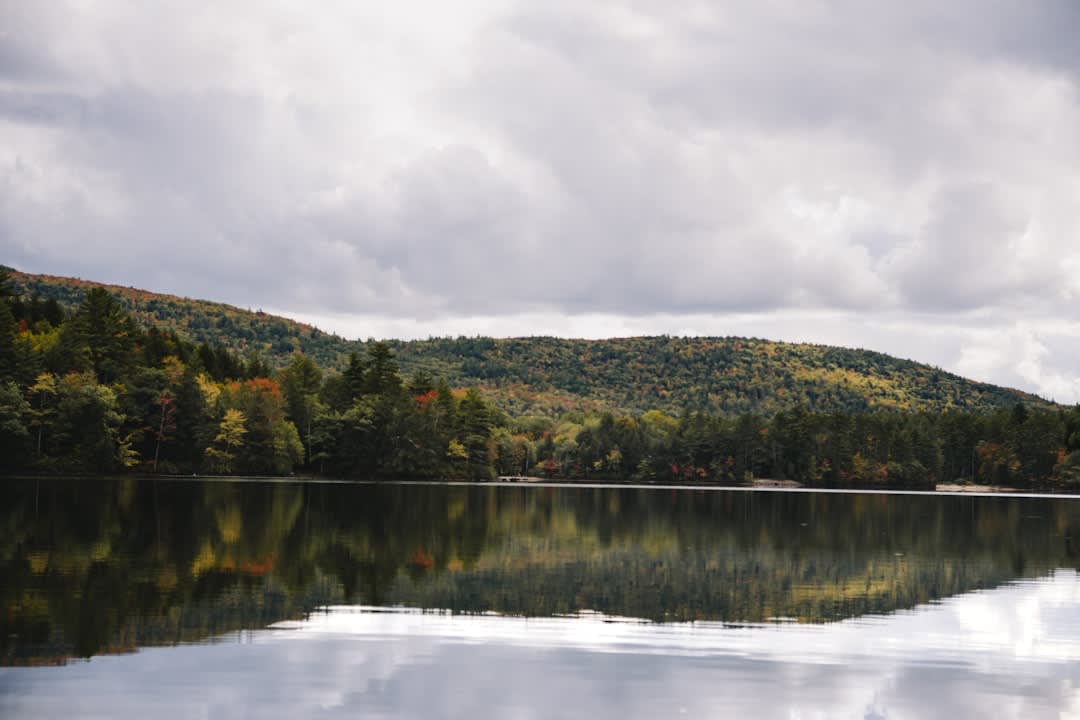
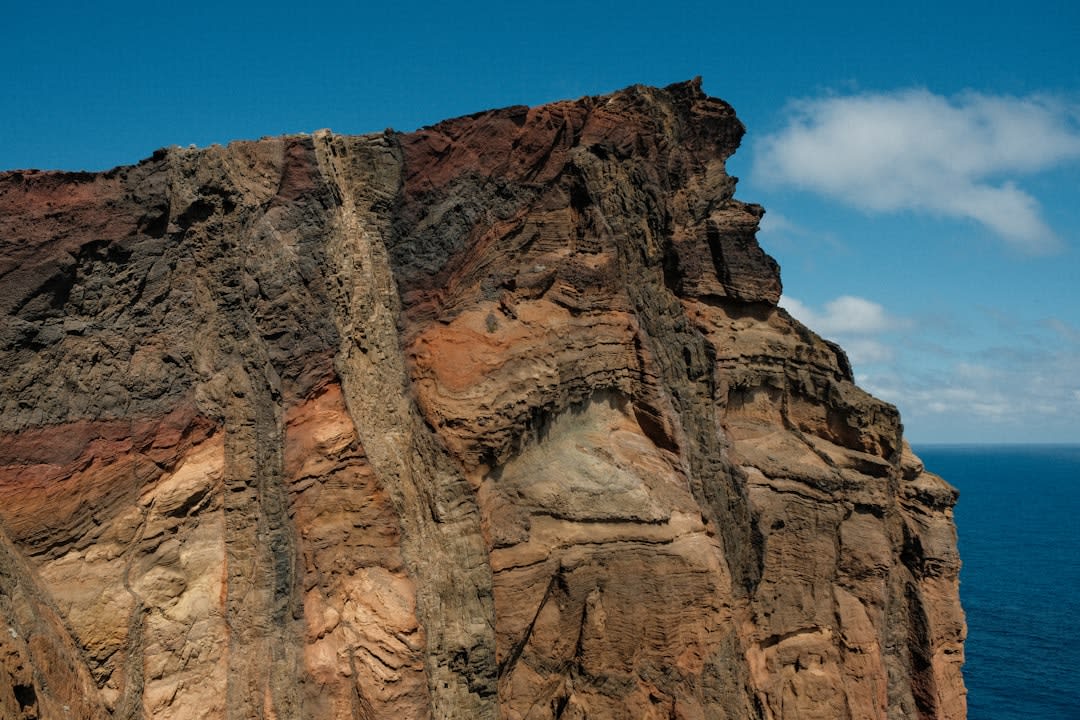
The next morning we booked a boat tour out toward Mount Kineo, and that’s the moment the trip really opened up for me. Kineo rises 763 feet straight out of the eastern shore, a wall of rhyolite that our guide explained was quarried by Native peoples for tool-making for thousands of years before anyone in Europe knew this lake existed. Standing at its base in the boat, engine cut, water slapping the hull — I felt small in the good way, the way you want to feel on a trip like this. Lia kept saying it looked like something out of a Windham Hill album cover, and honestly she wasn’t wrong. We didn’t see a moose that day, which needled at me a little, but our guide promised the marshy inlets at dawn were the real bet.
We went back out at 5:30 the next morning, half-asleep, coffee in a thermos between us, and got our moose — a young bull, up to his knees in a cove off the north end, utterly unbothered by our idling motor. I kept thinking about Thoreau, who canoed and camped on this same lake back in 1853 and wrote it all up later in The Maine Woods. He complained about the bugs and the cold and the general difficulty of the North Woods, and paddling out there myself, half-frozen with cold coffee, I finally understood why he bothered writing it all down. Some places make you want to keep a record, even a bad one.
By our last evening we’d stopped trying to do anything and just sat on the dock behind the motel, watching the light go long and gold over the water. Lia said it reminded her of nowhere else we’d been together, and I think that’s exactly right — Moosehead has none of the polish of the coastal towns everyone talks about when they think of Maine. It’s wilder, plainer, and somehow more honest for it.
When to go: Aim for late spring through early autumn, when the moose are most visible along the marshy coves and the lake is calm enough for boating; if you can time it for late September, the surrounding hills go full color and it’s worth the extra layers.
Keep exploring
More from Maine
 maine
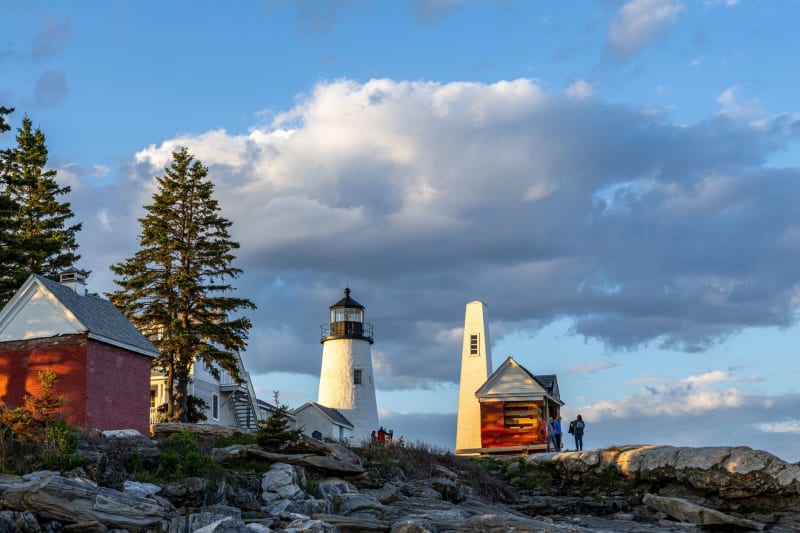
maine Pemaquid Peninsula
A long finger of land pointing into the Atlantic where the rock shelves into the sea in formations almost too beautiful to be geology.
Explore maine
maine Portland
A working port city that somehow became one of America's great food towns without ever forgetting the smell of the sea.
Explore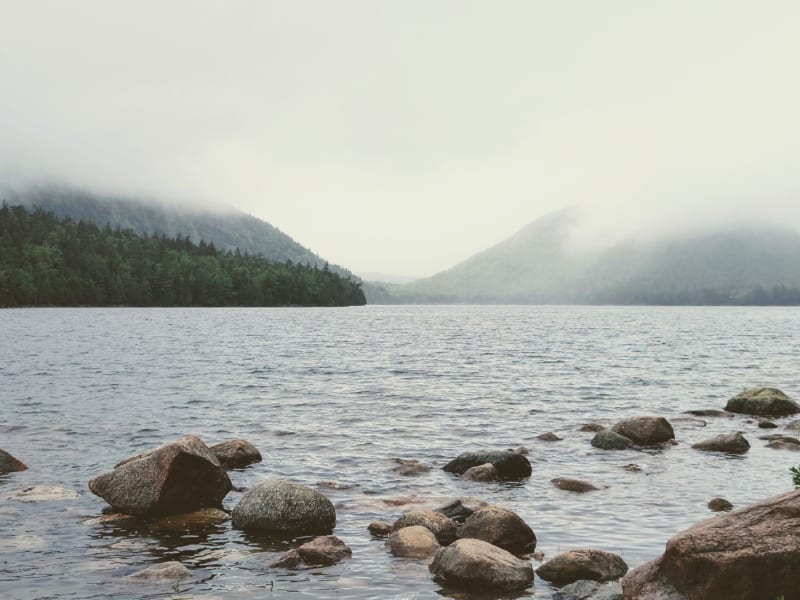 maine
maine Rangeley Lakes
Interior Maine's lake country — moose at dusk, cold water, and the deep quiet of a forest with no particular destination.
Explore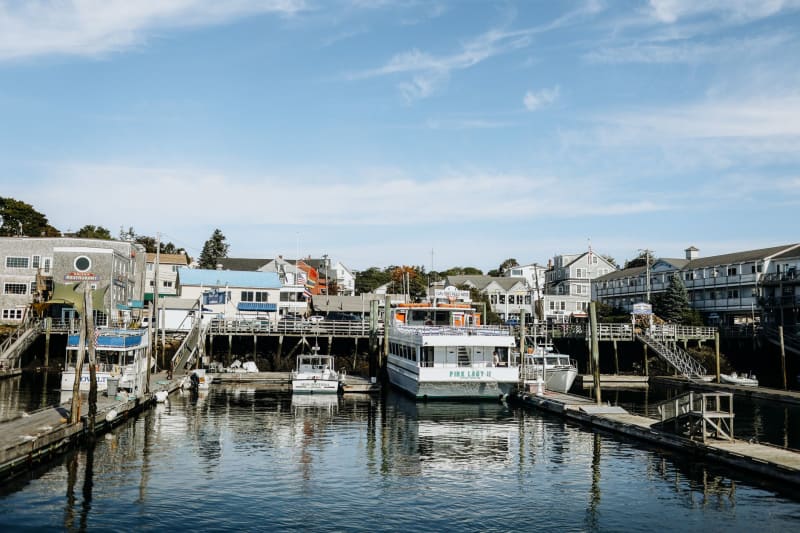 maine
maine Rockland
A mid-coast fishing town that grew an art museum and a serious restaurant scene without losing the salt air or the lobster boats.
Explore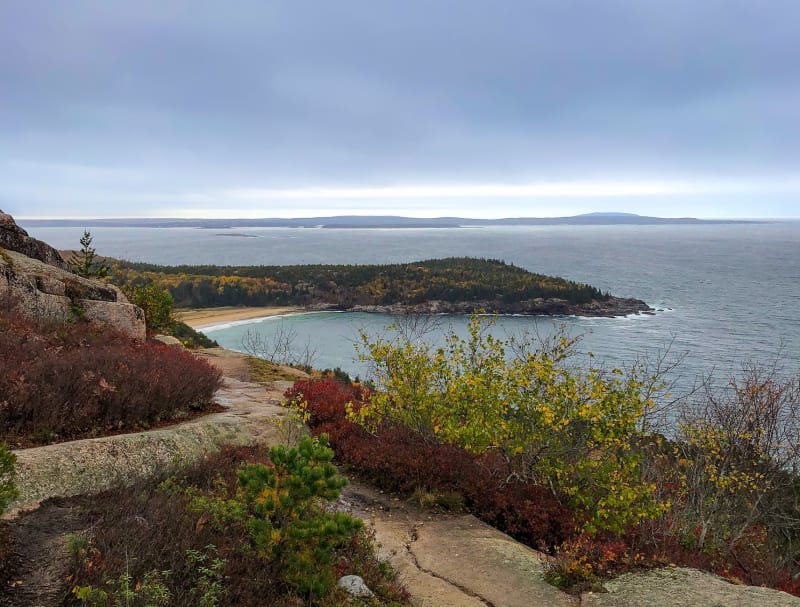 maine
maine Acadia National Park
Pink granite, carriage roads, and a summit where you can watch the sun rise before the rest of America even stirs.
Explore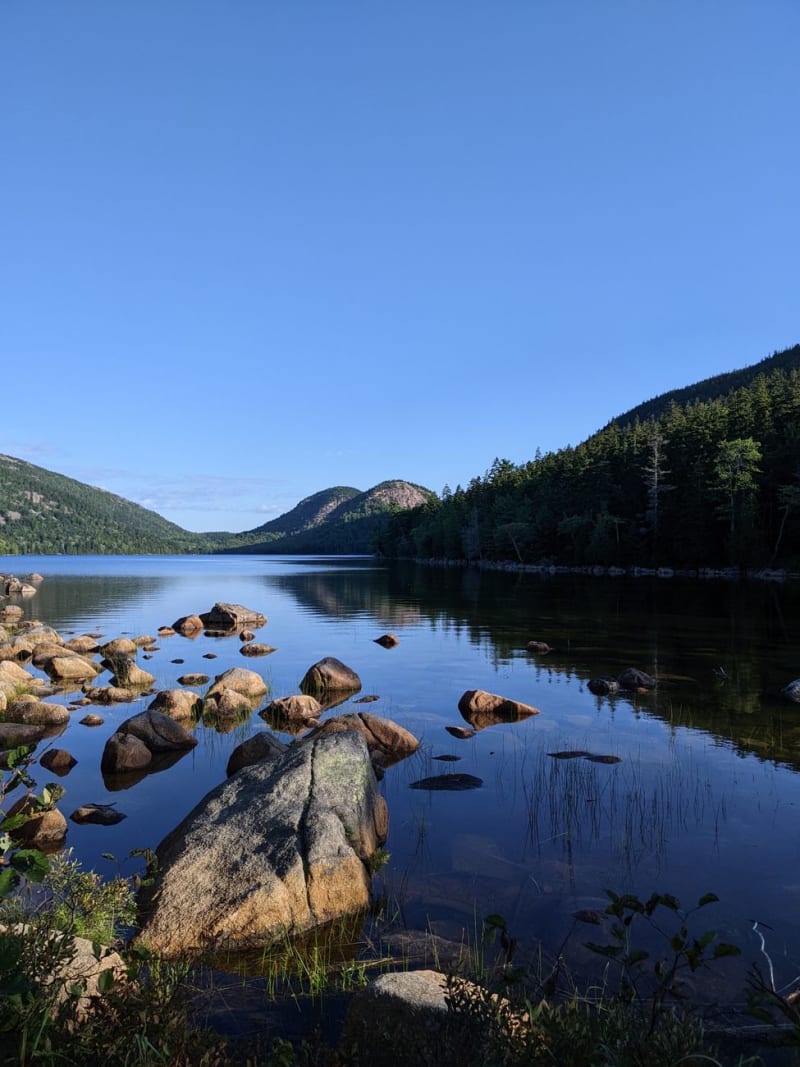 maine
maine Baxter State Park
The wild northern interior of Maine, where Mount Katahdin ends the Appalachian Trail and the rules are deliberately set against convenience.
Explore