Americas
Maine
"The first place in America that ever felt genuinely northern to me."
A coastline of granite ledges, working lobster wharves, and fir-thick peninsulas where the Atlantic still runs cold enough to mean it.

I arrived in Portland on a July morning and was immediately confused by the cold. Not unpleasant — just unexpected. I’d come from Mexico, via a week in New York, and I’d half-assumed New England summer would feel like summer. Instead there was a wind off Casco Bay that cut through my shirt, the smell of low tide and diesel from the fishing boats at the pier, and a man selling lobster rolls from a painted trailer who seemed mildly amused that I was wearing a jacket in July. That first morning set the terms: Maine does not perform for anyone. You adjust to it.
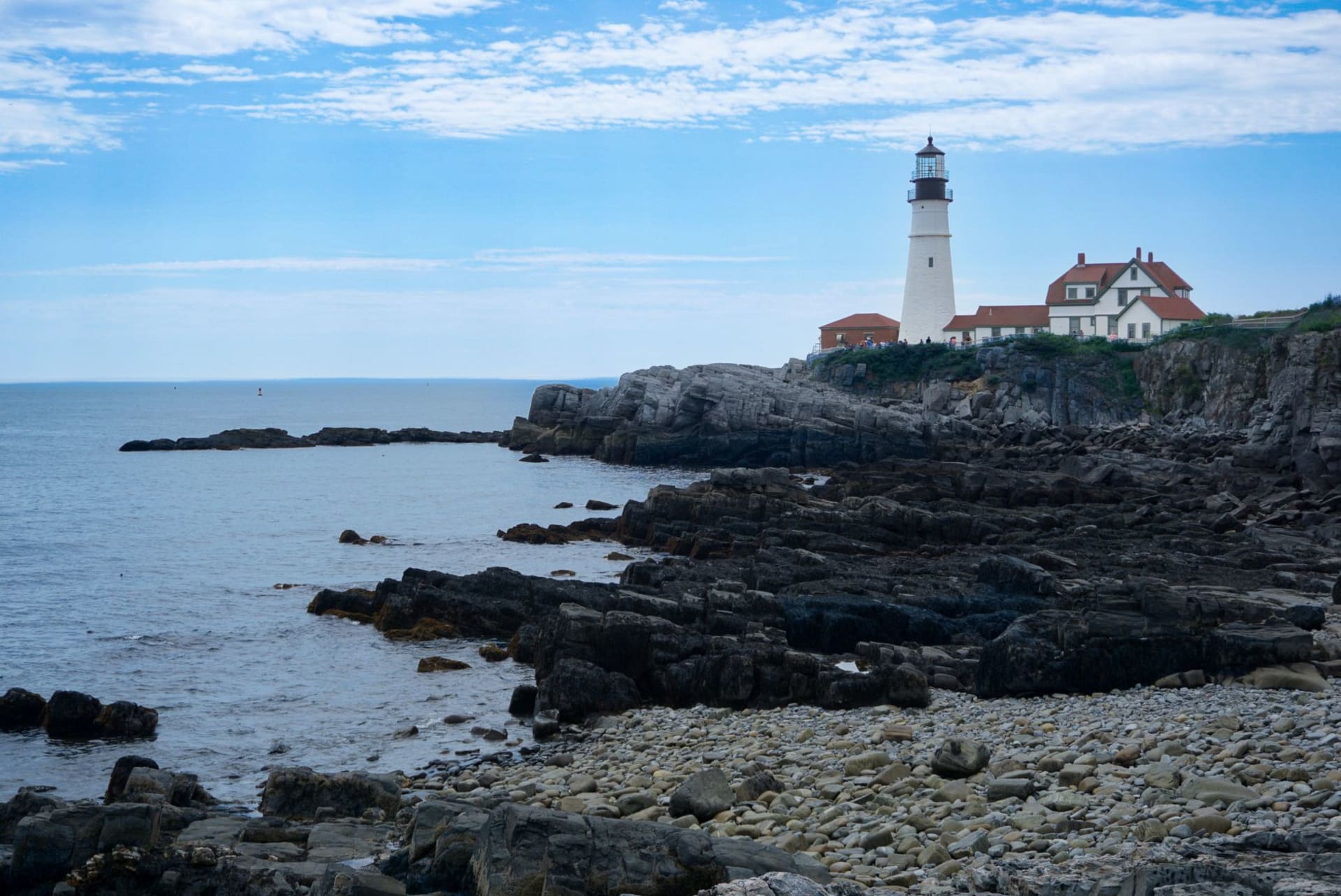
The coast is the thing, but not in the way most people imagine. This isn’t the Hamptons, or the Cape, or any of those places where the sea is a backdrop for something else. Maine’s coastline — a deeply fractured edge of granite peninsulas, tidal inlets, and island archipelagos that stretches for more than five thousand kilometers once you account for every notch and cove — is genuinely wild in places, even today. Drive south of Portland down Route 77 to Cape Elizabeth, where Portland Head Light sits on a ledge of barnacled rock watching over the shipping lane, and you understand why this coast has been wrecking ships since the seventeenth century. Drive north through Damariscotta, along the Pemaquid Peninsula to the lighthouse at the point, and you understand why people come here and simply don’t leave. The rock shelves down into the Atlantic in long flat steps. Seals sleep on offshore ledges. The light in late afternoon is the color of old amber, and the silence is so complete you can hear the water working into the crevices below your feet.
The food runs deep here in ways that have nothing to do with trends. A lobster eaten at a wharf shack in Tenants Harbor — boiled, cracked at the table, dipped in drawn butter, eaten while looking at the boats — is one of the most satisfying meals I’ve had anywhere. The same for a bowl of chowder at a counter in Rockland: thick, not overwrought, made with clams that were in the water the day before. Portland has become genuinely good for eating, with a restaurant scene that punches well above what a city of seventy thousand should be able to support, but the best things I ate there cost almost nothing and came from a wharf, a gas station bakery, or a screen door diner in a town with a population of four hundred.
When to go: Late June through early September for the coast, when the days are long and the water is as warm as it ever gets (which is still cold). Late September and October for fall foliage in the interior — more dramatic and less crowded than Vermont. Avoid the height of August if you want Acadia National Park to yourself; go in June instead.
What most guides get wrong: They spend half their time on Acadia and treat the rest of Maine as a footnote. Acadia is magnificent, yes — the carriage roads, the summit of Cadillac, the pink granite of the shore path at dawn — but the rest of the coast is where Maine actually lives. The fishing villages south of Rockland. The Deer Isle peninsula. Cutler. The Bold Coast trail. The guides send everyone to the same overlook. The real Maine is the one you reach on a two-lane road that ends at somebody’s dock.
Explore
Places in Maine
 maine
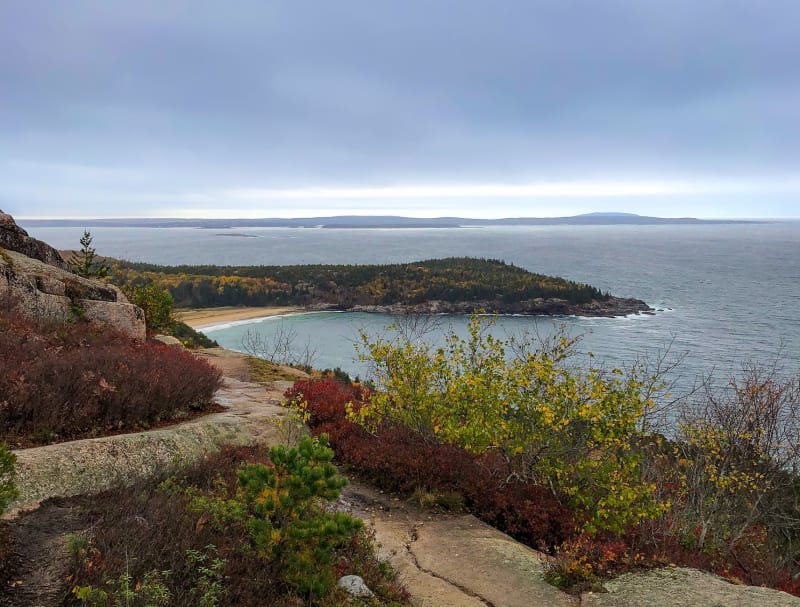
maine Acadia National Park
Pink granite, carriage roads, and a summit where you can watch the sun rise before the rest of America even stirs.
Explore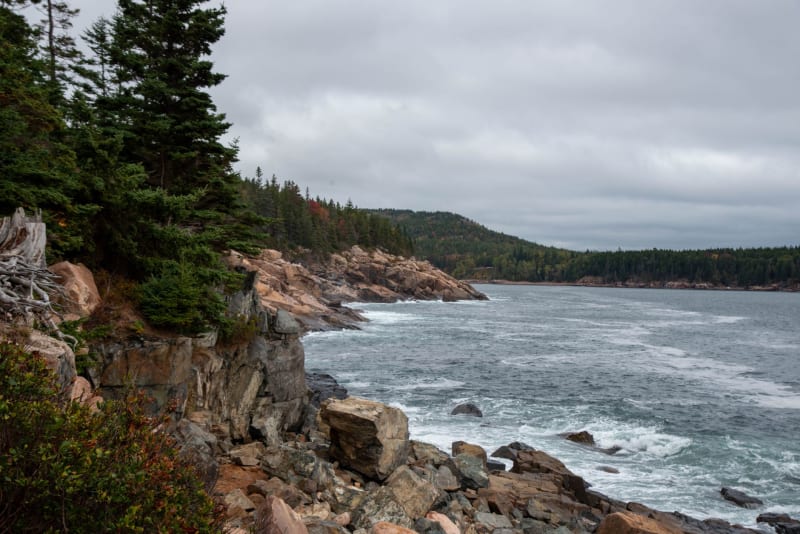 maine
maine Baxter State Park
The wild northern interior of Maine, where Mount Katahdin ends the Appalachian Trail and the rules are deliberately set against convenience.
Explore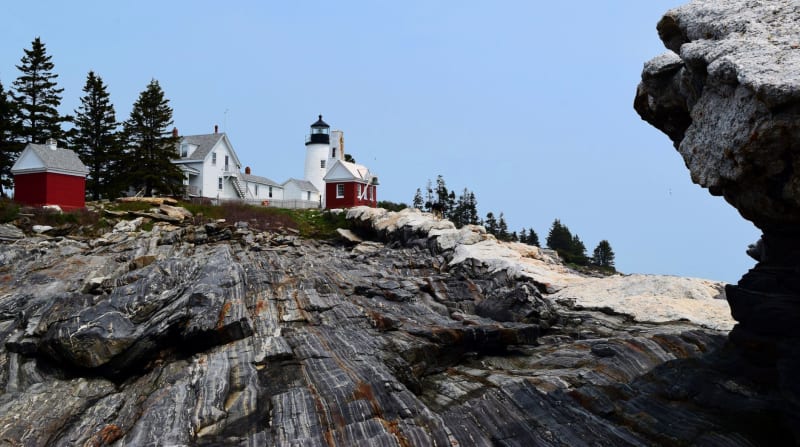 maine
maine Bold Coast & Cutler
The most remote stretch of the eastern seaboard — cliffs, cold sea, and the feeling of standing at the actual edge of America.
Explore maine
maine Boothbay Harbor
A working fishing village turned summer haven, where a century-old footbridge and lobster boats share the same quiet harbor.
Explore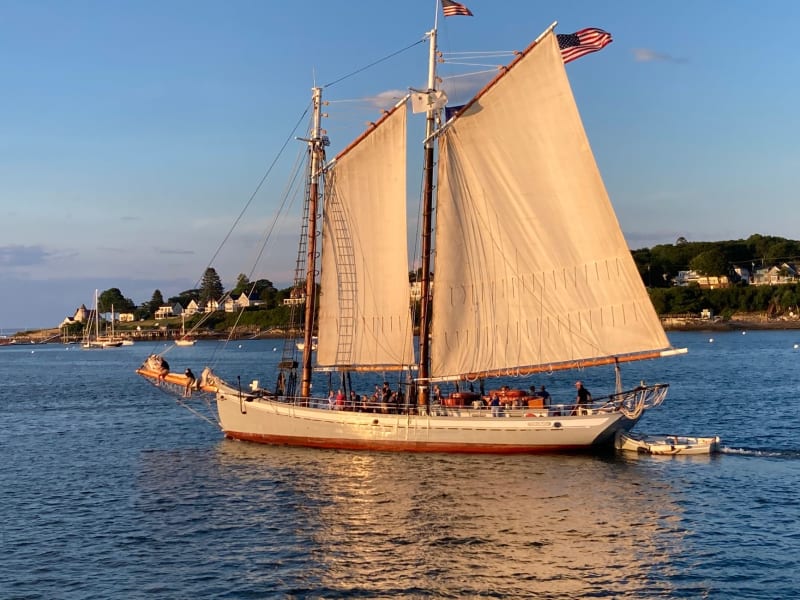 maine
maine Camden
The harbor town that Maine's coast has been building toward, with windjammers and hills and the specific light of Penobscot Bay.
Explore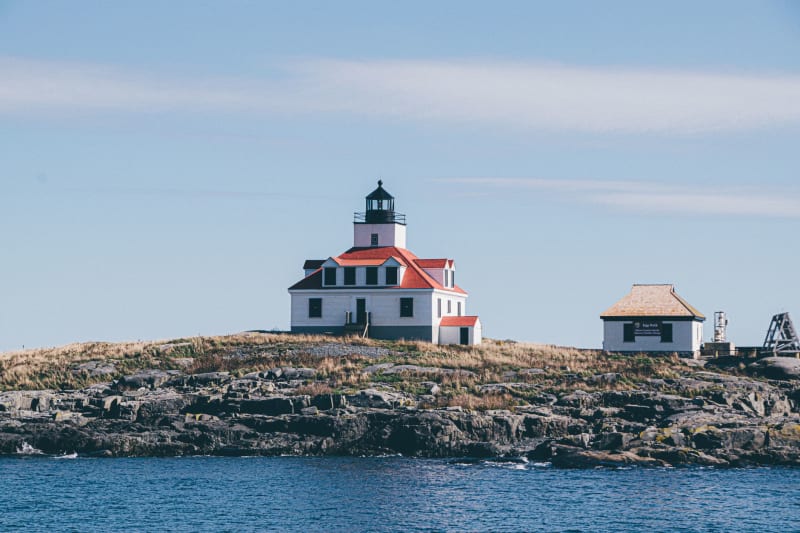 maine
maine Deer Isle & Stonington
A remote peninsula where the lobster fleet still goes out before dawn and the fog feels like a permanent resident.
Explore maine
maine Kennebunkport
Southern Maine's most polished coastal town, where the lobster is still honest even when everything around it isn't.
Explore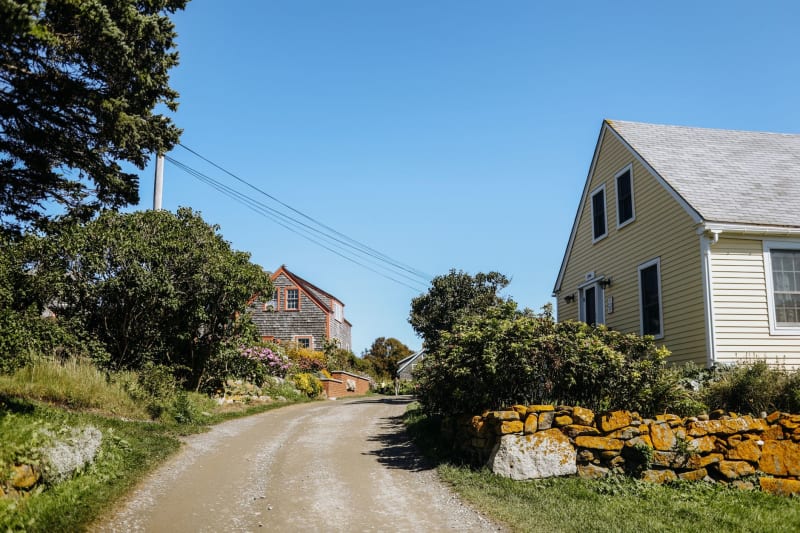 maine
maine Monhegan Island
A car-free island ten miles offshore where artists have been arriving for a century and the headland trail drops straight into the Atlantic.
Explore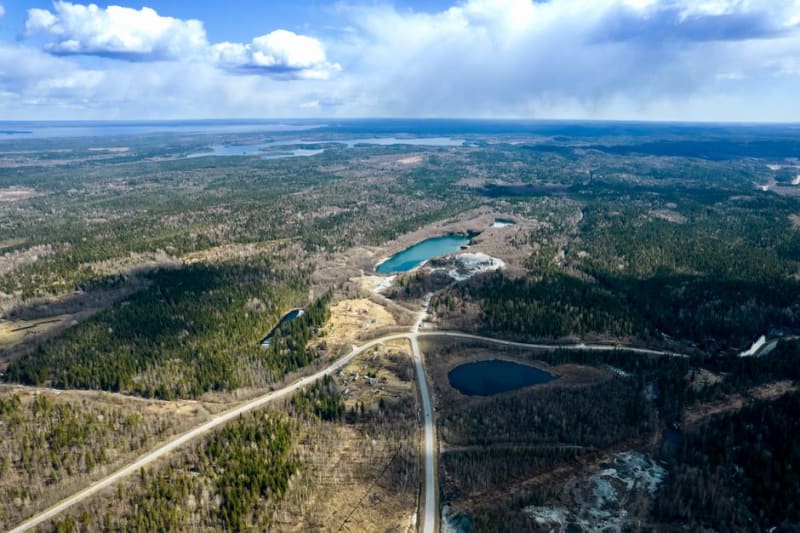 maine
maine Moosehead Lake
Maine's largest lake, where Mount Kineo's cliffs rise from still water and Thoreau once paddled into the North Woods.
Explore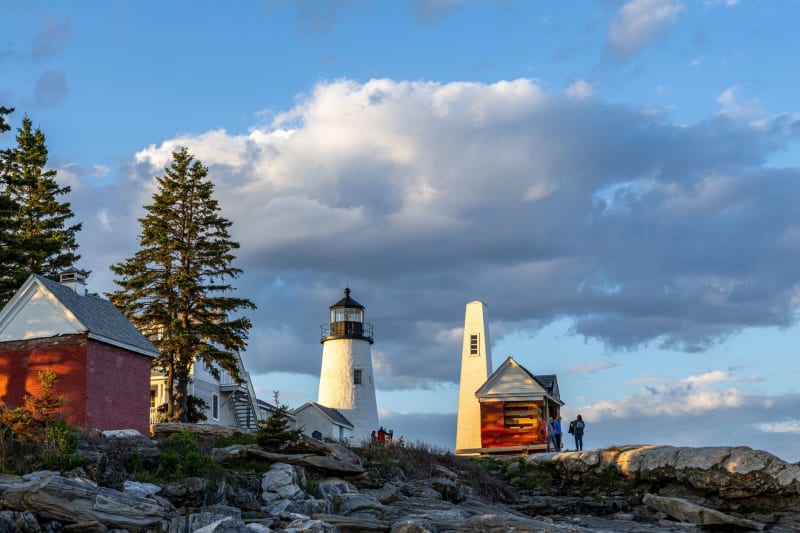 maine
maine Pemaquid Peninsula
A long finger of land pointing into the Atlantic where the rock shelves into the sea in formations almost too beautiful to be geology.
Explore maine
maine Portland
A working port city that somehow became one of America's great food towns without ever forgetting the smell of the sea.
Explore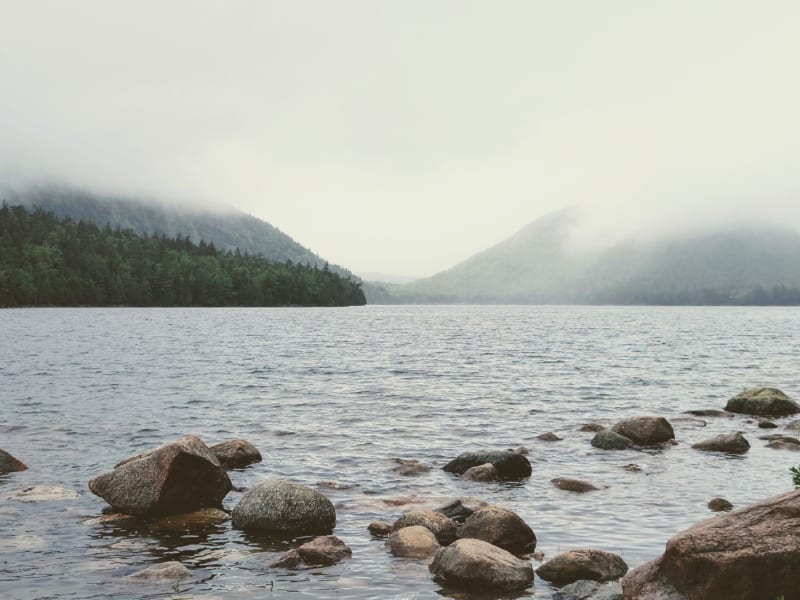 maine
maine Rangeley Lakes
Interior Maine's lake country — moose at dusk, cold water, and the deep quiet of a forest with no particular destination.
Explore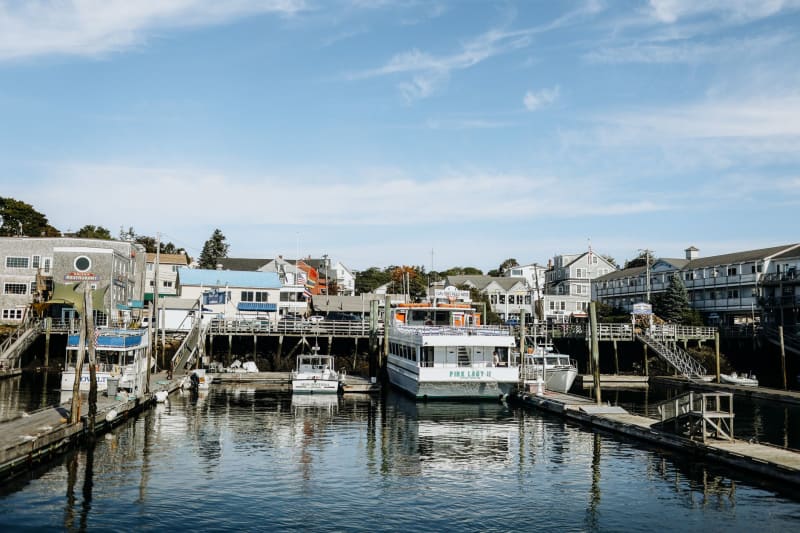 maine
maine Rockland
A mid-coast fishing town that grew an art museum and a serious restaurant scene without losing the salt air or the lobster boats.
Explore