Nosy Tanikely
"You can walk around the entire island in twenty minutes and spend four hours in the water without covering half the reef."
A tiny marine reserve island off Nosy Be where a nineteenth-century lighthouse watches over some of the healthiest coral in the western Indian Ocean.
Boats leave Nosy Be’s beaches most mornings around eight, packed with snorkel gear and cool boxes, and the crossing takes about forty-five minutes across open, sometimes chopping water before the engine cuts and Nosy Tanikely appears — a single low island, maybe a kilometer across, ringed by sand so white it looks retouched. There’s no village, no permanent settlement, just a ranger station, the lighthouse, and forest thick enough that fruit bats hang visibly from the canopy edge even at midday.
The Reef Before Lunch
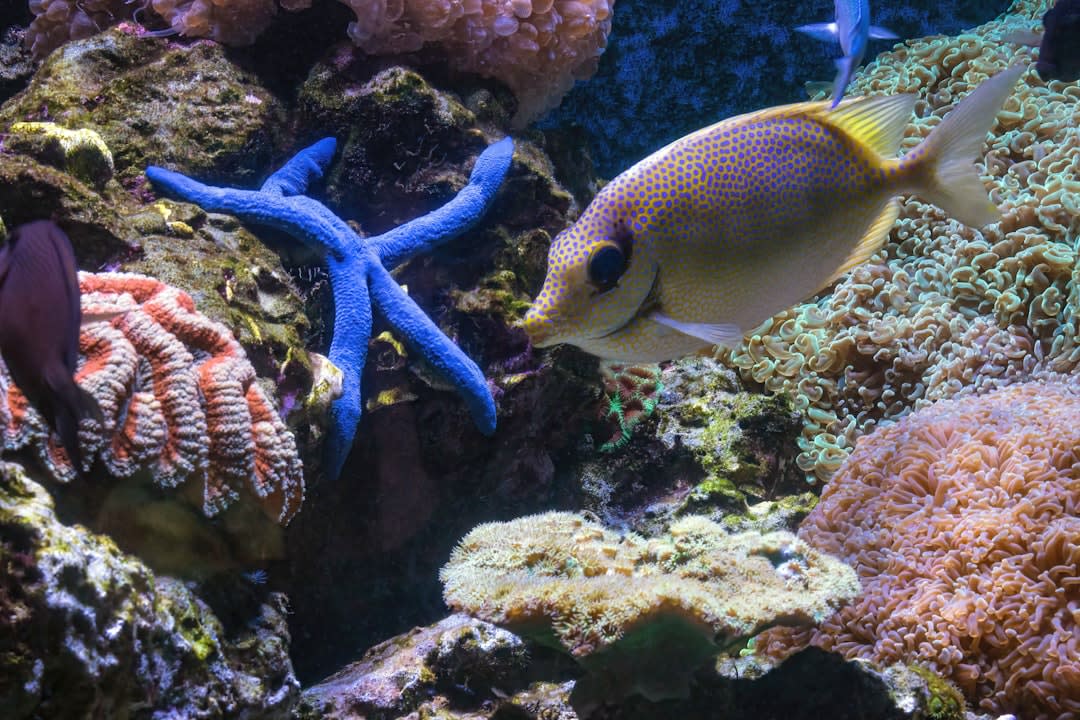
I went in almost immediately, mask still fogging, and the water cleared within a few strokes into visibility that let me see the whole slope of the reef dropping away beneath me — table corals the size of dinner tables, staghorn thickets in a dozen shades of brown and violet, and fish moving through it in numbers I hadn’t seen anywhere else in Madagascar. Parrotfish grazing loudly enough to hear underwater. A moray eel working its jaw from a crevice, unbothered by an audience. Sea turtles, green and hawksbill both, drifted past with the unhurried confidence of creatures that know they’re protected here.
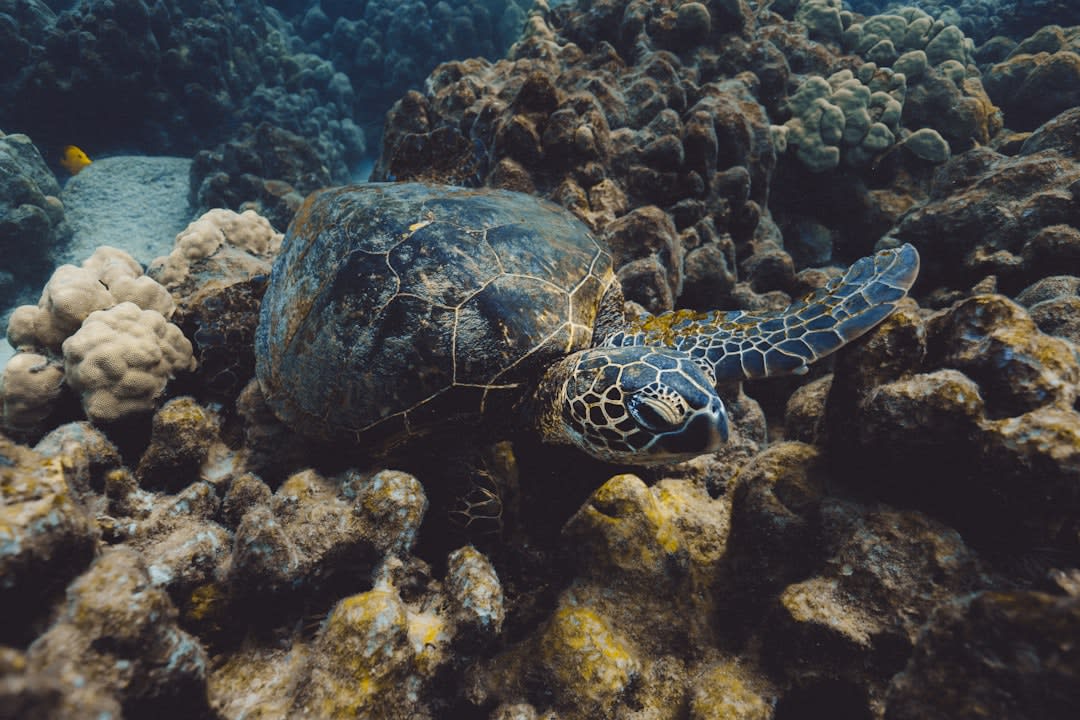
The reserve status matters — this is one of the few patches of reef in the region actively protected from anchor damage and overfishing, and the difference from reefs I’d snorkeled elsewhere on the coast was obvious even to someone without a marine biology background. Denser coral cover, more fish biomass, less bleaching. Our guide, a young man named Tovo who’d clearly logged thousands of hours in this water, pointed out a resident population of lionfish near the southern point and told me, with real pride, that the island’s fish had simply gotten used to being looked at rather than hunted.
Lunch, Lemurs, and the Lighthouse
Back on land, most of the day-boats set up a beach barbecue around noon — grilled fish, rice, a spicy tomato-and-onion rougail that I went back for twice. While the fish cooked, a troop of brown lemurs that live semi-wild on the island came down from the trees at the forest edge, entirely unbothered by the smoke or the crowd, working the fringe of the picnic area for scraps with the casual entitlement of longtime residents.
The lighthouse itself, built by French colonial authorities in the late 1800s, sits on the island’s high point and is climbable for a modest fee — the stairs are narrow and the handrail questionable, but the view from the top, the whole reef visible as a darker ring in the water below, is the kind of thing that makes you stop talking for a minute.
When to go: May through November for the calmest seas and best underwater visibility. Trips run daily from Nosy Be’s main beaches; book with an operator that limits group size, since the reef’s health depends on it staying that way.
Keep exploring
More from Madagascar
 madagascar
 Pangalanes Canal
A 600-kilometer chain of lagoons and man-made channels running behind the east coast, threaded by dugout canoes and lakeside villages.
Explore madagascar
 Ranomafana
A highland rainforest park threaded with thermal springs and presided over by the golden bamboo lemur, an animal that shouldn't exist by any reasonable measure of biology.
Explore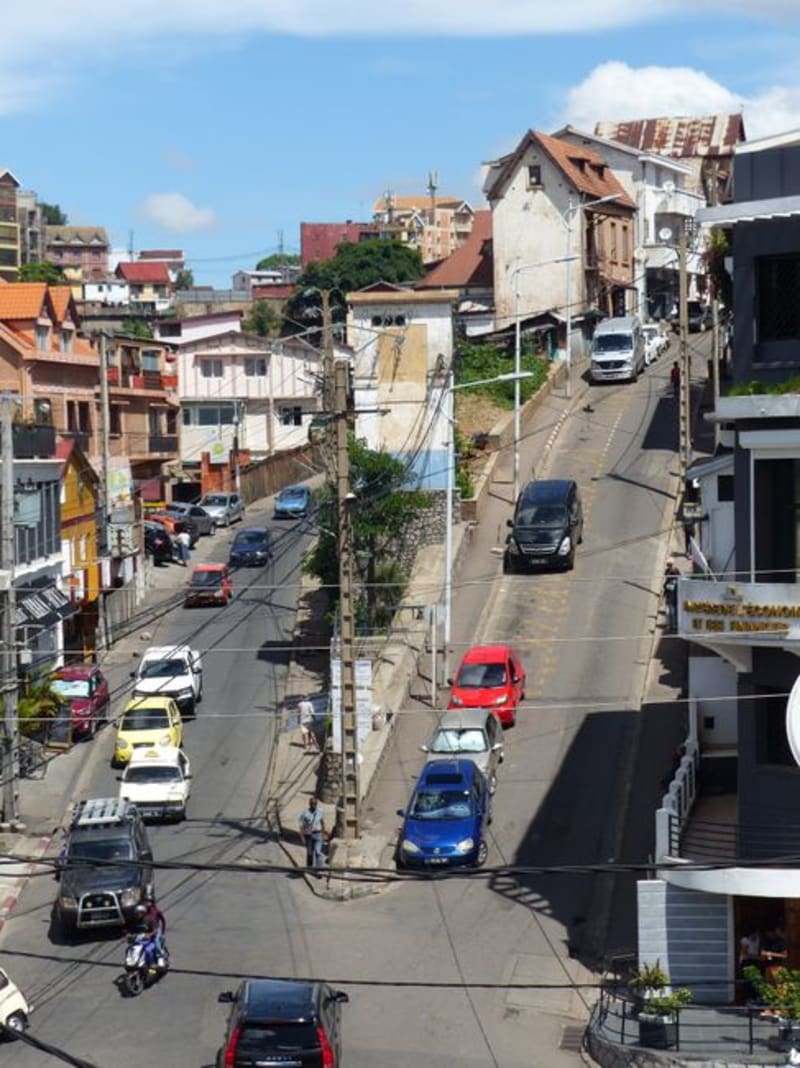 madagascar
 Toliara
A dusty southern port city ringed by spiny desert forest, zebu carts, and some of the best-preserved coral reefs left on the coast.
Explore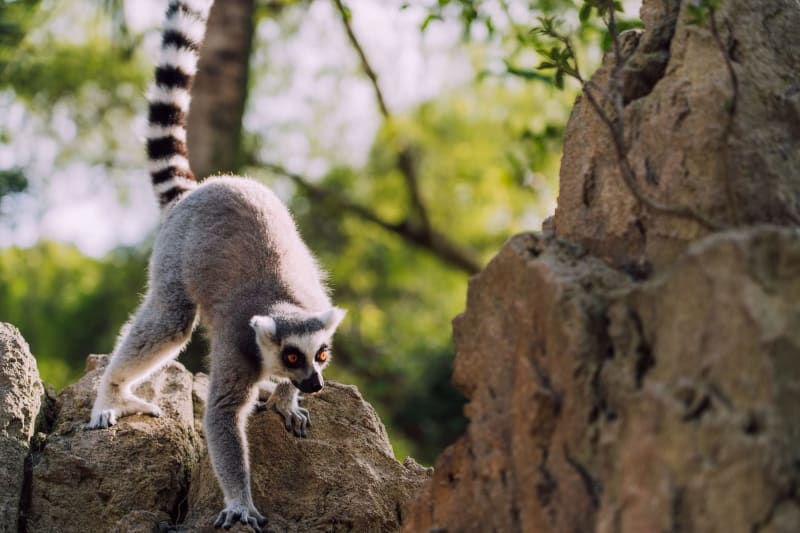 madagascar
 Tsingy de Bemaraha
A forest of razor-sharp limestone needles hosting endemic lemurs and birds found nowhere else on Earth.
Explore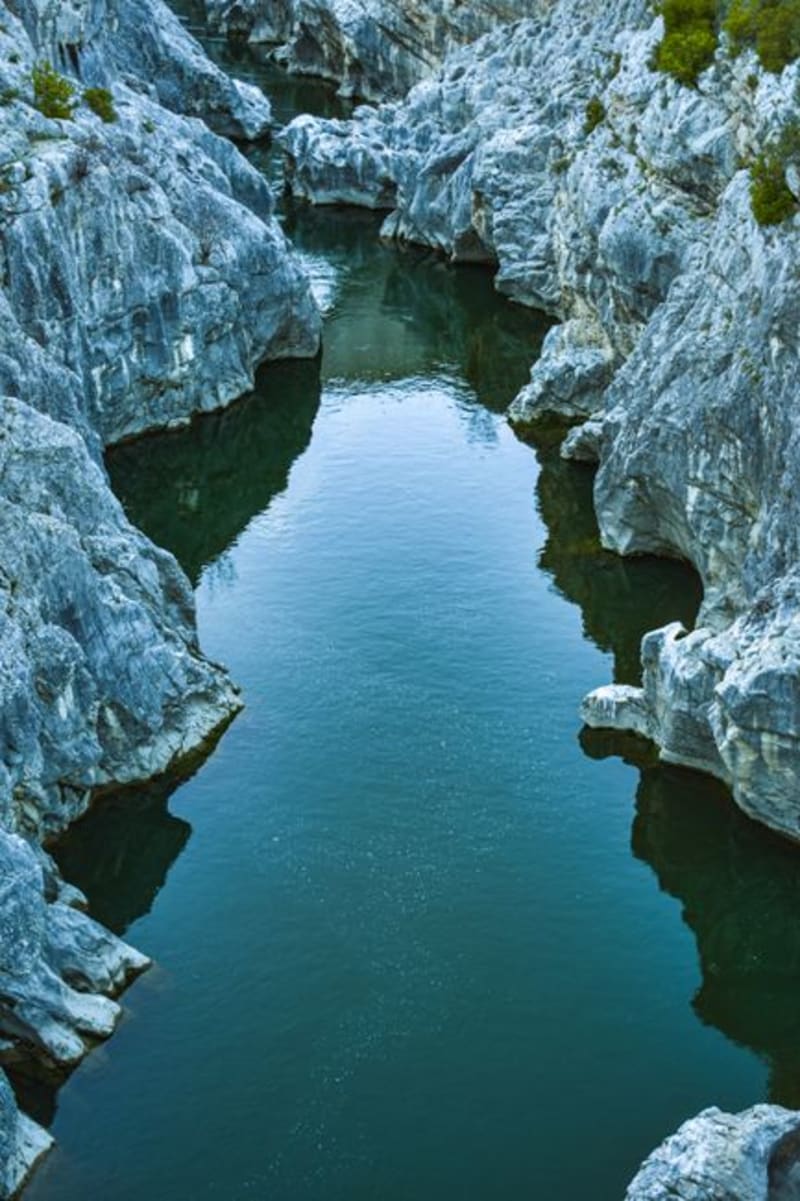 madagascar
 Tsiribihina River
A multi-day pirogue descent through western Madagascar's canyon country, sleeping on sandbanks between baobab forest and gorge walls.
Explore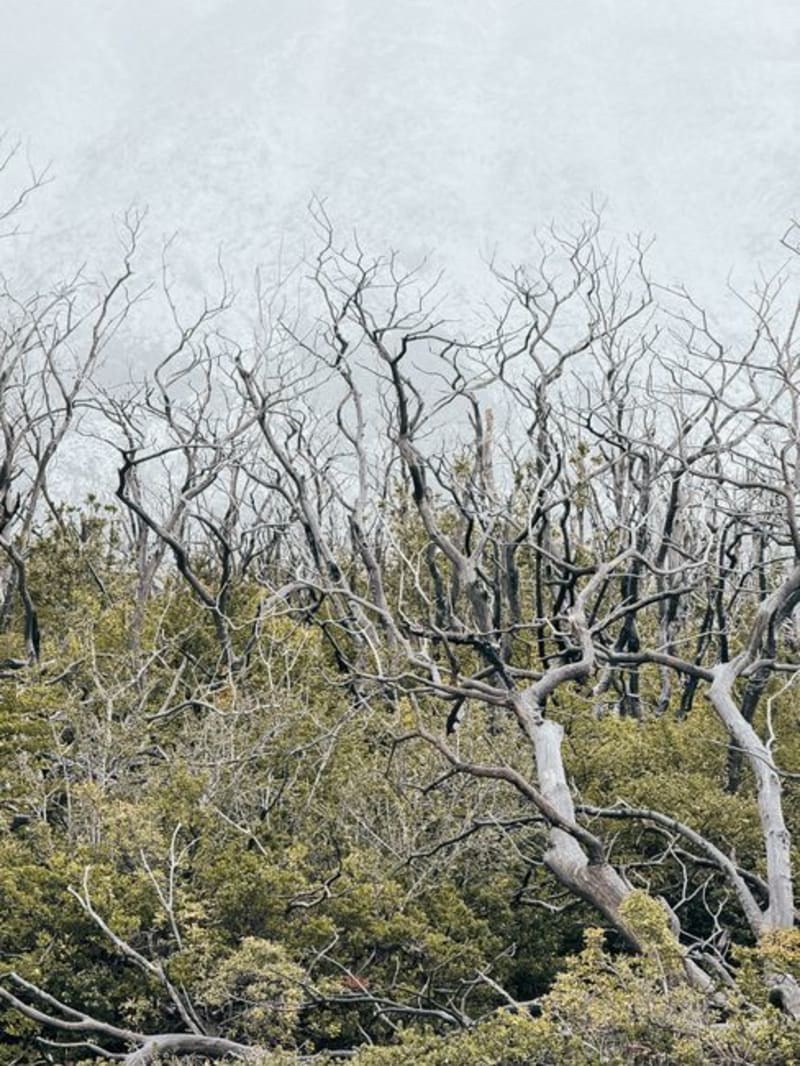 madagascar
 Zombitse-Vohibasia National Park
A transitional forest between Madagascar's dry west and spiny south, small enough to walk in an afternoon and packed with birds found nowhere else.
Explore