Nosy Mangabe
"No one lives here. That's the entire point, and the forest has taken the whole island back because of it."
An uninhabited rainforest island in the Bay of Antongil where aye-ayes were reintroduced decades ago and the forest has since reclaimed everything else.
The crossing from Maroantsetra takes about half an hour by outboard pirogue, across the wide, sheltered waters of the Bay of Antongil, and Nosy Mangabe rises ahead of you as a single steep, forest-covered hill dropping almost directly into the sea. No village, no permanent residents beyond a small ranger post — the island has been protected since the 1960s specifically as a wildlife reserve, and the forest has had enough decades of being left alone that it now feels genuinely primary in a way that’s increasingly rare on the Madagascar mainland.
The Search for the Strangest Lemur
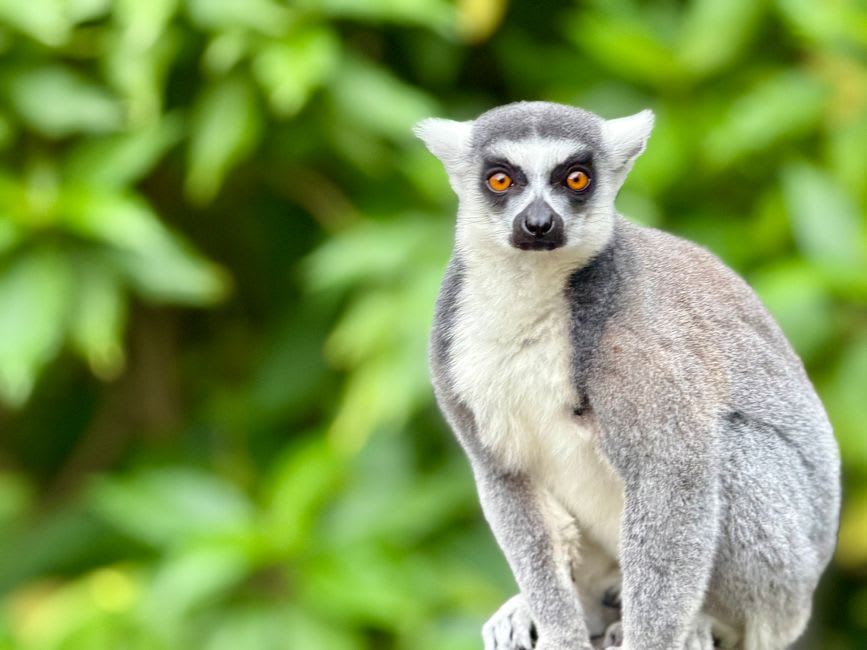
Nosy Mangabe’s best-known claim is its aye-aye population, descended from individuals translocated here in the 1960s and 70s as an insurance measure against the species’ decline elsewhere. Aye-ayes are nocturnal, deeply strange-looking by any primate standard — enormous eyes, bat-like ears, and one skeletal, elongated middle finger used to tap on wood and fish out grubs from beneath the bark — and famously difficult to see even where they’re known to live. My guide, Emile, managed it on our second night walk, spotting eye-shine high in a fruiting tree that resolved, once the torch beam held steady, into an animal that looked more like something imagined than something real. It moved with an unsettling, deliberate slowness, that one long finger tapping audibly against a branch as it searched for food.
Streams, Frogs, and Old Graffiti
By day, the island’s interior trails climb past small waterfalls and clear rock pools fed by streams running down from the central ridge, cool enough for a genuinely refreshing swim after the humidity of the climb. Along one stretch of coastal rock, generations of passing sailors — going back, according to Emile, to at least the seventeenth century — carved their names and ship details into the stone, a strange informal archive of maritime history sitting quietly on an island otherwise dedicated entirely to conservation.
A Night That Belongs to the Forest
Camping is the only way to stay overnight, a small designated area near the ranger post with no facilities beyond a long-drop toilet and a covered cooking area, and I slept in a tent that first night listening to a soundscape that felt denser and stranger than anywhere else I’d camped in Madagascar — frogs in overlapping choruses, something large moving through leaf litter nearby that I never identified, and at one point, unmistakably, the tapping rhythm of an aye-aye somewhere close in the dark.
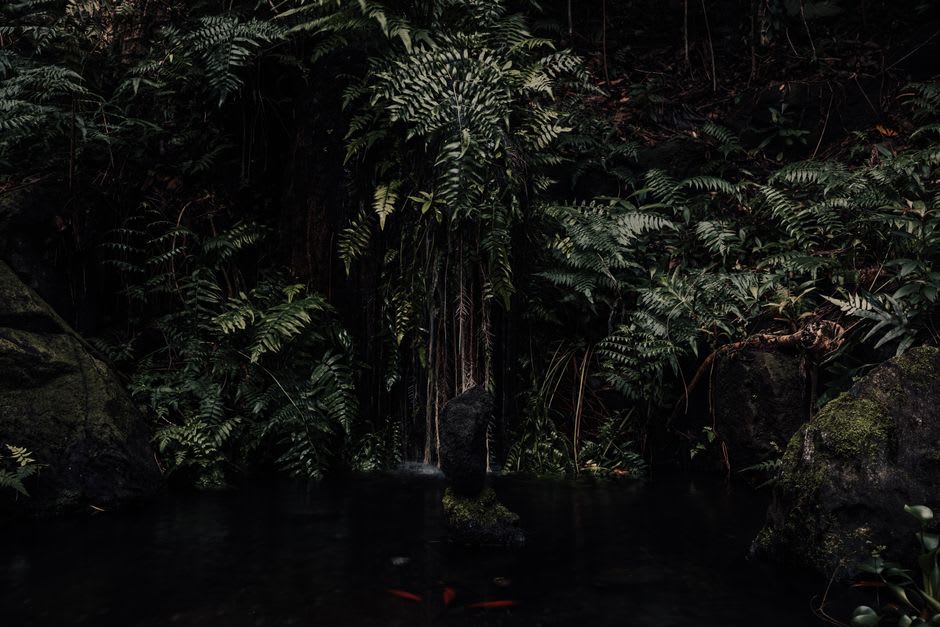
There’s something particular about an island with no residents, existing purely as habitat, and Nosy Mangabe wears that purpose plainly — you feel, walking its trails, like a guest in a place that has very deliberately not been arranged for you.
When to go: September through December for drier trails and calmer bay crossings. Camping gear and supplies should be arranged in Maroantsetra beforehand, as the island has no facilities for purchase.
Keep exploring
More from Madagascar
 madagascar
 Nosy Tanikely
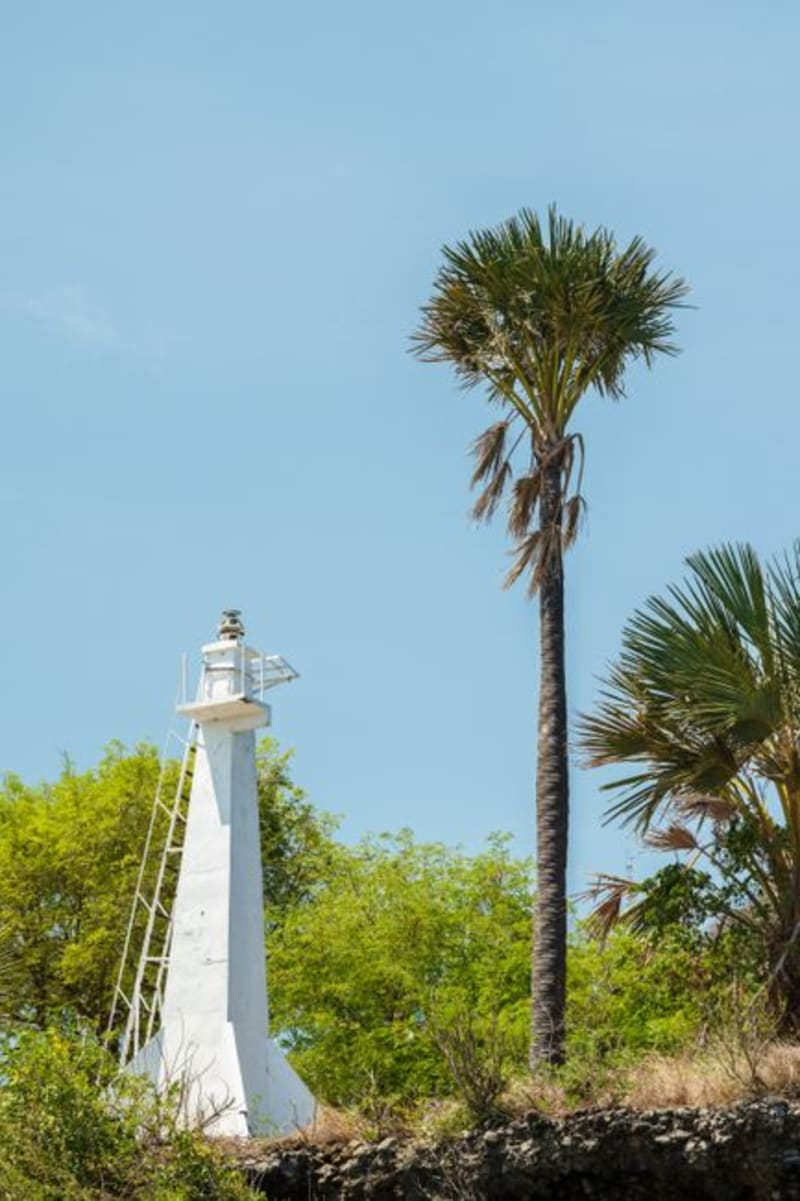
A tiny marine reserve island off Nosy Be where a nineteenth-century lighthouse watches over some of the healthiest coral in the western Indian Ocean.
Explore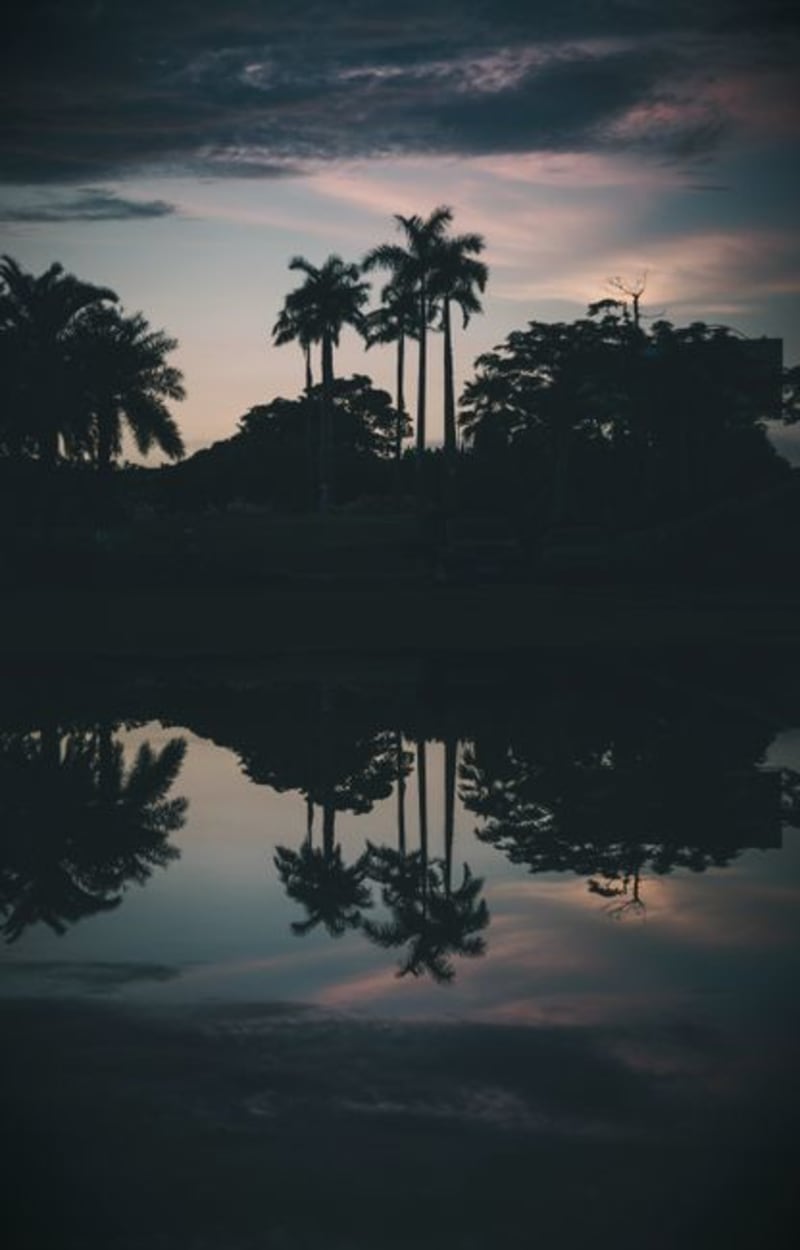 madagascar
 Pangalanes Canal
A 600-kilometer chain of lagoons and man-made channels running behind the east coast, threaded by dugout canoes and lakeside villages.
Explore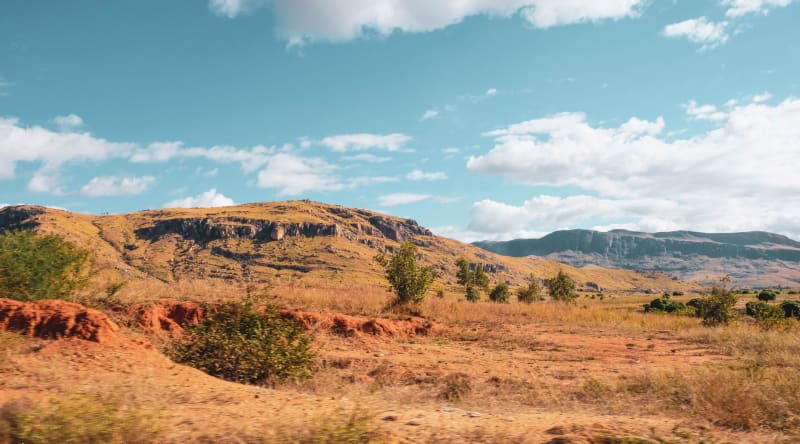 madagascar
 Ranomafana
A highland rainforest park threaded with thermal springs and presided over by the golden bamboo lemur, an animal that shouldn't exist by any reasonable measure of biology.
Explore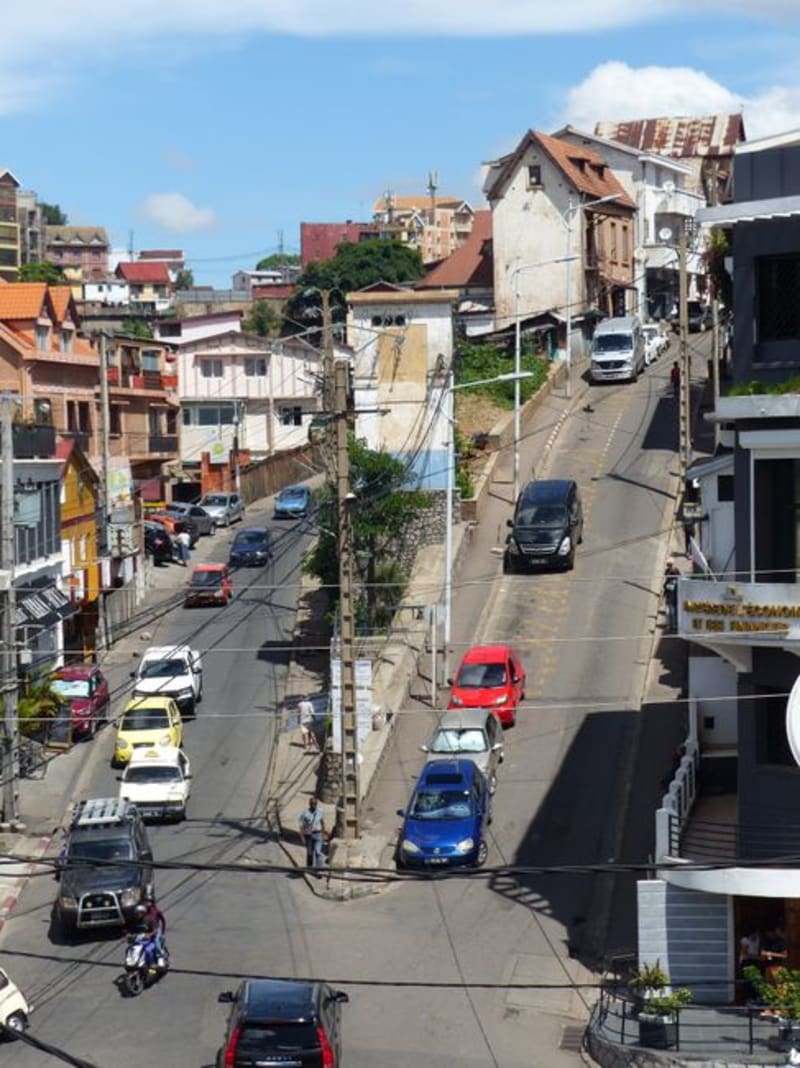 madagascar
 Toliara
A dusty southern port city ringed by spiny desert forest, zebu carts, and some of the best-preserved coral reefs left on the coast.
Explore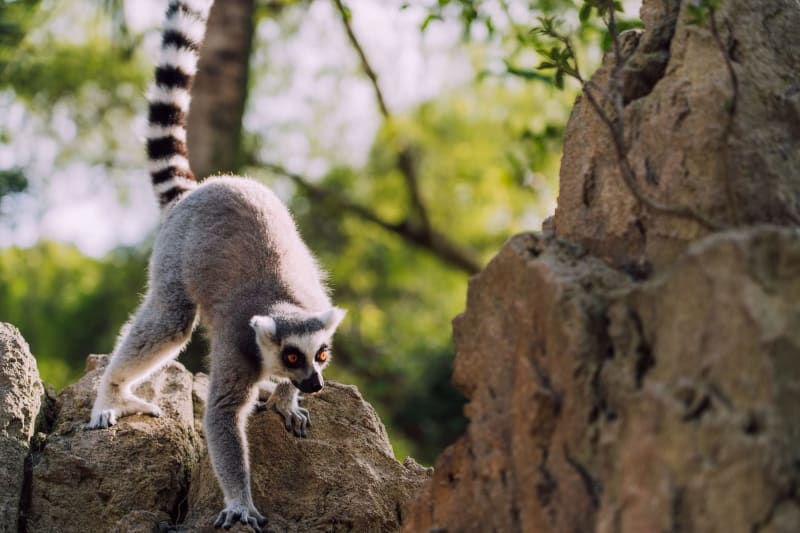 madagascar
 Tsingy de Bemaraha
A forest of razor-sharp limestone needles hosting endemic lemurs and birds found nowhere else on Earth.
Explore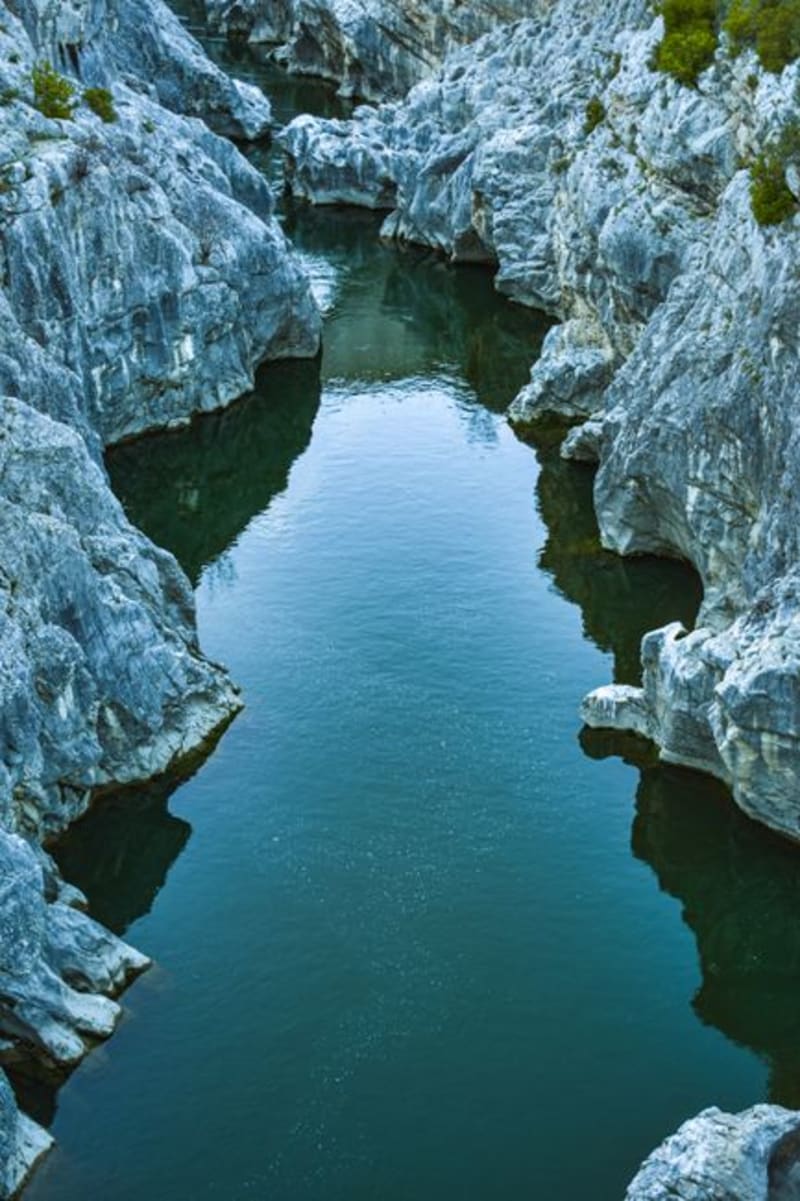 madagascar
 Tsiribihina River
A multi-day pirogue descent through western Madagascar's canyon country, sleeping on sandbanks between baobab forest and gorge walls.
Explore