Mahajanga
"Mahajanga has the unhurried confidence of a city that stopped trying to prove anything a long time ago."
A relaxed northwestern port city with an Arabic-influenced old quarter, a giant baobab in the town square, and a seafront made for slow evening walks.
Mahajanga sits on the Mozambique Channel at the mouth of the Betsiboka River, a city with a distinctly different feel from the highland capital or the tourist-oriented north coast — older Swahili and Comorian trading influence in its architecture and its food, a slower daily rhythm, and a seafront boulevard, the Bord de Mer, that seems designed specifically for the long, aimless evening walk I ended up taking there most nights I stayed.
The Baobab That Owns the Square
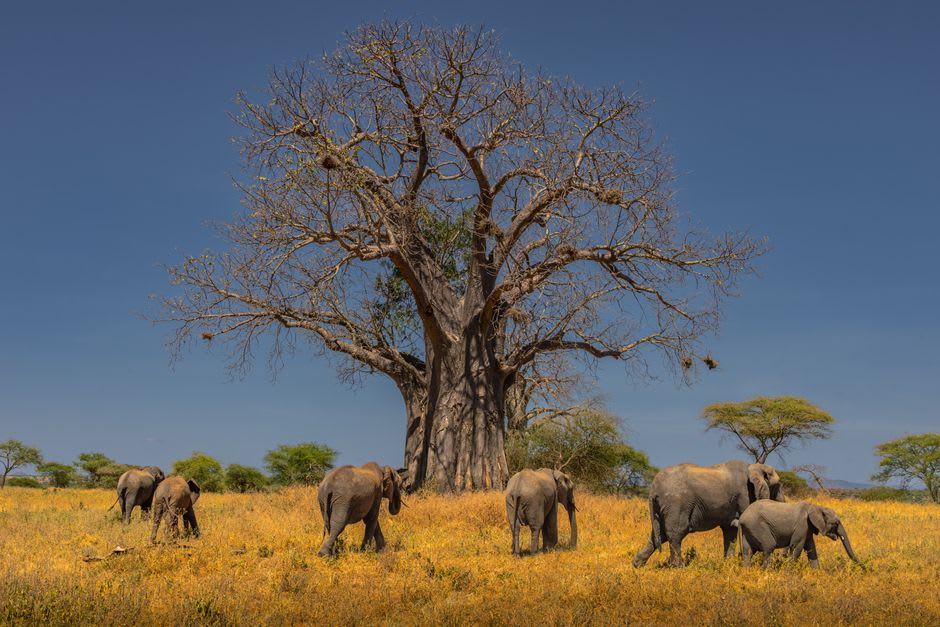
At the edge of the town center stands a Baobab Majunga so large and so old — locals put its age at somewhere between six and eight hundred years, though nobody has an exact figure — that it functions as a de facto landmark and meeting point rather than simply a tree. Its trunk, when I measured my stride around the base, took something like fourteen paces to circle, and its lower branches spread wide enough to shade a genuinely large gathering underneath. Vendors sell coconuts and grilled corn in its shadow most afternoons, and I sat there myself more than once just to escape the heat, which the tree’s canopy cut noticeably even compared to nearby buildings.
An Old Quarter With Different Roots
Mahajanga’s old town carries visible traces of a longer trading history than most Madagascar coastal cities — Comorian and Indian merchant families settled here generations ago, and the architecture in the older lanes near the port mixes Swahili-coast style balconies and carved wooden doors with the same colonial French influence found elsewhere. The produce market sells spices and dried fish in a style that felt, walking through it, closer in feel to an East African coastal souk than to markets I’d seen in Antananarivo or further south.
Sunset on the Bord de Mer
The seafront promenade fills up every evening with an easy, unhurried crowd — families out for ice cream, teenagers on bicycles doing slow laps, older men playing cards at plastic tables set up along the seawall — and the sunset over the Mozambique Channel, with the water often glassy-calm this far up the coast, turns the whole boulevard a deep gold that seemed to slow everyone’s pace even further. I ate grilled zebu skewers from a roadside cart three evenings running, watching fishing boats come in against the last light, and never got tired of the routine.
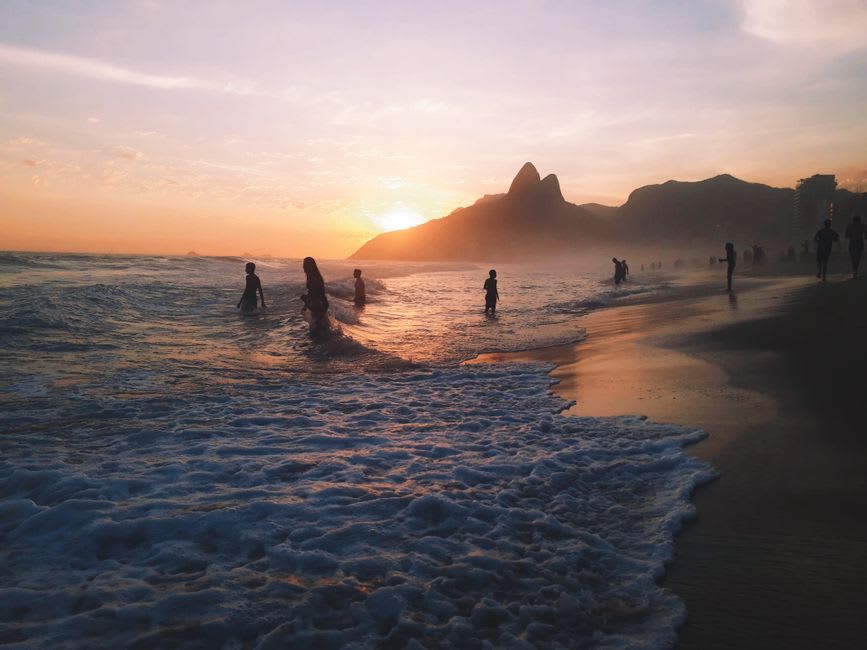
Mahajanga isn’t built around a single must-see attraction the way some Madagascar destinations are — it’s a city to be in rather than a checklist to complete, and I found myself, more than in almost any other town on the trip, simply enjoying the texture of daily life playing out around me.
When to go: April through November for dry, pleasant weather; the seafront is at its liveliest in the cooler hours around sunset year-round.
Keep exploring
More from Madagascar
 madagascar
 Mantadia National Park
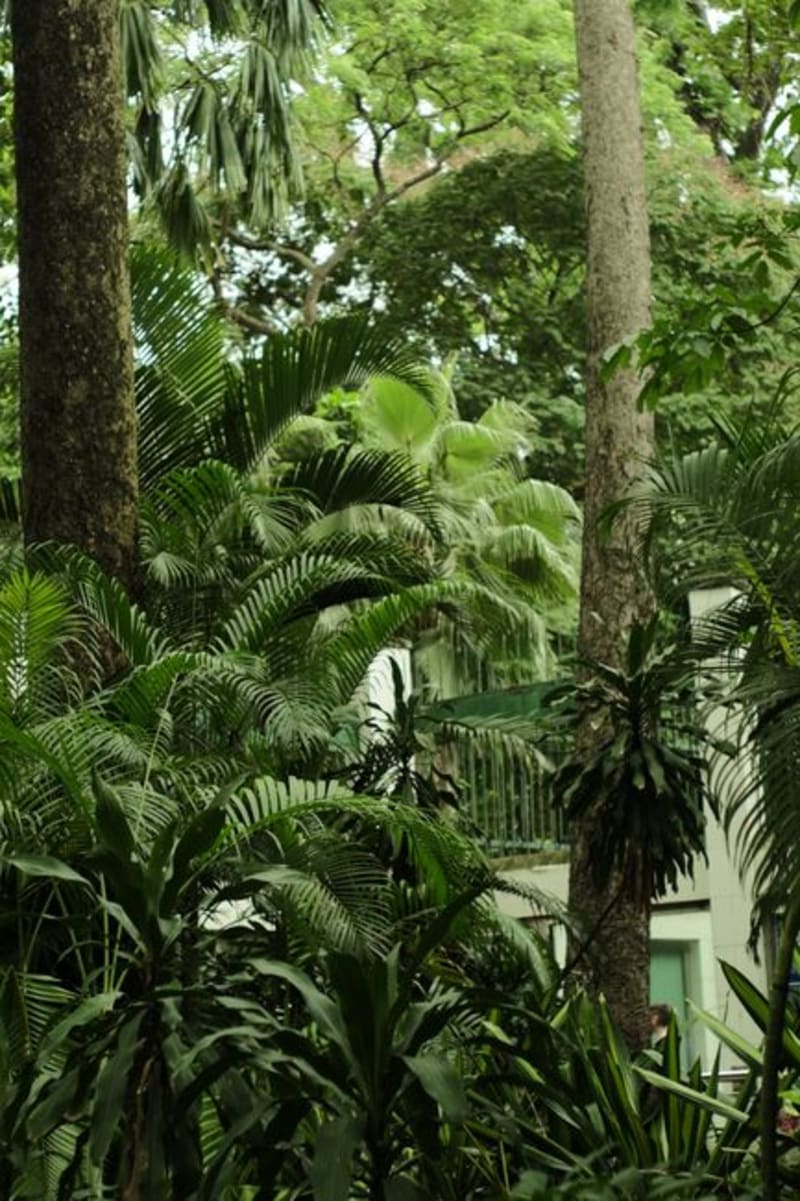
Andasibe's wilder, steeper neighbor, a stretch of primary rainforest where diademed sifaka move through some of the tallest canopy in Madagascar.
Explore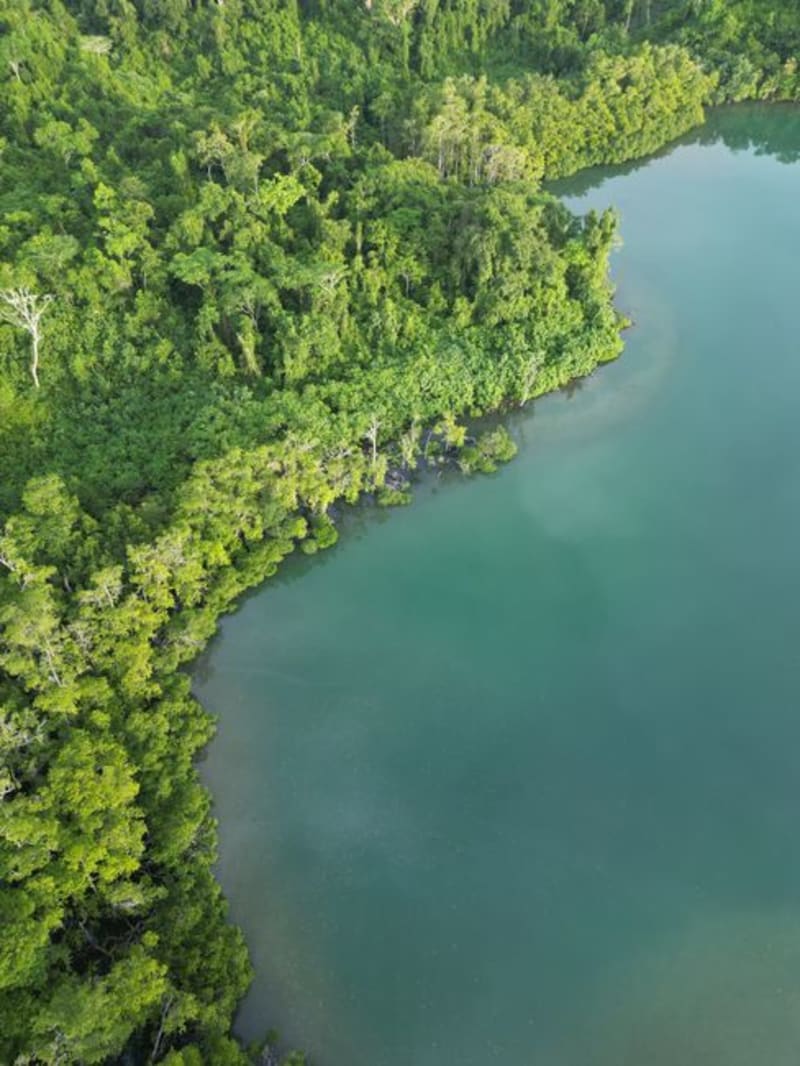 madagascar
 Masoala National Park
Madagascar's largest protected rainforest, a roadless peninsula where the jungle runs straight down to a coral-fringed coast.
Explore madagascar
 Montagne d'Ambre National Park
A cool, mist-fed volcanic massif above Diego Suarez where waterfalls drop into crater lakes and chameleons the size of a thumbnail cling to fern fronds.
Explore madagascar
 Morondava
A sun-bleached fishing town on the west coast where the road to the famous baobabs starts, and where the beach itself is worth the detour.
Explore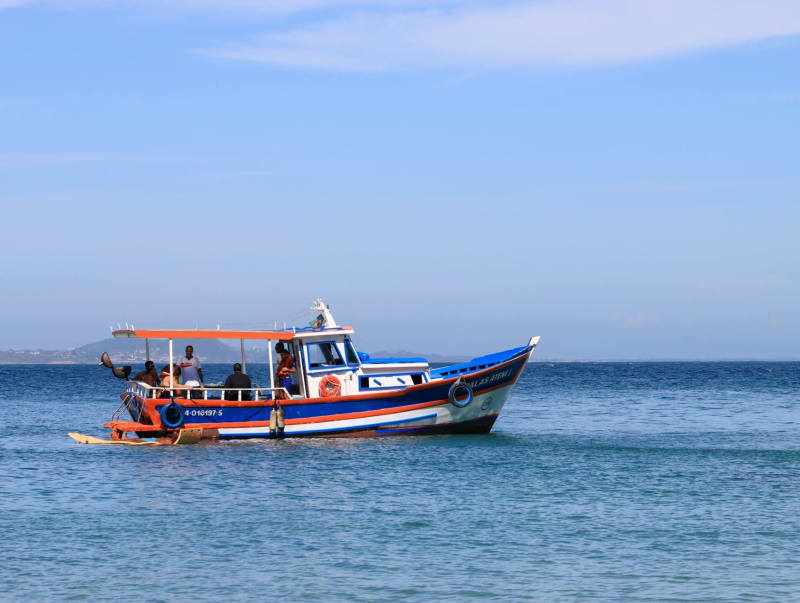 madagascar
 Nosy Be
The perfume island — ylang-ylang plantations, whale watching, and coral reefs in the Mozambique Channel.
Explore madagascar
 Nosy Komba
A roadless island between Nosy Be and the mainland where black lemurs beg for bananas and the only traffic is footsteps on packed sand.
Explore