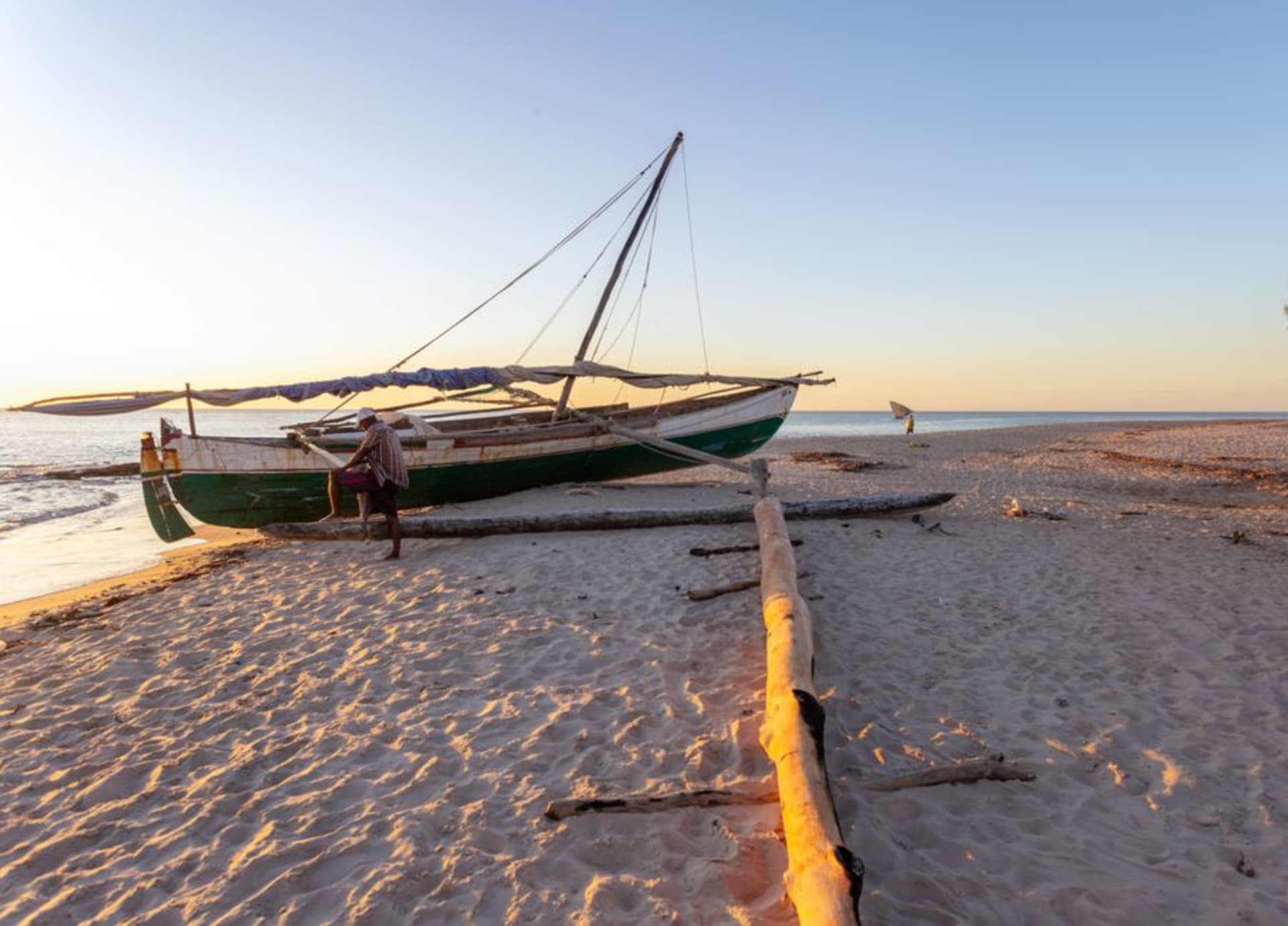
Ile aux Nattes
"It took eleven minutes to cross by dugout canoe. It felt like crossing into a different, calmer version of the same trip."
A tiny car-free island off the southern tip of Sainte Marie, ringed by the kind of water that makes you stop mid-sentence.
A local paddler ferries you across the narrow channel from the southern tip of Sainte Marie in a dugout canoe, no motor, just steady strokes against a current that barely qualifies as one, and the whole crossing takes under fifteen minutes. On the far side, Ile aux Nattes — known locally as Nosy Nato — turns out to be small enough to circumnavigate on foot in under two hours, with no cars, no motorbikes, and a single sandy path connecting its scatter of guesthouses and fishing hamlets.
Water That Doesn’t Look Real
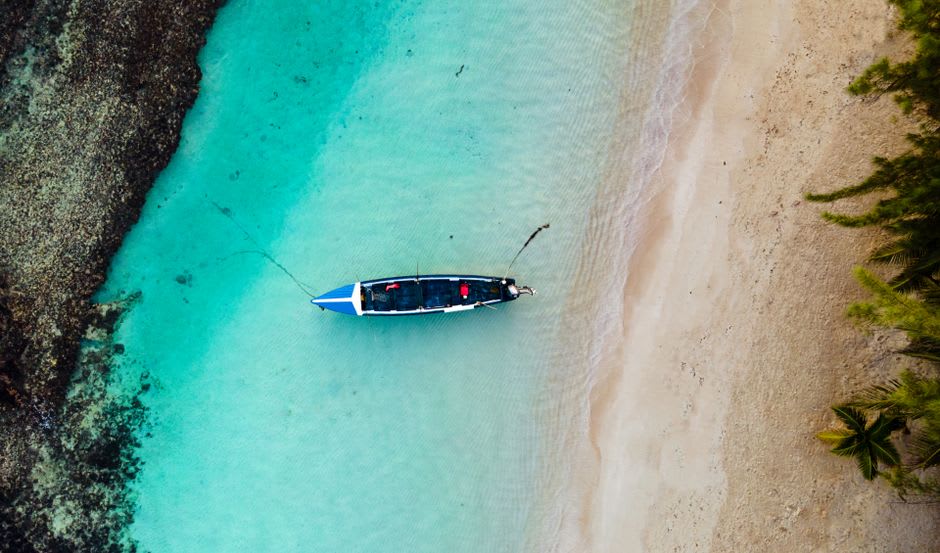
I’d already spent several days on Sainte Marie’s beaches by the time I made the crossing, and assumed I’d built up some resistance to being impressed by Madagascar’s water. Ile aux Nattes broke that assumption within the first ten minutes — a shallow, current-free lagoon on the island’s western side, water so clear and so evenly turquoise that it looked color-corrected, with sand visible in perfect detail three or four meters down. I floated there for the better part of an afternoon, occasionally standing up just to confirm the water really was only waist-deep as far out as I could see.
A Walk Around the Whole Island
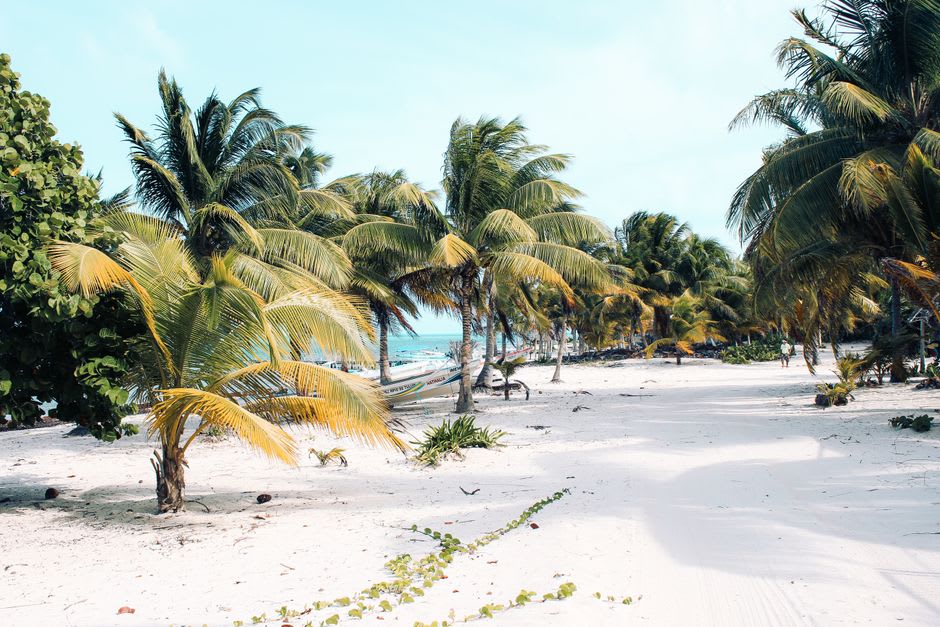
The path around the island’s perimeter passes through small clusters of thatched houses, past a modest lighthouse on the eastern point, and through stretches of dense coconut grove where fallen palm fronds get gathered into tidy piles by residents rather than left to rot on the path. I walked the full loop one morning with no particular agenda, stopping to buy a grilled fish skewer from a woman cooking over a charcoal brazier at the edge of her yard, and finished the circuit in just over ninety minutes feeling like I’d seen the entire place properly rather than skimmed it.
The Slow Crossing Back
What struck me most, oddly, wasn’t any single sight but the total absence of engine noise — no motorbikes, no cars, no generators running loudly through the day — just the sound of water, the occasional voice, and paddles dipping into the channel as canoes went back and forth between the two islands. A young paddler named Rivo, who ferried me back at the end of the day, told me most residents preferred it that way and had actively resisted proposals over the years to bring motorized transport onto the island.
I’d planned a half-day visit and stretched it into a full one without much internal debate. Ile aux Nattes doesn’t have a headline attraction beyond the water and the quiet, but the combination of those two things, uninterrupted by any engine for hours at a stretch, turned out to be enough.
When to go: September through December for calm seas and clear water; whale-watching season overlaps if you combine the visit with time on Sainte Marie itself.
Keep exploring
More from Madagascar
 madagascar
 Île Sainte-Marie
A slim blade of island off Madagascar's east coast where humpback whales give birth in sheltered bays, pirates are buried in a mossy cemetery, and the pace of life adjusts itself to the rhythm of the tides.
Explore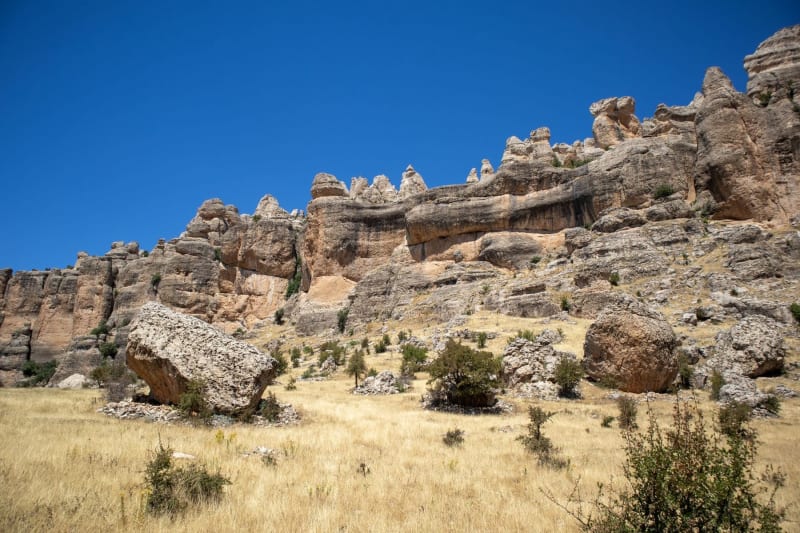 madagascar
 Isalo National Park
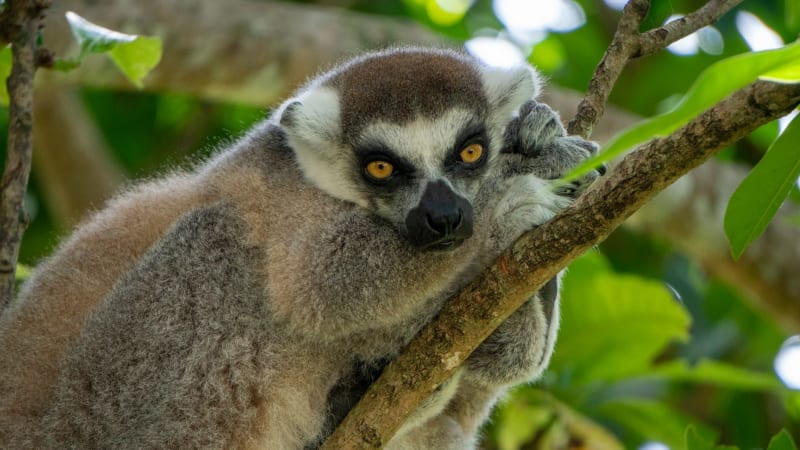
Sculpted sandstone massifs, natural swimming pools, and ring-tailed lemurs in the island's wild heart.
Explore madagascar
 Kirindy Forest
A private dry-forest reserve near Morondava where the fossa, Madagascar's largest predator, still rules the night after dark falls.
Explore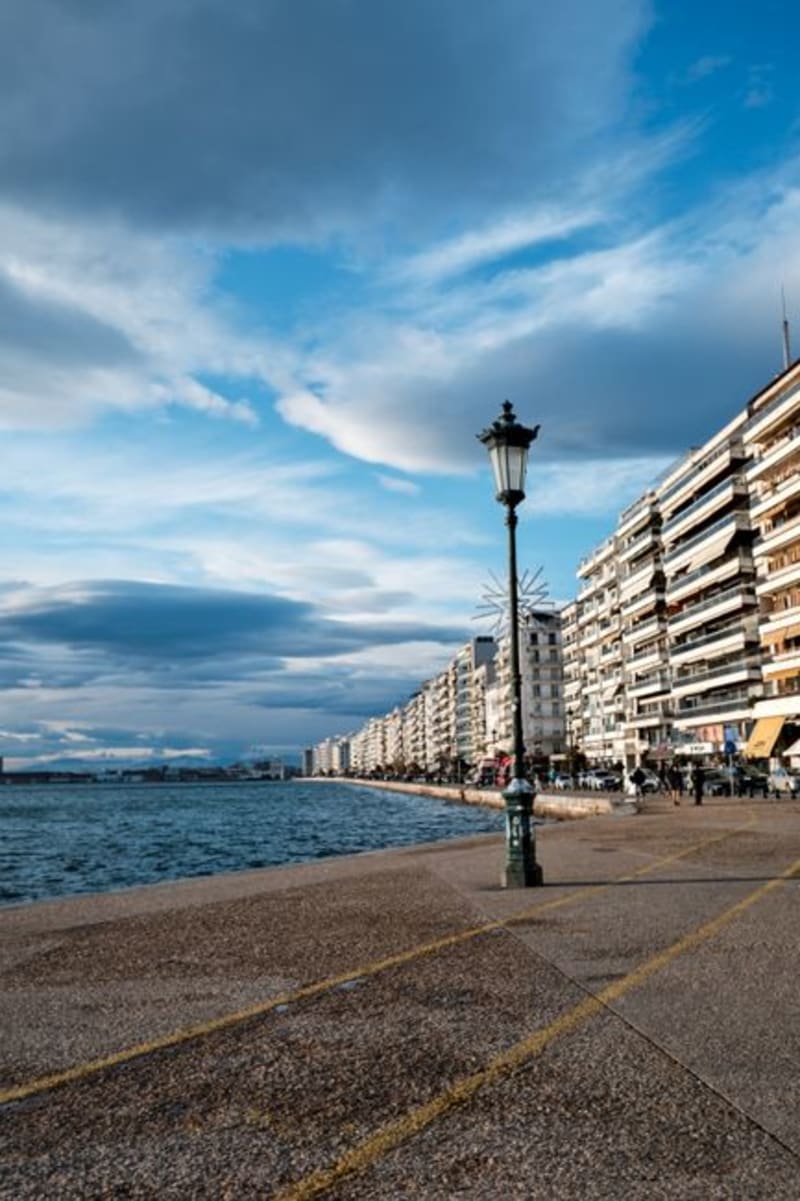 madagascar
 Mahajanga
A relaxed northwestern port city with an Arabic-influenced old quarter, a giant baobab in the town square, and a seafront made for slow evening walks.
Explore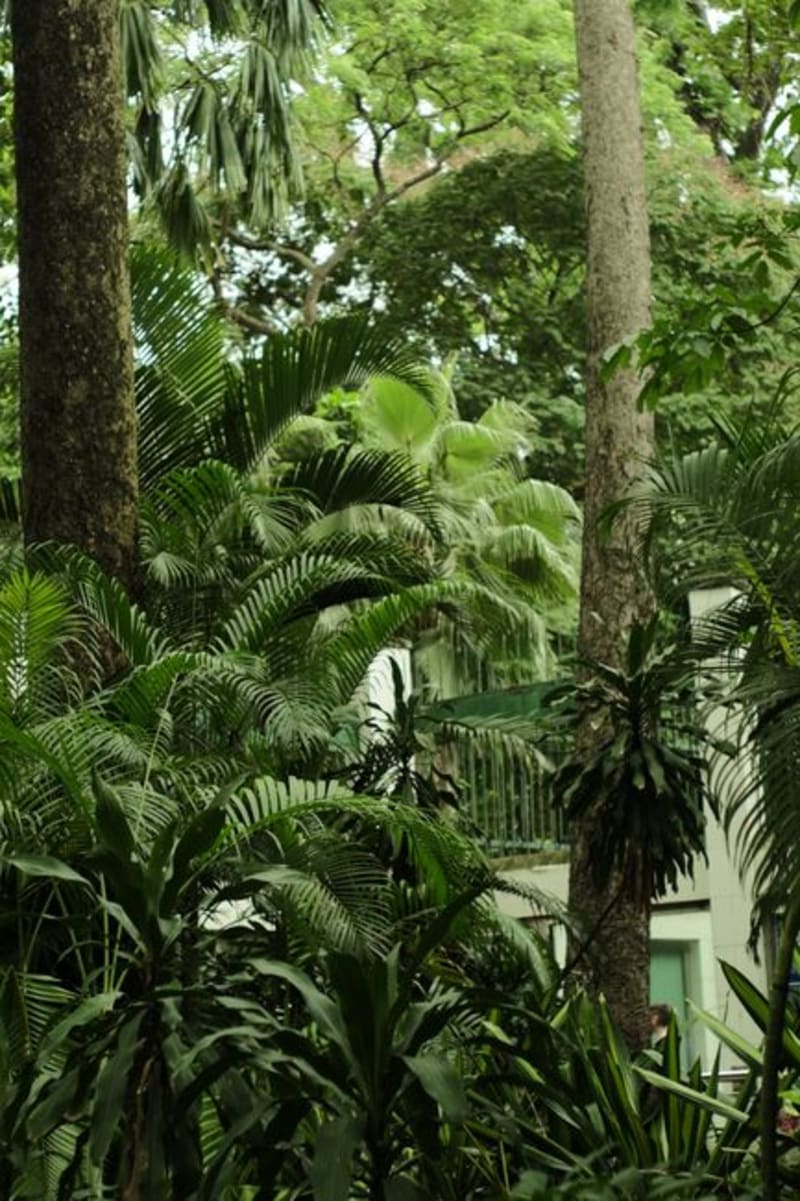 madagascar
 Mantadia National Park
Andasibe's wilder, steeper neighbor, a stretch of primary rainforest where diademed sifaka move through some of the tallest canopy in Madagascar.
Explore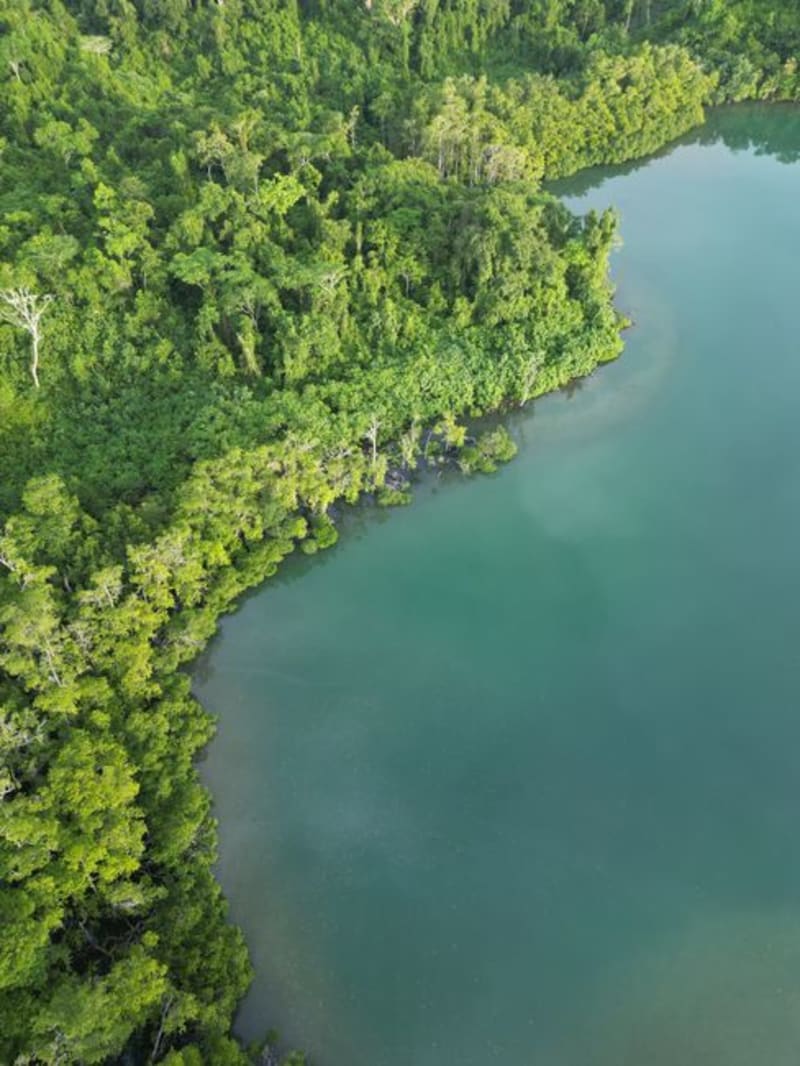 madagascar
 Masoala National Park
Madagascar's largest protected rainforest, a roadless peninsula where the jungle runs straight down to a coral-fringed coast.
Explore