Ifaty
"The reef breaks the swell a kilometer out, so the water inside stays flat enough to read a book while floating."
A strip of fishing villages north of Toliara where spiny forest meets coral reef and the beach bars empty onto sand instead of pavement.
The road from Toliara to Ifaty is a forty-minute drive along soft sand track that turns to genuine trouble after rain, past spiny forest thick with octopus trees standing like something out of a Dr. Seuss illustration turned menacing, until the vegetation breaks and the coast appears — a long, low-key strip of Vezo fishing villages and small beach lodges strung along the sand with almost no vertical development at all. I’d read that Ifaty was “developing fast” in an old guidebook and found instead a place that had, if anything, kept its scale deliberately modest.
The Reef That Keeps the Water Still
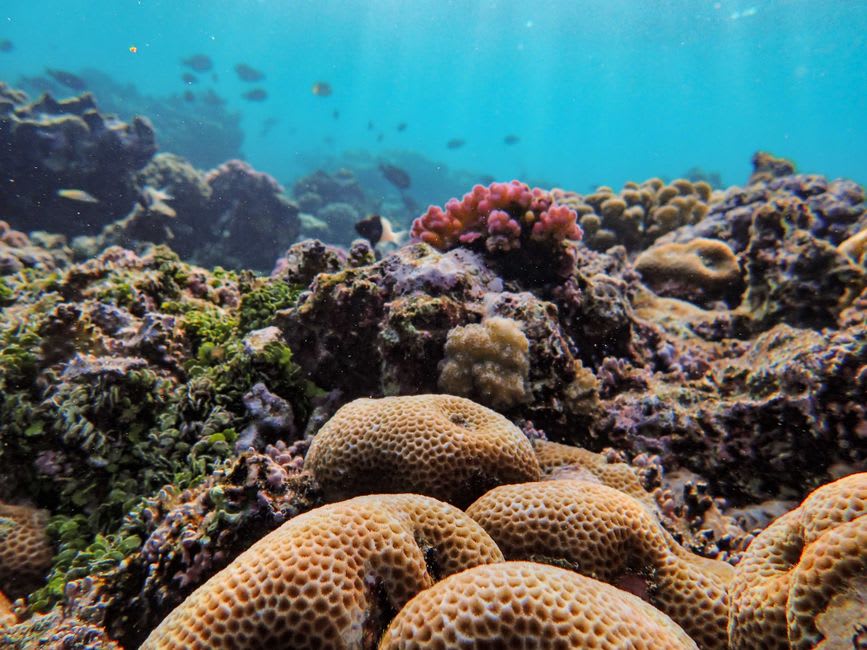
What makes Ifaty’s stretch of coast distinct is the barrier reef sitting roughly a kilometer offshore, which absorbs most of the ocean swell before it reaches the beach, leaving the inshore water calm enough for small children to wade in and calm enough, frankly, for me to float on my back for the better part of an hour without needing to do anything that resembled swimming. Beyond the reef, the diving and snorkeling opens up into proper coral structure — I went out with a small operator based at one of the beach lodges and spent a morning over coral gardens thick with anemone fish, box fish, and, on one pass, a reef shark that cruised past at a professional distance and lost interest in us almost immediately.
Into the Spiny Forest
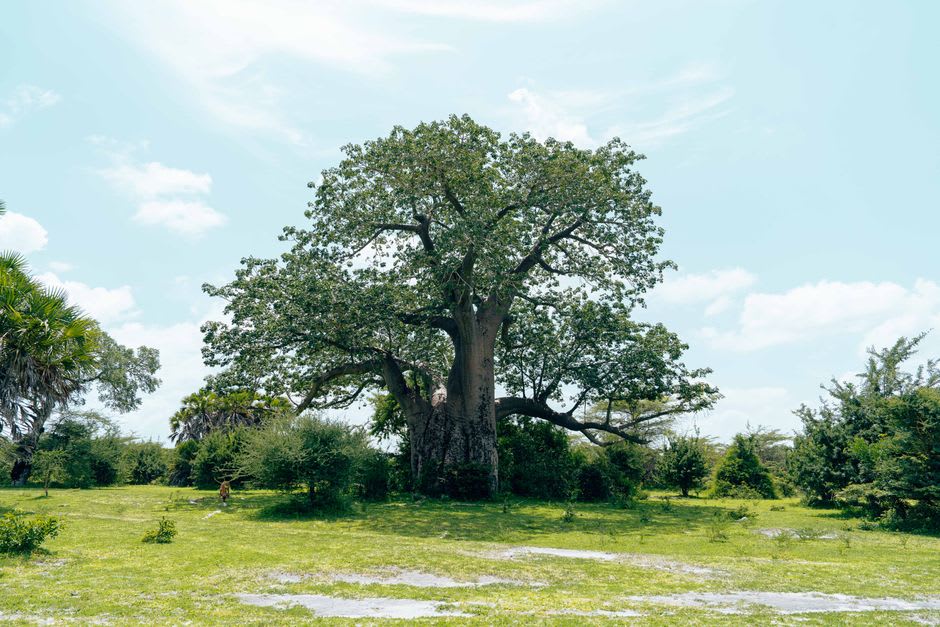
Just inland, a small community-managed reserve protects a patch of spiny forest where a local guide named Jean Claude walked me through an ecosystem I hadn’t fully processed until I was standing in the middle of it — baobabs with swollen trunks, octopus trees (Didierea) branching into spiny fingers, and a scatter of small, endemic reptiles including a tiny, superbly camouflaged gecko that Jean Claude found by tapping specific tree trunks and listening for a change in sound. He’d clearly done this walk a thousand times and still seemed genuinely delighted each time something turned up.
Fishing Villages, Sailing Home
Late afternoon is when the Vezo pirogues come back in, triangular sails catching the last wind of the day, and I made a habit of walking down to the water each evening to watch the boats land and the day’s catch get sorted on the sand — parrotfish, small reef fish, the occasional octopus pulled up still faintly changing color. One fisherman, seeing me watching, waved me over and let me help haul his boat the last few meters up the sand, which felt like a small honor even though I’m fairly sure I added no meaningful effort to the task.
Ifaty moves at exactly the pace it looks like it should — beach bar in the morning, reef in the midday heat, boats coming home at dusk — and after the dust and traffic-logic of Toliara, I found myself slowing down to match it without really deciding to.
When to go: April through November for calm seas and good visibility. The reef is best explored on an outgoing tide; ask your lodge to time snorkel trips accordingly.
Keep exploring
More from Madagascar
 madagascar
 Ile aux Nattes
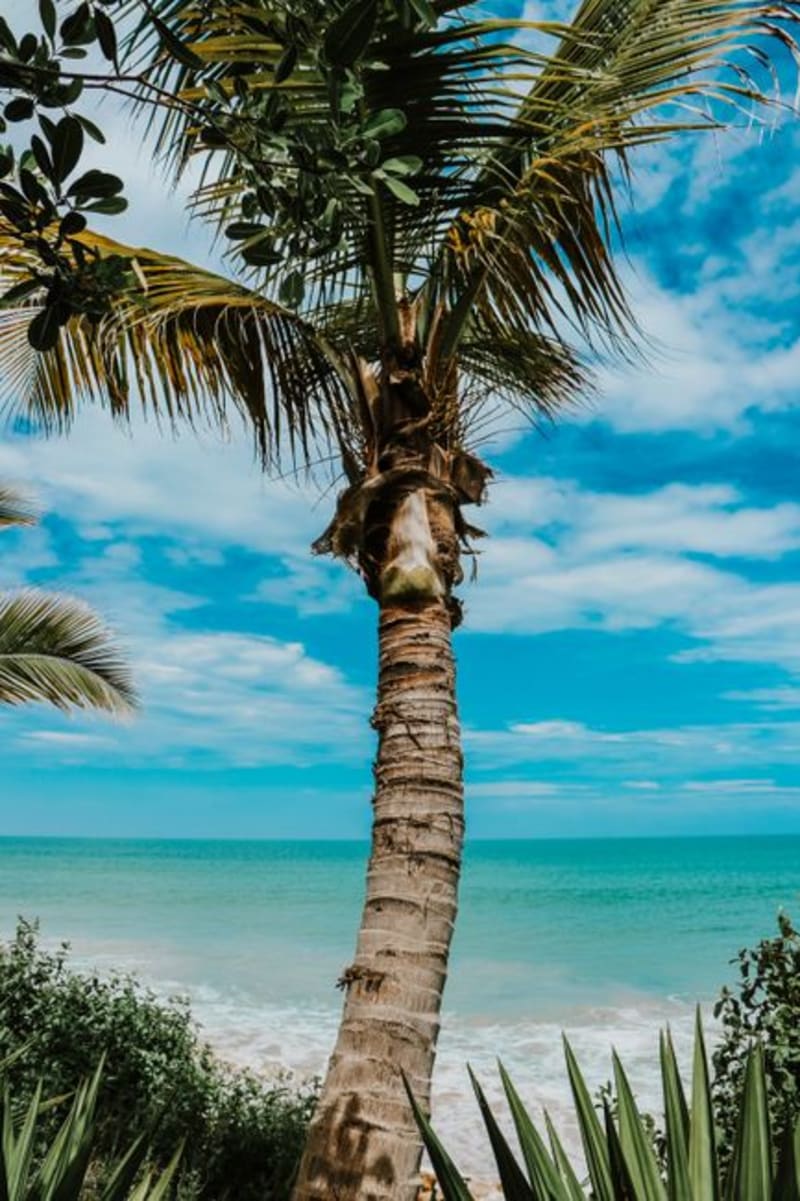
A tiny car-free island off the southern tip of Sainte Marie, ringed by the kind of water that makes you stop mid-sentence.
Explore madagascar
 Île Sainte-Marie
A slim blade of island off Madagascar's east coast where humpback whales give birth in sheltered bays, pirates are buried in a mossy cemetery, and the pace of life adjusts itself to the rhythm of the tides.
Explore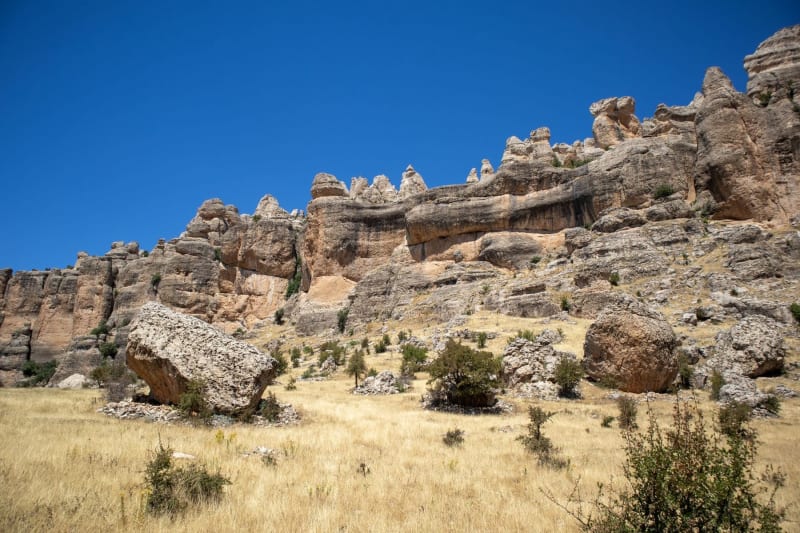 madagascar
 Isalo National Park
Sculpted sandstone massifs, natural swimming pools, and ring-tailed lemurs in the island's wild heart.
Explore madagascar
 Kirindy Forest
A private dry-forest reserve near Morondava where the fossa, Madagascar's largest predator, still rules the night after dark falls.
Explore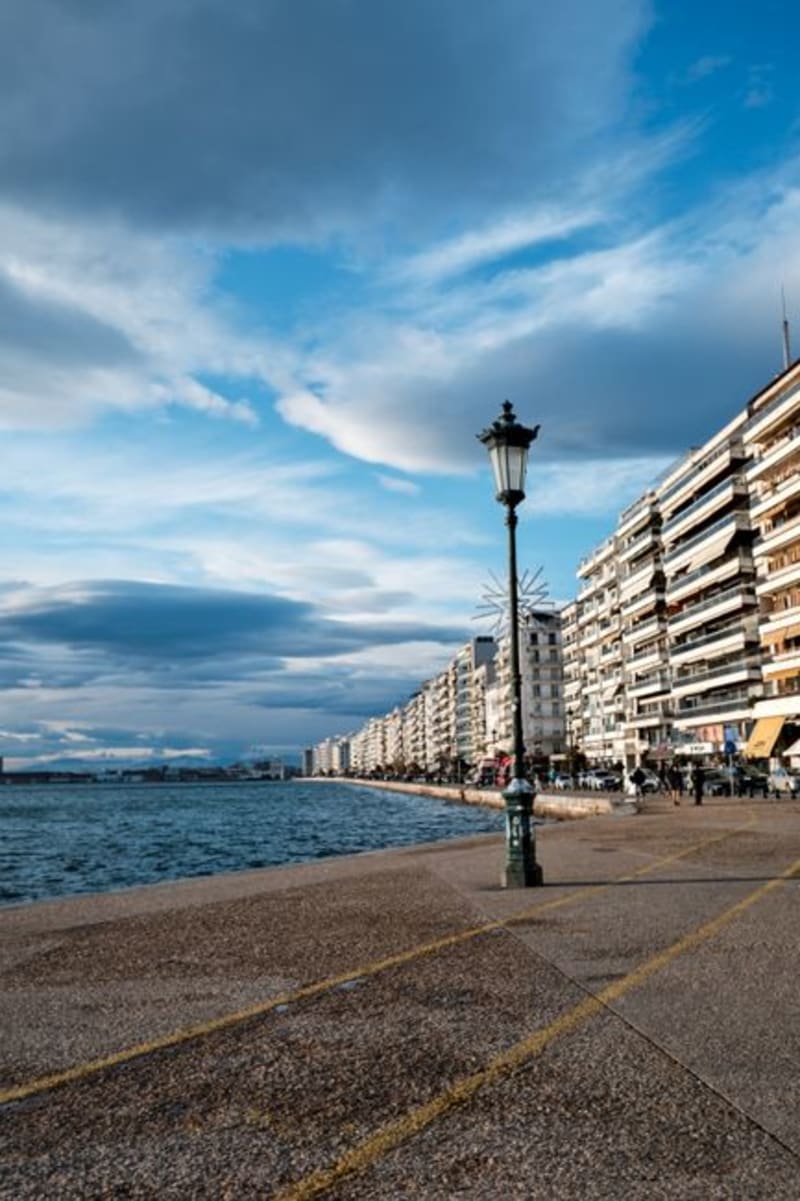 madagascar
 Mahajanga
A relaxed northwestern port city with an Arabic-influenced old quarter, a giant baobab in the town square, and a seafront made for slow evening walks.
Explore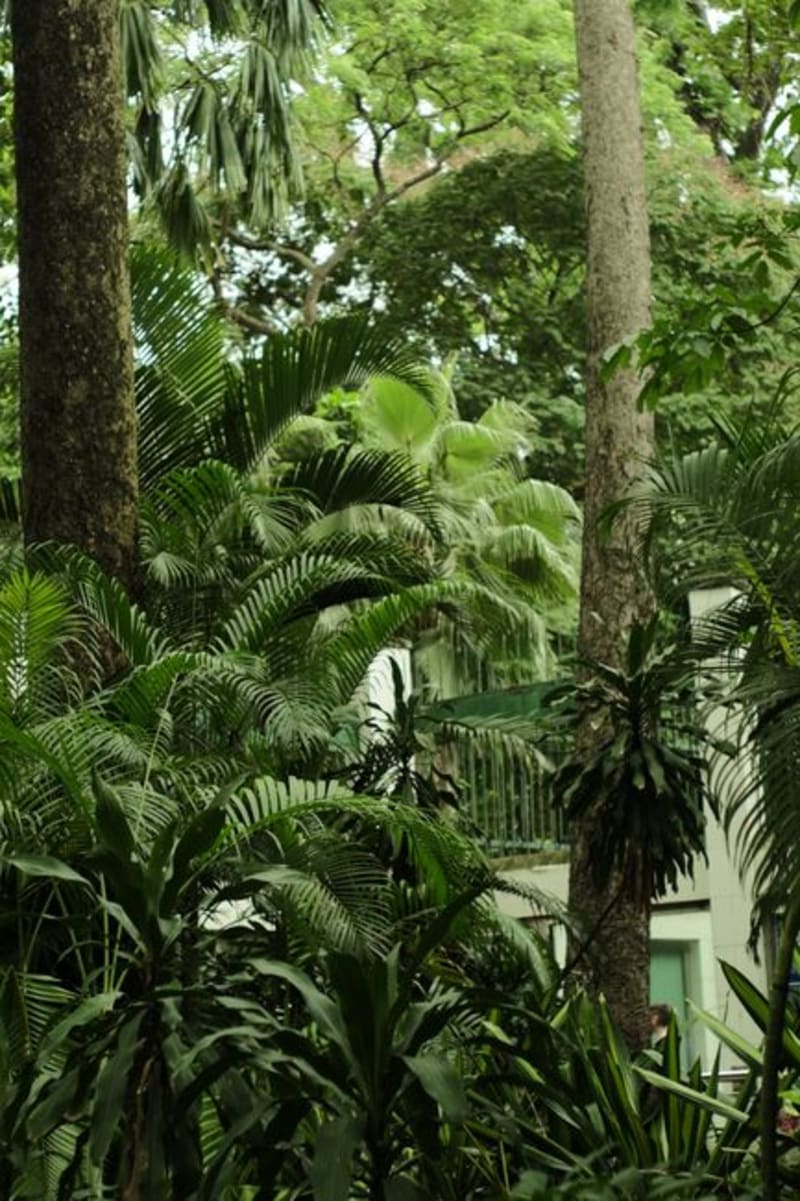 madagascar
 Mantadia National Park
Andasibe's wilder, steeper neighbor, a stretch of primary rainforest where diademed sifaka move through some of the tallest canopy in Madagascar.
Explore