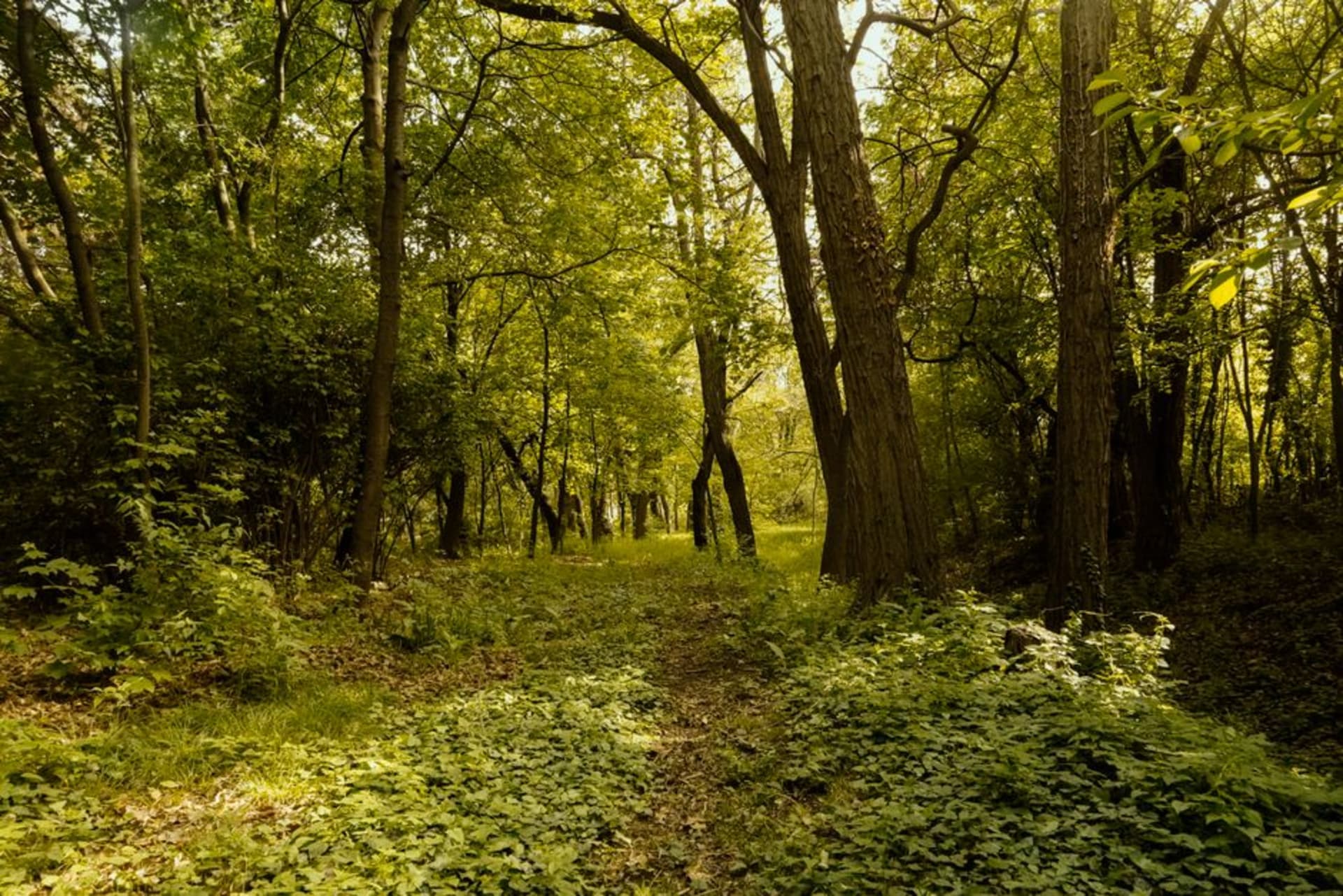
Berenty Private Reserve
"They call it the sifaka's dance. Nothing prepares you for how genuinely funny it looks in person."
A private reserve in the deep south where ring-tailed lemurs sunbathe in yoga poses and sifaka cross open ground in a sideways dance.
Berenty sits deep in the arid south, a private reserve carved out of a sisal plantation established by a French family in the 1930s, who set aside a strip of gallery forest along the Mandrare River specifically to protect it while farming sisal on the surrounding land. That slightly unusual origin story — conservation as a deliberate carve-out inside an agricultural operation rather than a formally protected national park — has made Berenty one of the most studied and most reliably wildlife-dense reserves in Madagascar, decades of continuous research having produced an extraordinarily habituated animal population.
The Sunbathing Pose
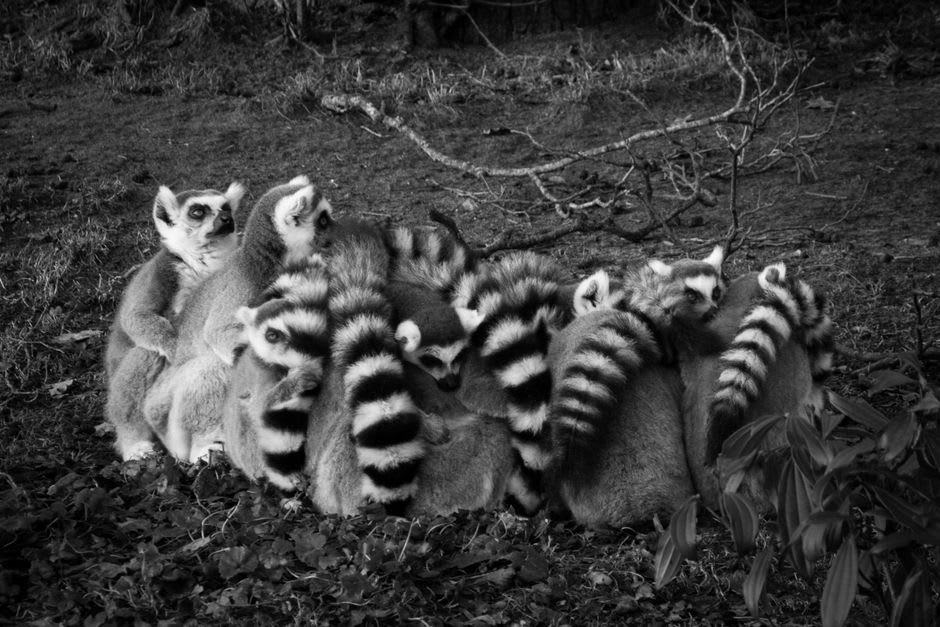
Berenty’s ring-tailed lemurs have become something close to iconic specifically because of one behavior: on cool mornings, troops gather in open clearings and sit upright, arms spread and palms turned outward, faces tilted to the sun in a pose that looks, unmistakably, like a yoga class in session. My guide, Tiana, said the behavior helps them absorb heat efficiently after cold desert nights, but explaining the mechanism didn’t make it any less funny to watch a dozen lemurs holding the exact same meditative posture in unison on a fallen log.
Sifaka That Dance Sideways
The reserve’s Verreaux’s sifaka are famous for a different, equally distinctive quirk — since their legs aren’t built for efficient movement on flat, open ground, they cross clearings with a bounding, sideways hop, arms held out for balance, in a motion that has genuinely earned the nickname “dancing sifaka.” I watched a group cross an open track directly in front of us, five or six animals in loose succession, each one performing the same bouncing sideways leap, and had to stop myself laughing out loud in case it read as disrespectful. It didn’t feel disrespectful to them, evidently — they seemed entirely unbothered by the audience.
Spiny Forest and the River’s Edge
Beyond the more famous open-ground lemur displays, Berenty’s gallery forest along the Mandrare and its adjacent tract of spiny forest hold a wider cast of characters — sleeping white-footed sportive lemurs found by torchlight tucked into tree hollows during the day, hefty radiated tortoises moving with unhurried purpose through the leaf litter, and a resident population of ring-tailed mongoose that Tiana pointed out moving low and fast along the riverbank.
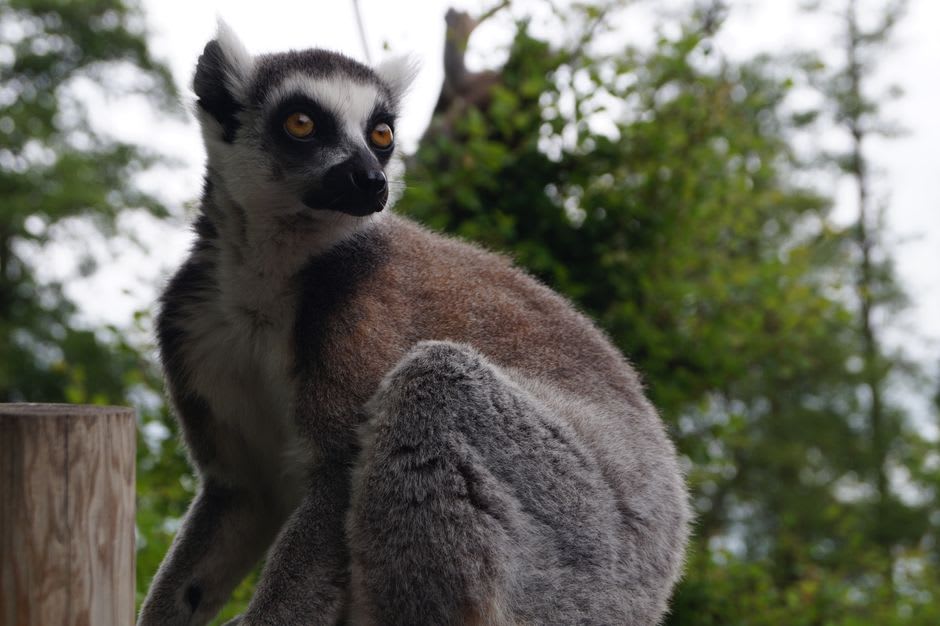
There’s an argument to be made that Berenty’s habituation, built up over nearly a century of continuous human presence, makes it a less “wild” experience than some of the harder-to-reach parks further afield. I understood the criticism and mostly didn’t care — watching a lineup of lemurs hold a sun salutation at point-blank range is not an experience I’m inclined to feel guilty about enjoying.
When to go: April through November, dry season, for comfortable temperatures and easier access along the reserve’s southern approach roads.
Keep exploring
More from Madagascar
 madagascar
 Diego Suarez
A weathered port city on one of the world's finest natural harbors, gateway to red sandstone canyons and a bay carved into three distinct colors.
Explore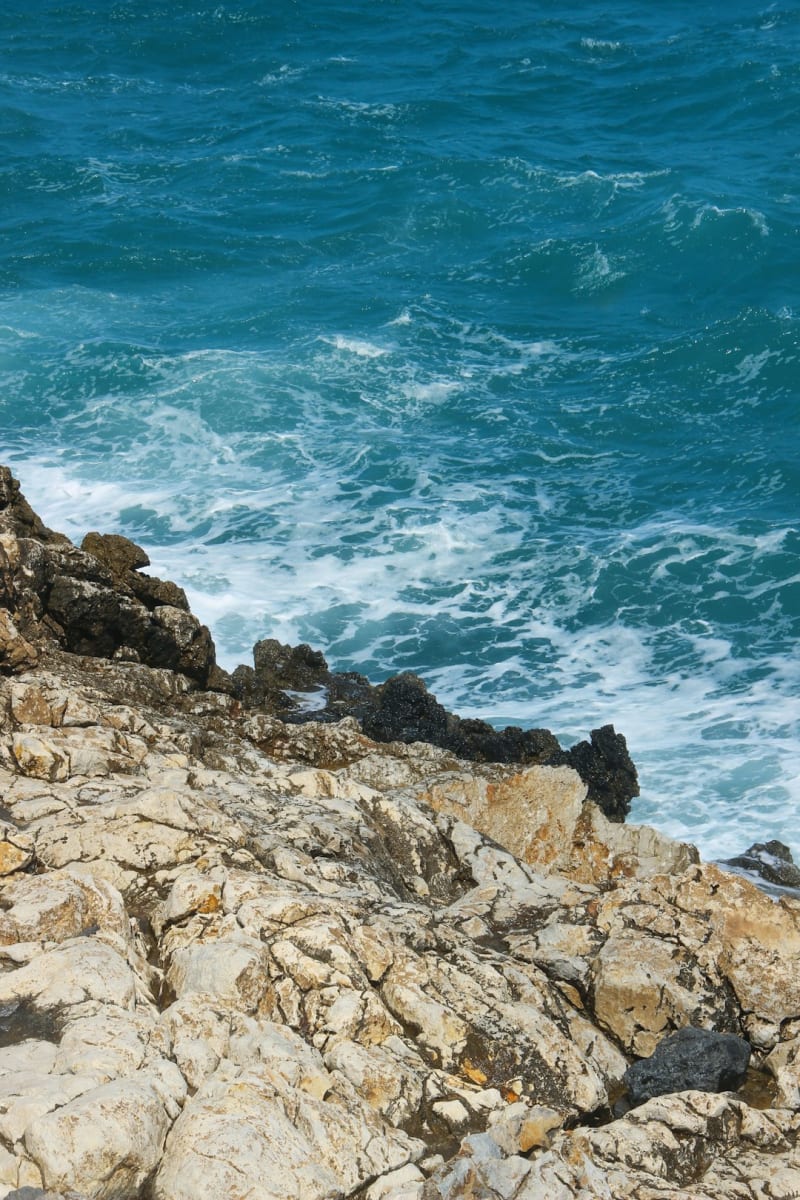 madagascar
 The Emerald Sea
A shifting sandbar off Nosy Be where the lagoon turns an implausible green-gold and you can stand waist-deep a kilometer from any shore.
Explore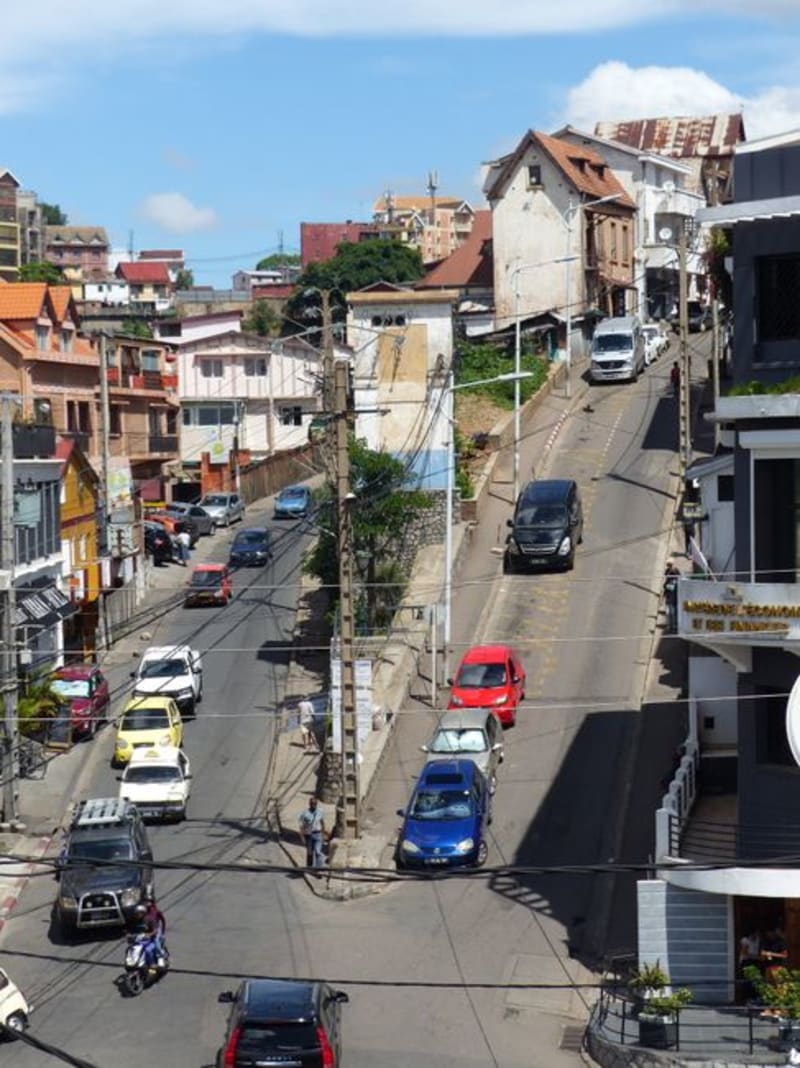 madagascar
 Fianarantsoa
A hillside university town in the southern highlands, home to Madagascar's small, surprising wine industry and a rattling old colonial railway.
Explore madagascar
 Fort Dauphin
Madagascar's dramatic southern tip, where the Indian Ocean hammers one coast while calm lagoons stretch down the other, and the Anosy region holds some of the island's least-visited wilderness.
Explore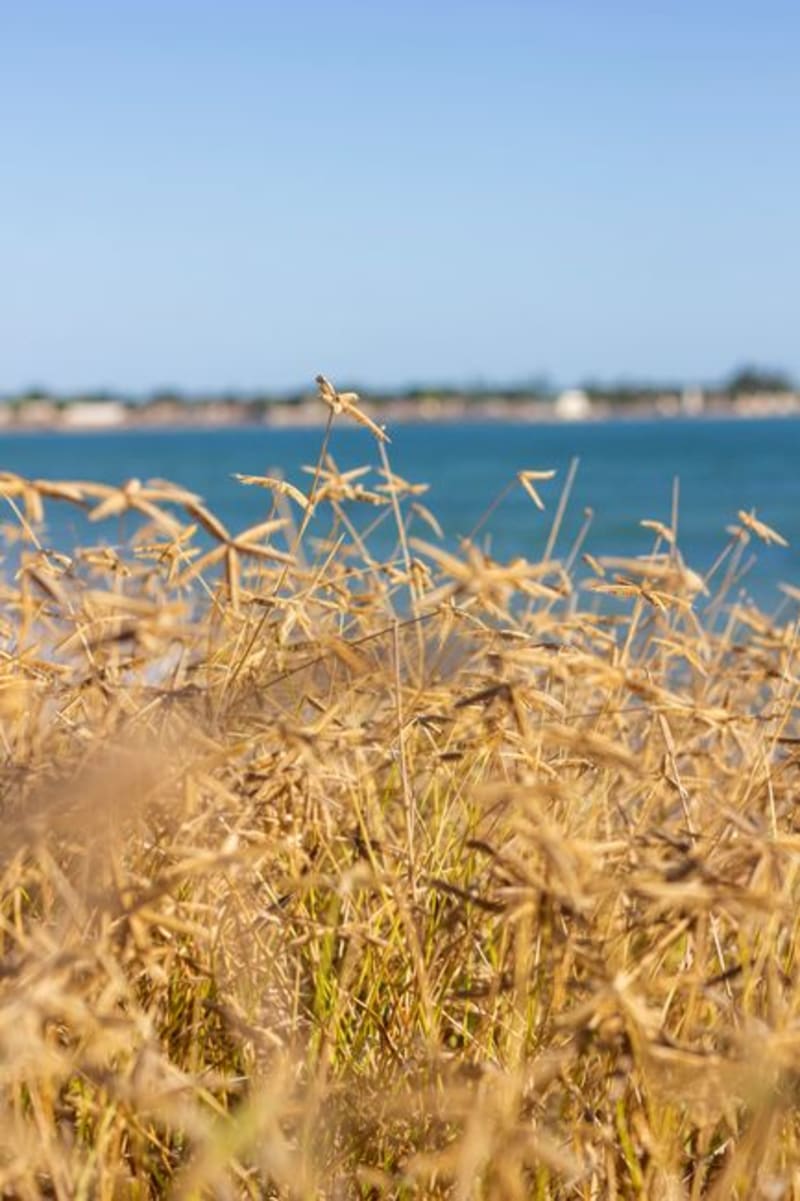 madagascar
 Ifaty
A strip of fishing villages north of Toliara where spiny forest meets coral reef and the beach bars empty onto sand instead of pavement.
Explore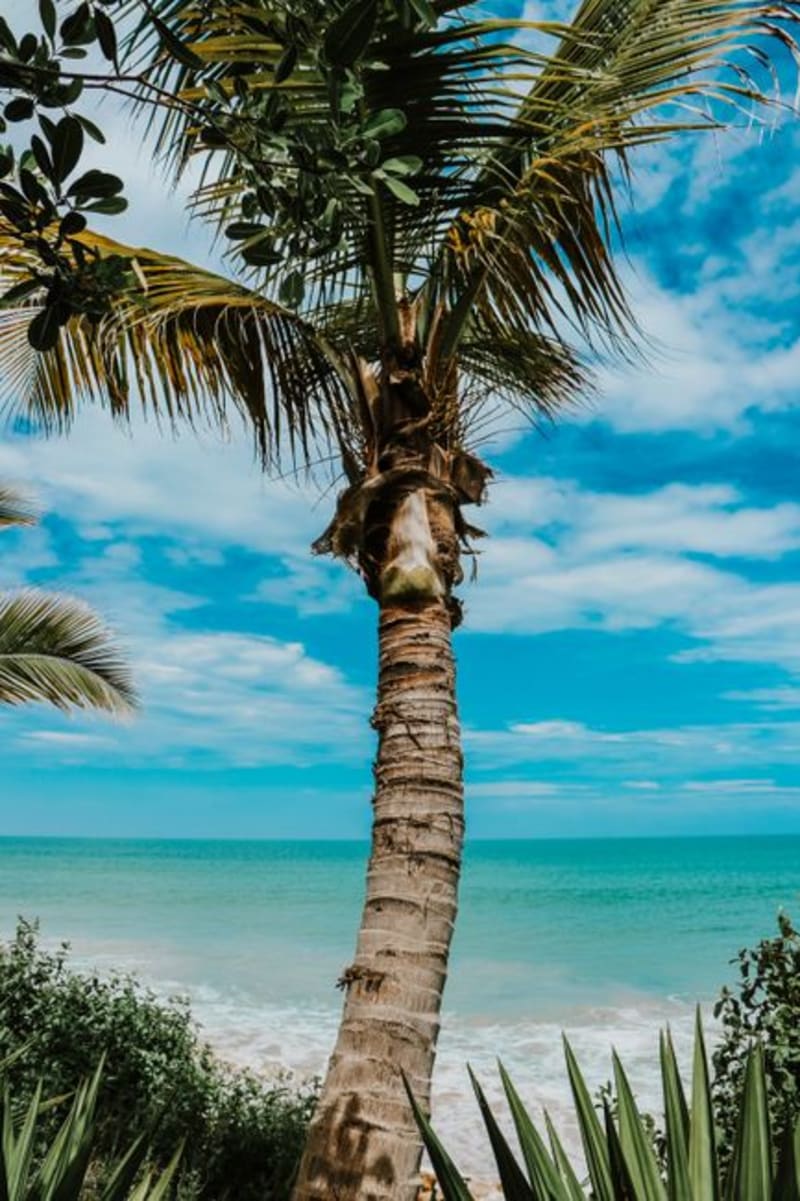 madagascar
 Ile aux Nattes
A tiny car-free island off the southern tip of Sainte Marie, ringed by the kind of water that makes you stop mid-sentence.
Explore