Baobab Amoureux
"Nobody agrees on whether the story is true, and somehow that makes it more romantic, not less."
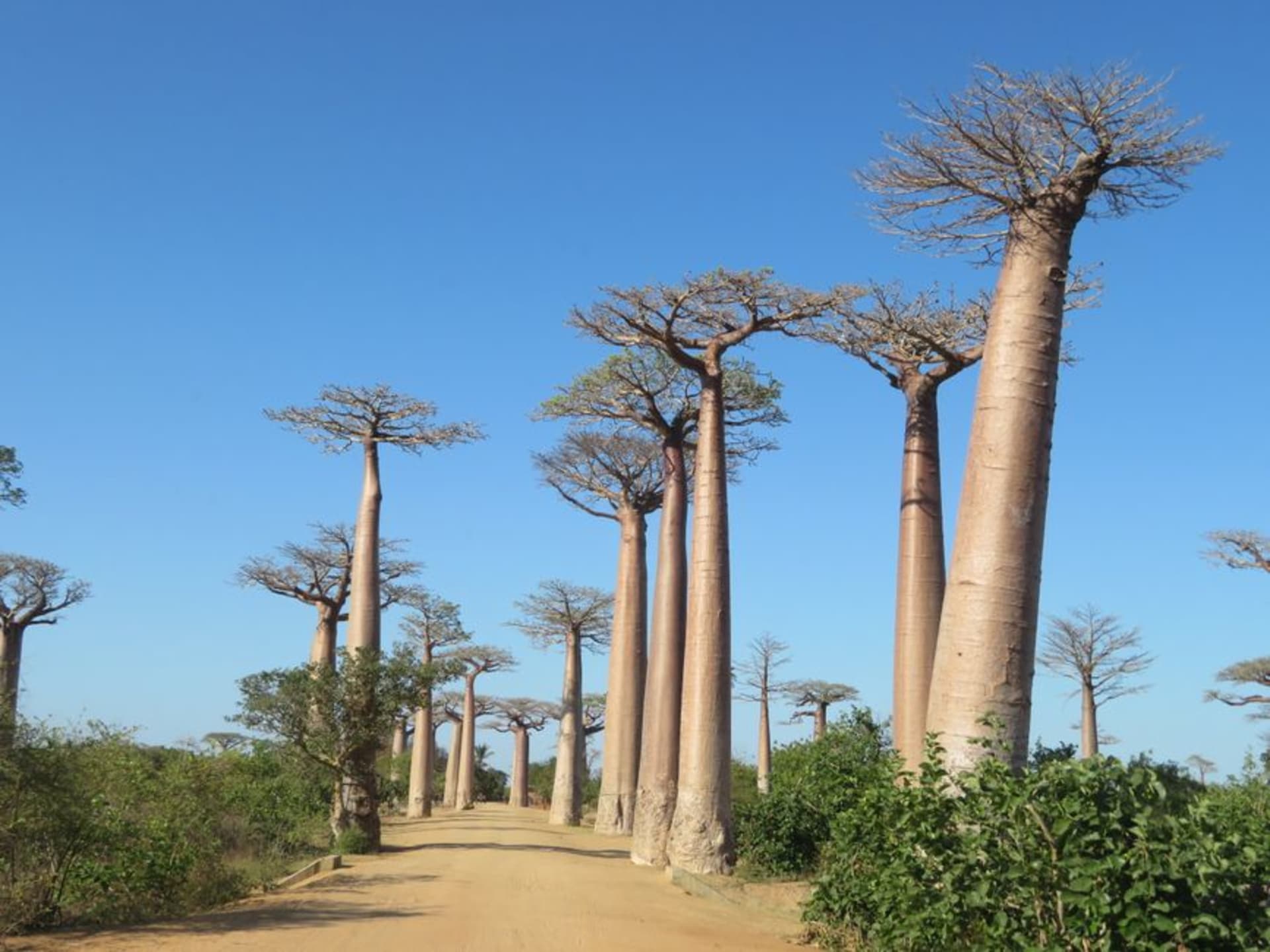
Two baobabs outside Morondava that grew into each other over centuries, twisted into a single trunk that locals read as a love story.
You reach the Baobabs Amoureux, the “Loving Baobabs,” down a smaller dirt turnoff a few kilometers past the main Avenue de Baobabs, close enough to visit as a companion stop but distinct enough — and quiet enough — that it deserves its own trip out rather than a rushed five minutes on the way to somewhere else. Two baobab trunks here have grown around each other in a slow botanical embrace, spiraling together over what’s estimated to be several hundred years, until from certain angles they read as a single braided tree rather than two.
The Story, Depending on Who Tells It
My driver, a young guy named Solo who’d clearly told this story to a hundred tourists before me, gave the version where a young couple from a nearby village, forbidden from marrying by their families, were transformed by a local sorcerer into baobabs so they could finally be together forever. He told it with a straight face and then immediately admitted he wasn’t sure it was true, that there were at least two other versions floating around involving spirits or a curse rather than a blessing. I liked that nobody insisted on a single canonical account — the tree gets to be whatever story you brought with you.
Fewer People, Same Sky
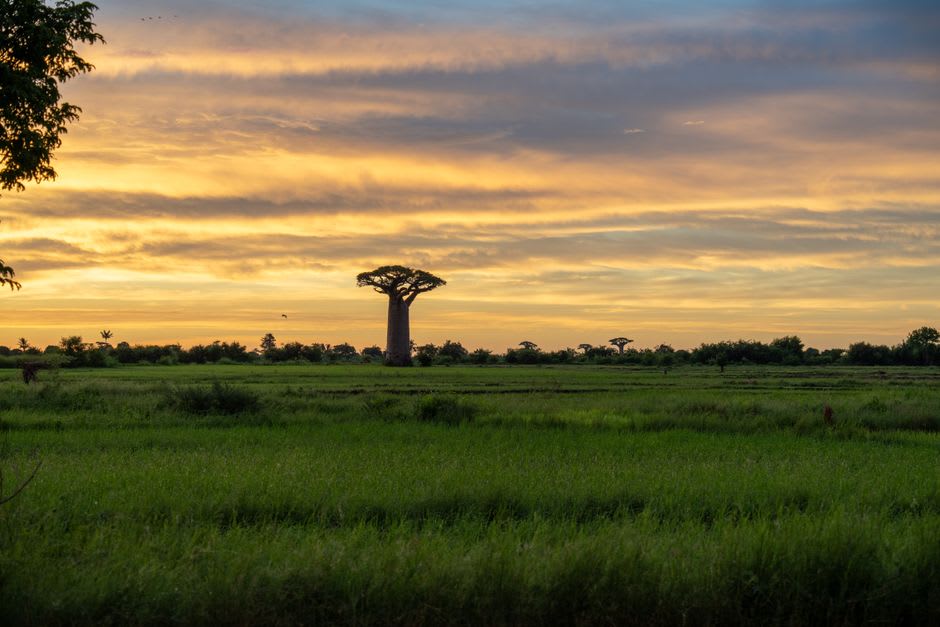
The big draw of the nearby Avenue is obviously the avenue itself, and it gets crowded at sunset with tour vans and drone operators jostling for position. The Loving Baobabs, by contrast, had maybe six other visitors the evening I went, spread out loosely enough that it felt like we’d each found the place independently. I sat on the raised dirt bank across from the trees for close to an hour as the light went from white to gold to the deep orange-red that Madagascar’s dry-season dust seems to specialize in, the twin trunks going from grey to near-black silhouette against it.
The Road Between
The drive out from Morondava passes through the same rice-paddy and scrub-grass countryside as the main avenue road, small villages of mud-brick houses with thatched roofs, zebu carts moving at a pace that made our four-wheel-drive feel almost rude in its haste. Solo pointed out a second, much smaller pair of intertwined baobabs a few hundred meters further on that most guides skip entirely, their story-less and unglamorous but somehow more moving for having no legend attached — just two trees that happened to grow into each other, the way trees sometimes do.
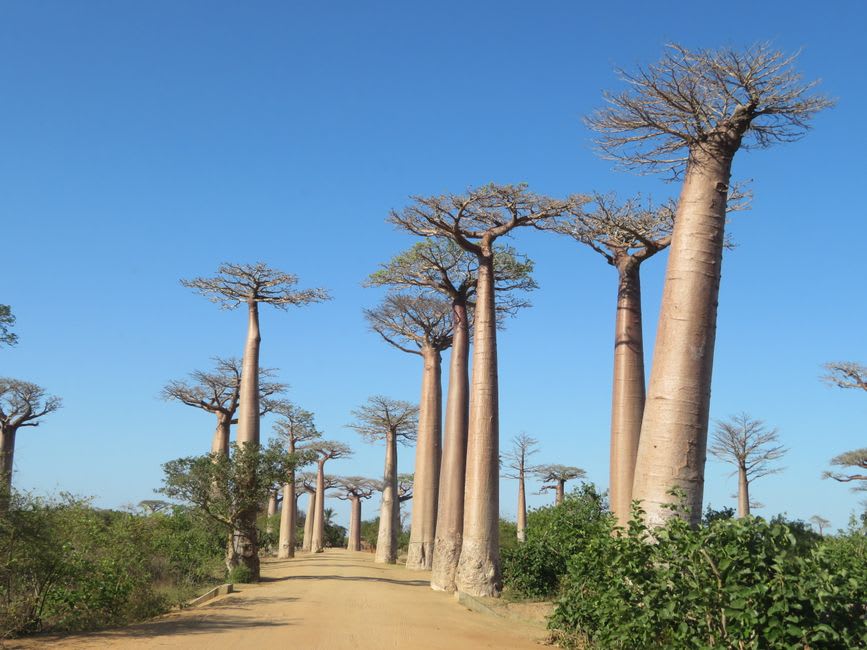
I’ve thought about those two sets of trees more than I expected to since leaving — the famous embrace and its unnamed neighbor down the road, one with centuries of story built around it, the other with none at all, both equally patient about the whole arrangement.
When to go: Combine with a sunset visit to the main Avenue de Baobabs — arrive at the Loving Baobabs about thirty minutes earlier to beat the crowd shift and catch softer light. Dry season, April through November, keeps the access road manageable.
Keep exploring
More from Madagascar
 madagascar
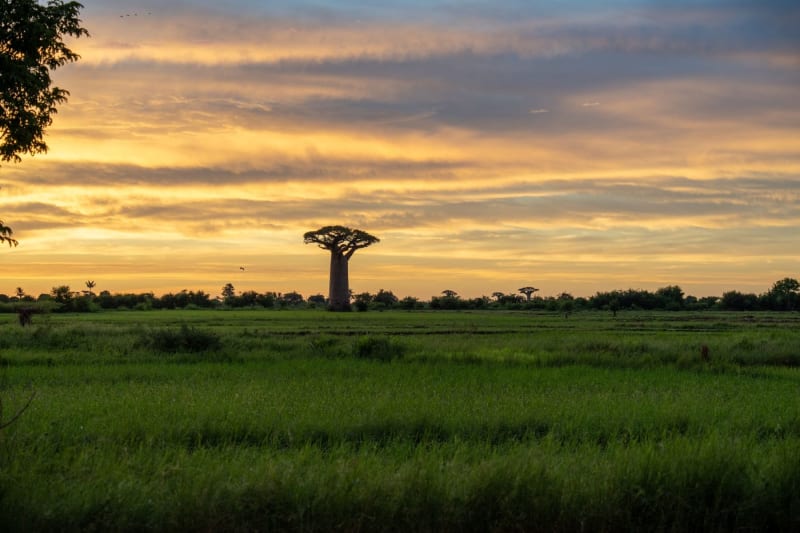
 Baobab Avenue
Ancient baobab trees 800 years old lining a laterite road at sunset — Madagascar's most iconic image.
Explore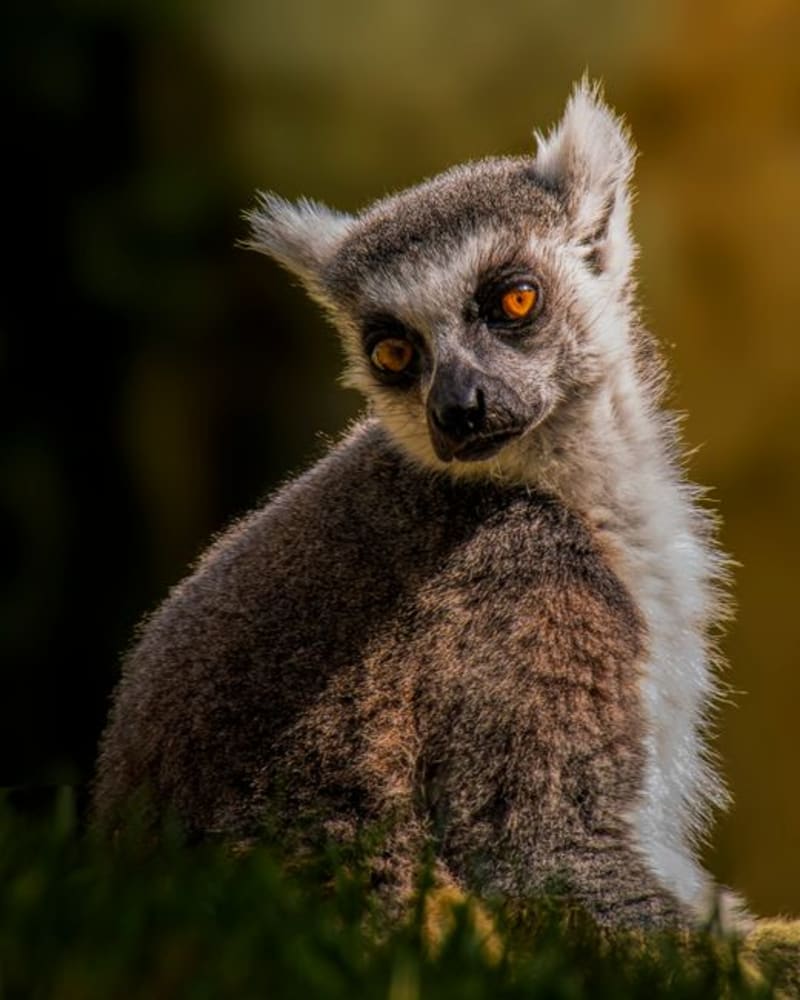 madagascar
 Berenty Private Reserve
A private reserve in the deep south where ring-tailed lemurs sunbathe in yoga poses and sifaka cross open ground in a sideways dance.
Explore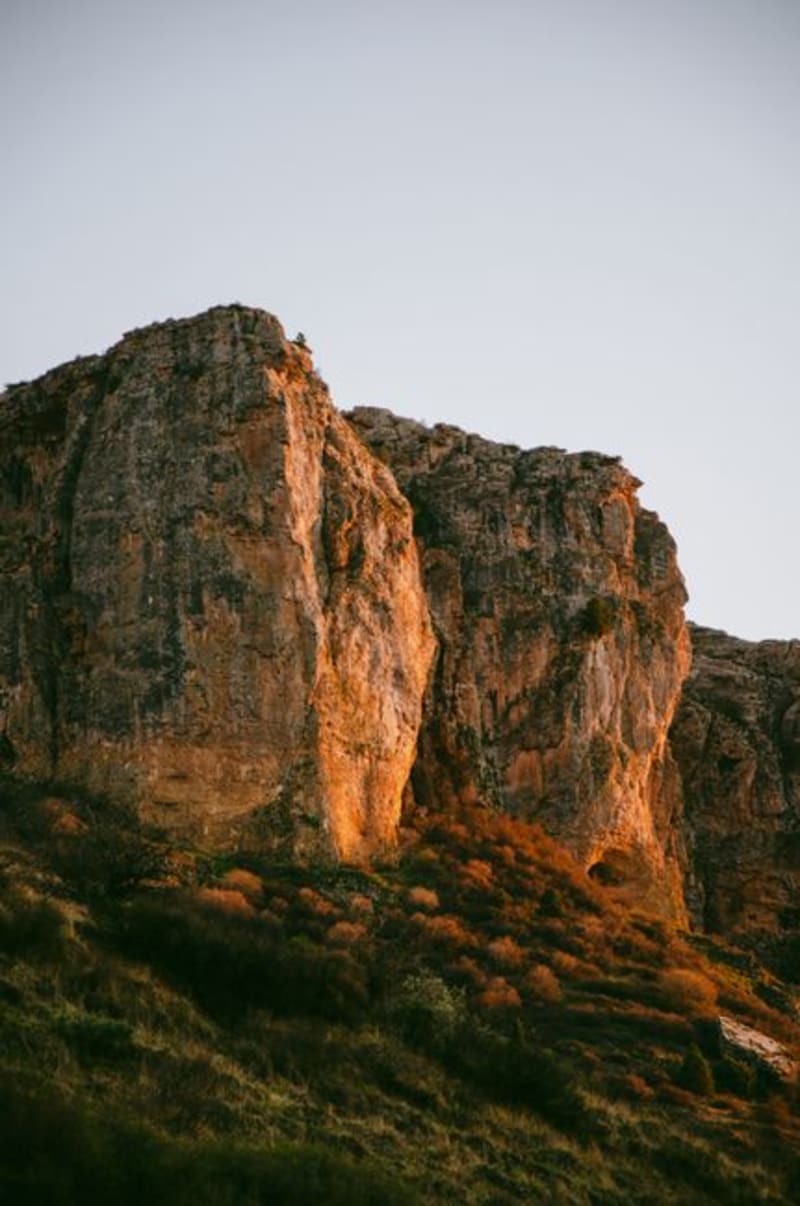 madagascar
 Diego Suarez
A weathered port city on one of the world's finest natural harbors, gateway to red sandstone canyons and a bay carved into three distinct colors.
Explore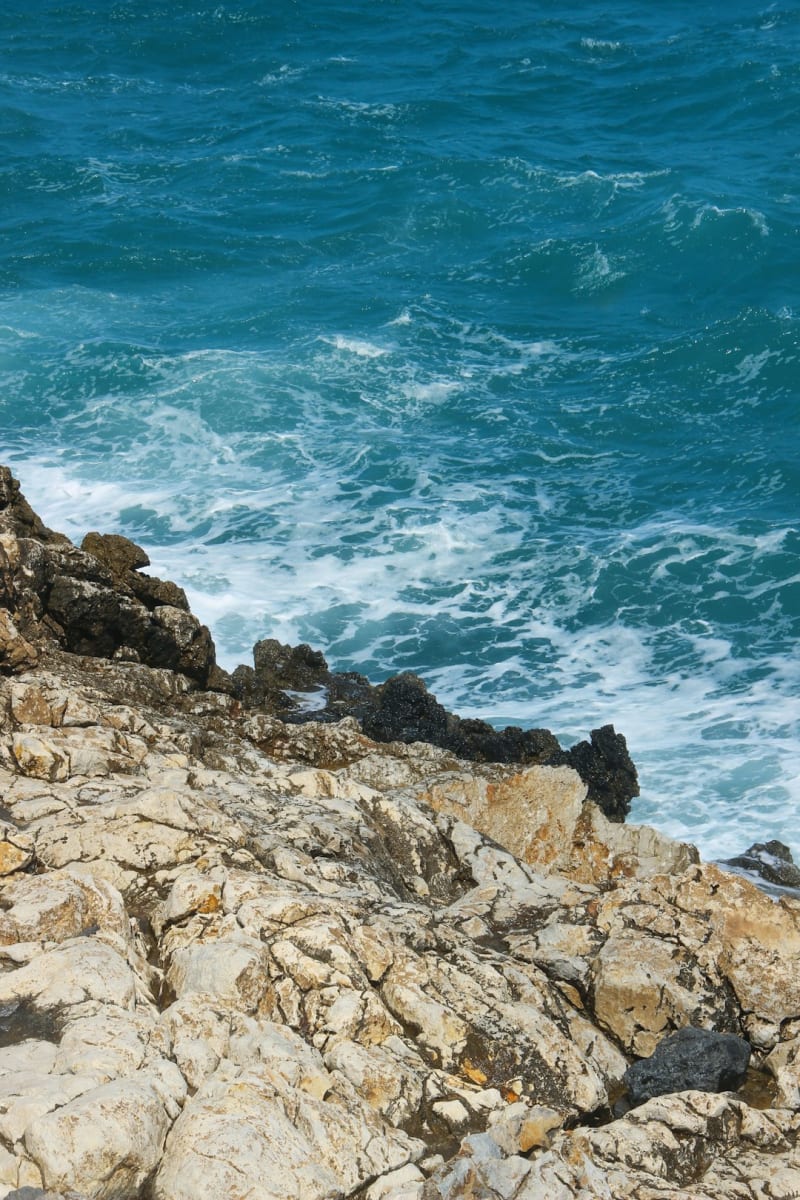 madagascar
 The Emerald Sea
A shifting sandbar off Nosy Be where the lagoon turns an implausible green-gold and you can stand waist-deep a kilometer from any shore.
Explore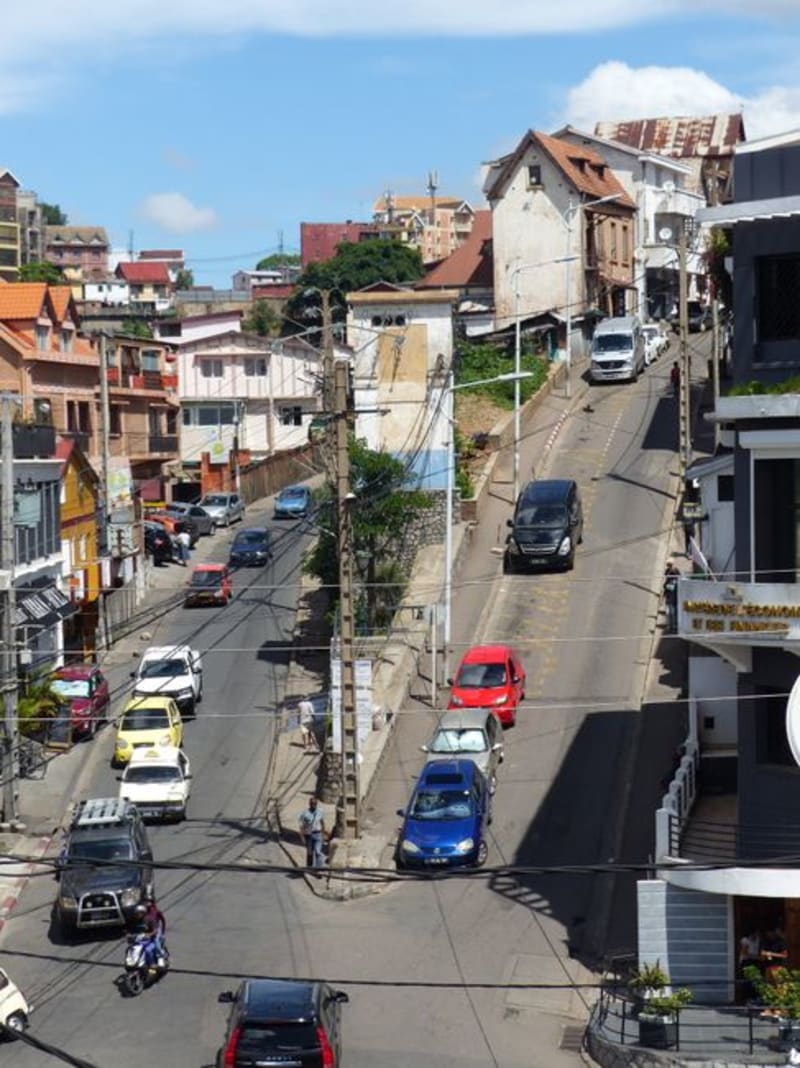 madagascar
 Fianarantsoa
A hillside university town in the southern highlands, home to Madagascar's small, surprising wine industry and a rattling old colonial railway.
Explore madagascar
 Fort Dauphin
Madagascar's dramatic southern tip, where the Indian Ocean hammers one coast while calm lagoons stretch down the other, and the Anosy region holds some of the island's least-visited wilderness.
Explore