Ol Kinyei Conservancy
"Walking changes everything. The grass is suddenly a problem, not a backdrop."
The difference between driving through the savanna and walking through it is roughly the difference between watching a fire and being in one. I understood that the morning James ole Mepukori took me out on foot at Ol Kinyei, when we dropped out of the vehicle and suddenly the grass — which had been a pleasant golden blur from the window — became something I had to negotiate. It was waist-high in places, still wet from the night, and every stem caught the light differently. James moved through it with the easy certainty of someone who grew up here, reading the grass the way I read a street, and I followed, trying to step where he stepped, trying to match his pace and failing.
Ol Kinyei is a community conservancy: the land belongs to Maasai families who lease it to conservation rather than fragmenting it for agriculture, and the revenue goes back into those families — schools, clinics, income for women’s collectives making beadwork. The arrangement is more complicated than the brochures suggest, and James talked about it frankly while we walked. Not everything works perfectly. The human-wildlife conflict is real. But the conservancy has kept this corridor open, and the wildlife moves through it freely between the main reserve and the Loita Plains to the east.

On foot you notice things the vehicle insulates you from completely. The smell of elephant is extraordinary — something between hay and musk and a faint sweetness I couldn’t identify — and James stopped us forty meters from a small group of females feeding at a stand of yellow-barked acacias. He didn’t say anything, just held up one hand and we stood still, and I could hear them tearing branches, feel the vibration of their footfalls in my chest, watch the way they organized themselves around the youngest. Then a dry twig cracked somewhere behind us and they moved off without apparent urgency, and the whole interaction was over in three minutes but sat in me for days.
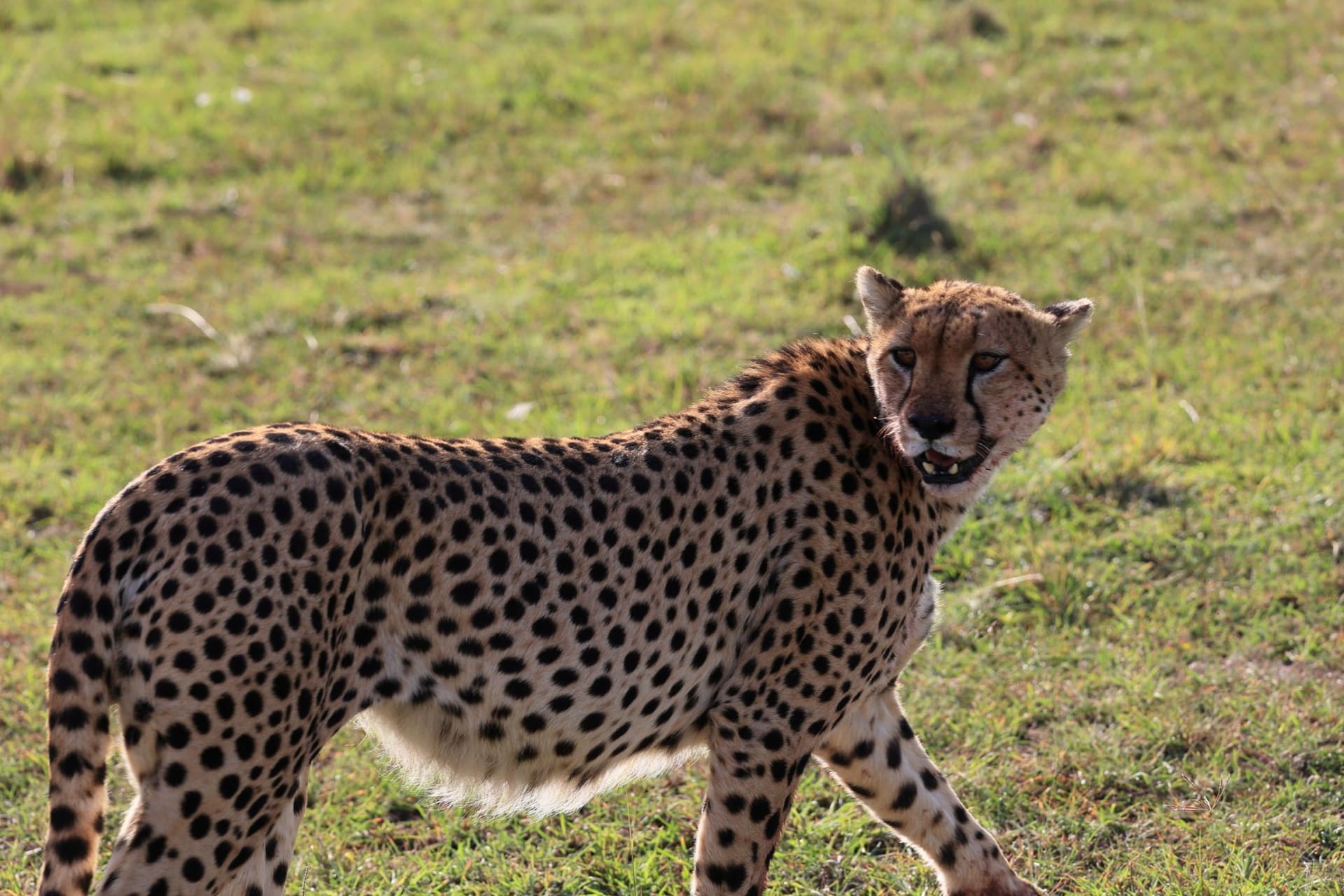
Ol Kinyei is also, in the green season, one of the best places in the Mara ecosystem to see cheetah. The open, short-grass plains in the southern section give them the sightlines they need, and the relatively low vehicle density means you can sometimes observe a hunt without the circus of a dozen cars that tends to develop around cat sightings in the main reserve. I didn’t see a hunt, but I watched a male cheetah scan the horizon from a termite mound for twenty minutes at dusk, his expression one of complete professional focus, utterly uninterested in us.

When to go: The conservancy is particularly good in January and February when the short rains have passed, the grass is cropped low by zebra and gazelle, and the walking conditions are excellent. Cheetah sightings peak in the dry season. Walking safaris here should be booked in advance through the conservancy directly.