Africa
Maasai Mara
"Nothing in Mexico prepared me for the weight of that silence."
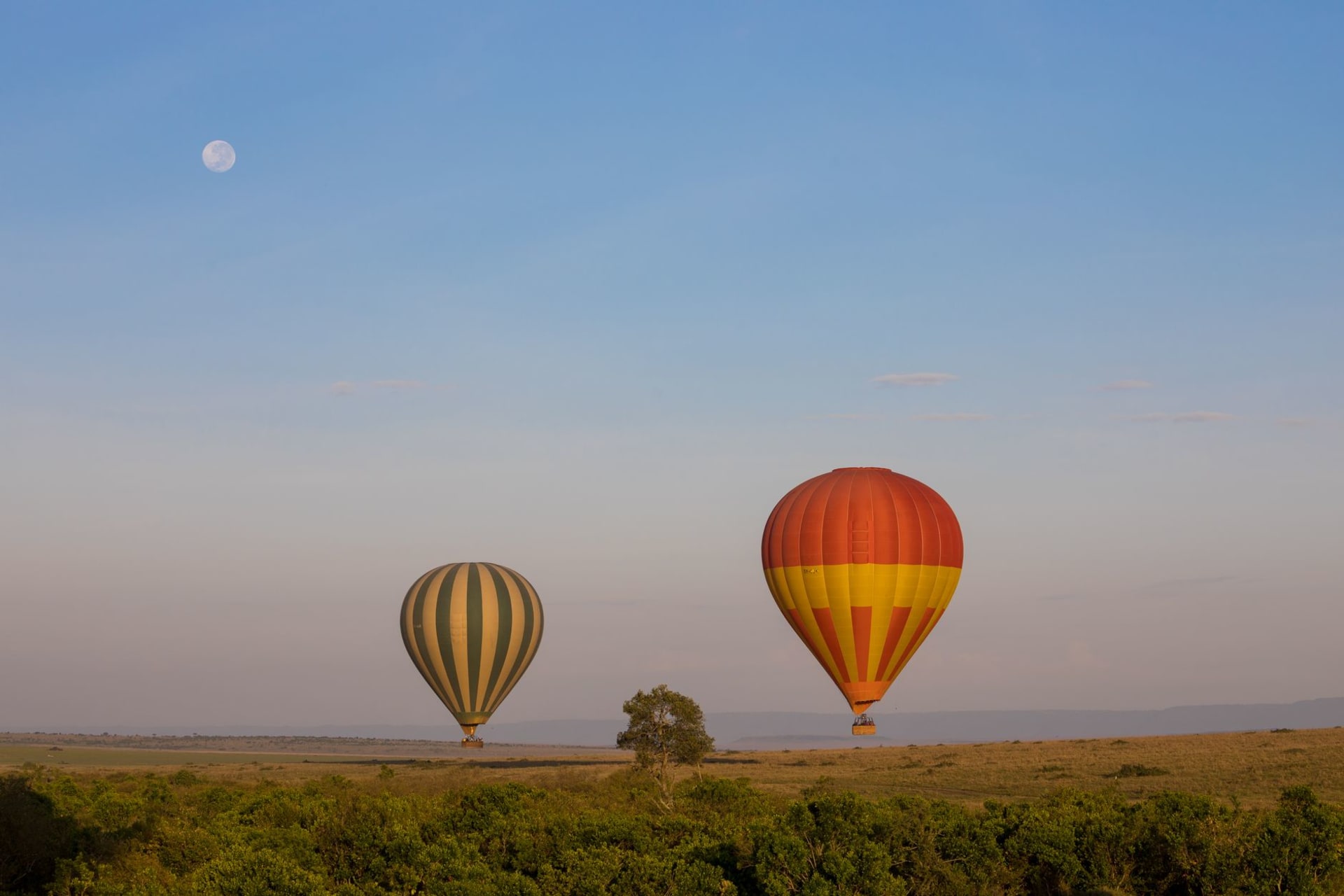
I arrived at the Mara in late July, in a beaten 4x4 that rattled every tooth loose on the red laterite track from Narok. The driver, Samuel, hadn’t said much the whole ride — he didn’t need to. When we crested the last ridge and the Mara opened below us, a rippling sea of golden grass dotted with acacia and wildebeest as far as I could see, he just slowed the engine and let the window down. That was explanation enough.
I’d been living in Mexico for a couple of years by then, a country that knows how to fill the senses — mezcal smoke, church bells, the riot of a market in Oaxaca. But the Mara does something different. It quiets you. The first morning I sat on the roof hatch of the Land Cruiser watching a cheetah stalk through the grass forty meters away, moving with that loose, liquid patience, and I forgot to breathe. Not from fear. From the strange, vertiginous feeling of being completely irrelevant to what’s happening in front of you. The savanna doesn’t perform. It simply goes on, indifferent, enormous, and unbothered by your presence.
I spent four days at a tented camp on the Talek River — canvas walls, a cot with too many blankets because the nights drop fast and cold, and the sound of hippos grunting in the dark. The food was better than I expected: ugali with braised goat, fresh papaya at breakfast, chai so sweet and spiced it felt almost illicit at six in the morning. The camp manager, a Maasai man named Ole Tipis, walked me through the spoor around the water’s edge one evening and named things I would have stepped right past. That hour taught me more than the entire day of game drives.
When to go: July through October for the Great Migration and river crossings — the drama everyone comes for. But April and May, just after the long rains, is when the Mara is green and uncrowded and the big cats are raising cubs. Worth the muddy tracks.
What most guides get wrong: They sell the Migration as a single event with a fixed schedule, like it’s a train with a timetable. It isn’t. The wildebeest move when they want, double back, hesitate at the river for days. You can spend three mornings waiting at a crossing point and see nothing, then on the fourth morning — at the exact moment you look away to pour coffee — it starts. That’s not a flaw in the experience. That’s the whole point.