Larochette
"We came for a castle and left arguing, gently, about which century we liked better."
A small Mullerthal town watched over by the fire-scarred ruins of two rival castles perched on a rocky spur above the Ernz Blanche.
We drove up from Luxembourg City on a whim, the kind of half-planned afternoon Lia and I have gotten good at since moving to Mexico — you forget how close everything is in Europe until you’re somewhere new before your coffee has even gone cold. Larochette announced itself before the town did: two broken towers standing on a rock outcrop, catching the light in a way that made me pull over just to look. I didn’t know yet that I was looking at two castles, not one, built by cousins from the same family who apparently couldn’t stand to share a roof, let alone a rock.
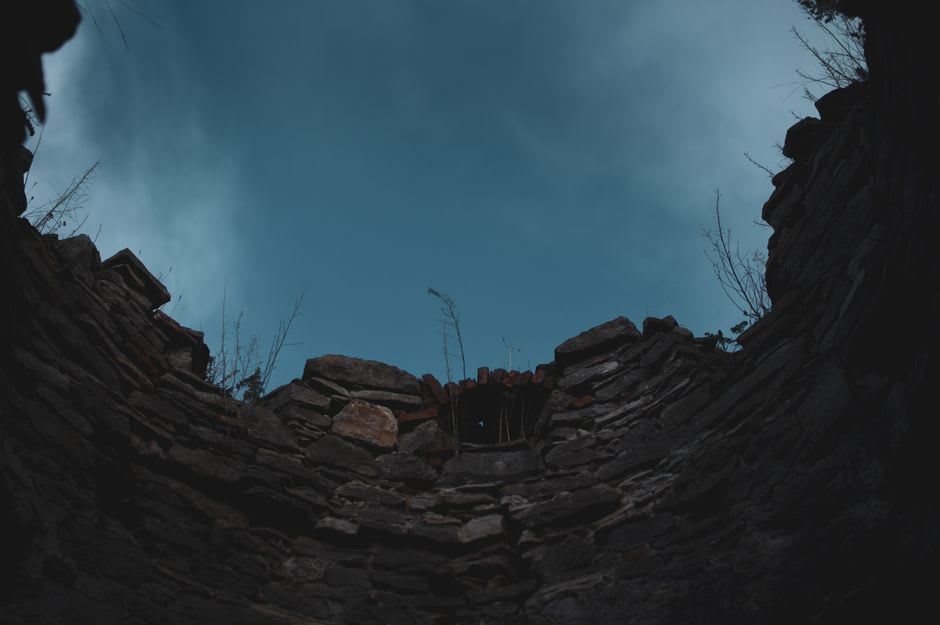
Climbing up into the ruins, that rivalry is still legible in the stone. The two fortresses lean into each other, separate entrances, separate towers, a shared cliff edge and clearly not much shared goodwill, going back to the 11th century. A fire tore through in 1565 and nobody ever bothered — or could afford — to fully rebuild, so what’s left is this open, roofless skeleton you’re free to wander through, stairwells ending in sky, window frames looking out over the Ernz Blanche valley below.
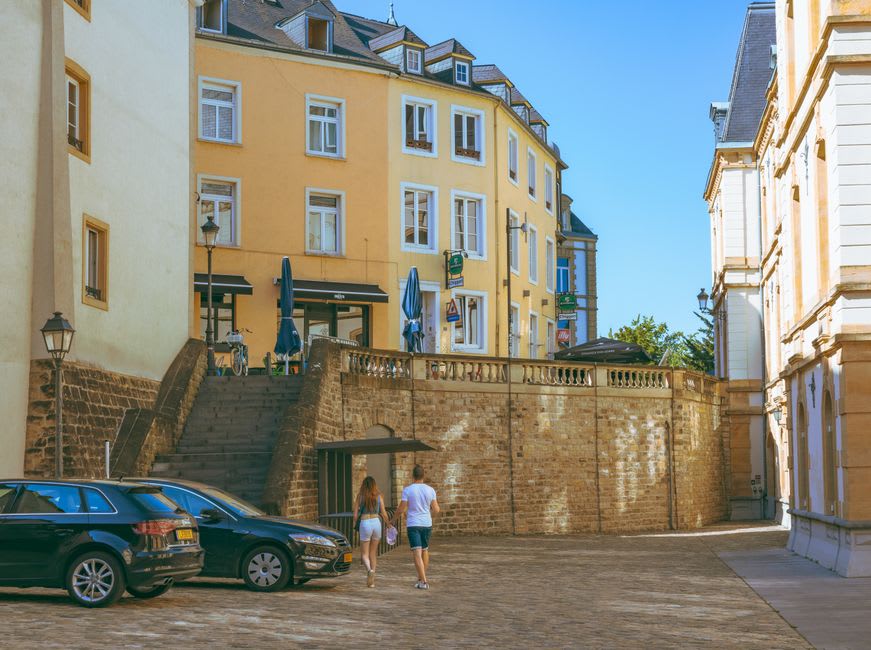
We ate lunch on a bench in the town square afterward, a simple plate of Kniddelen that the woman at the café recommended without me even asking, and watched the wooded hills of the Mullerthal do that thing where they turn three different shades of green depending on where the sun hits them. Later we walked down toward Deey Castle, the smaller 19th-century château that now runs as a cultural center — a much calmer, tidier building, all shutters and symmetry, like a well-behaved younger sibling to the ruin up on the hill.
What stayed with me about Larochette wasn’t grandeur, exactly — it’s a small town, and the castle is a ruin, not a restoration — but the honesty of it. Nobody smoothed over the fire damage or rebuilt a fantasy version of the place. You climb through what’s actually left, and somehow that makes the eight hundred years of family feuding feel closer than any polished museum ever could.
When to go: We’d point you toward April through October, when the ruins are open and the trails threading through the surrounding hills are dry enough to actually enjoy.
Keep exploring
More from Luxembourg
 luxembourg
 Luxembourg City
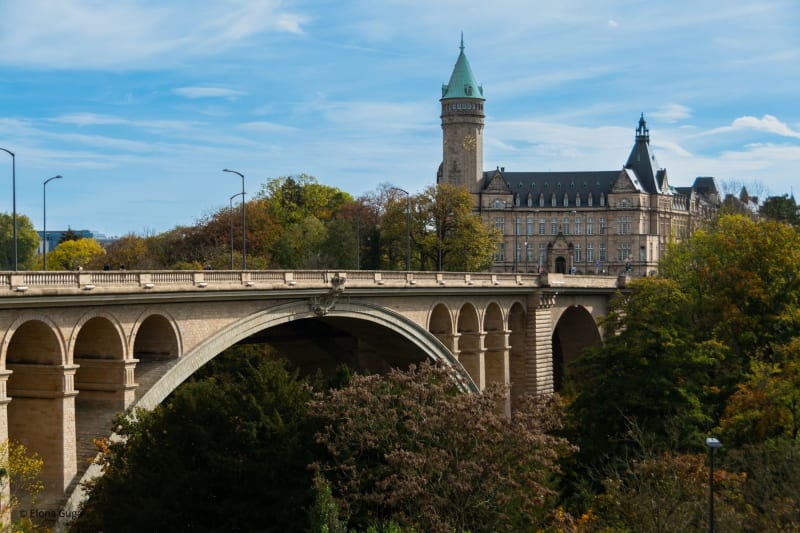
Built over dramatic gorges cut by the Alzette river, this small capital hides extraordinary medieval fortifications beneath a polished European skyline.
Explore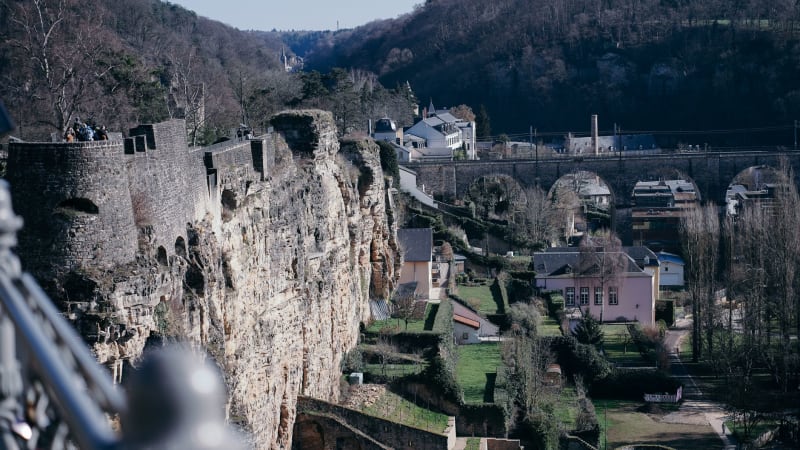 luxembourg
 Moselle Valley
Luxembourg's wine country runs along a river that doubles as a national border, producing Rieslings and Crémants that the rest of Europe has been reliably ignoring for decades.
Explore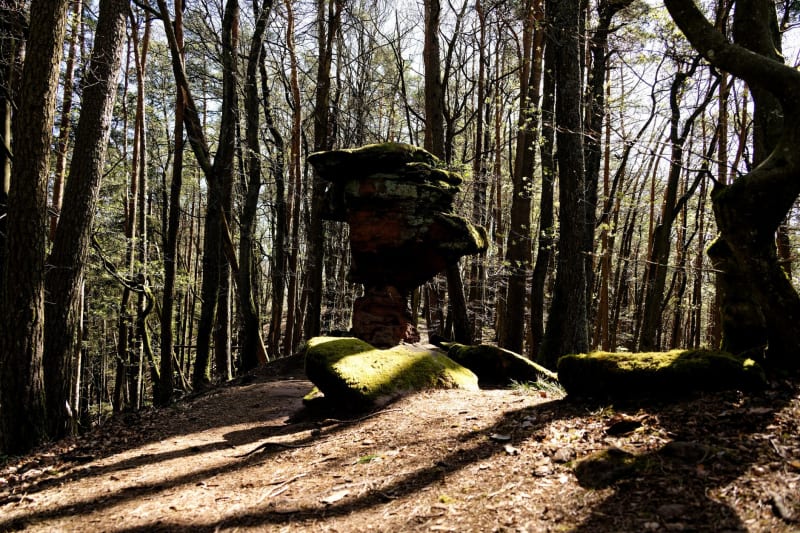 luxembourg
 Mullerthal
Luxembourg's 'Little Switzerland' is a labyrinth of sandstone gorges, moss-covered boulders, and creek-fed forests that earns its dramatic nickname despite the country's modest scale.
Explore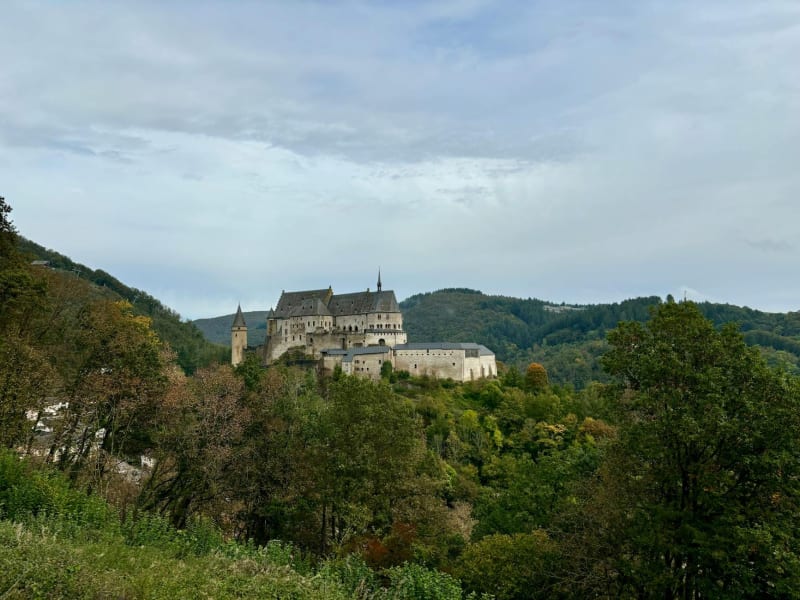 luxembourg
 Vianden
A medieval castle-topped village straight from a fairytale, tucked into the Our river valley on Luxembourg's border with Germany.
Explore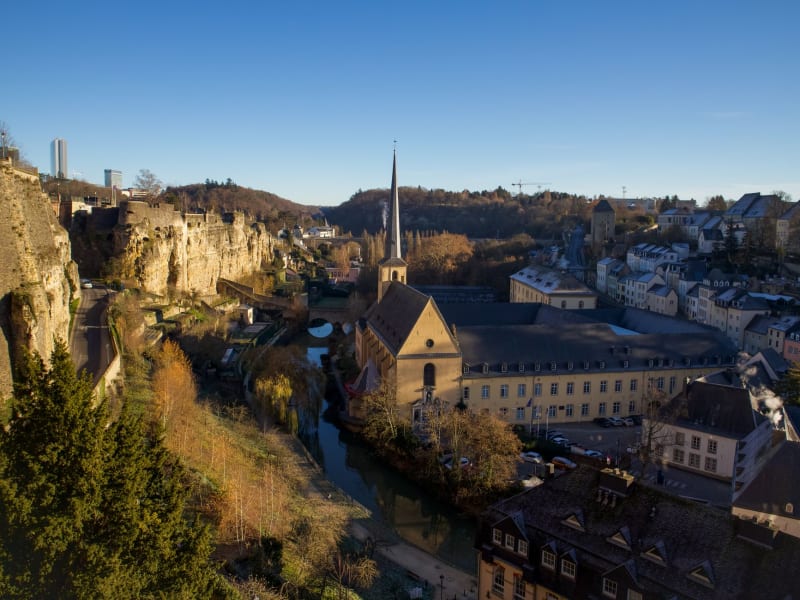 luxembourg
 Wiltz
A northern Ardennes town built on two levels of a hill, with a castle above and a river below, that earns its place by being the genuine article rather than a destination anyone has dressed up for visitors.
Explore luxembourg
 Beaufort
A small Mullerthal village with two castles, deep forest, and a blackcurrant liqueur tradition that locals treat with the seriousness most regions reserve for wine.
Explore