Grand Isle
"Grand Isle exists in defiance of the Gulf, which is trying, year by year, to take it back."
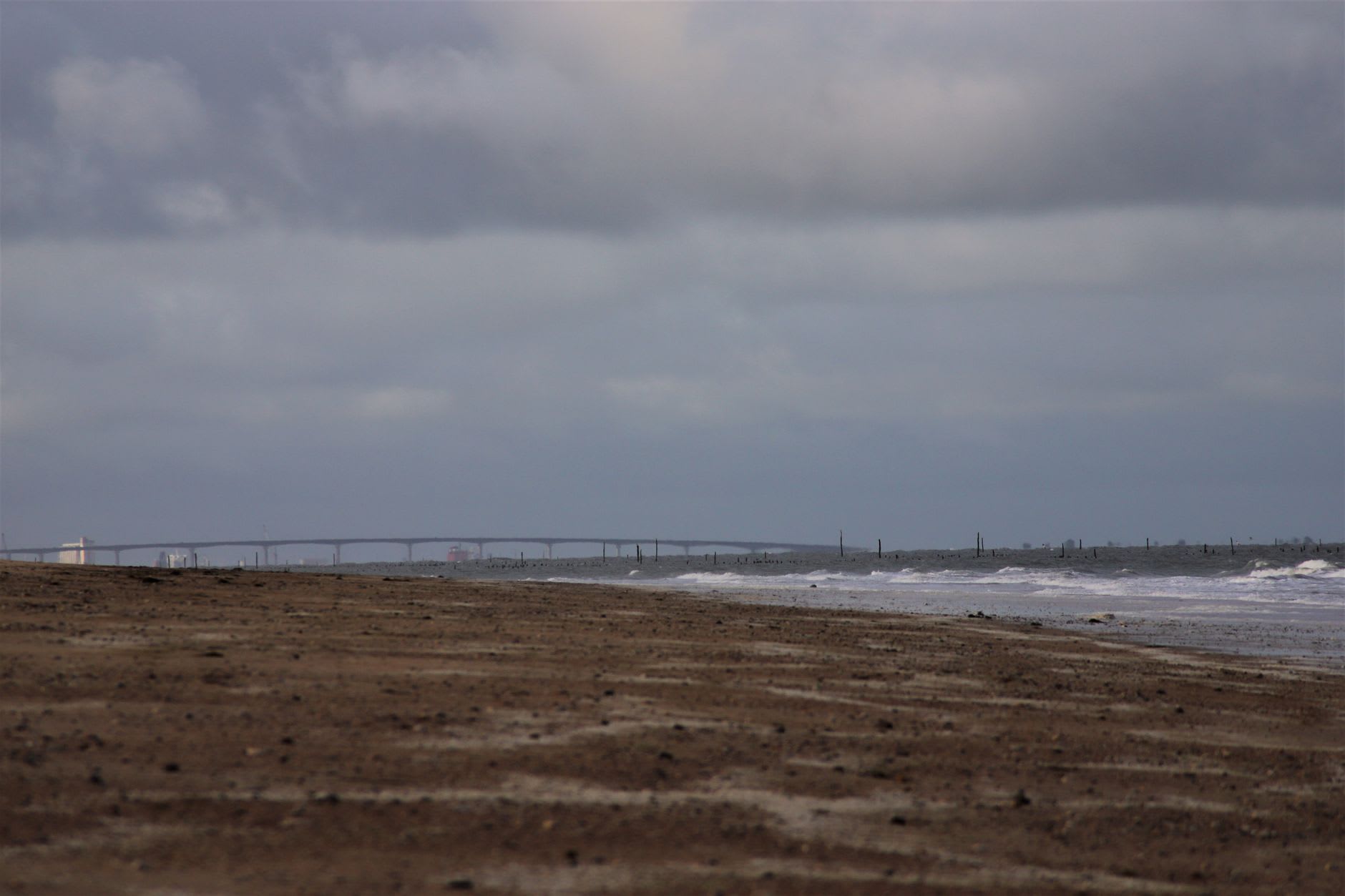
Grand Isle is the end of Louisiana in every sense. The last barrier island in the state still inhabited, connected to the mainland by a single causeway that takes you across marshes so flat and so vast that the drive feels like crossing into another element entirely. The horizon disappears. The land becomes water becomes sky becomes something in between. By the time the island appears — low, wind-bent, barely raised above the Gulf — you understand why the communities that built themselves here had to be made of a particular kind of stubbornness.
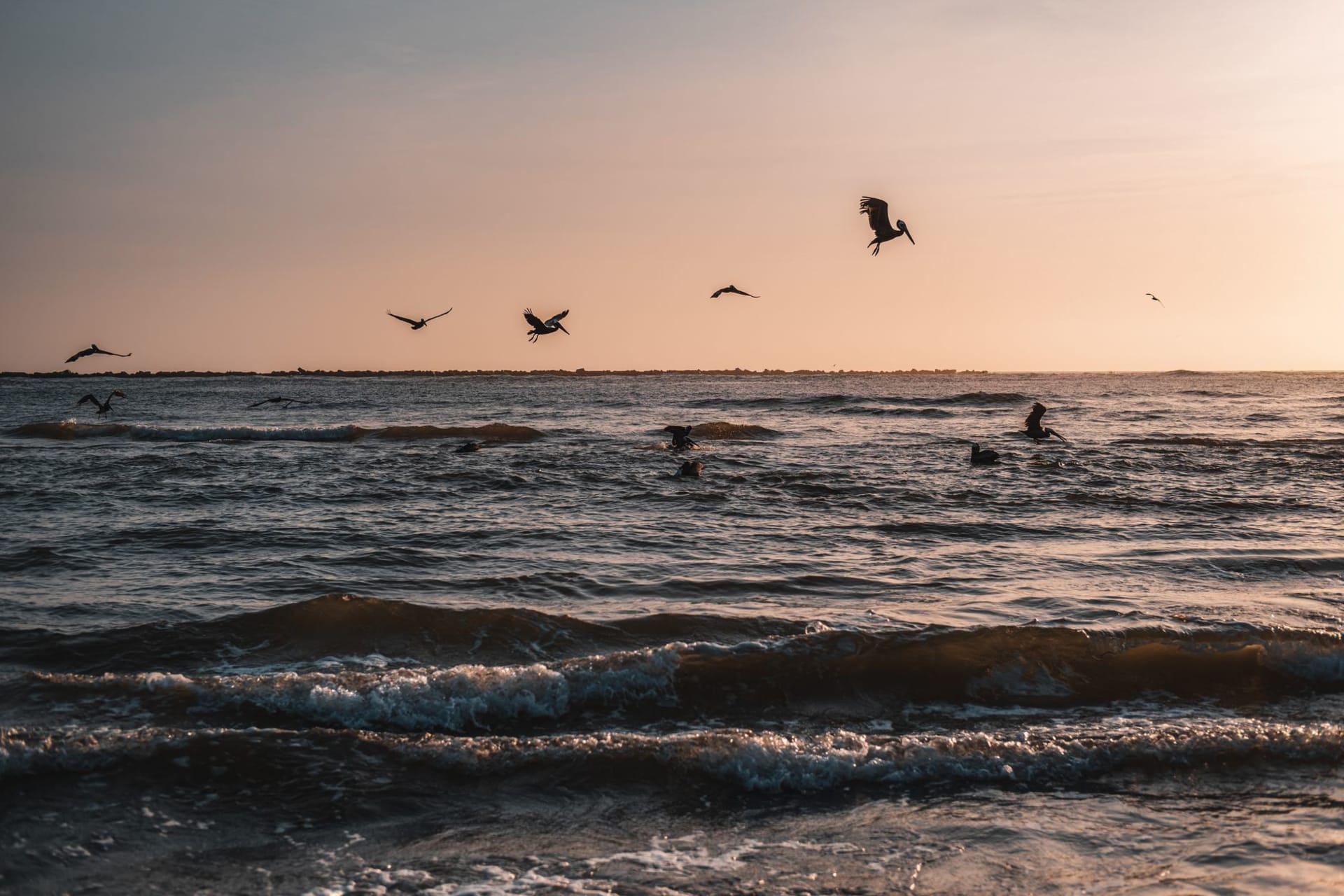
I went in October, when the hurricane season is technically still going but the sport fishing is at its peak. The town is small enough to walk end to end in twenty minutes: trailer homes and fishing camps on stilts, a few restaurants, a bait shop, a gas station, and a state park at the eastern tip where the beach is wide and windswept and the brown pelicans patrol the shallows in formation. There’s no resort here, no attempt to be something for anyone who doesn’t come specifically for the fish or the solitude. The island is what it is and has always been.
The fishing is serious in a way that isn’t really about leisure. Commercial fishing has defined Grand Isle since the island’s Canarian and Acadian settlers dropped their first nets here in the eighteenth century, and it still does. The shrimp boats go out at night and the fishing camps along the beachfront host groups of men who come down from Baton Rouge and New Orleans to fish for redfish and speckled trout and who take the catch home in ice chests. I ate at Ciambotti’s — a restaurant with a sign that could use repainting but whose fried shrimp come from the boats that docked that morning — and paid fourteen dollars for a plate that reminded me why proximity to source matters and why distance from source is something you taste.
The 2010 oil spill hit Grand Isle harder than almost anywhere else on the coast: the beaches fouled, the fishing closed, the camps empty for a season that felt like it might never end. The island came back slowly, the way it comes back after every hurricane, because the people who live here decided to come back, and because the alternative was unthinkable. The fragility of the place is visible in the water-stained marks on the pilings, in the way the houses stand on stilts as a matter of survival rather than aesthetics, in the thin line of land between the Gulf and the bay that could be narrower next year than it is this one.
When to go: Late September through November for the best fishing and most comfortable temperatures. Spring (March through May) is spectacular for birding — Grand Isle sits on a major migration corridor and the island becomes briefly and improbably covered in warblers and thrushes. Avoid peak summer and the height of hurricane season for a more peaceful visit.