Americas
Louisiana
"Nowhere else in the US smells, sounds, and tastes this foreign on home soil."
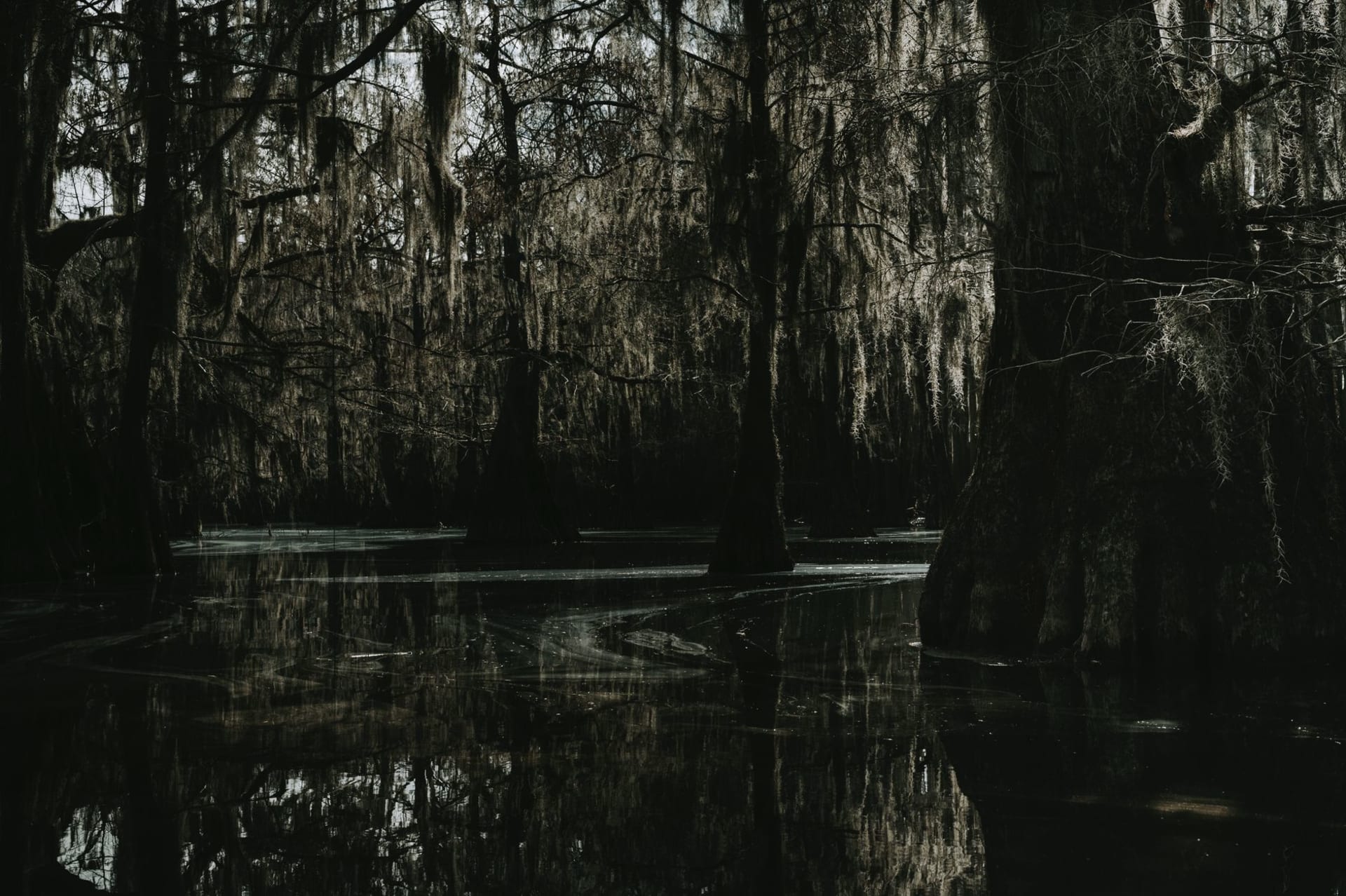
The bayou announces itself before you see it. That particular smell — brackish water, decomposing vegetation, something ancient underneath — hits you as soon as you leave the interstate and take the smaller roads that thread between cypress knees and flooded oak groves. I’d come expecting New Orleans and left obsessed with what surrounds it. Louisiana is the only state that functions like a different country, and the bayou is where that difference begins.
New Orleans itself earns every story told about it. The French Quarter is not the whole city — it is the stage set that tourists consume while locals live somewhere else entirely, in Treme or the Bywater or Mid-City, in shotgun houses on streets still buckled from Katrina. The food alone justifies the flight: a bowl of gumbo at Dooky Chase, a dressed roast beef po’boy at Parkway Bakery, beignets at Café Du Monde at 2am when the powdered sugar drifts like snow in the humid air. But what broke me open was a second line on a Sunday afternoon — a brass band rounding a corner with forty people dancing behind it in the street, completely uninvited by anyone and completely welcome everywhere. That is not a performance. That is how life is organized here.
Outside the city, the parishes feel forgotten in the best possible way. Cajun country — Lafayette, Breaux Bridge, Eunice — runs on a different clock, a different dialect, a different music. Zydeco on a Saturday morning at Fred’s Lounge in Mamou is one of those experiences that makes you understand why people never leave Louisiana. The crawfish étouffée, the boudin sold from gas stations, the fiddle music spilling onto the sidewalk — none of it is curated for visitors. It simply exists because it always has.
When to go: October through April. Summers are brutal — genuine heat-and-humidity brutal, not the kind that’s uncomfortable but manageable. Spring brings Jazz Fest (late April), which is worth planning around. The Christmas season decorates the plantation road along the River Road with bonfires, a Creole tradition that no travel algorithm has successfully packaged.
What most guides get wrong: They treat Louisiana as New Orleans plus some swamp tours. The real Louisiana lives in the parishes: in the moss-hung drives along Bayou Teche, in the fais do-do dance halls of Cajun country, in the small Catholic cemeteries with their above-ground vaults. New Orleans is the entry point, not the destination. Give yourself time to get lost on the back roads, and Louisiana will show you something none of the listicles warned you about.