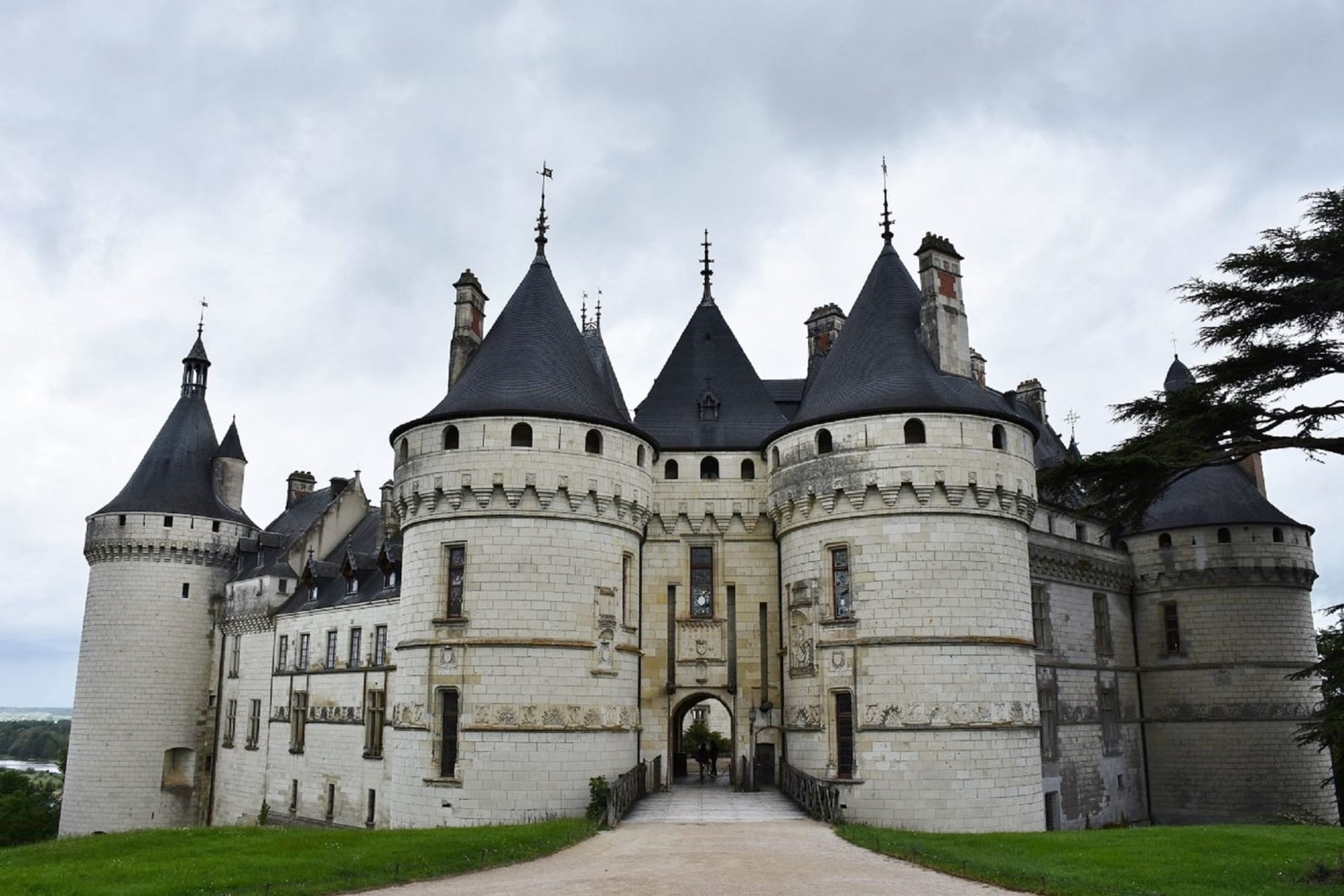
Villandry
"Villandry made me feel genuinely guilty about my tomato plants — that's how seriously they take their vegetable garden here."
I arrived early, before the coach tours, when the dew was still on the leaves and the gardeners were already working. This is the essential thing about Villandry: arrive early. Because by ten in the morning the paths between the parterres are dense with people photographing their phones at the cabbages, and while the cabbages remain extraordinary — great architectural globes of purple and blue-green arranged in geometric patterns that look like a tapestry made plant — they deserve to be seen in the specific morning light when the dew catches and the color is at its most improbable.
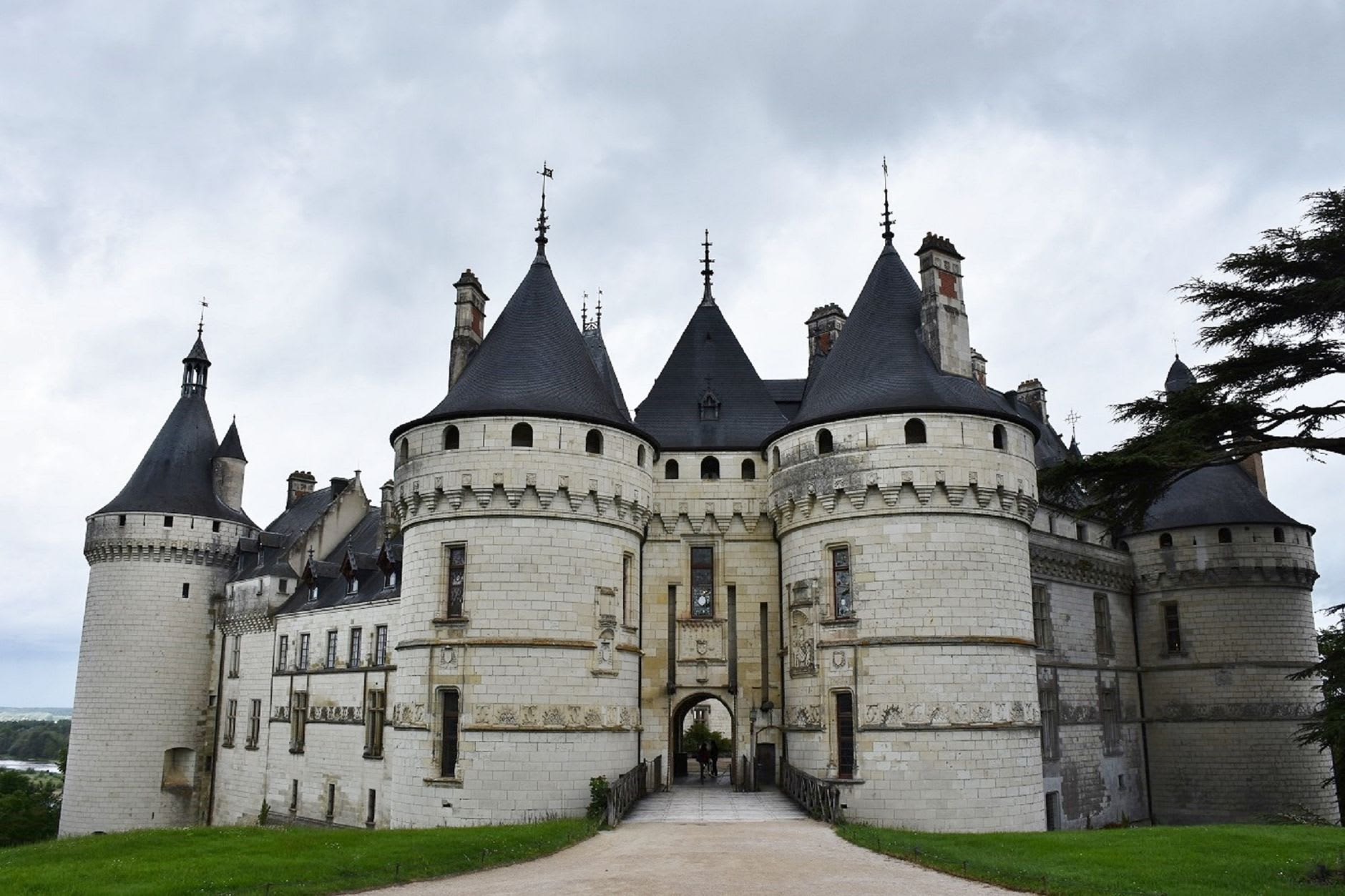
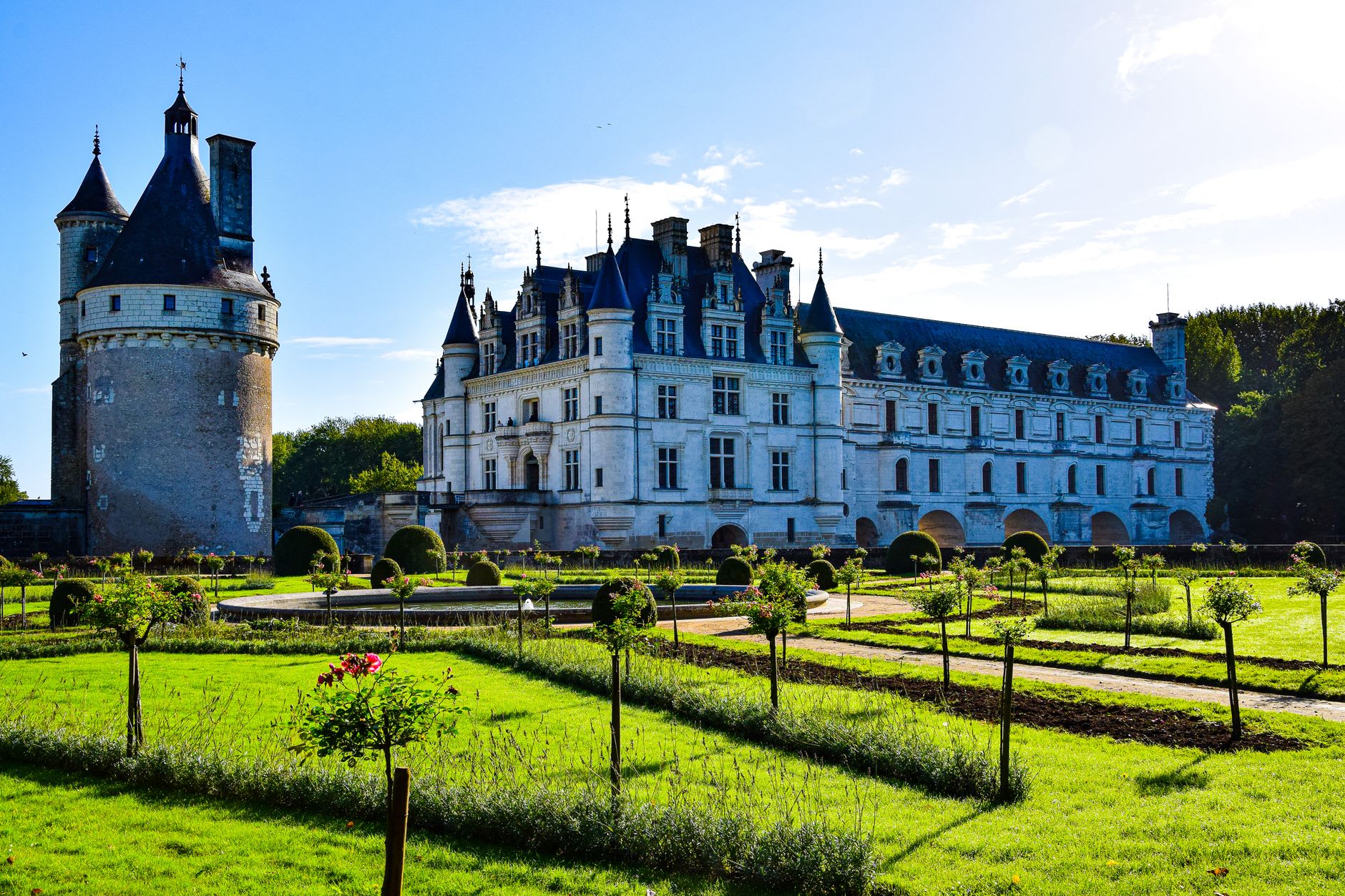
The château itself is sixteenth-century Loire Renaissance, handsome and appropriate, with a moat and the Cher river visible from the terrace. Nobody comes to Villandry for the château. The gardens are the entire point, and the French knew this as early as the 1500s, which is when the original ornamental gardens were laid out. They were later simplified and eventually became farmland before Joachim Carvallo — a Spanish physician who bought the property in 1906 — spent his life restoring them to their Renaissance design. His descendants still own and garden the place, and you can feel the personal investment in every clipped box hedge.
The garden is arranged in three terraces descending from the château. At the highest level, the water garden: a formal ornamental lake surrounded by precisely clipped yews and a laburnum tunnel. Below that, the ornamental garden proper, with its box hedges clipped into geometric patterns signifying different kinds of love — tender, passionate, fickle, tragic — which is either charming or slightly exhausting depending on your relationship history. At the lowest level, the potager, the kitchen garden, which is where the obsession lives.
Nine large square plots, each divided into geometrical sub-plots, each sub-plot planted with a different vegetable variety in patterns designed for visual effect as much as edibility. Red cabbages arranged in crosses. Purple basil bordering rows of pale green chard. Tall leeks marching in diagonal lines. Climbing beans on trellised frames creating vertical patterns above the flat beds. The whole composition changes four times a year as the planting rotates, and the gardeners — there are twelve of them for forty thousand plants — treat the replacement of one variety with another as a design decision as considered as any painting. I watched a man replanting a section of brassicas with a tape measure, checking the spacing against a plan on a clipboard, and it seemed not at all excessive.
The château’s terrace offers the best view: the whole garden laid out below you, the Cher river beyond, the Loire valley plain stretching to the horizon. From up there the geometric intelligence of the whole thing becomes apparent — how the patterns work at scale, how the color blocks read across the distance, how what seems like obsession at ground level reveals itself as composition from above. I stood there longer than was strictly necessary and thought about all the vegetable gardens I’d walked past in my life without looking.
When to go: Late June through September for the kitchen garden at its most theatrical — the summer planting is the most elaborate and colorful. April and May are beautiful for the water garden and flowering ornamentals. Winter is not the point, though the structural box hedges and topiary give the place a stark, architectural quality on grey days. Arrive at opening time regardless of season.