Europe
Loire Valley
"The valley that made French kings forget about Paris."
I arrived in the Loire Valley on a Tuesday in September, coming off the autoroute near Amboise with the windows down and the smell of something — grape must, cut grass, cold river — that I couldn’t quite name. I’d grown up with the Loire as abstraction: the châteaux, the Sancerre, the school-trip slides. What I hadn’t expected was how the landscape itself would stop me. The valley is wide and flat and luminous, the light bouncing off the river in a way that explains every Renaissance painting ever made here. François I wasn’t just building palaces to show off. He was trying to hold onto the light.
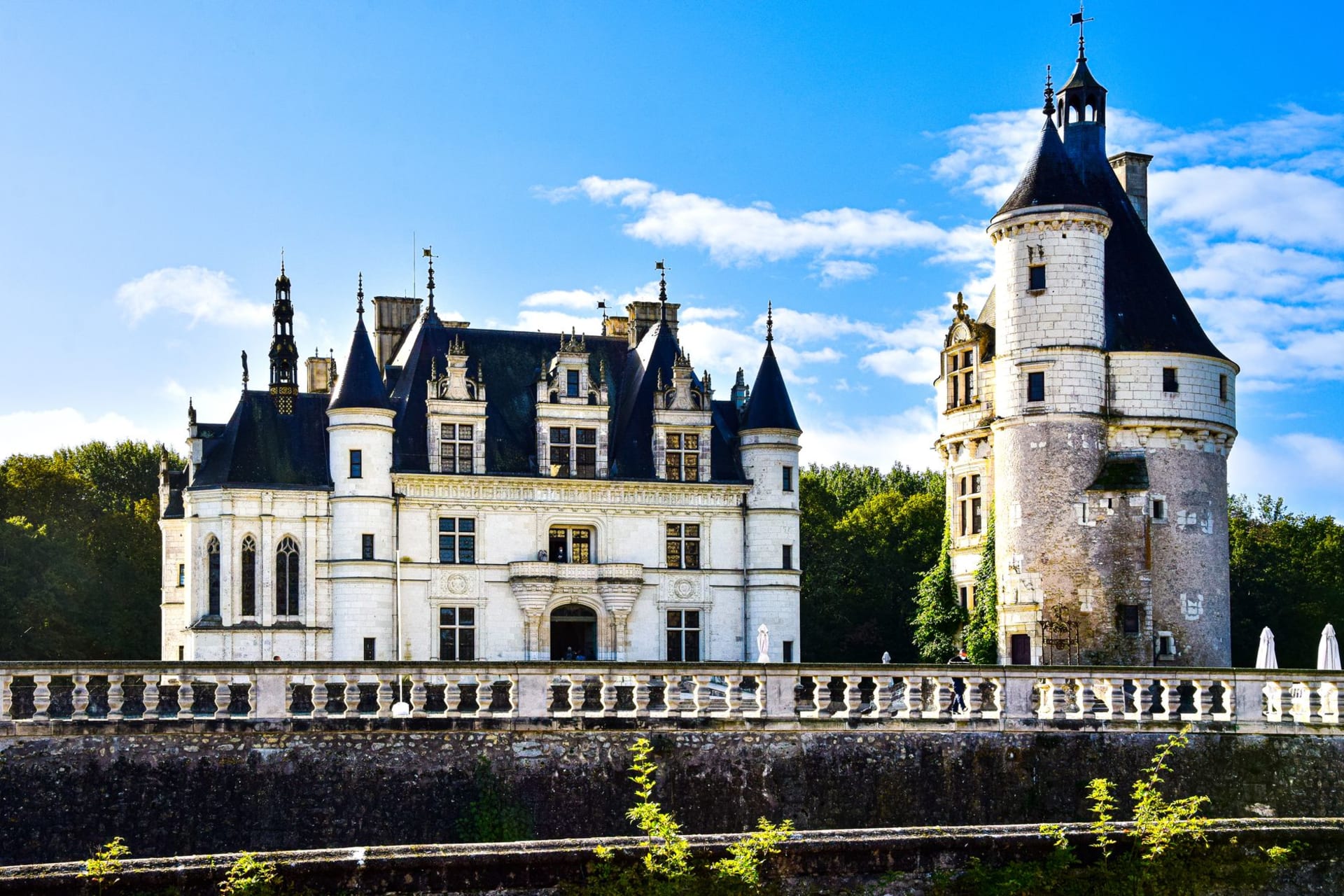
Chambord is the one everyone photographs — that roofline of towers and chimneys that looks like a city skyline dropped onto the forest floor. But Chenonceau is the one that stays with you: a château that walks across a river on six arches, gardens on both banks, the Cher flowing dark and slow underneath. I spent an afternoon there on a Tuesday in early September, almost alone, and ate a sandwich on the riverbank like it was the most normal thing in the world. Cheverny is smaller and lived-in in a way that feels honest — the same family has owned it for four centuries and you can feel it in the worn floors. And then there is Villandry, where the gardens are the point: geometric vegetable plots laid out like a tapestry, cabbages and leeks arranged with the seriousness of topiary.
The wine is what I keep coming back to. Muscadet from the Atlantic end of the valley, lean and mineral and perfect with the freshwater pike that shows up on every bistro menu. Vouvray from Chenin Blanc, which can be bone dry or honeyed sweet or anywhere between. Sancerre and Pouilly-Fumé in the east, the Sauvignon Blancs that became the template for every goat-cheese-and-white-wine pairing that ever worked. The reds — Bourgueil, Chinon — get overlooked because they are not Bordeaux or Burgundy, which means you can still drink well for very little money at the cave coopérative in any town of size.
When to go: Late May or September. The summer crowds hit the major châteaux hard in July and August. September brings the harvest, lower prices, and a quality of afternoon light that makes every stone building glow amber. May is quieter still, and the gardens are at their most theatrical.
What most guides get wrong: They turn the Loire into a château checklist — hit Chambord, Chenonceau, Amboise, and move on. The valley is better experienced as a slow journey along the river itself: by bicycle on the Loire à Vélo, stopping at small domaines for tastings, eating trout at a riverside auberge, spending the night in a troglodyte cave house carved into the tufa cliffs. The châteaux are the backdrop. The river is the point.