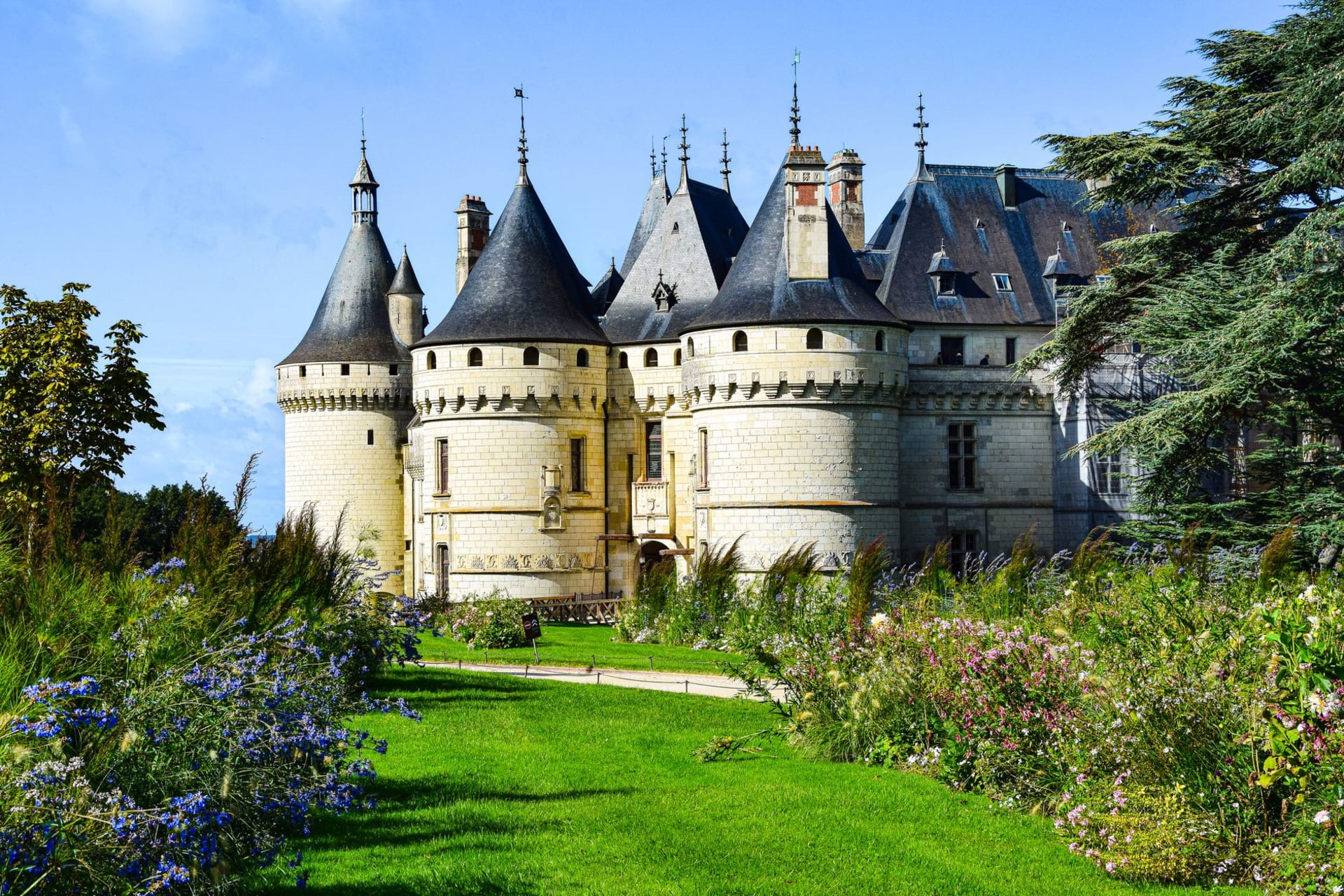
Chinon
"Chinon tastes of iron-rich earth and something almost smoky — a wine that actually tastes like where it comes from."
You see Chinon before you arrive. Coming from the north along the Vienne, the ruined fortress appears on its limestone plateau well before the town does — three separate châteaux strung along the ridge, towers in varying states of collapse, the whole thing silhouetted against the sky in a way that still manages to look commanding despite the centuries of attrition. I had the window down and the radio off when it came into view, and I let it stay in view as long as I could before the road curved away.
The town below the fortress is medieval in the best unsentimental sense — not prettified for tourists but actually old, actually worn, with the Grand Carroi intersection at its center where the rue Voltaire meets the old market square. The timber-framed houses lean over the narrow street. A pharmacie occupies a building that has been a pharmacie or something like it since the fifteenth century. The whole quarter smells of old stone and river air and, on market days, the particular sweetness of cut flowers mixed with fish.
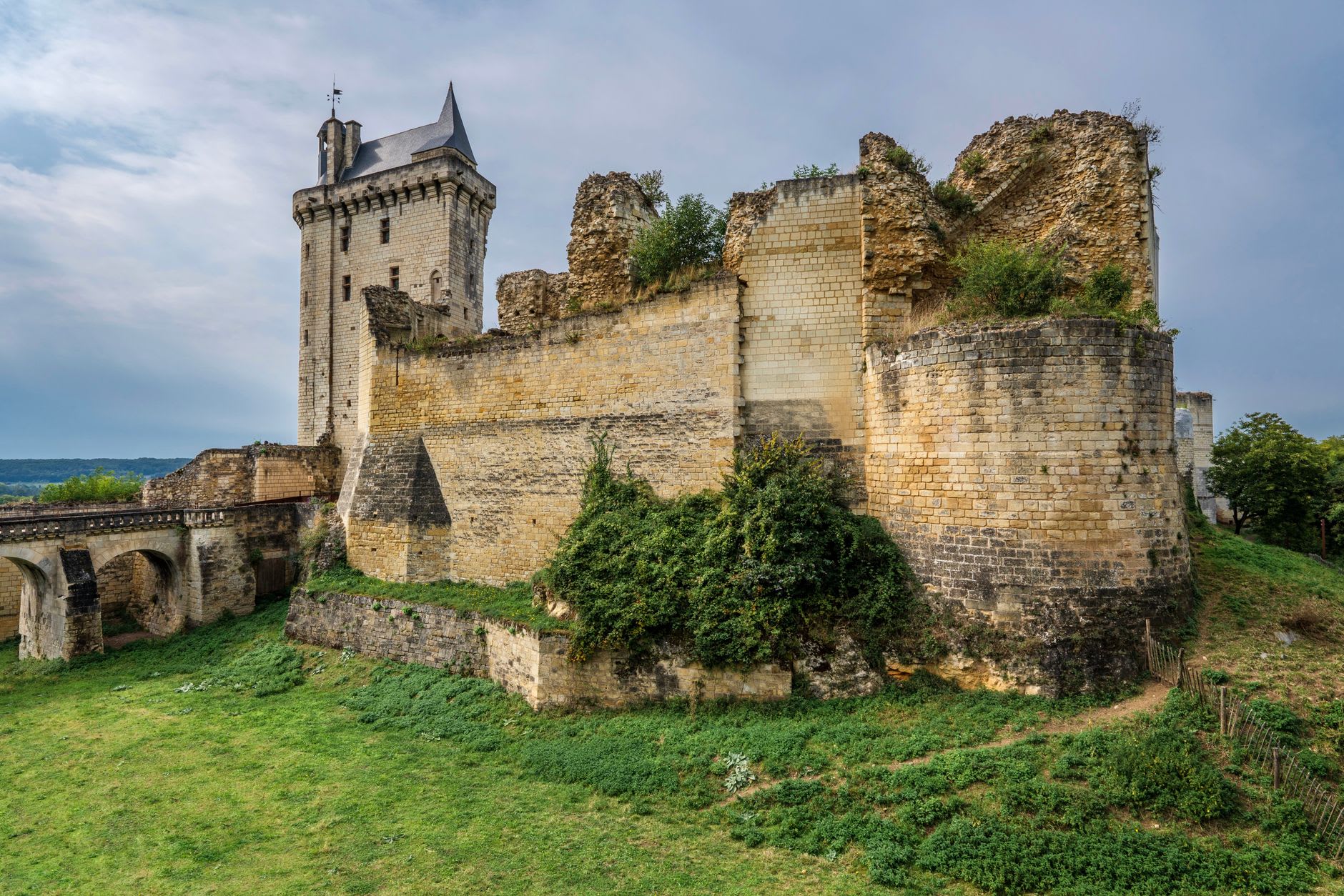
Up in the fortress, the room where Joan of Arc met Charles VII in March 1429 is marked simply and without theatrics. She had ridden three weeks from Lorraine, crossed country held by English and Burgundian forces, and arrived to convince a man who didn’t want to be convinced that God had sent her to restore his crown. The room is empty now, the ceiling open to the sky, but there is something in standing there above the Vienne that makes you feel the weight of the claim. Whatever you make of the theology, the audacity is undeniable.
The wine is what made me stay longer than I planned. Chinon rouge is Cabernet Franc from tufa and clay slopes along the Vienne, and at its best it is nothing like the claret comparisons suggest — lighter in body, more perfumed, with a pencil-lead mineral note underneath that you don’t find in Bordeaux at any price. I did a tasting at a small domaine in the village of Cravant-les-Coteaux, standing in a cellar carved directly into the tufa cliff with the vigneron pouring three vintages of the same vineyard: the 2020 all fruit and iron, the 2018 beginning to go silk and tobacco, the 2015 already something else entirely.

Rabelais was born a few kilometers from here, in La Devinière, and Chinon wears this distinction with appropriate casualness. The museum in his birthplace is small and honest. He would have drunk Chinon at every meal of his life and probably had opinions about it. Reading his work anywhere near the Vienne, you understand where the appetite came from.
When to go: Late September and October bring the harvest and the wine domaines open their cellars for tastings. The medieval quarter is more atmospheric in spring or autumn when the tourist traffic thins. Summer is perfectly fine but the narrow streets feel enclosed when busy. A May market morning with a café au lait on the Grand Carroi is close to the ideal version of this place.