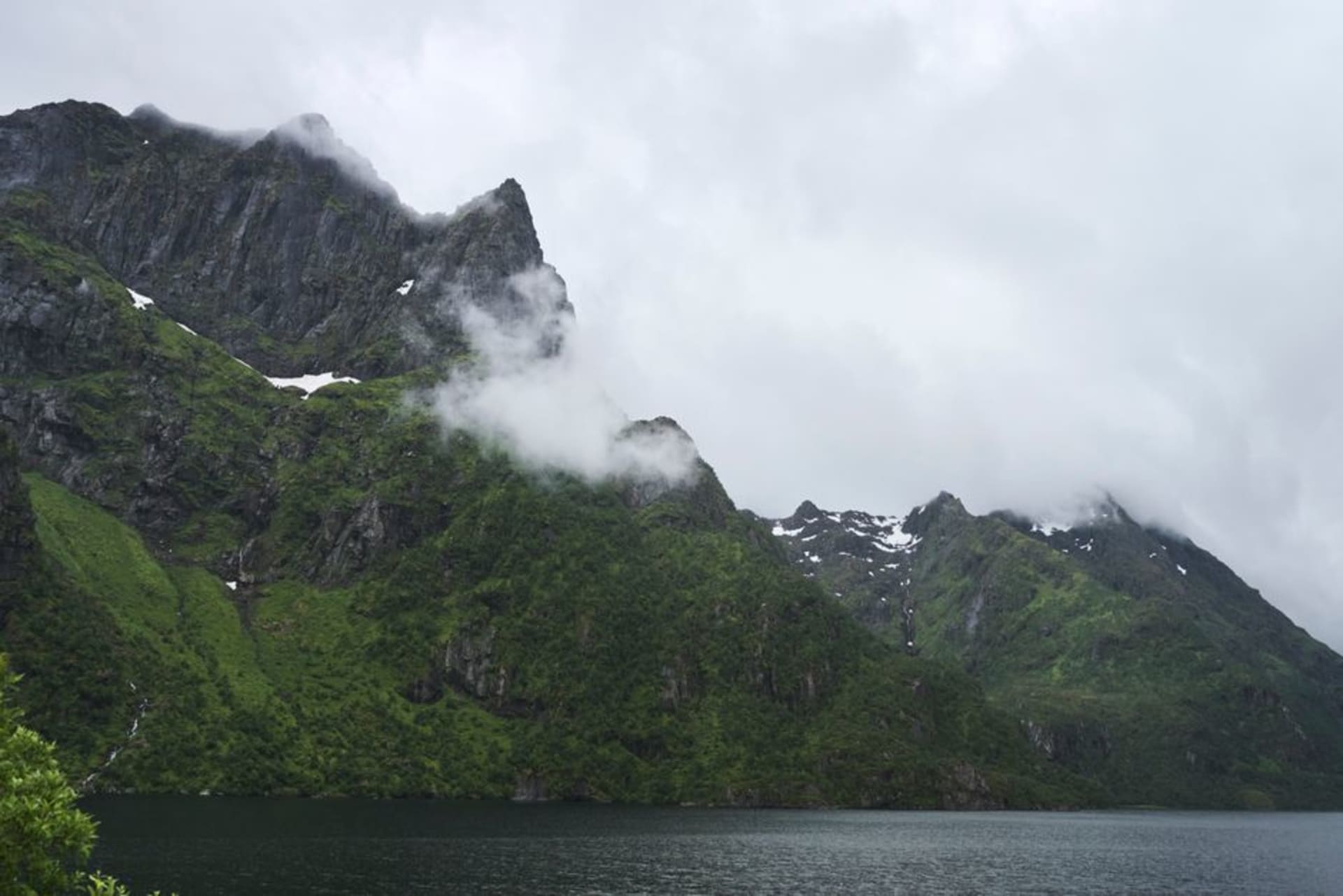
A 2km sliver of water between cliffs a thousand meters high, where herring boats once fought and ferries still barely fit.
I’d read the number before we ever got there — 1,100 meters — and I still wasn’t ready for what it does to your body to stand on a boat deck and feel that small. We’d boarded a sightseeing cruise out of Svolvær that morning, coffee in paper cups going cold in the wind, and for the first hour it was just the usual Lofoten postcard: jagged peaks, a few fishing cabins clinging to the shore, Lia pointing out sea eagles I mostly failed to spot in time. Then the boat turned off Raftsundet into a gap in the rock that honestly didn’t look wide enough for us, and everyone on deck went quiet at the same moment.
That’s Trollfjord. Barely two kilometers long, narrow enough at the mouth that our captain had to line the bow up like he was threading a needle, and once you’re inside, the walls just go straight up on both sides until your neck hurts from looking. I kept trying to get the scale into a photo and kept failing — you need a person or a boat in frame for it to mean anything, otherwise it’s just gray rock and gray water and no sense of how far up it goes.
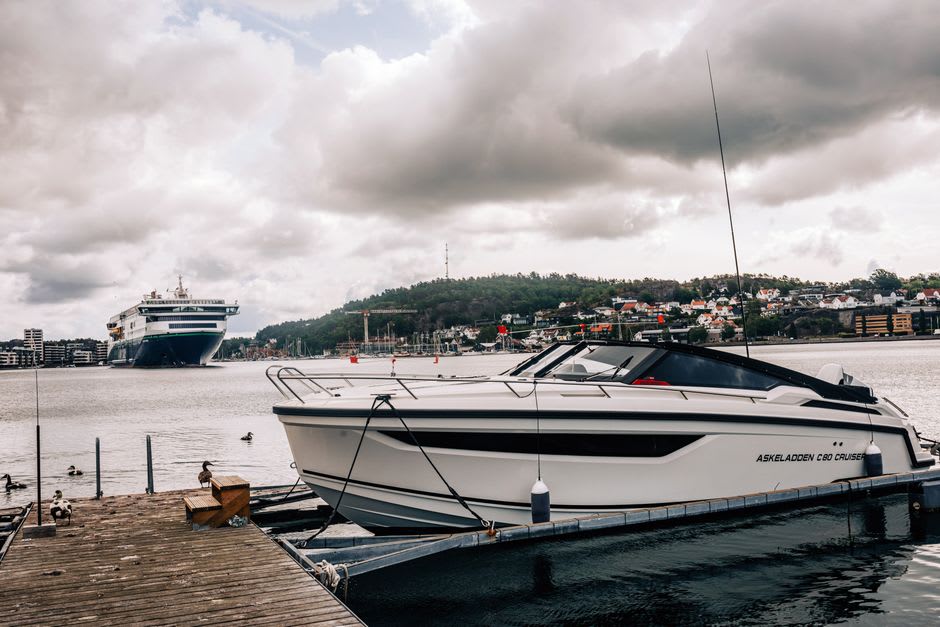
What got me thinking, though, was less the geology and more what happened here in 1890. Our guide told the story as we idled near the narrowest point: local fishermen working the herring grounds in open rowing boats, and steam-powered vessels from outside the region muscling in on the same waters with gear the little boats had no way to compete with. It boiled over into an actual clash right where we were floating — oars and grappling hooks against steam engines — and it became one of those episodes Norwegians still point to when they talk about the labor movement here. Standing in that tight channel, engine off, water slapping the hull, it wasn’t hard to picture how desperate and how loud that must have been.
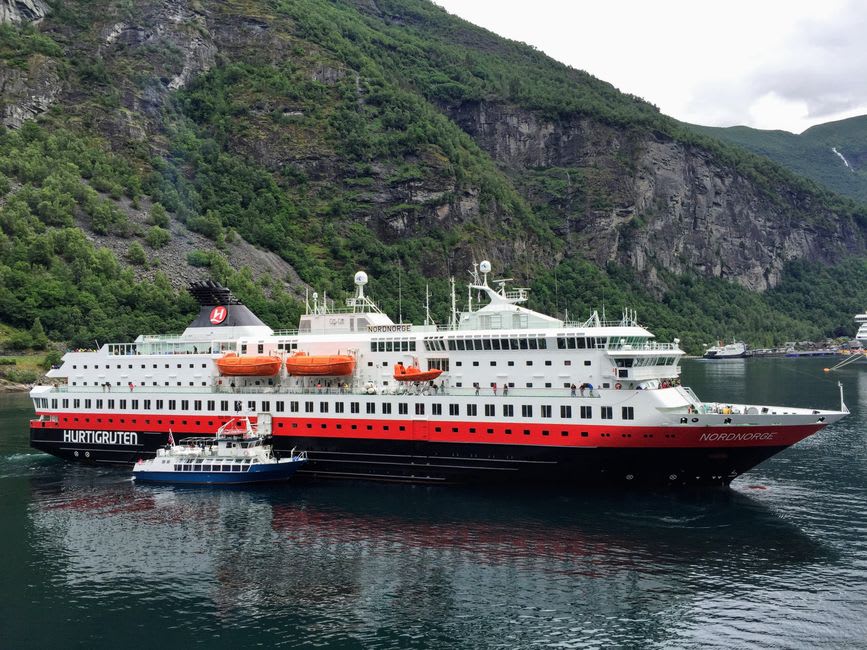
We got lucky and crossed paths with one of the big Hurtigruten ferries easing its way in as we were heading back out — genuinely didn’t think it would fit. Lia grabbed my arm and said something in Spanish I won’t try to translate here, but the gist was disbelief. Watching a ship that size negotiate a passage with what looked like meters to spare on either side, cliffs still climbing into the low cloud above it, is the kind of thing that makes the whole detour worth it even before you’ve left the fjord.
When to go: Aim for May through September — that’s the window when the sightseeing cruises actually run into Trollfjord, and the longer light means you’ll get more of those cliffs before the clouds close back in.
Keep exploring
More from Lofoten Islands
 lofoten-islands
 Unstad
The Arctic's most unlikely surf beach — a valley opening onto powerful Atlantic swells, where people in wetsuits wade out through December snow.
Explore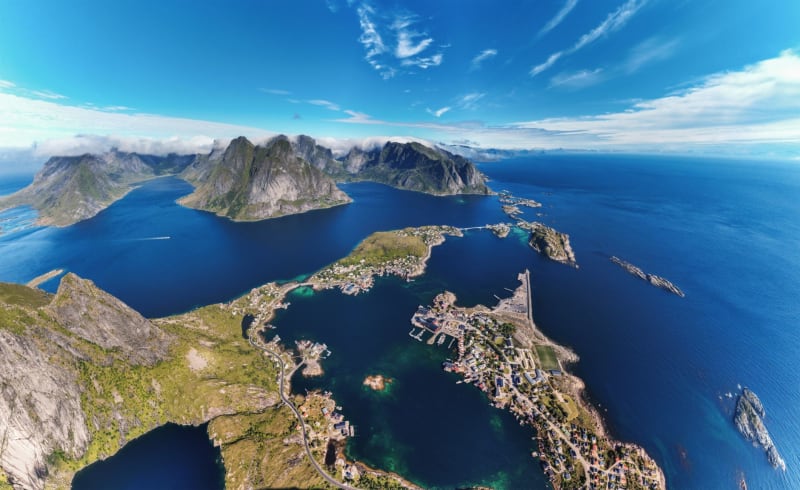 lofoten-islands
 Å i Lofoten
The last village at the end of the E10, where the road simply stops and the Norwegian Sea takes over everything.
Explore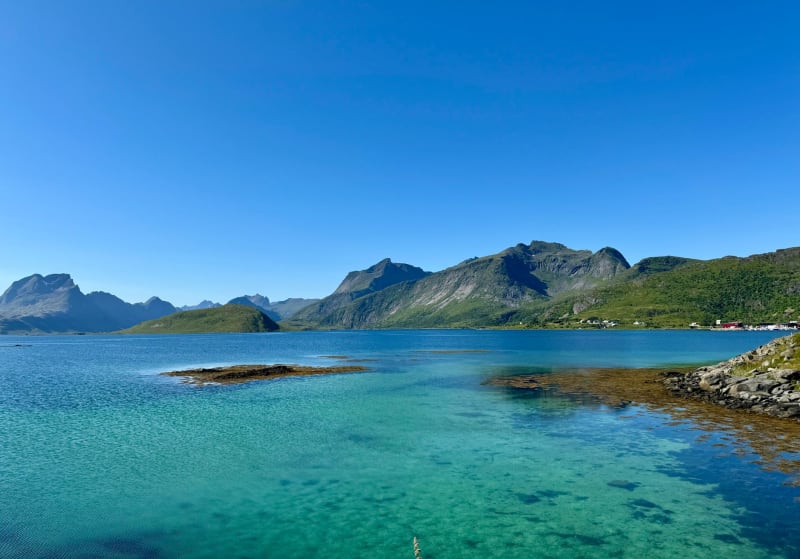 lofoten-islands
 Hamnøy
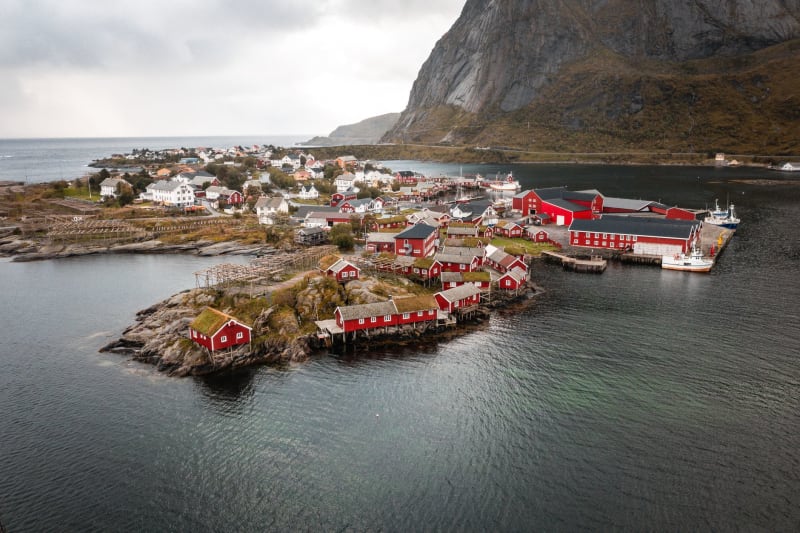
A tiny bridge village where a single row of red rorbu beside still water has become one of the most photographed spots in Norway.
Explore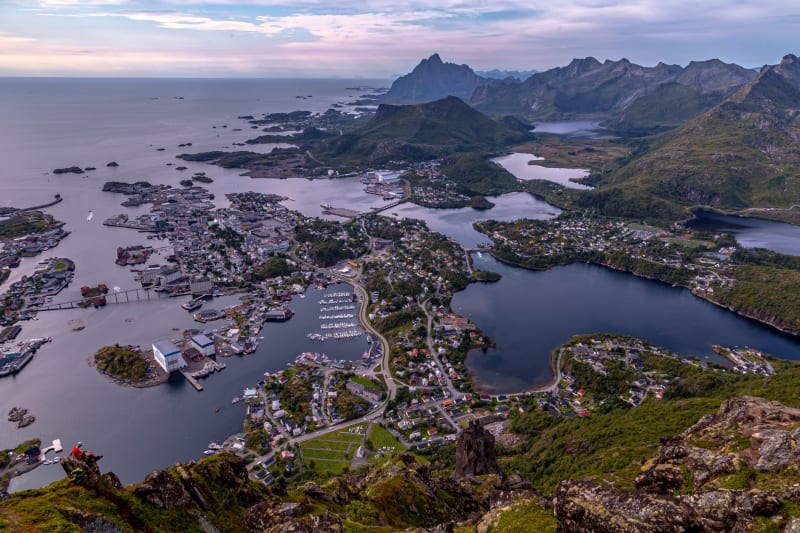 lofoten-islands
 Henningsvær
A fishing village scattered across tiny islands, connected by footbridges, with a football pitch that looks directly onto the open sea.
Explore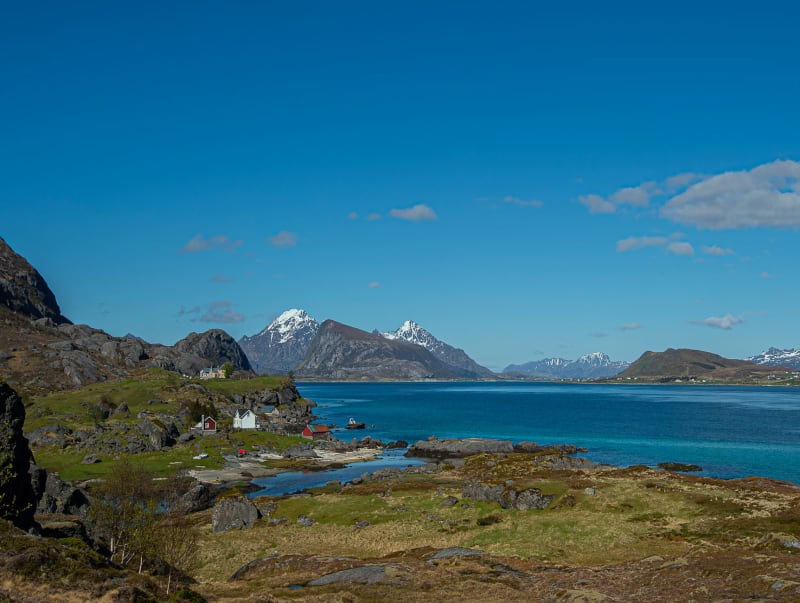 lofoten-islands
 Kabelvåg
Lofoten's oldest town, with a wooden cathedral, a world-class aquarium, and a harbour that still runs on the rhythm of the cod.
Explore lofoten-islands
 Kvalvika Beach
A horseshoe of white sand wedged between black peaks, reachable only on foot, where the Arctic surf rolls in to an audience of almost nobody.
Explore