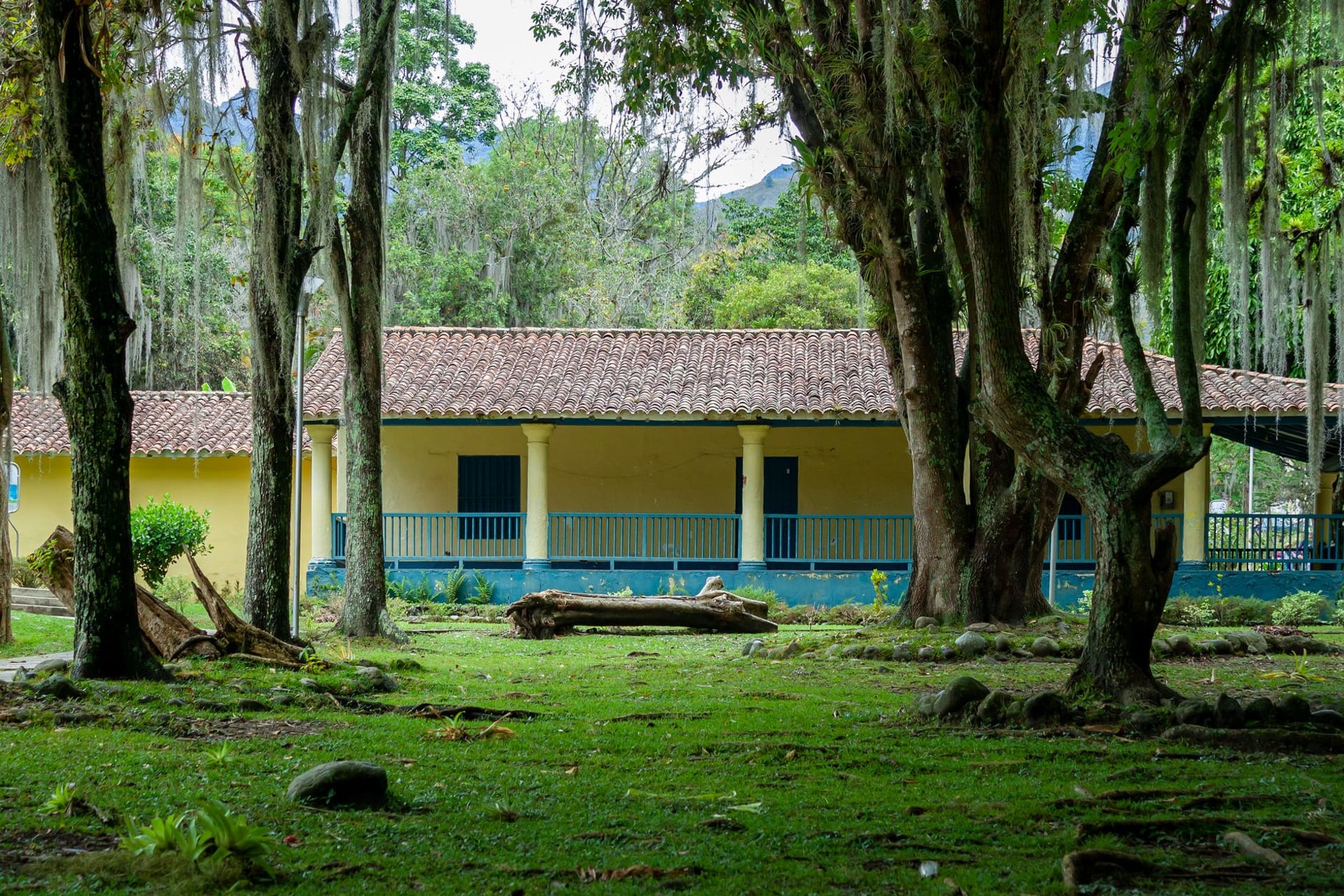
Hato El Frío
"The ibis came in at dusk like a red fog bank — not dozens, not hundreds, just the word 'thousands' losing all meaning."
I had been told about the ibis. Everyone who had been to El Frío told me about the ibis, in the slightly dazed tone of people trying to describe something they aren’t sure they saw correctly. I filed it under the category of “probably impressive but overstated by enthusiasts” and arrived at the hato with my expectations appropriately calibrated. Then dusk came on the second evening. The birds came from the east, from over the flooded savannas where they had been feeding, and they came in a continuous stream for forty minutes — scarlet ibis, thousands upon thousands of them, settling into the trees around a lagoon that turned red with the weight of their colour. I stood and watched and did not take notes, which is unlike me.
Hato El Frío lies in the heart of Apure state and covers roughly 90,000 hectares of seasonally flooded grassland, gallery forest, palm stands, and caños — the network of channels that the Llanos uses as its internal circulatory system. It is a wildlife reserve that has operated as such since the 1970s, and the years of protection show. The animal density here has a quality that wildlife reserves that have been managed for a shorter time cannot replicate — it feels not like something preserved, but like something uninterrupted. The caimans on the bank of Caño Guaritico, where guides take morning boat trips, have never learned to fear humans. They regard the passing boats with the mild contempt of very old animals who have seen everything and been impressed by none of it.
The bird checklist at El Frío runs to over three hundred species, and unlike the kind of checklist that requires specialist knowledge and a very expensive pair of binoculars to make use of, many of the signature species here are visible to anyone who looks out a window. Roseate spoonbills wade in the shallows twenty metres from the dining area. Jabiru storks — the largest flying bird in the Americas, standing over a metre tall — stalk the drying lagoons with a gravity that seems to require orchestral accompaniment. Limpkins call from the gallery forest at night, a sound like someone crying slowly and with great effort. The night herons work the edges of the caños from dusk onwards, moving in that sudden precise way that only makes sense when you understand they are dropping from stillness into a strike.
What surprises me about El Frío, compared to the more well-known Hato El Cedral, is how waterlogged it stays even in the dry season — the flooding regime here seems to lag slightly behind the rest of the Llanos, which means the bird concentrations happen a little later and linger a little longer. My guide, a birder named Eliezer who had worked the reserve for twenty years and could identify a call from two hundred metres in the dark, told me the secret was the caños. “El agua se queda más tiempo aquí,” he said. The water stays longer here. He said it with a pride that suggested the Llanos’ hydrology was something he had personally arranged.
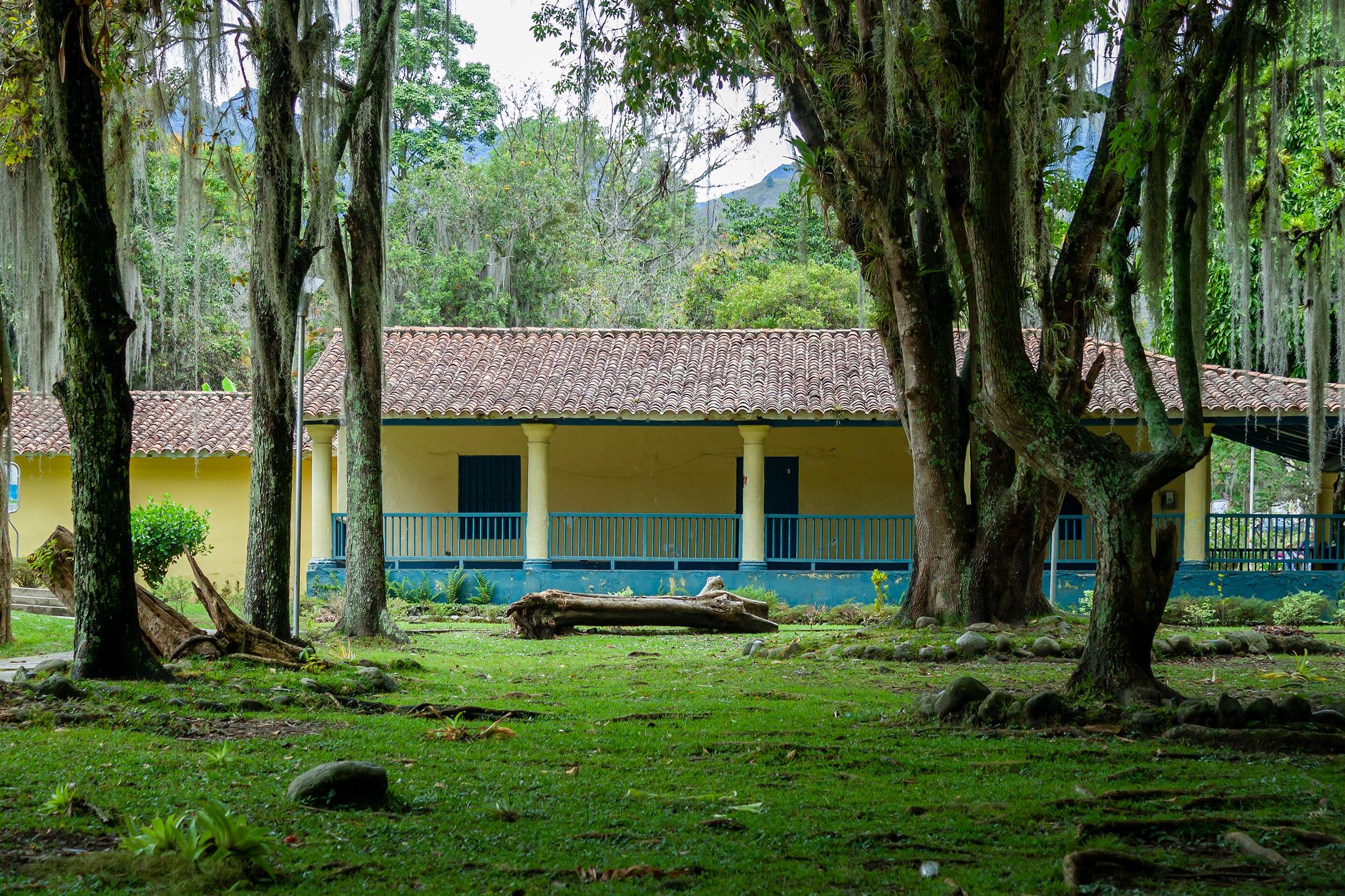
The accommodation at El Frío is basic — simple rooms in a long building near the main house, ceiling fans, cold showers that feel magnificent in the afternoon heat, communal meals eaten at a long table with other guests from Venezuela and beyond. The simplicity is appropriate. Nobody comes here to be comfortable in the hotel-brochure sense. They come because there is something happening in the sky and water outside that overrides the desire for mattress quality.
When to go: January through March is the prime window — late dry season when the water levels have dropped enough to concentrate the birds around the remaining lagoons, but before the heat becomes truly punishing. February is perhaps the single best month: ibis, herons, spoonbills, and ducks all present simultaneously around the caños. Bird-focused visitors should budget at minimum three nights; the landscape rewards repetition and early mornings reveal different species than late afternoons.