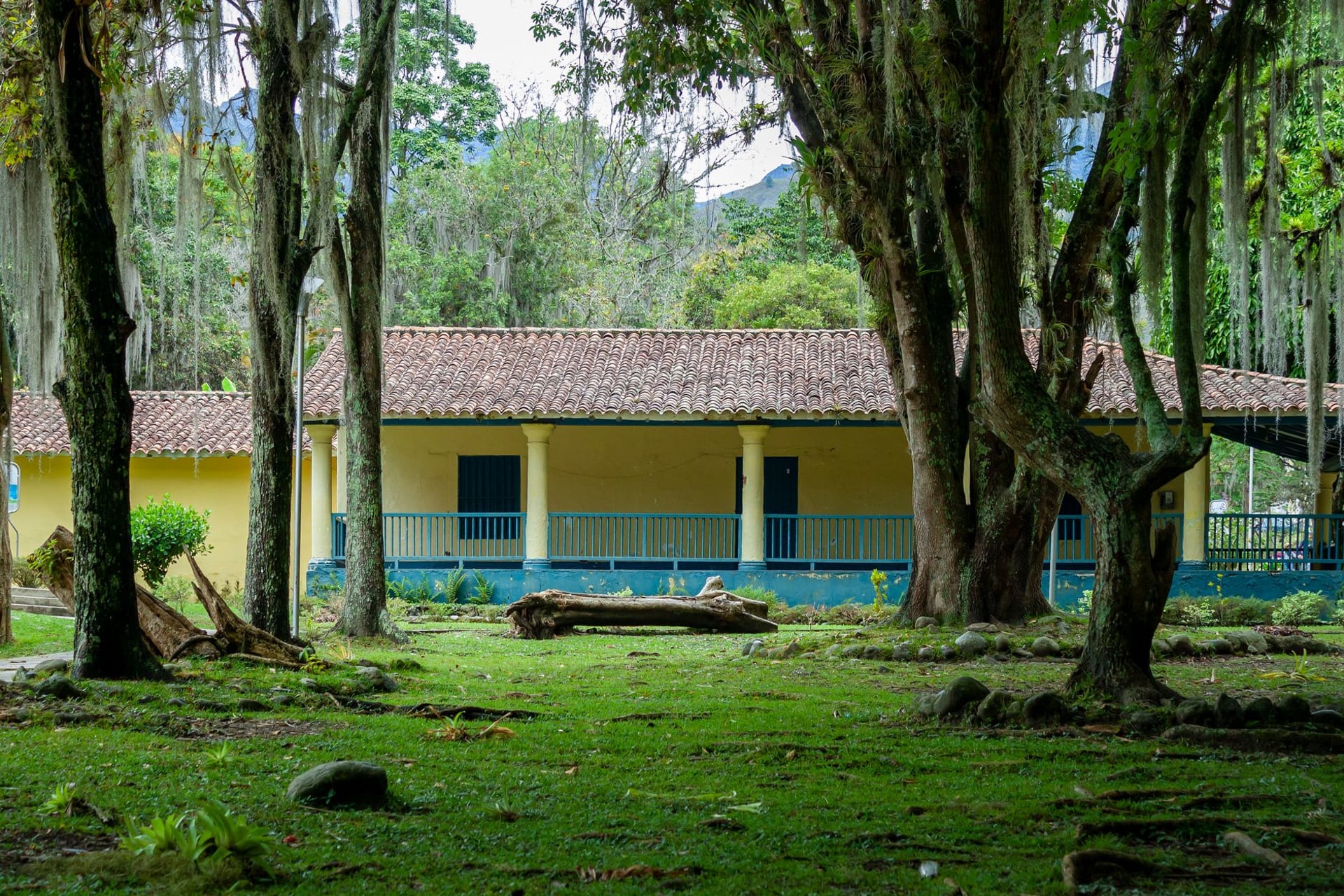
Hato El Cedral
"My llanero guide hadn't stopped the horse — he just waited, calmly, while an anaconda crossed the track ahead of us."
The driver who collected me from San Fernando de Apure didn’t say much for the first hour. There wasn’t much to say. The road ran straight into nothing, the grass on either side the colour of straw in the early dry season, the sky an unmarked blue that seemed to lean closer to the earth the farther we got from town. Then a pair of giant anteaters crossed the track maybe fifty metres ahead — moving with that peculiar rolling gait, as if something internal had come loose — and the driver finally spoke. “El Cedral te lo muestra todo en el primer día,” he said. It shows you everything on the first day. He was right.
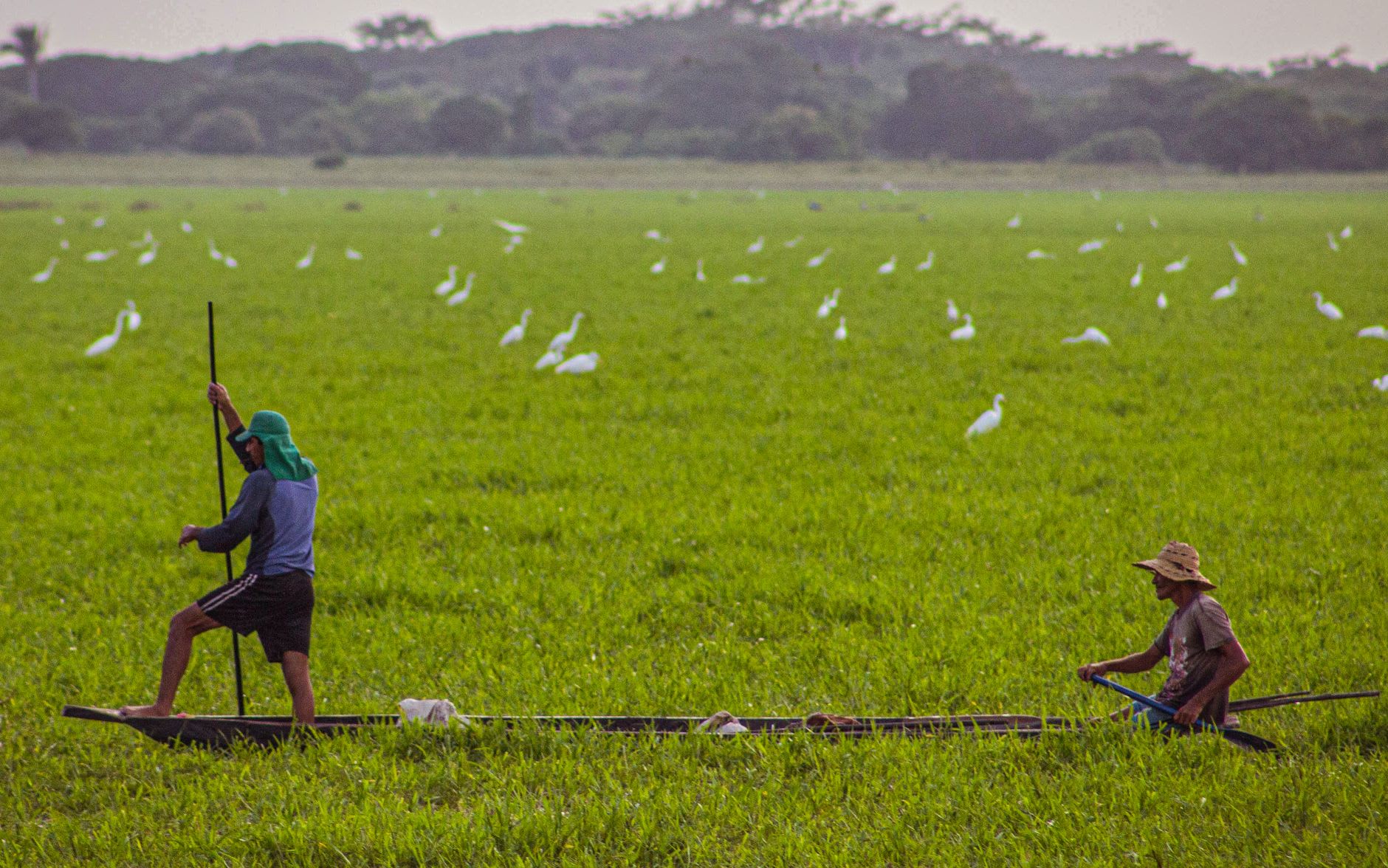
Hato El Cedral has been a working cattle ranch for over a century and a wildlife reserve for nearly five decades, and the two identities coexist without tension. The cattle share the savanna with capybara herds that number in the hundreds. The cowboys — llaneros who have spent their lives reading this landscape — double as guides with an expertise that no naturalist trained in a university can quite replicate. My guide, a quiet man named Domingo who had worked the hato since his teens, knew where every anaconda den was, which caño held the largest concentrations of caimans before dawn, which dry lagoon the jabiru storks were currently favouring. He communicated most of this by pointing with his chin while we rode, the horses picking their way through the cracked mud of the dry season with a practised calm.
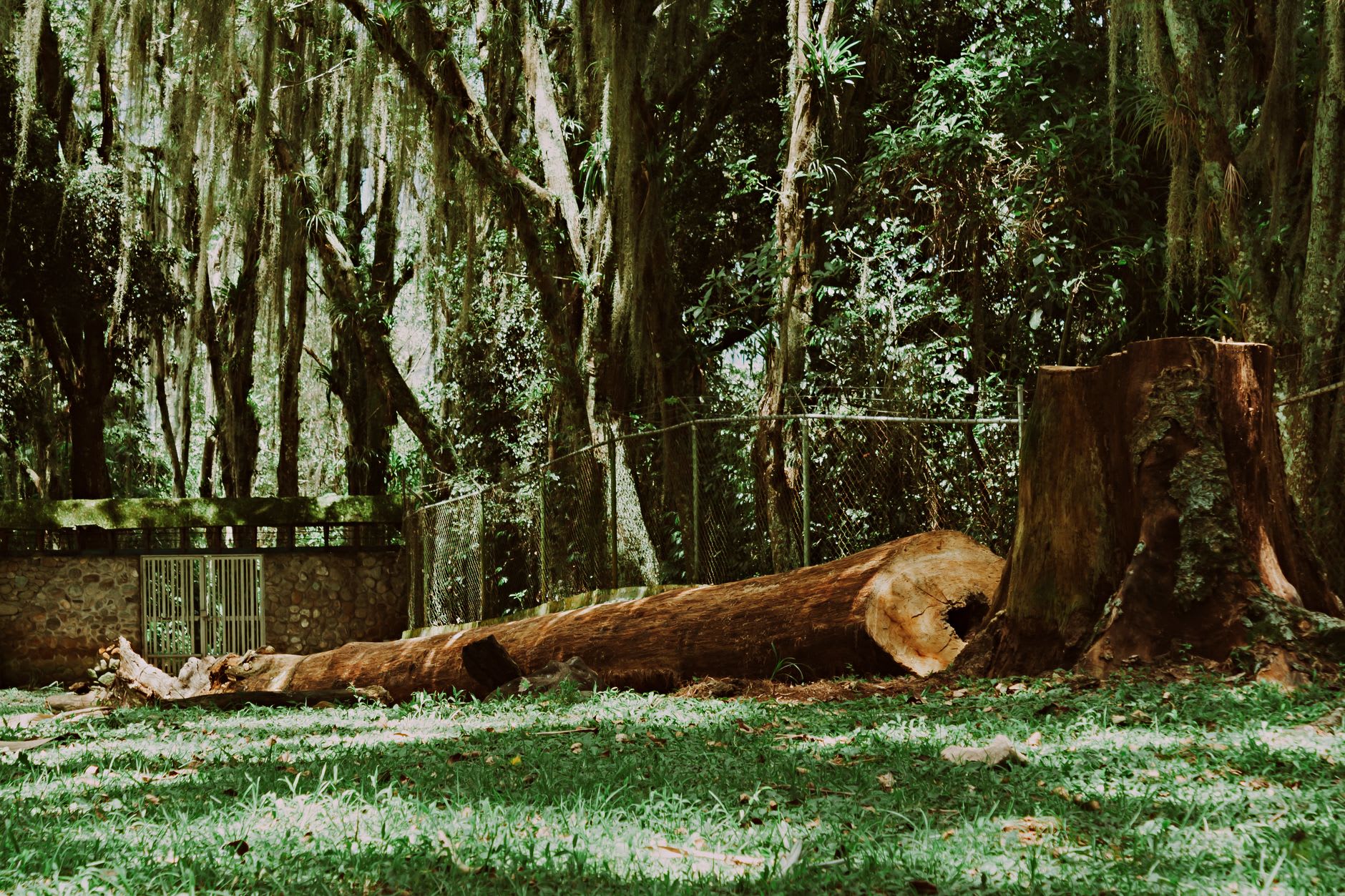
The bird situation at El Cedral is something that resists accurate description. Over three hundred species inhabit the region, and in the dry season they concentrate around the waterholes in a density that feels almost prehistoric. I spent an hour one morning sitting on a fence post watching a single small lagoon. Roseate spoonbills waded at one end, turning methodically in the shallows. Hoatzins — those prehistoric-looking birds that smell of manure and seem designed by a committee — perched in the scrub on the far bank. A kingfisher hit the water three times in ten minutes. A black-collared hawk sat on a dead tree and ignored everything. This wasn’t a sighting, the way a wildlife sighting works at home. It was just what the place looked like when you stayed still long enough.
The food at the hato is llanero cooking without apology: beef, always beef — grilled over wood or slow-cooked in a pot until it fell apart — alongside arepas made fresh each morning by the kitchen staff and eaten while still warm enough to melt the butter. Chicha appeared in the afternoons, the fermented corn drink that tastes faintly of something between soured cream and fruit, drunk from a clay cup that had already seen a hundred thirsty days. The dining room is open-sided, fans turning overhead, the sounds of the savanna coming in with every breeze — insects, distant birds, the occasional low of cattle.
Evenings at El Cedral carry a different quality of light — the sun takes its time leaving, going through orange and then a deep red before surrendering the sky to an absolute darkness that feels unfamiliar to anyone who has spent their life near a city. The stars appear all at once, as if someone has thrown a switch. Frogs and insects fill the night with a sound that isn’t noise exactly — it’s too consistent for that, more like the hum of a machine that has been running since before you arrived and will continue after you leave.
When to go: December through March is the height of the dry season — waterholes at their most concentrated, roads reliably passable, wildlife density at its peak. Arrive early in the week if possible; weekends can bring Venezuelan visitors from Caracas and the hato feels less private. Dawn departures on horseback are non-negotiable — the first two hours of light are when everything happens.