Esteros de Camaguán
"I counted four kinds of heron before breakfast and then gave up, because the sky had started doing it for me."
A Plain That Becomes a Sea
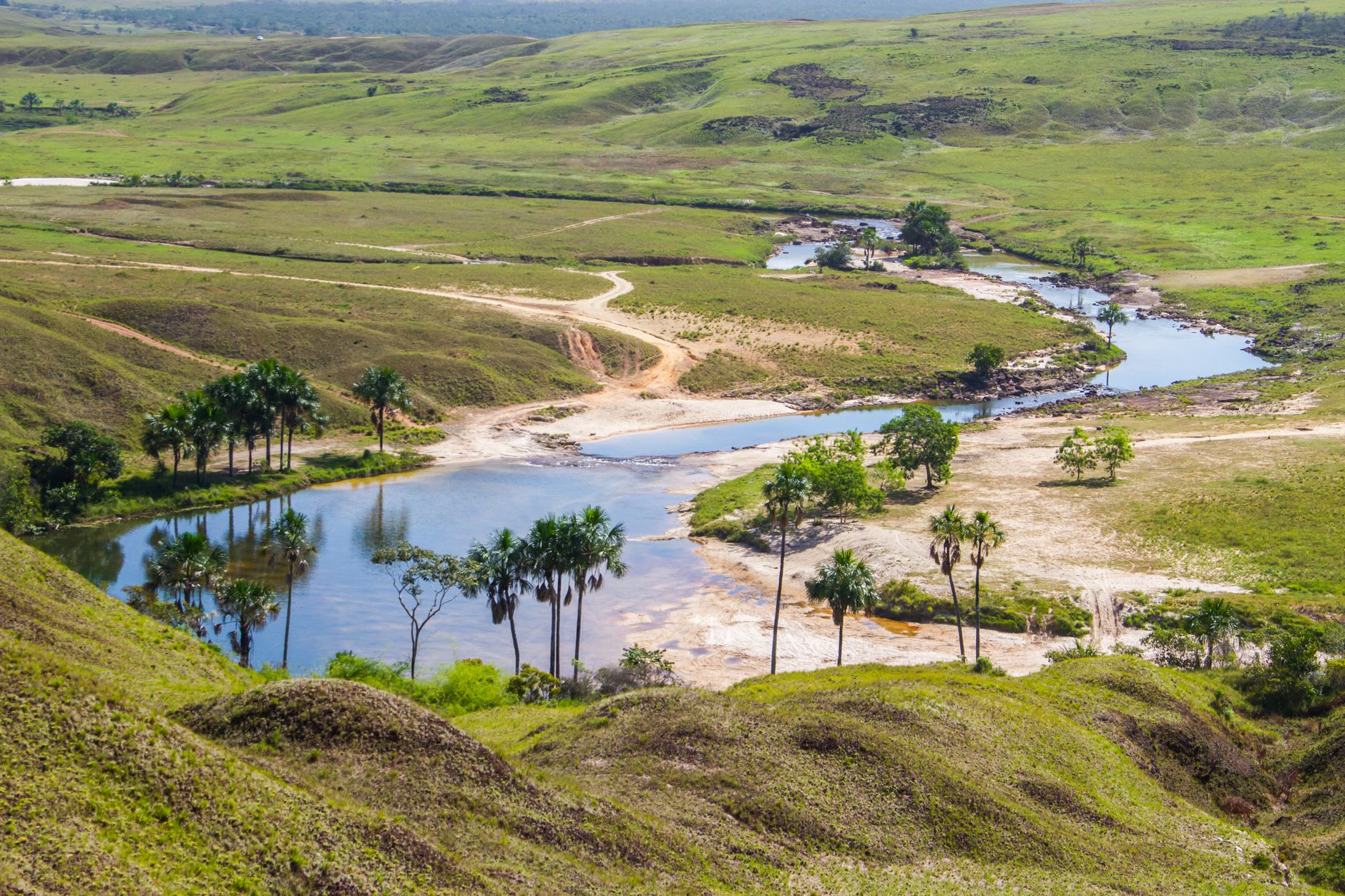
The Esteros de Camaguán are not on most maps of Venezuela that tourists carry, which is part of why I wanted to see them. This is a protected wetland just outside the small town of Camaguán, in Guárico state, where the Llanos do their most dramatic trick: in the rainy season, roughly June to October, the flat grassland floods until it becomes a shallow inland sea, kilometres of water no deeper than your shins, broken only by termite mounds and lone trees. In the dry season it bakes hard and cracks. I came at the tail of the rains, when the water was still high and the birds had not yet dispersed.
I hired a man with a flat-bottomed boat and a long pole, which is the only sensible way to move through an estero. He poled us out before sunrise. I have travelled a fair amount and I am not easily impressed by “scenery,” but the first half hour of light over that flooded plain rearranged something in me. The water was perfectly still, the sky doubled in it, and birds were everywhere — not in a vague poetic sense but in literal, countable masses.
The Birds, and the Things Beneath the Birds
Camaguán is a serious birding site — it has been recognised as an important wetland precisely because of the density and variety here. I saw scarlet ibis flaring up red against the grey morning, jabiru storks standing taller than a child, roseate spoonbills, whistling ducks in flocks that moved like smoke. My boatman, who clearly did this for people far more expert than me, kept naming things in Spanish faster than I could note them, and eventually I just stopped writing and watched.
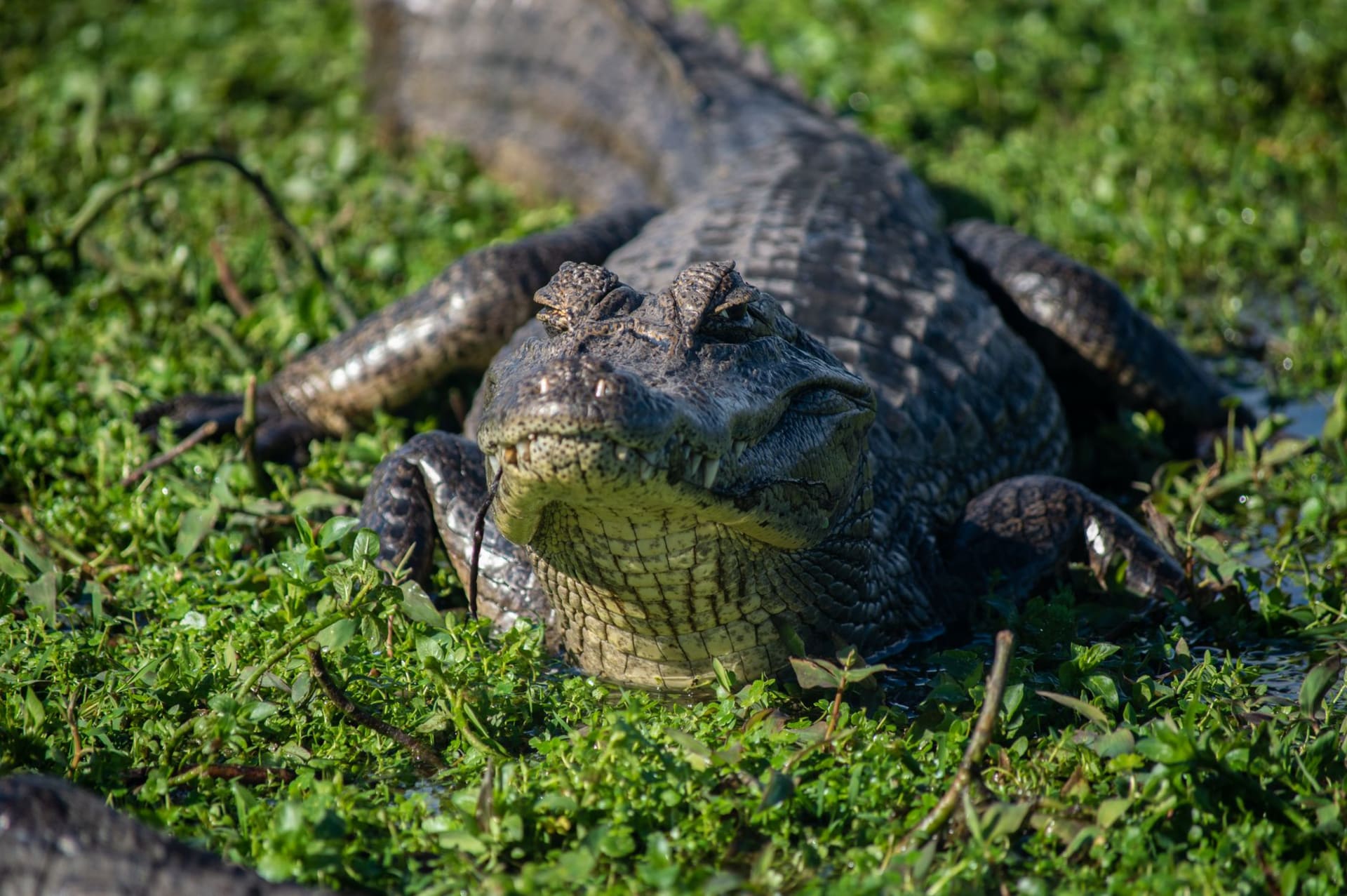
Under the surface and along the banks, the Llanos’ other residents were doing their quiet business. Spectacled caimans floated like waterlogged logs, occasionally sinking without a ripple when we drifted too close. Capybaras grazed the higher hummocks in family groups, supremely unbothered. Somewhere out there were anacondas, the boatman assured me, though I was privately relieved not to meet one from a boat with no sides.
Doing It Right
This is not a polished operation. Camaguán is a working llanero town, hot and unhurried, and you arrange a boat by asking around rather than booking online. Go in the wet season for the floods and the birds; the dry season is harsher and the wildlife concentrates around the few remaining pools. Bring sun protection that you actually believe in — there is no shade on the water — and far more water to drink than seems reasonable.
Lia stayed back in town that morning, sensibly, and I came back sunburnt and grinning. The Llanos are an acquired taste: flat, hot, and empty to the untrained eye. But sit in a boat at dawn while a flooded plain wakes up around you, and the emptiness turns out to be the most crowded place I have been.