Barinas
"Standing in Barinas looking south, you can see a horizon that offers no interruption for three hundred kilometres. That takes a moment to absorb."
Barinas announces itself with cattle. Not the animals themselves — though you see those soon enough on the road in — but the infrastructure of cattle: the feed stores and veterinary suppliers along the highway into the city, the saddlery workshops with their leather smell drifting into the street, the processing plants on the industrial fringe, the refrigerated trucks that come and go at all hours. This is the capital of a state that takes livestock seriously, and it shows. The city has the purposeful, slightly rough-edged character of a place built around a productive industry rather than around tourism or administration or culture in the self-conscious sense.
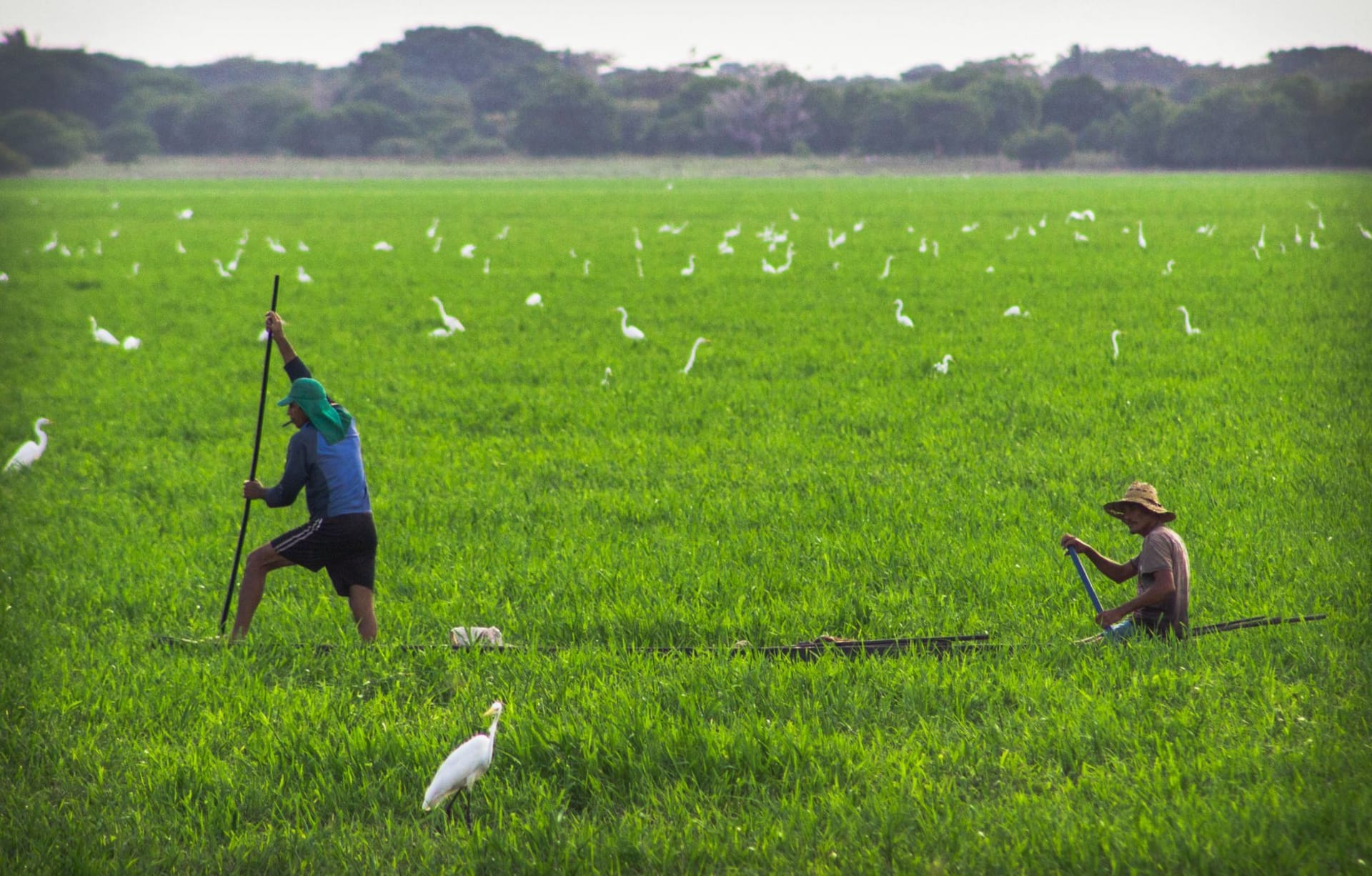
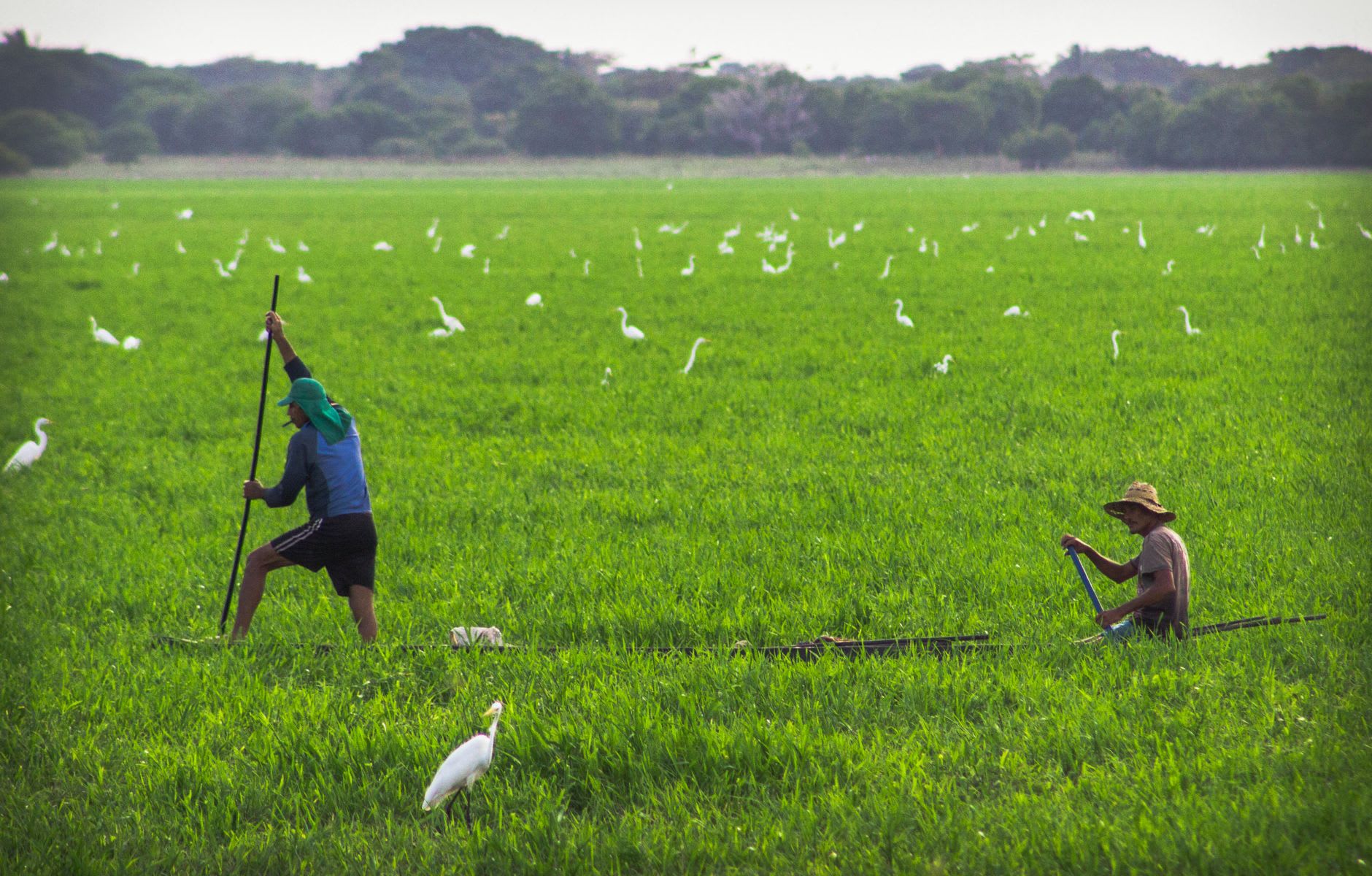
What Barinas has that the deeper Llanos towns lack is the Andes. The mountains are visible from the city — not close, not dramatic enough to dominate, but present as a grey-blue presence in the north and west that reminds you of where you are on the continent. The Llanos begins at Barinas’ southern edge with a definitiveness that is almost architectural: the foothills simply stop, the land flattens, and the horizon retreats to a distance that feels like a different kind of space than the mountain-framed views you’ve been looking at from the road south. I stood on a low bridge over the Apure headwaters at the edge of the city one evening and looked south and did not entirely trust what I was seeing — that flatness, that reach, that sky taking over from the land with such completeness.
The city centre around Plaza Bolívar is more handsome than its industrial outskirts suggest. The cathedral — a colonial building that has survived earthquakes and political upheavals and the general indignity of Venezuelan urban development — faces the square with a certain dignified stubbornness. Under the trees of the plaza in the evenings, the social life of the city condenses: old men playing dominoes, young people on phone screens, children on bicycles, vendors moving through the crowd with cold drinks in styrofoam coolers. The air carries the smell of grilling meat from a cluster of food carts at one corner of the square — beef and pork on charcoal, served with yuca frita and a hot sauce that one vendor described as “suave” in a tone that suggested he was testing me.
The food in Barinas is the food of a place that sits at the junction of two ecosystems: Andean produce from the north and west — potatoes, cheese, trout from the mountain streams — and Llanos products from the south — beef in every form, cachama fish from the rivers, the ubiquitous arepa in both styles. The pabellón criollo here, the national dish of shredded beef, black beans, fried plantain, and white rice, is cooked with the confidence of people who have been making it for generations without consulting any printed recipe. I had it for lunch twice and was not sorry.

Barinas also functions as the last reliable place to organize anything before heading deep into the Llanos: hire a guide, rent a vehicle with genuine four-wheel drive, stock up on supplies, get cash. The practical infrastructure of the city — mechanics, pharmacies, internet — becomes something you value more than you expect once you’ve spent several days on dirt roads watching your phone signal disappear. Consider a night here both coming and going. The bars near the university come alive after nine and the music — joropo, salsa, a few places with live bands on weekends — is another reminder that the Llanos has a cultural depth that the wildlife brochures consistently underreport.
When to go: Barinas is a year-round city, functional in all seasons as a base. The best time to pass through as part of a Llanos trip is November or December — after the rainy season has cleaned the air and cooled things slightly, before the deep dry season turns the Llanos roads to dust. The cattle market on the city outskirts operates Tuesday and Friday mornings and is worth an hour regardless of when you arrive.